

Products are selected by our editors, we may earn commission from links on this page.

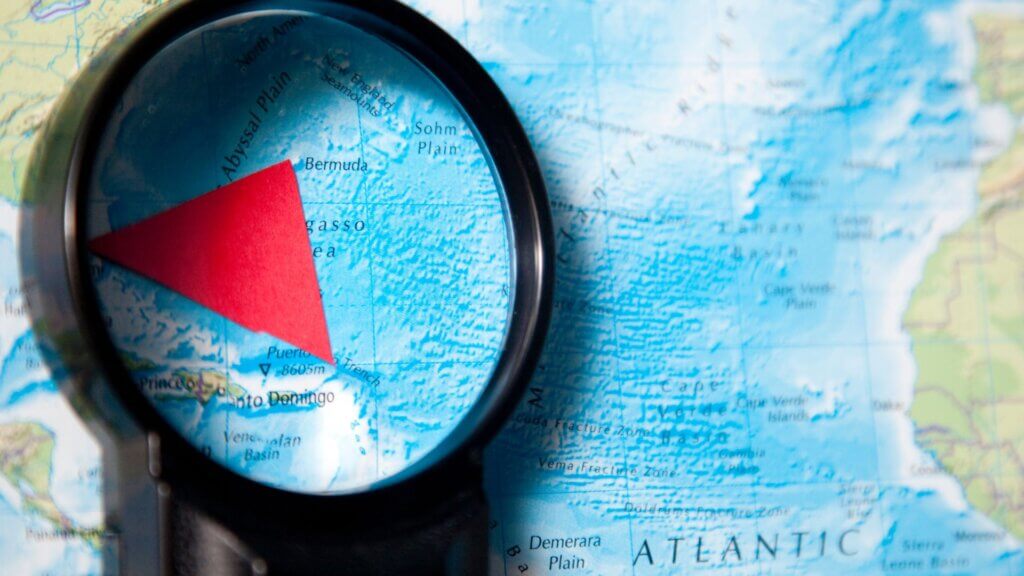
The Bermuda Triangle has fascinated and unsettled people for decades. Stretching between Florida, Bermuda, and Puerto Rico, this patch of ocean has been linked to unexplained disappearances of ships and planes, fueling theories about aliens, energy fields, and lost civilizations.
But Australian scientist Dr. Karl Kruszelnicki argues that the mystery is more myth than fact. While science offers straightforward explanations, the allure of the Bermuda Triangle continues to thrive in popular culture.
The Scientist Behind the Claim

Dr. Karl Kruszelnicki, a well-known Australian scientist and broadcaster, has become one of the most vocal debunkers of the Bermuda Triangle myth.
His claim isn’t based on speculation but on hard data and maritime records. By comparing disappearance rates in the Triangle to those of other busy sea routes, he concluded there’s nothing unusual about this region.
His stance challenges decades of sensational headlines that turned routine accidents into fuel for a supernatural legend.
The Power of Geography and Traffic
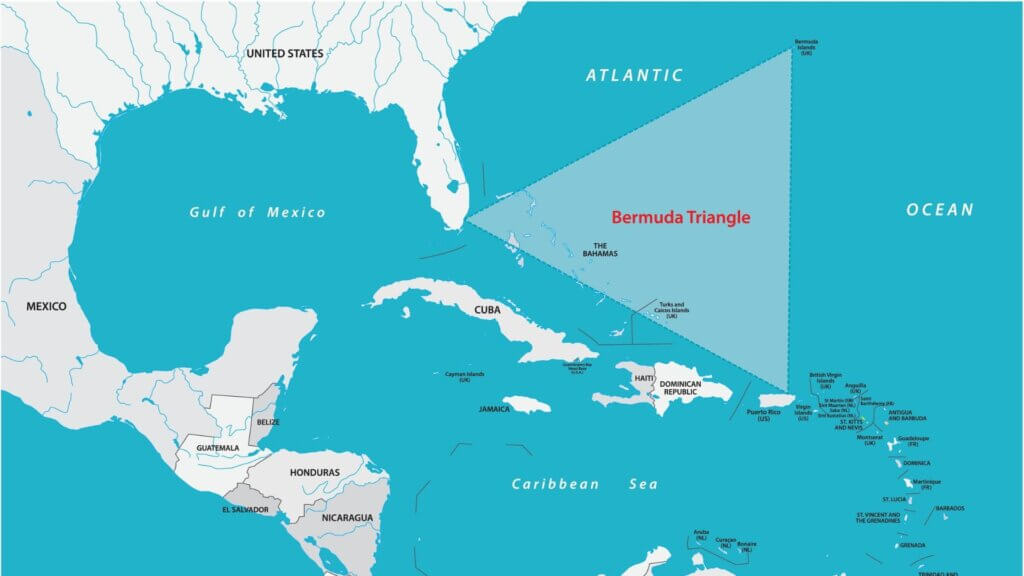
One of the most straightforward reasons the Bermuda Triangle sees so many incidents is geography. The region is one of the busiest maritime and aviation corridors in the world, with countless ships and planes passing through daily.
More traffic naturally means more accidents, especially in earlier decades when navigation tools were less advanced. The Triangle’s reputation, therefore, isn’t evidence of mystery but a statistical reflection of its heavy use.
Weather and Natural Hazards
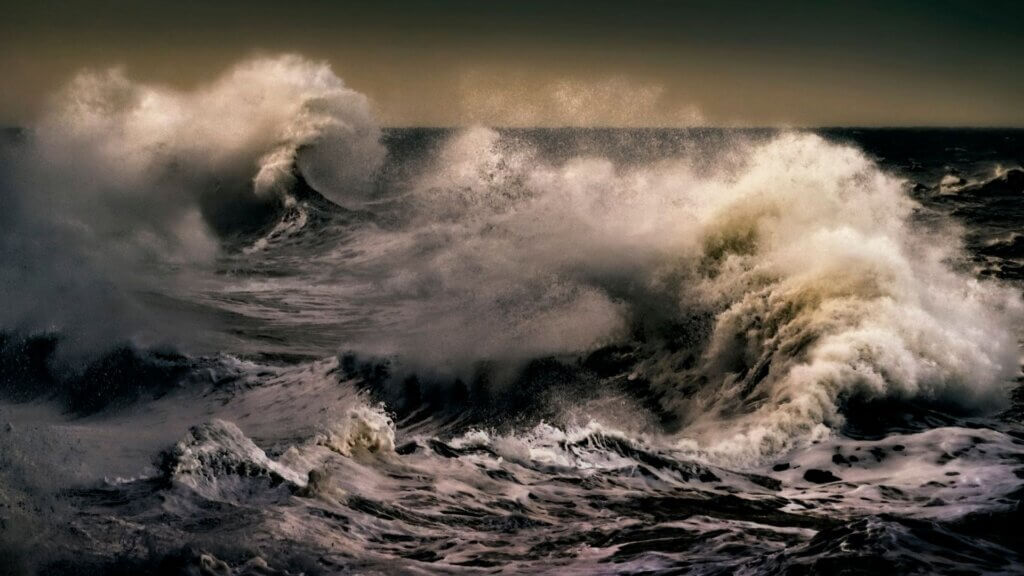
Beyond traffic, the Bermuda Triangle is known for its volatile weather. Sudden storms, powerful currents, and hurricanes can overwhelm ships and planes, especially older ones. The Gulf Stream, a fast-moving ocean current, can quickly disperse wreckage, making it seem as though vessels vanish without a trace.
These natural factors offer straightforward, scientific explanations for many so-called “mysteries,” though they rarely make for as exciting headlines as alien abductions or hidden vortexes.
Human Error Plays a Major Role
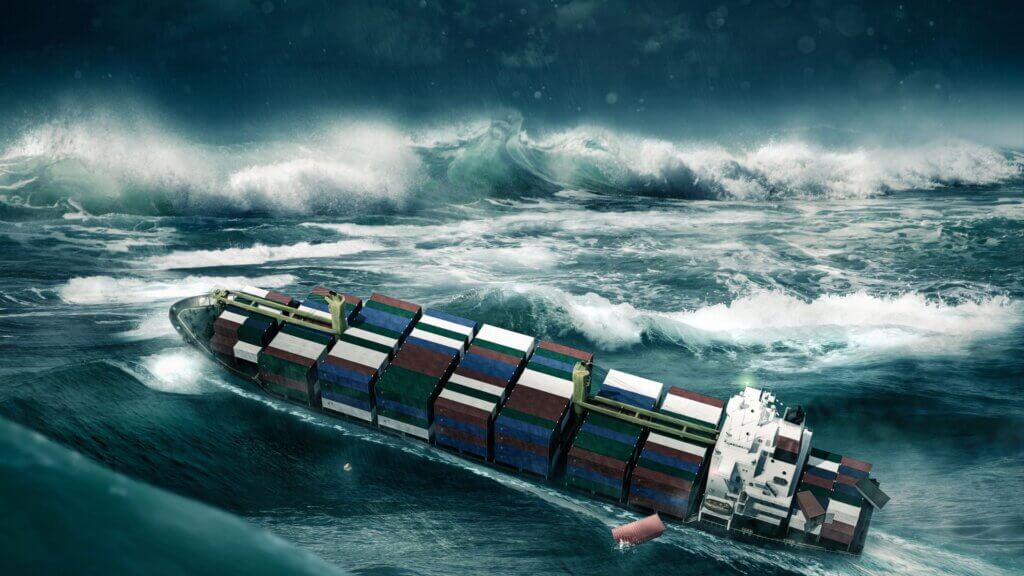
Kruszelnicki also emphasizes human error in the Triangle’s history. Pilots and captains often had limited training, faulty equipment, or poor communication when traveling through the area, particularly in the mid-20th century.
Famous cases like Flight 19, in which five U.S. Navy bombers vanished in 1945, are now thought to be the result of navigational mistakes compounded by bad weather. When viewed this way, the “mystery” aligns with common aviation and maritime risks.
Flight 19: The Case That Cemented the Myth

No discussion of the Bermuda Triangle is complete without Flight 19. The disappearance of these bombers during a training exercise remains the most cited example of the Triangle’s supposed curse. Yet records suggest the planes ran out of fuel after getting lost, a tragic but explainable outcome.
The case drew widespread media attention, helping cement the idea of the Triangle as a dangerous anomaly and fueling decades of speculation that science still struggles to dispel.
Media Sensationalism and Conspiracy Theories
The Bermuda Triangle’s fame owes much to media sensationalism. Vincent Gaddis’ 1964 magazine article coined the term “Bermuda Triangle,” and countless books and documentaries since have stoked intrigue.
From theories about Atlantis to alien abductions, sensational claims gained traction because they captured imaginations far more than meteorological charts or accident reports.
Once conspiracy theories entered pop culture, the Triangle transformed from a navigational hazard into a lasting myth.
Why People Love Unsolved Mysteries
Even with evidence stacked against the myth, the Bermuda Triangle thrives because people are drawn to the unexplained. The idea of a dangerous zone where logic fails is thrilling in a way science often isn’t.
Psychologists suggest that humans are naturally wired to seek patterns and stories, making the Triangle a perfect canvas for mystery. The legend endures not because of facts, but because of the sense of wonder it inspires.
Science vs. Cultural Belief

While the National Oceanic and Atmospheric Association (NOAA) and other scientific bodies have long dismissed the Bermuda Triangle as ordinary ocean space, cultural fascination persists. Dr. Kruszelnicki’s explanation may put the science to rest, but it doesn’t stop people from enjoying the legend.
Movies, novels, and folklore keep it alive, ensuring that each new generation encounters the “mystery.” In this way, the Bermuda Triangle exists less as a geographical danger and more as a cultural phenomenon.
Final Thoughts
The Bermuda Triangle may not be the supernatural hotspot it’s often portrayed to be, but its legend endures for reasons beyond science. Dr. Karl Kruszelnicki’s explanations provide clarity, yet they don’t capture imaginations the way tales of aliens and Atlantis do.
Ultimately, the infamous Triangle is less about vanishings and more about the stories we tell. And as long as mystery has an audience, the Bermuda Triangle will remain unsinkable in popular culture.