


Products are selected by our editors, we may earn commission from links on this page.

Tech workers have watched wave after wave of layoffs sweep through the industry, and now another major employer is tightening its ranks as new software tools reshape daily work. At Block, the company behind Square and Cash App, leadership now says a smaller workforce paired with artificial intelligence can handle the same responsibilities.
Block Announces 4,000 Job Cuts Across Workforce

At Block, the company behind Square, Cash App, and Afterpay, leadership has started cutting more than 4,000 positions, and the decision quickly pulls the workforce down to under 6,000 employees as executives say new intelligence tools allow smaller teams to handle work that once required a far larger staff.
Jack Dorsey Pushes Smaller Teams Powered by AI

Jack Dorsey now argues that artificial intelligence allows companies to operate with fewer employees, and he explains that internal tools already allow smaller teams to complete work that once required far larger departments, as those systems improve rapidly and expand what software can handle each week.
Tech Industry Layoffs Linked to Artificial Intelligence Growth

Across the technology sector, companies now cut staff as automation spreads through offices and software development, and that trend becomes clearer as firms such as Amazon, Meta, Microsoft, and Verizon reduce headcounts while investing heavily in artificial intelligence tools that promise greater output from smaller teams.
Pandemic Hiring Boom Now Reverses Across Tech Firms

Tech companies expanded payrolls quickly during the pandemic as online demand surged, and that expansion becomes clearer when Block’s workforce grew from 3,835 employees in 2019 to more than 10,000 before the recent layoffs, a pattern that many large technology firms now reverse as staffing levels move closer to earlier counts.
Severance Packages Offered to Affected Block Employees

As layoffs move forward, Block says employees leaving the company will receive severance of 20 weeks or more, depending on tenure, and that support continues with equity vesting through the end of May, along with six months of health coverage and an added $5,000 payment.
Block Stock Surges After Layoff Announcement

Investor reaction moved quickly after Block revealed the workforce reduction, and markets soon pushed the company’s share price sharply higher as trading lifted the stock by roughly 20 percent to 24 percent in the days following the announcement.
Cryptocurrency Exposure Adds Pressure on Block Finances

Block has spent years building deeper ties to cryptocurrency, and that direction becomes clearer through large bitcoin holdings that analysts estimate at nearly 8,500 BTC as market declines pull bitcoin down roughly 25 percent this year and push the company’s stock about 35 percent below its earlier peak.
Harvard Study Finds AI Often Increases Employee Workloads

Discussion about automation continues as research from Harvard examined a 200-person technology company, and results showed workers using AI tools often faced heavier output expectations as those systems pushed employees to produce more tasks rather than reducing daily workloads.
AI Reshapes Expectations for the Tech Workforce
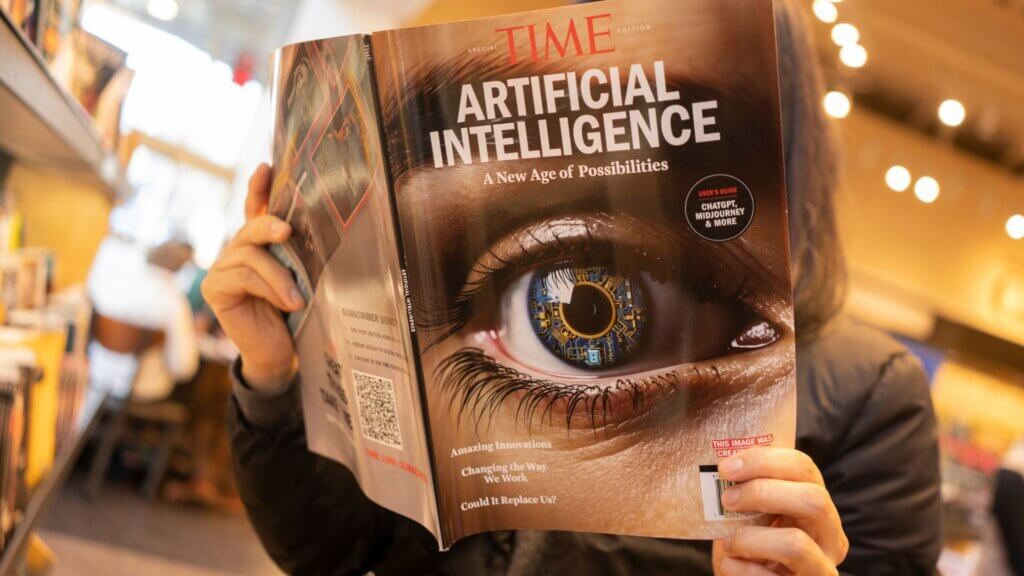
Artificial intelligence now sits at the center of how many technology companies plan their future workforce, so leaders continue reducing staff as automation expands across engineering and office tasks, which means remaining employees will likely face higher productivity targets as software systems take on more daily responsibilities.