

Products are selected by our editors, we may earn commission from links on this page.

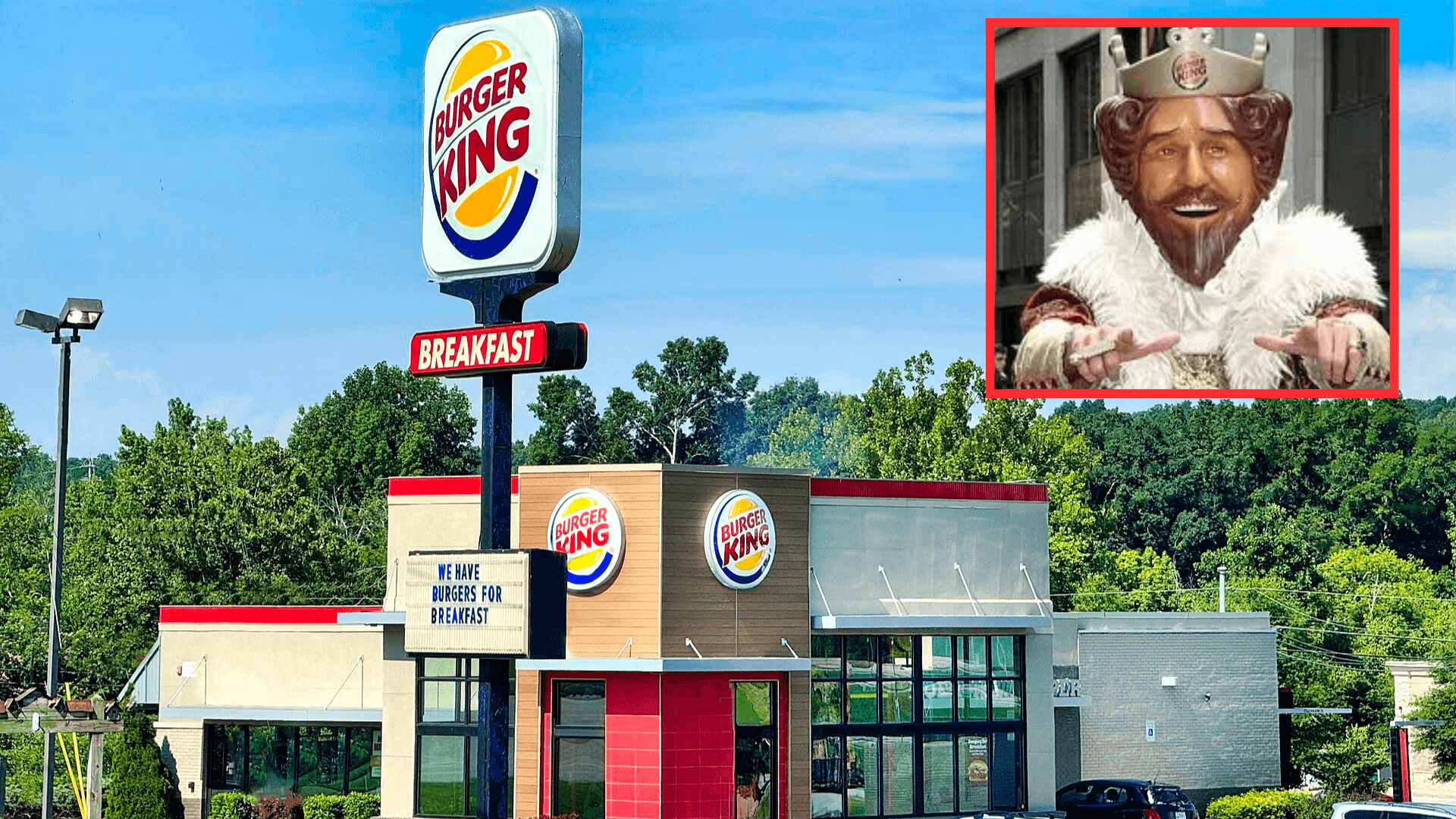
Burger King is finally saying goodbye to its controversial mascot: the “Creepy King”. The character which has been described as “uncanny” and “spooky” has earned criticism for driving families away. Now, the company is pivoting to a friendlier, more family-oriented face.
Mascot History
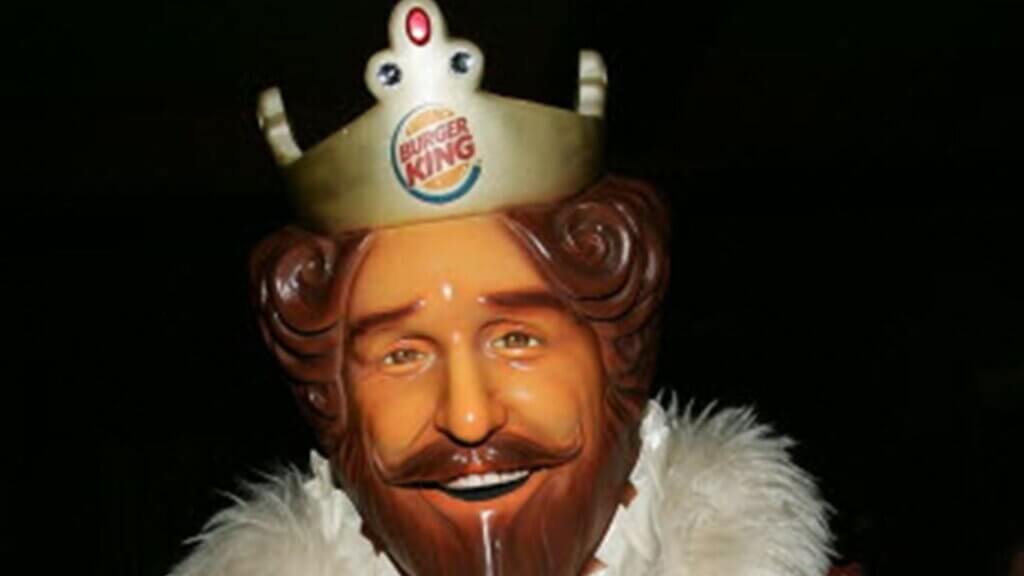
The Creepy King first came to life in the early 2000s under an ad campaign run by Crispin Porter + Bogusky. The mascot appeared in surreal, often bizarre commercials, lurking behind doors or popping up unannounced. While it gained meme status online, many viewers, especially parents and children, found the character off putting and even frightening.
Backlash From Families
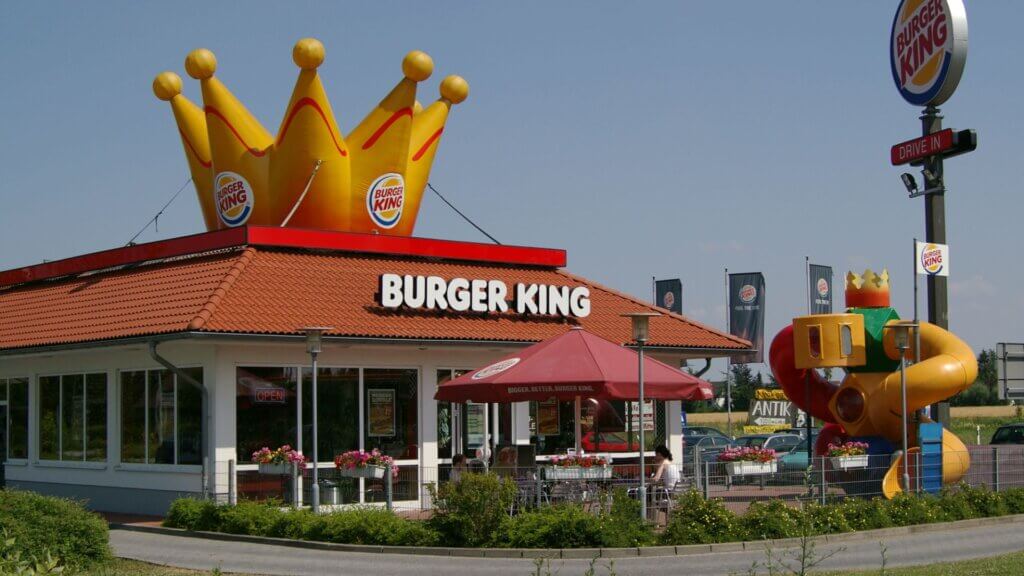
Burger King’s Chief Marketing Officer, Joel Yashinsky, recently acknowledged that the mascot “scared away” a key demographic: families with young children. He said the company learned that while the Internet embraced the “fever dream” face, real-world customers didn’t. In his words, the mascot had “limited appeal” and didn’t align with BK’s deeper mission to be a welcoming dining destination.
Reinventing the Brand
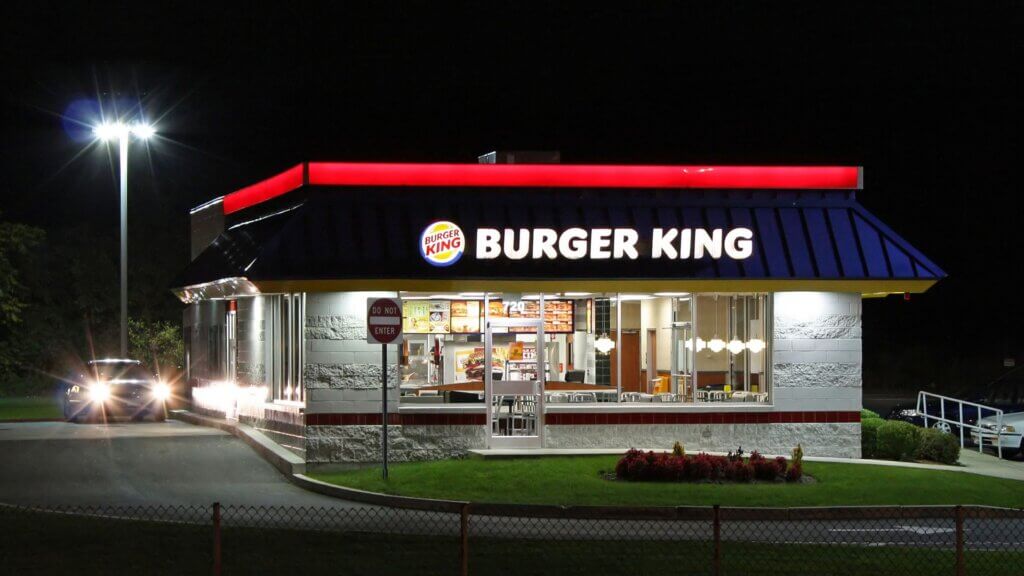
With the Creepy King out, Burger King is emphasizing its commitment to family values in order ot gain back favor with its target demographic. The fast food chain plans new in-store play areas with castle themes, tunnels, slides, and ball pits to make restaurants more kid friendly.
Impact and Strategy
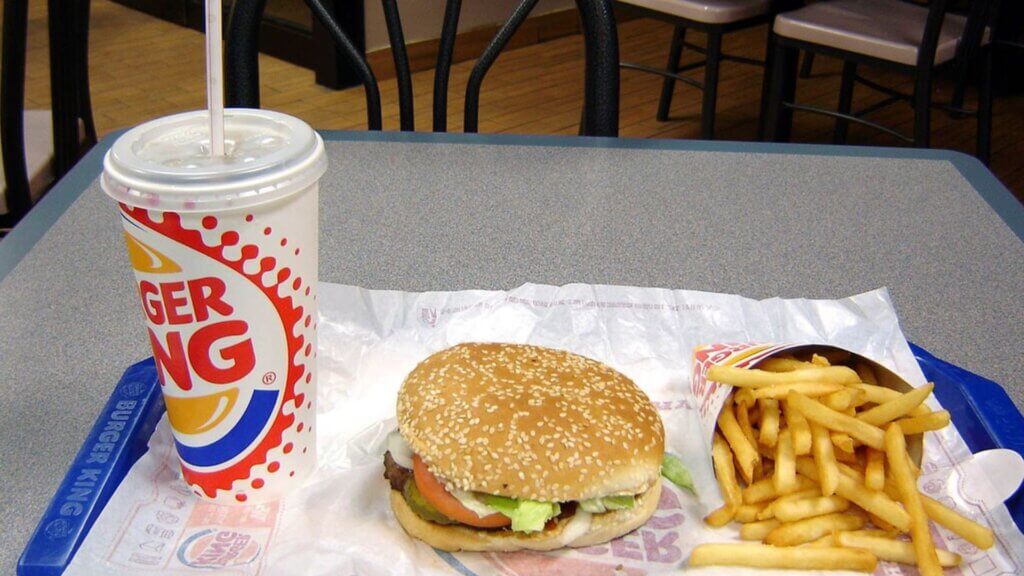
The marketing team is redesigning promotions, social media, and adverts to reflect a warm and welcoming environment. Essentially, Burger King wants its food, like the iconic Whopper, to take center stage instead of an unsettling mascot stealing the stage.
Revenue Decline

During the years the Creepy King appeared, Burger King lost traction in the family-friendly segment, especially compared to its largest competitor: McDonald’s. Some analysts believe the mascot truly contributed to decreasing foot traffic from households with kids.
Marketing Reflection
Removing the mascot is a lesson in how branding experiments can backfire if they misread audience sentiment. Viral campaigns may generate buzz, but they don’t always build loyal customers.
The Creepy King Live on Online
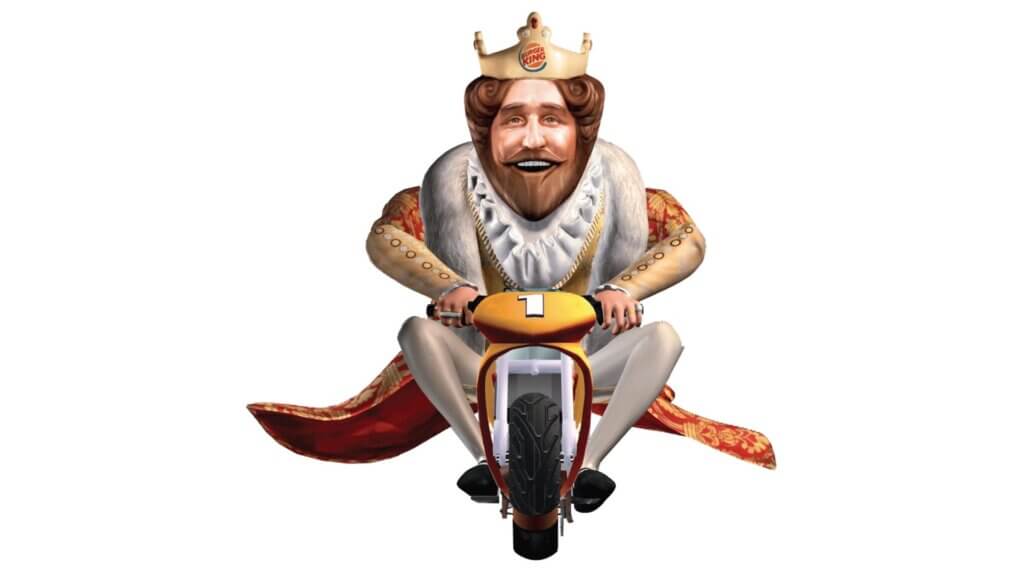
Even though the Creepy King is being retired, the mascot won’t easily vanish from internet lore. The character became a cultural meme, popping up on forums, in videos, and in playful spoofs.
Reception and Expectations

Customers are already reacting to BK’s choice. Many applaud the move, expressing relief that BK is choosing a more family-friendly path. Some warn that it will take time to shed the lingering creepiness in public perception.
Conclusion
By ditching the Creepy King, Burger King is not only making a bold pivot in their marketing strategy, but they are signaling that they hear their customer base and react. As BK reshapes its image, the real test will be whether families return and stay.