

Products are selected by our editors, we may earn commission from links on this page.
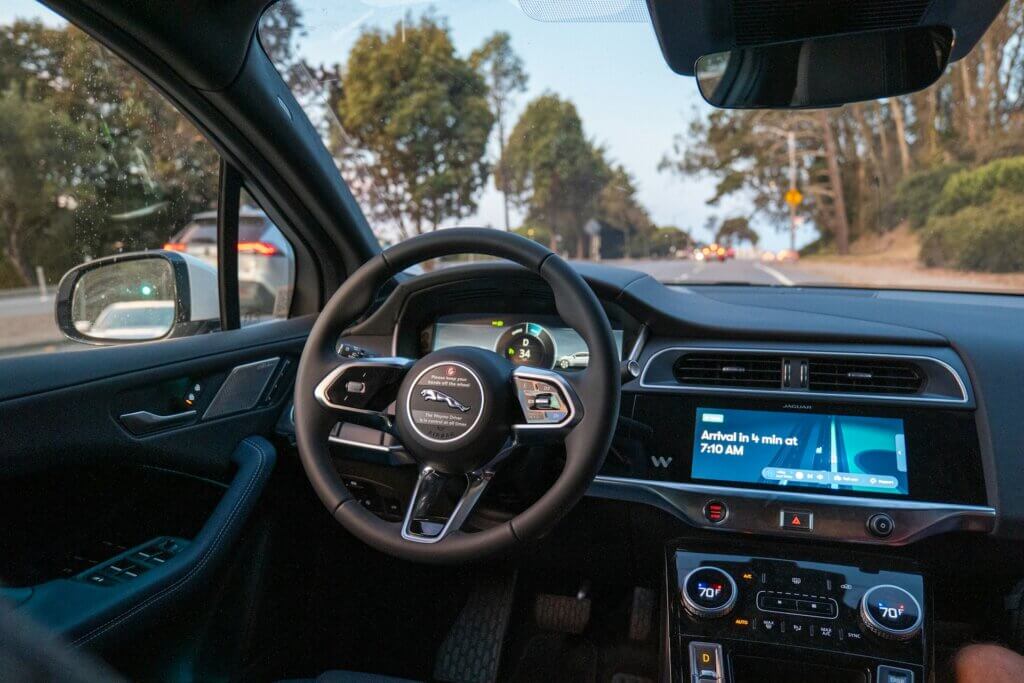
In San Bruno, California, a routine DUI patrol turned into a viral moment when police pulled over a Waymo driverless car for making an illegal U-turn. With no human inside to cite, officers admitted their citation books had “no box for robot.” The incident revealed the challenges of policing autonomous vehicles.
The Incident

During a late-night checkpoint, officers saw a Waymo robotaxi commit a prohibited U-turn. The vehicle stopped automatically when the lights flashed, but there was no driver to hold accountable. Instead, police connected with a Waymo representative by phone. It underscored the awkward truth: enforcement tools still assume a human behind the wheel.
DUI Enforced With a Twist
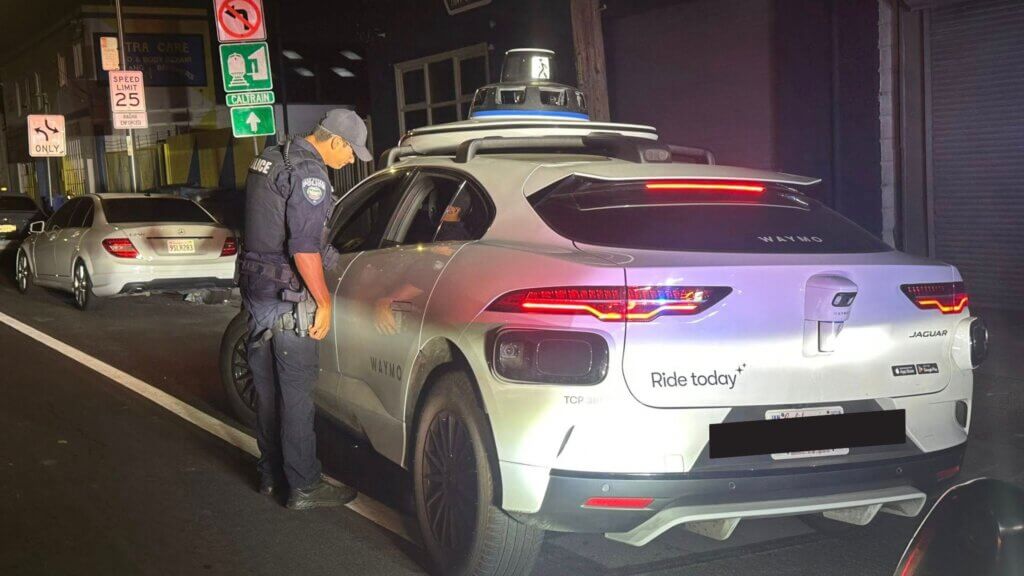
On Facebook, San Bruno Police joked: “Our citation books don’t have a box for ‘robot.’ That’s right… no driver, no hands, no clue.” The post included photos of officers inspecting the driverless car, which quickly spread online. The humor struck a chord, turning a routine traffic stop into a viral talking point.
Public Comments

The post drew hundreds of comments. One joked, “[I’ll] identify as a robot when I get pulled over.” Others said they’d “hide in the trunk next time.” Some demanded the car be impounded, while defenders argued Waymo likely drives better than many humans.
Waymo’s Response
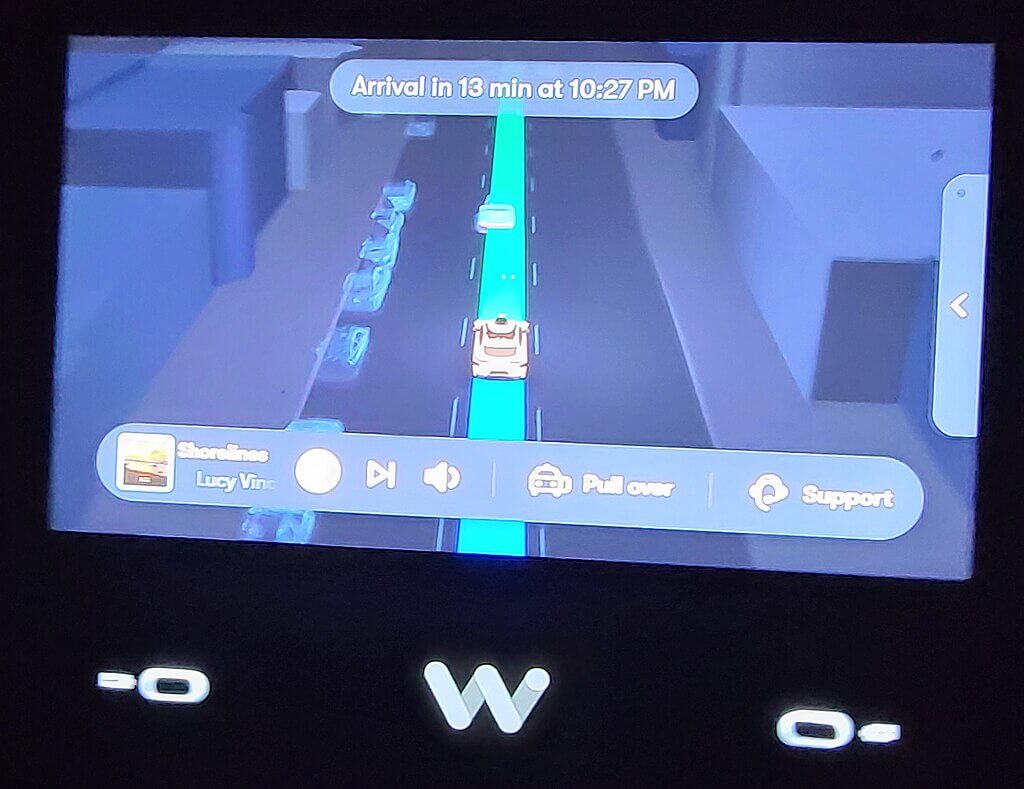
When contacted by the authorities, Waymo said the illegal turn was caused by a software “glitch” and that its system is closely monitored by regulators. A spokesperson stressed the company learns from each incident to improve programming. For Waymo, transparency is key as public trust in self-driving technology remains fragile.
The Legal Gap
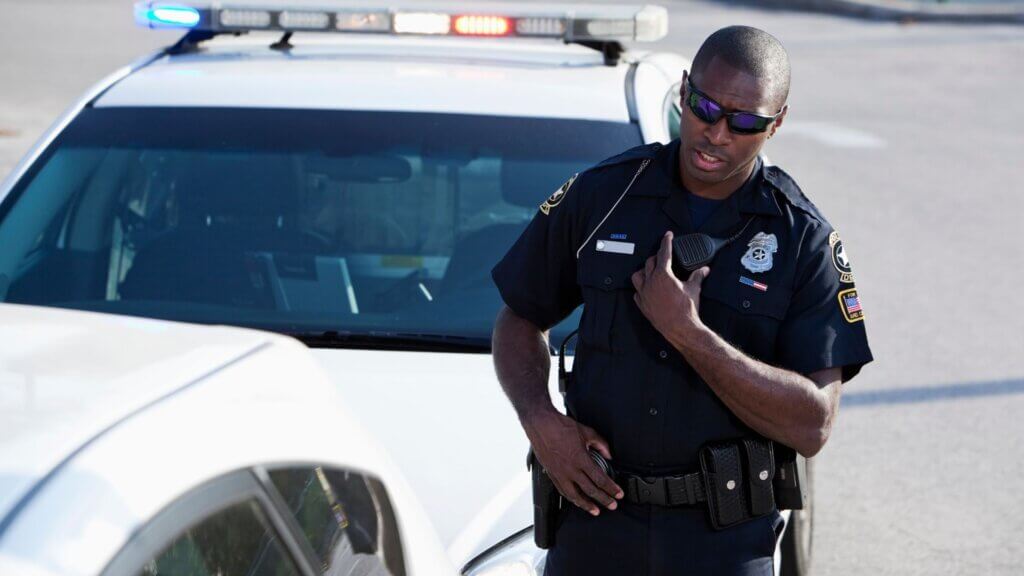
Under current California law, officers can only issue moving violations to human drivers. Parking tickets can be left on a vehicle, but there’s no framework for citing a driverless car. That left San Bruno police with no option other than contacting the company and hoping for fixes.
New Legislation Coming
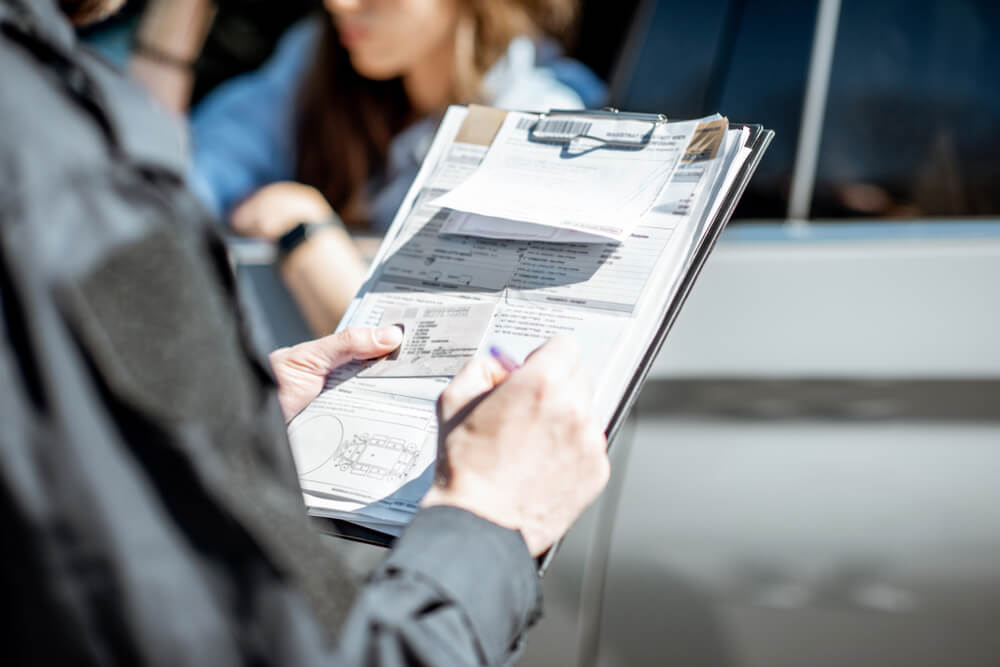
Lawmakers anticipated this gap. Assembly Bill 1777, signed in 2024, allows police to issue official “notices of noncompliance” directly to manufacturers. Starting July 1, 2026, self-driving car companies, not absent drivers, will face penalties for traffic violations. It’s a landmark shift in accountability.
Added Safety Measures
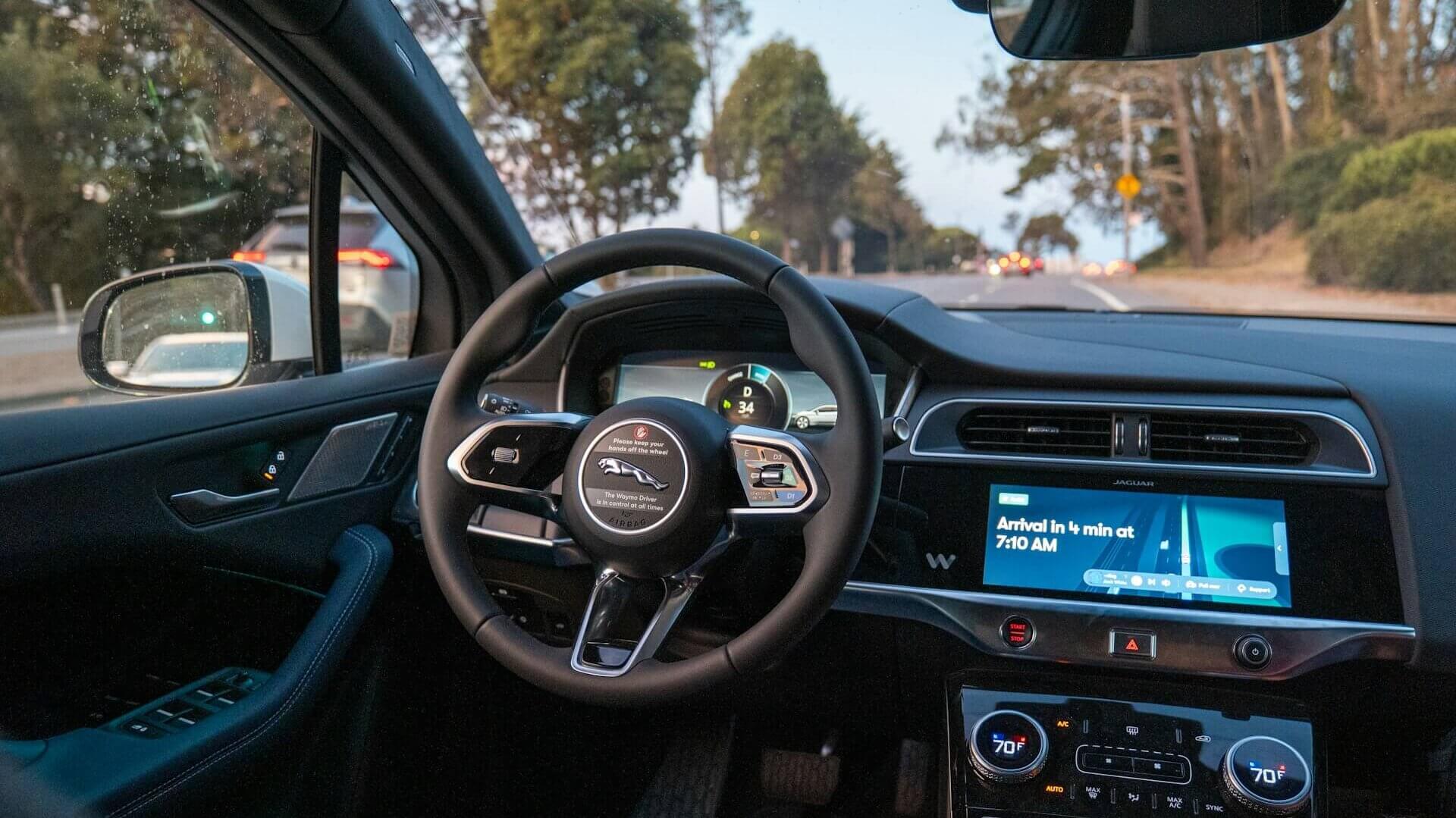
The new law also requires autonomous vehicles to include a dedicated emergency response phone line and a two-way communication device. These tools will allow officers to reach a human operator immediately when problems arise, ensuring clearer communication and more effective policing in future encounters.
Broader Safety Concerns
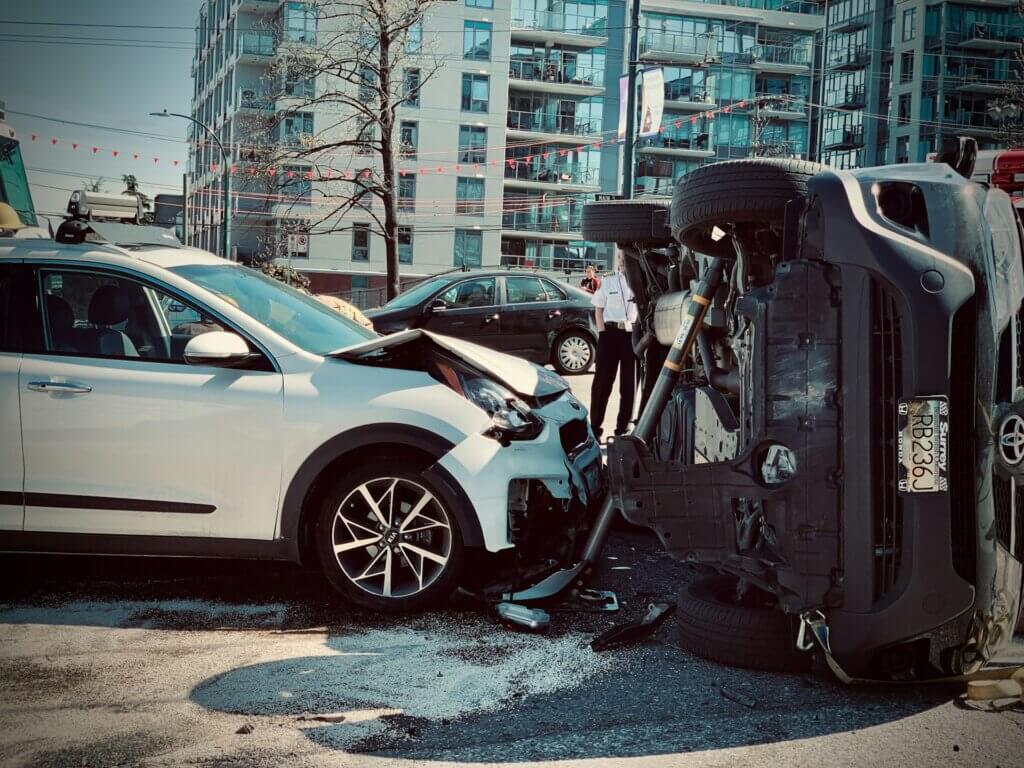
The Waymo incident isn’t isolated. In San Francisco, autonomous vehicles have blocked intersections, wandered into crime scenes, and even dragged a pedestrian. Such events have raised alarms for first responders, adding urgency to calls for stricter oversight of robotaxis operating on public streets.
Policing the Future

The San Bruno stop may have sparked laughter online, but it highlights serious questions about law, safety, and accountability. Who takes the blame when a driverless car breaks the law — the company, the software, or no one? As California prepares new rules, this viral moment shows policing must evolve as quickly as technology.