

Products are selected by our editors, we may earn commission from links on this page.
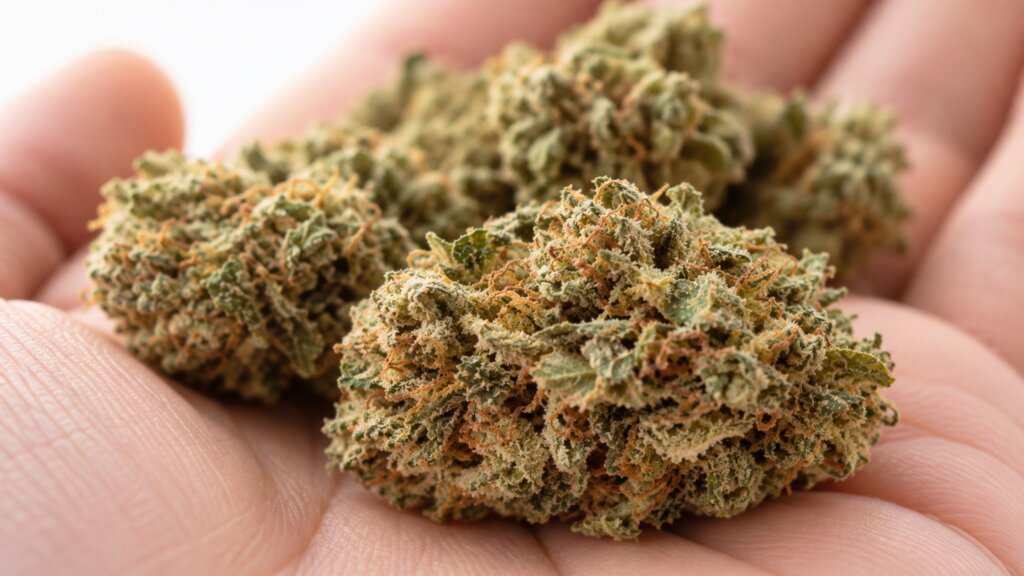
Nearly 1 in 14 Americans over 65 used cannabis in the past month as of 2023, up from under 5 percent just two years earlier, according to NYU School of Global Public Health research. Compare that to under 1 percent in 2006. As baby boomers who grew up around the drug reach retirement age, researchers are only now getting enough data to answer a question that matters more with every passing year: what is cannabis actually doing to an aging brain?
This article was created with the assistance of AI and reviewed by our editorial team for accuracy and clarity.
A 1,000-Person Brain Scan Study Just Exposed a Memory Problem
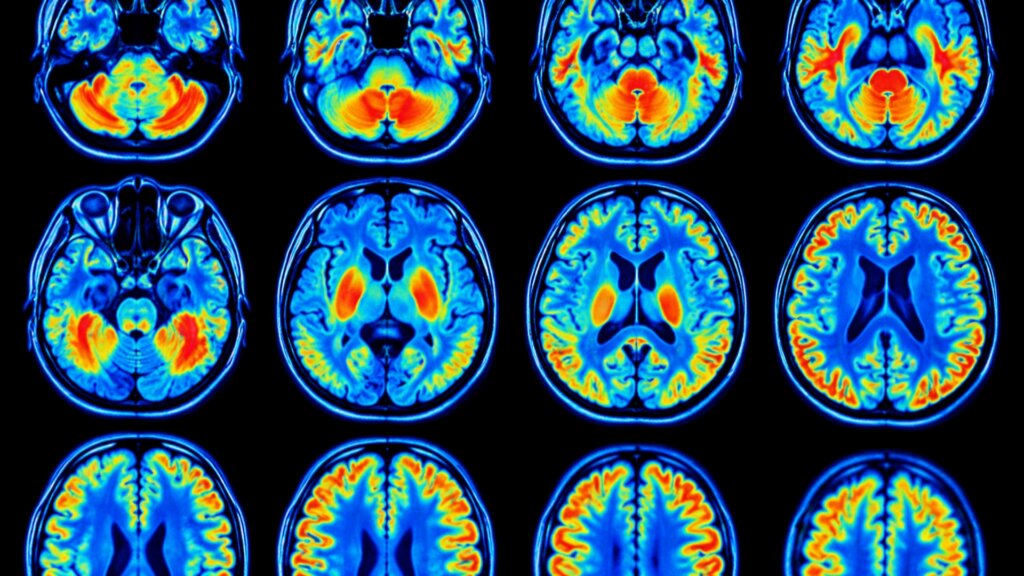
In January 2025, University of Colorado Anschutz researchers published the largest brain-imaging study of its kind in JAMA Network Open. Scanning more than 1,000 adults ages 22 to 36, they found that 63 percent of heavy lifetime users and 68 percent of recent users showed reduced brain activity during a working memory task, the kind of short-term recall used for following directions or holding a phone number in mind.
The Memory Deficit Didn’t Disappear When the High Wore Off
The unsettling part wasn’t that intoxicated users struggled. It was what happened after researchers excluded anyone who had used cannabis recently. Heavy lifetime users still showed weaker brain activity during the memory task, according to findings reported by PsyPost. Joseph Schacht, associate professor of psychiatry at the University of Colorado School of Medicine, said consistent users tend to carry lasting memory deficits compared with people who never used the drug at all.
Starting as a Teenager Rewires the Brain’s Wiring Itself
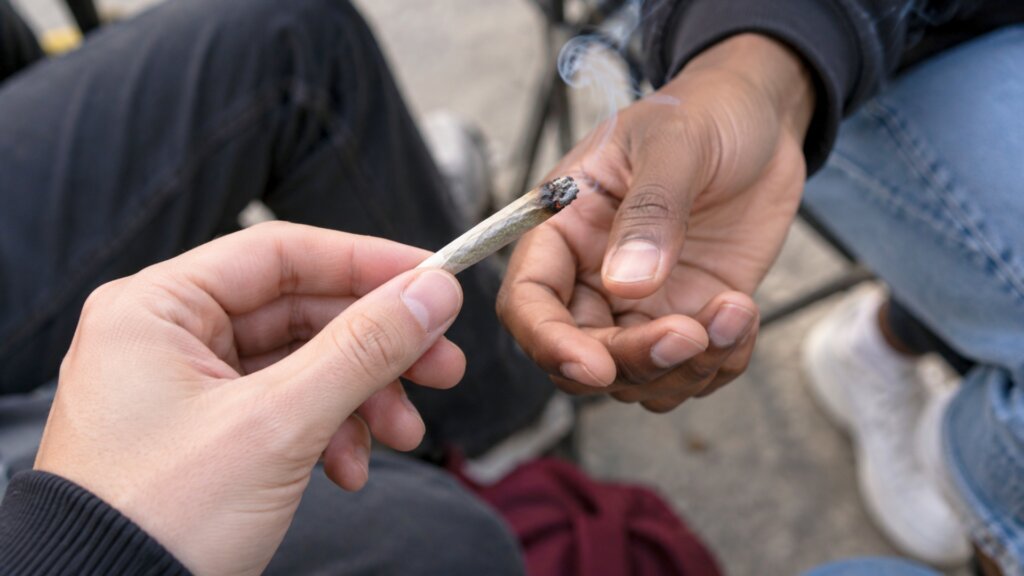
Age of first use turns out to matter enormously. Long-term cannabis use is tied to changes in brain volume, and the effect is strongest in people who started as teenagers, while the brain was still developing. Researchers have documented altered white matter, the tissue that connects different brain regions, in people who began using before age 16, according to Staci Gruber, director of Marijuana Investigations for Neuroscientific Discovery at McLean Hospital. Younger starters showed more trouble with impulse control.
One Brain Region Shrinks No Matter When Someone Started
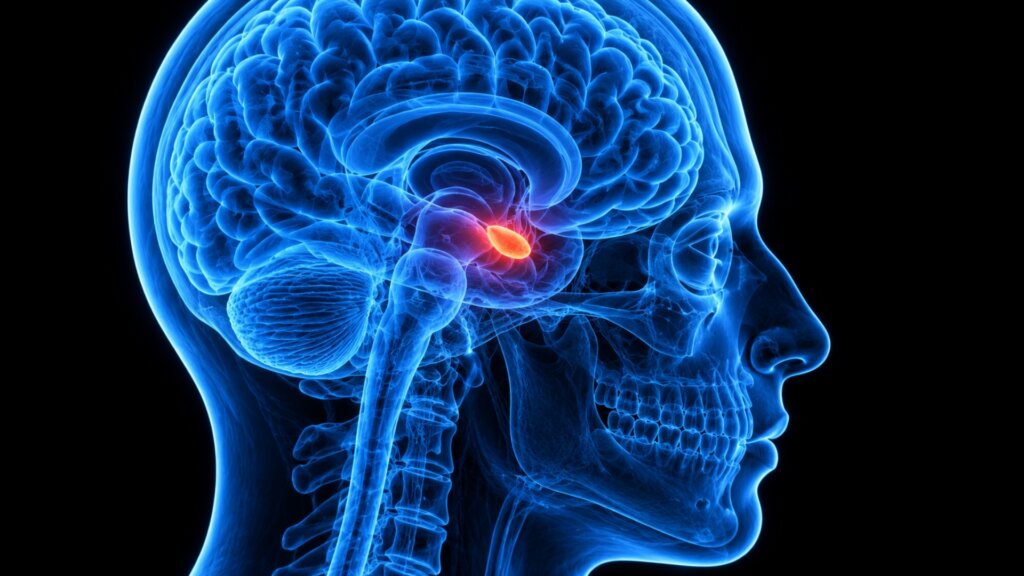
A 2026 meta-analysis pooling 77 separate studies, published in the journal Addiction, found cannabis use linked to reduced volume in the amygdala, the brain’s emotion-processing hub. Notably, this analysis didn’t sort users by the age they started. On paper, it read like more bad news for anyone reaching for an edible in retirement. But a separate, far larger study was about to turn that expectation on its head entirely.
Then a 500,000-Person UK Study Found the Opposite Effect
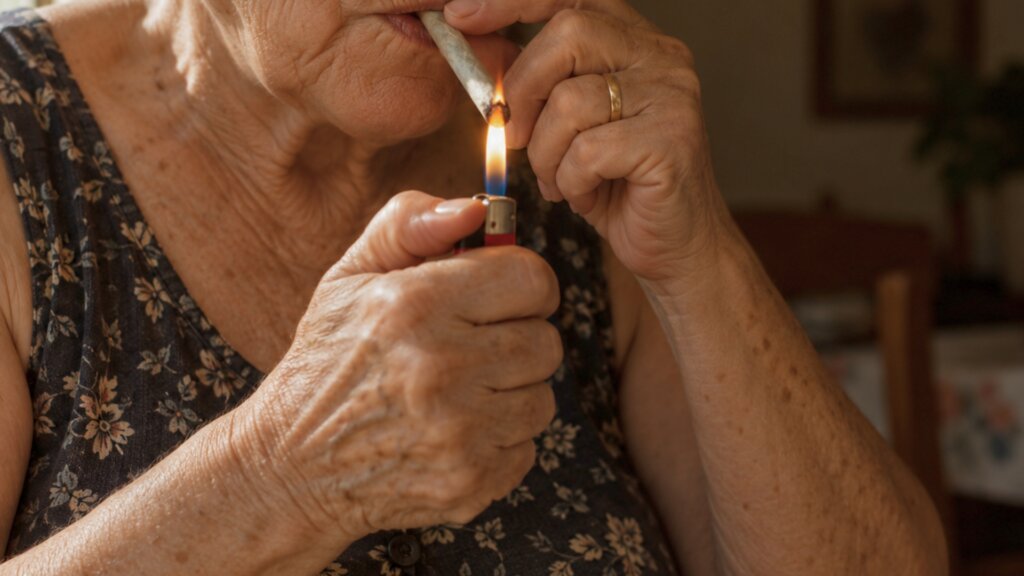
Researchers analyzing UK Biobank data on more than 500,000 adults ages 40 to 70 found that lifetime cannabis use was tied to larger, not smaller, brain volume in regions dense with cannabinoid receptors, including the hippocampus, amygdala, caudate and putamen, according to a study published in the Journal of Studies on Alcohol and Drugs. The effect held even among people whose only exposure was decades earlier, as teenagers.
Researchers Call It a Possible “Neuroprotective” Effect of Aging
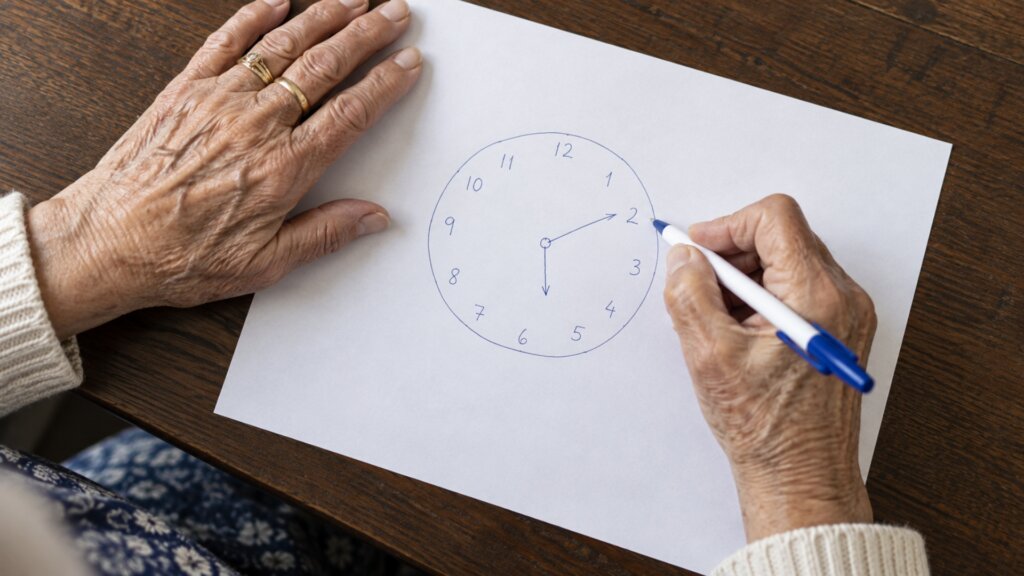
Users in that UK Biobank study also outperformed non-users on tests of learning, processing speed and short-term memory, according to an Epocrates clinical summary of the findings. Brain atrophy is a normal part of aging and is linked to cognitive decline, so the study’s authors floated a theory: cannabinoid receptor activity might help protect aging brain tissue from that natural shrinkage. It may help explain why cannabis use isn’t tied to higher dementia risk.
The Mental Health Picture Is Far Less Settled Than the Brain Scans

A review in Lancet Psychiatry found no clear help or harm from isolated cannabis compounds for anxiety or PTSD, and not enough data to draw conclusions about depression or bipolar disorder. Gruber cautioned that testing THC or CBD alone doesn’t capture how the whole plant behaves. Schacht added that people who use cannabis to mask anxiety or depression without treating the underlying cause often find the strategy backfires over the long run.
Roughly a Quarter of Users Develop a Genuine Use Disorder

Between 22 and 30 percent of cannabis users develop cannabis use disorder, and the risk climbs sharply for people who start young and use frequently. Compounding the uncertainty, cannabis remains a Schedule I substance federally, which the Drug Enforcement Administration defines as having no accepted medical use and high abuse potential. That classification restricts laboratory research, according to Schacht, leaving basic questions about dosing and delivery method still largely unanswered.
The Real Answer Depends Entirely on When Someone Started

The aging brain research doesn’t offer one verdict on cannabis. It offers two, split by timing. Starting young appears to carry lasting risks to memory and brain structure. Starting later in life, after the brain finishes developing, is emerging as a very different story, one researchers are now calling potentially protective. Anyone weighing cannabis for age-related concerns has a reason to bring the question directly to a doctor rather than to internet folklore.