

Products are selected by our editors, we may earn commission from links on this page.
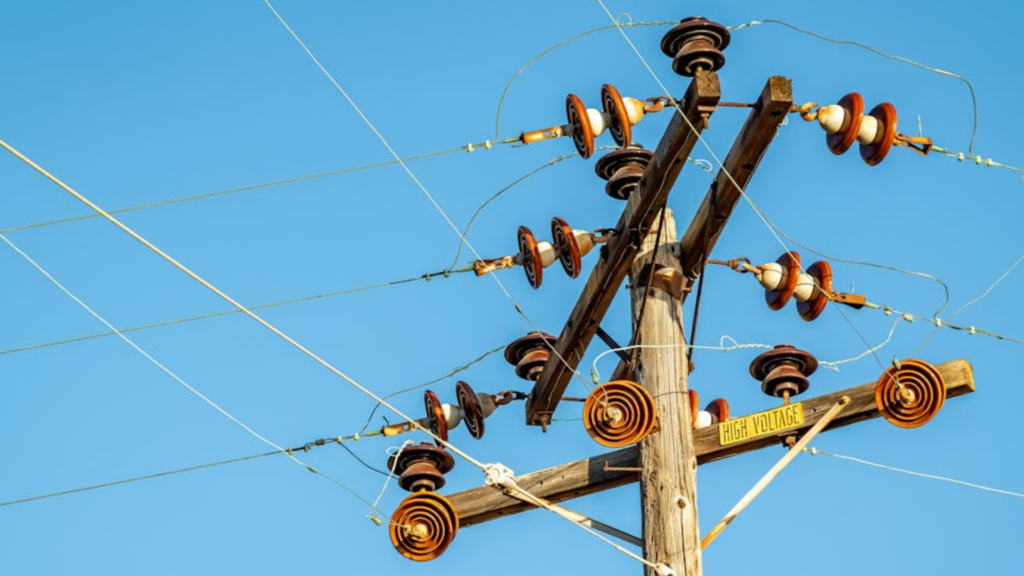
Electric customers across the Chicago area are preparing for a sharp increase in monthly utility bills, with ComEd warning that rates will rise by at least 12% beginning this summer. Energy experts say one major reason behind the increase is the explosive growth of AI-powered data centers, which are consuming enormous amounts of electricity and putting additional strain on the regional power grid. As artificial intelligence expands rapidly, many residents are now asking whether everyday consumers are being forced to subsidize the energy demands of the tech industry.
How Much More Customers Could Pay
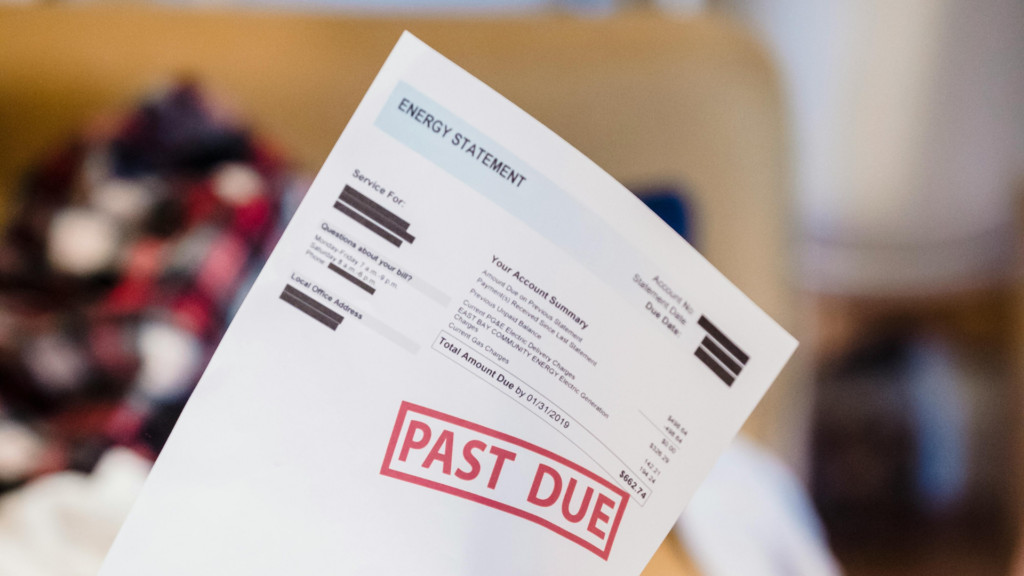
According to ComEd, the average residential electric bill in northern Illinois is expected to rise from about $107 per month to at least $120 beginning in June 2026. Officials say the increase is tied partly to expiring consumer credits, but a significant portion is also being driven by surging electricity demand connected to data centers and AI infrastructure.
AI Data Centers Are Consuming Massive Amounts of Power
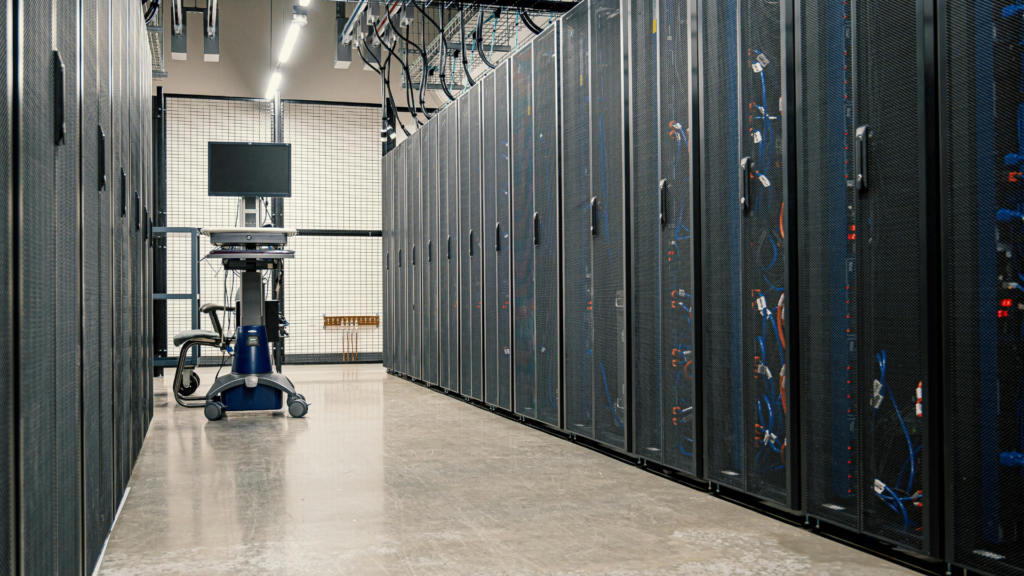
AI data centers require enormous amounts of electricity because they rely on energy-intensive hardware like GPUs to train and run artificial intelligence models. Industry analysts say modern AI server racks can consume several times more power than traditional data centers, and demand is growing rapidly as companies race to expand AI capabilities.
Northern Illinois Has Become a Major Data Center Hub
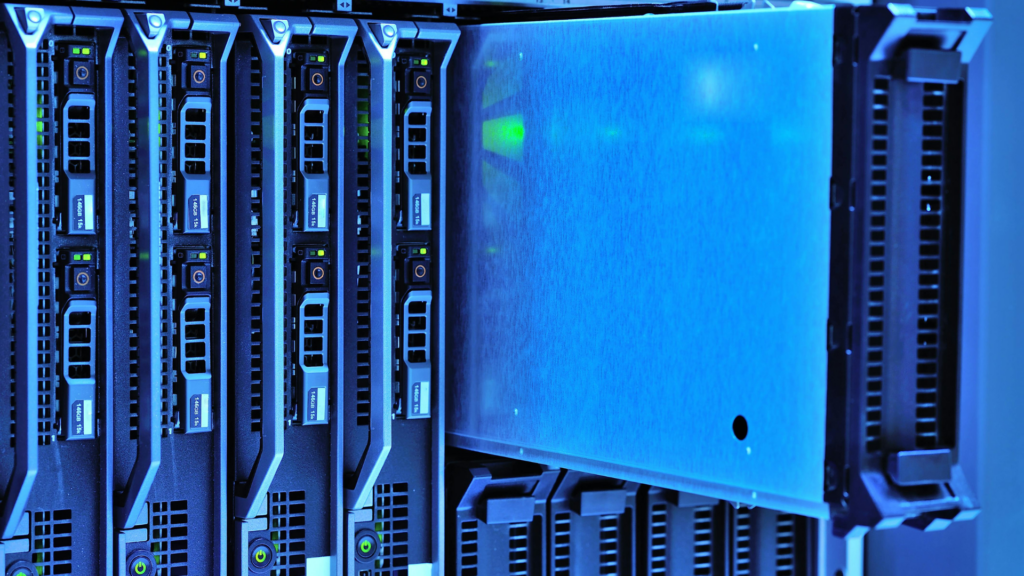
ComEd says northern Illinois already has more than 80 operational data centers, with roughly 75 additional large projects proposed or under development. The utility warned in regulatory filings that the projected electricity demand from some planned facilities could exceed the amount of power currently being generated in the region.
PJM Power Market Prices Are Surging

The Chicago region is part of the PJM Interconnection, the largest electricity grid operator in the United States, serving about 67 million customers across multiple states. PJM officials and independent energy monitors say rising data center demand has caused electricity capacity prices to surge dramatically in recent years, contributing directly to higher consumer bills.
Some Experts Say Consumers Are Paying for Big Tech’s Expansion
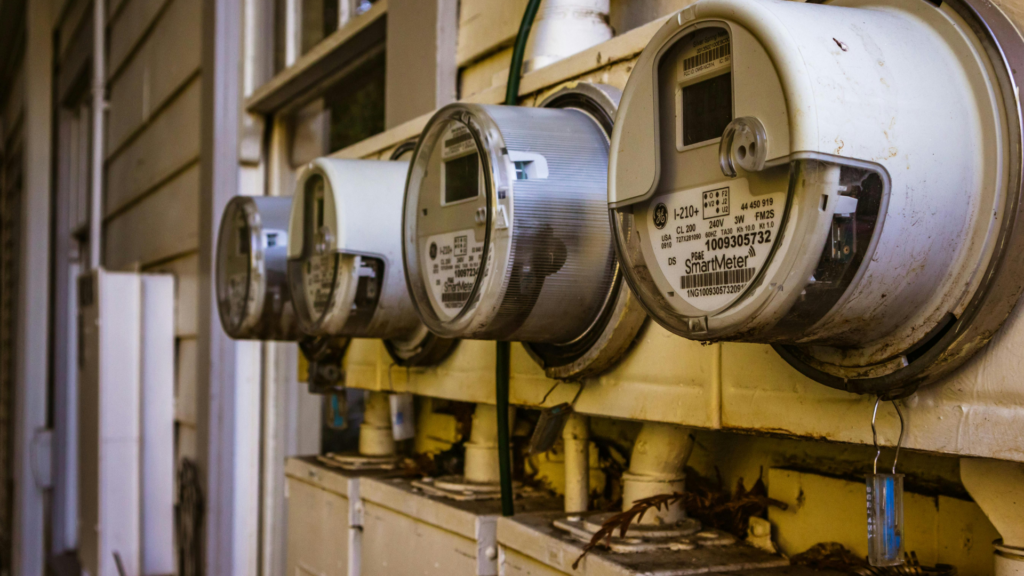
Critics argue that ordinary households are unfairly absorbing the costs of infrastructure needed to support AI growth. Reports from energy analysts and consumer advocates suggest billions of dollars in grid expansion costs tied to data centers are being spread across utility customers instead of being paid directly by technology companies.
Power Supply Is Struggling to Keep Up
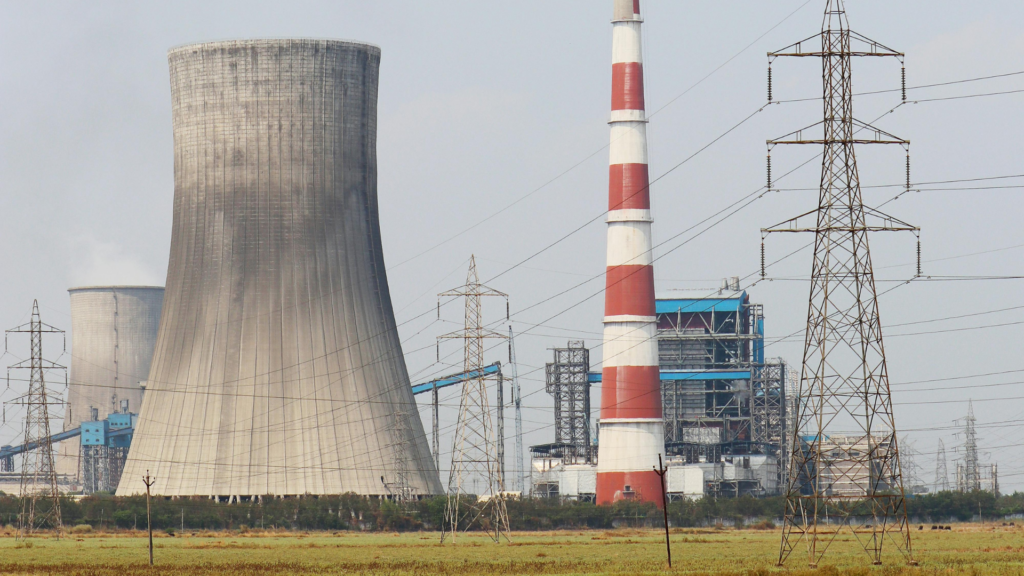
Another major issue is that electricity demand is rising faster than new energy generation is being built. Older coal plants continue shutting down across the Midwest, while renewable energy projects and transmission upgrades have not expanded quickly enough to meet the rapidly increasing demand from AI infrastructure and electrification.
Environmental Concerns Are Also Growing
Beyond rising electric bills, environmental advocates warn that large AI data centers also require enormous amounts of water for cooling and can increase greenhouse gas emissions if new power demand is met with fossil fuel generation. Some researchers say the rapid growth of AI infrastructure could complicate long-term climate and clean energy goals.
Lawmakers Are Pushing for More Oversight
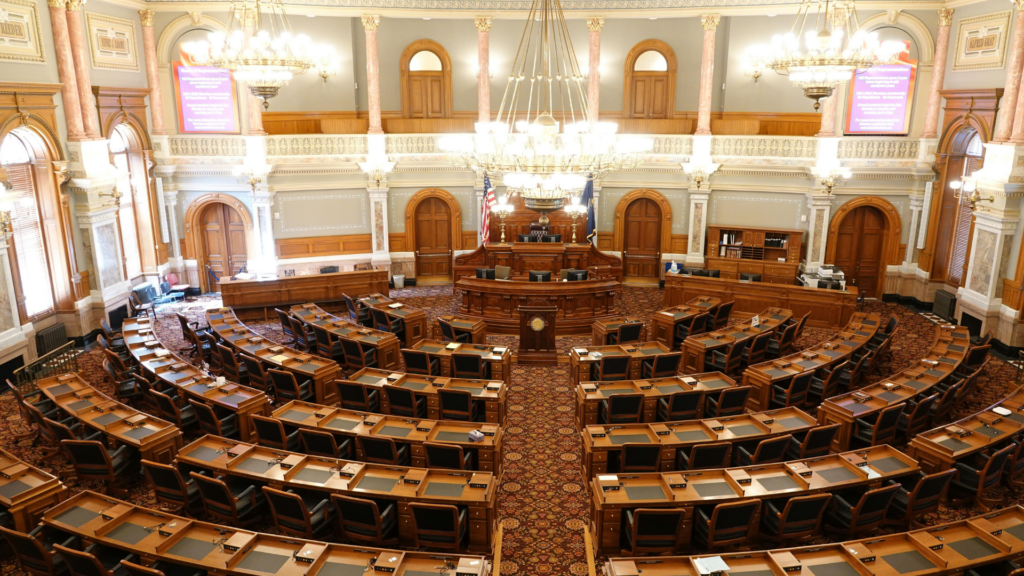
Illinois lawmakers are now considering legislation aimed at increasing transparency around data center expansion and its impact on power, water, and infrastructure resources. Some advocates want stricter rules requiring tech companies to fund their own energy infrastructure rather than relying on broader utility rate increases passed onto consumers.
The Debate Over AI’s Energy Future Is Just Beginning
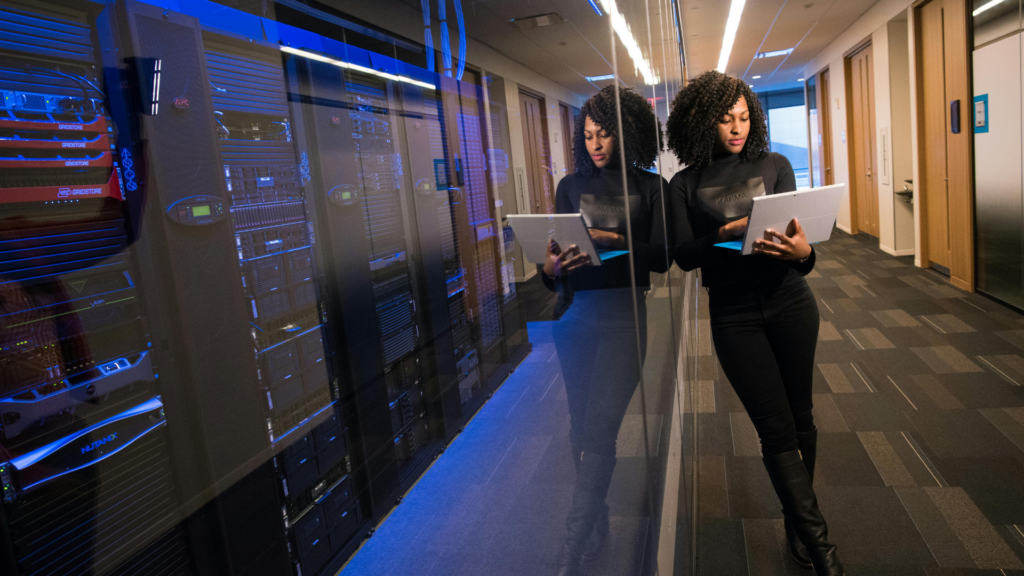
As AI technology continues expanding, experts say the conflict between innovation and energy affordability will likely intensify. Utilities, regulators, and lawmakers are now grappling with how to support economic growth from AI while protecting households from rising costs. For many Chicago-area residents, the coming bill increases may be one of the first visible signs of how artificial intelligence is reshaping not just technology, but everyday life and utility costs as well.