

Products are selected by our editors, we may earn commission from links on this page.
A rumor circulated online in early January 2026 claiming Earth would experience a seven-second gravity loss on Aug. 12, 2026. Posts alleged that a leaked NASA document called “Project Anchor” revealed the agency had been secretly preparing for the event with an $89 billion budget. The warning spread across Instagram, TikTok, Facebook, Reddit, Threads, Bluesky, X, and 4chan, with users copying and pasting identical text that described catastrophic consequences, including 40 million deaths.
Instagram user @mr_danya_of posted the claim on Dec. 31, 2025, with a video showing a man sitting in a car. Text overlaid on the footage stated, “On August 12, 2026, the world will lose gravity for 7 seconds. NASA knows. They’re preparing but won’t tell us why.” The accompanying caption outlined what would supposedly happen at 14:33 UTC, describing how unsecured objects and people would float upward before crashing down when gravity returned.
The posts outlined a specific sequence during the alleged anomaly. According to the claim, everything not secured would begin rising within the first two seconds, continue ascending during seconds three and four, cause panic as people struck ceilings during seconds five and six, then fall from heights when gravity suddenly returned at seven seconds. The text attributed the phenomenon to intersecting gravitational waves from black holes, allegedly predicted in 2019 with 94.7% probability.
NASA Confirms No Scientific Basis for Gravity Loss Event
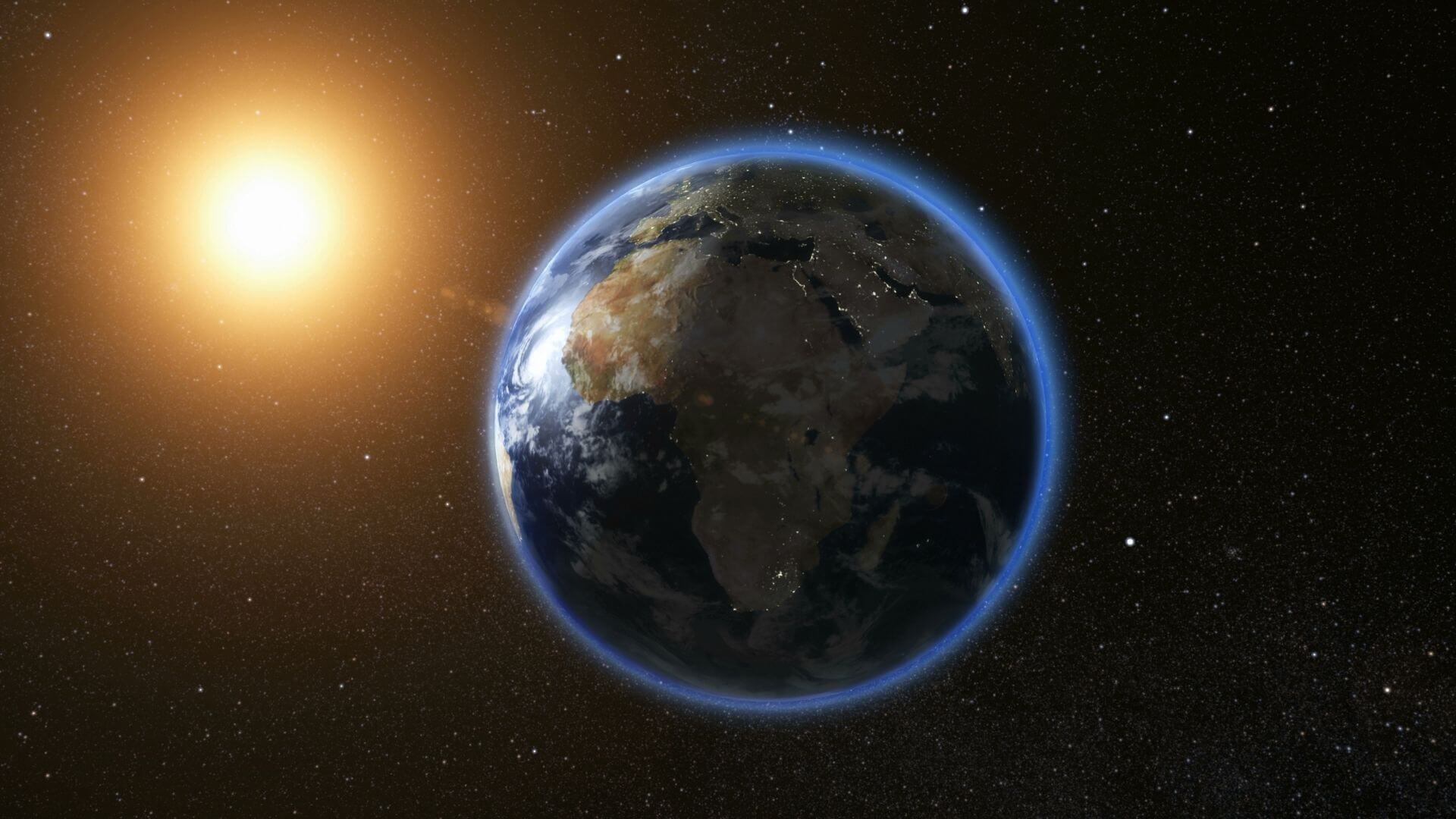
Fact-checking website Snopes rated the claim as false after investigating its origins and validity. A NASA spokesperson responded via email, stating Earth will not lose gravity on Aug. 12, 2026. The spokesperson explained that Earth’s gravity depends entirely on the planet’s mass, which includes its core, mantle, crust, ocean, terrestrial water, and atmosphere. The only way Earth could lose gravity would require the planet itself to lose mass, the spokesperson said.
NASA’s website confirms Aug. 12, 2026, as the date of an actual total solar eclipse. The NASA spokesperson clarified that while the Sun and Moon exert gravitational attraction on Earth, this force affects tidal patterns rather than the planet’s own gravitational field. A total solar eclipse has no unusual impact on Earth’s gravity, the spokesperson said. Scientists can predict these tidal forces decades in advance, and they follow well-understood patterns, according to the NASA statement.
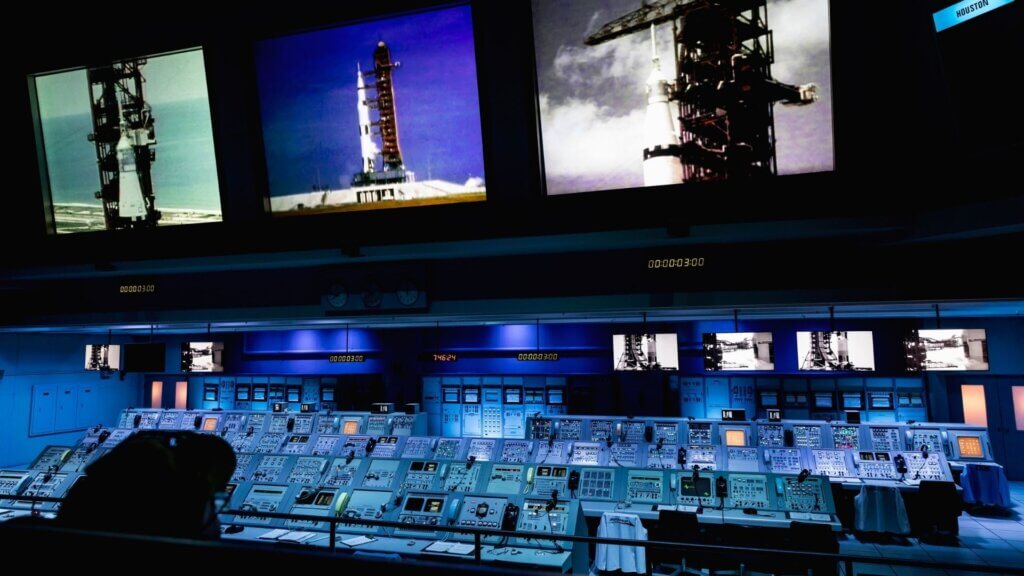
Searches across Bing, DuckDuckGo, Google, and Yahoo produced no reputable results for a leaked Project Anchor document from November 2024 or any later period. Additional searches on Facebook throughout 2024 and 2025, as well as on X, found no discussions of Project Anchor before the rumor emerged in late December 2025. The complete absence of any verifiable documentation contradicted the claim about a massive government program that would have required extensive planning and resources.
The Rumor Originated from an Account Posting Fictional Stories

The Dec. 31, 2025, Instagram post from @mr_danya_of represented the oldest record of the gravity-loss rumor based on searches conducted across multiple platforms. By Jan. 6 or 7, 2026, the account had become inaccessible, displaying an error message that read, “Profile isn’t available. The link may be broken, or the profile may have been removed.” The account regularly posted stories from multiple claimed perspectives, with content characteristics suggesting possible AI generation based on observable patterns.
Videos that remained available on the user’s TikTok and YouTube channels presented contradictory information about the creator’s background. The user claimed to work at Google in some videos, while others described employment at a morgue, crematorium, and hospice. Additional videos identified the creator as a psychiatrist and criminologist. The account’s text captions frequently included emojis, a characteristic noted as common in AI-generated text, though this detail alone does not confirm artificial authorship.
Following the gravity-loss post, the account shared a story about 600 people disappearing from Portlock, Alaska, in 2019. Neither the gravity claim nor the Alaska story appeared on the creator’s TikTok or YouTube profiles, while older content remained visible. The user commonly shared interest-based stories told from varying perspectives, with much of the content appearing fictional. The account’s pattern of posting elaborate narratives from shifting perspectives distinguished it from typical personal accounts.
Scientific Understanding of Gravity Contradicts Core Claims
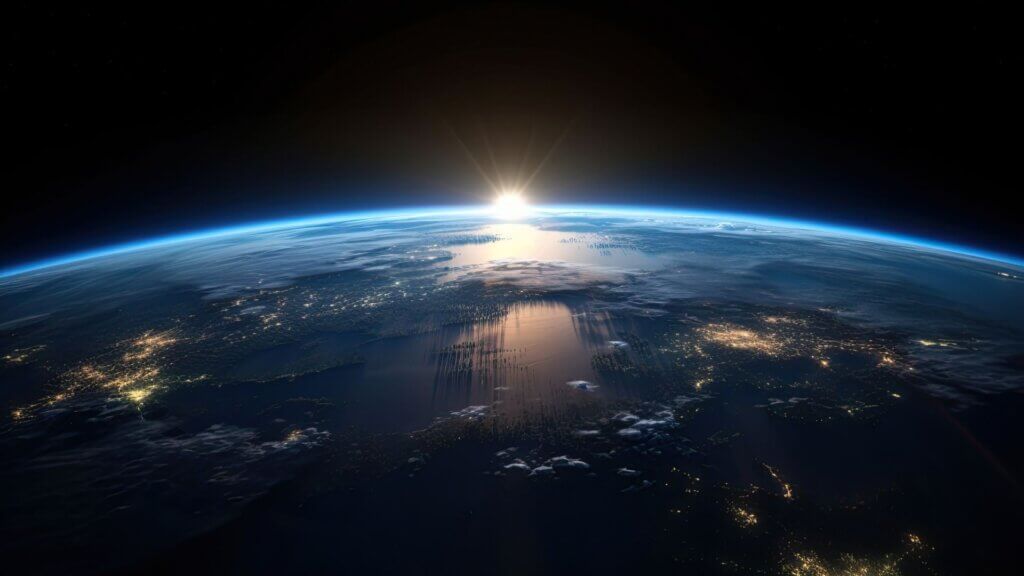
The rumor’s premise conflicts with NASA’s explanation of how gravity functions. Earth generates its own gravitational field based on its mass, and the only way for the planet to lose gravity would be for Earth’s mass to decrease, the NASA spokesperson said. The spokesperson noted that gravitational attraction from the Sun and Moon affects tidal forces but does not impact Earth’s total gravity. This gravitational attraction is well understood and predictable decades in advance, according to NASA.
The rumor included specific details such as an $89 billion budget and precise 14:33 UTC timing. The claim also referenced underground bunkers for government officials and scientists, along with allegations that an independent physicist’s research was suppressed after confirming the gravitational wave intersection. The posts stated the physicist’s paper was retracted and that he had disappeared. These elements followed patterns common in conspiracy theories, suggesting authorities conceal catastrophic information from the public.
The Project Anchor rumor spread rapidly across multiple platforms despite lacking any verifiable evidence. The account that posted the original claim disappeared shortly afterward, and NASA directly refuted the core premise. Searches found no documentation supporting the existence of Project Anchor or any related government program. While Aug. 12, 2026, will feature a total solar eclipse visible from certain locations, NASA confirmed no scientific basis exists for any unusual gravitational event occurring on that date.