

Products are selected by our editors, we may earn commission from links on this page.
Walk into a beauty store and the word “clean” can make a product sound instantly reassuring. Shoppers are increasingly interested in cosmetics and skincare that they believe are better for their bodies and the environment, but the term itself is surprisingly difficult to pin down. The source notes that “clean beauty” is used in a largely unregulated industry, meaning the appealing label does not always tell you exactly what a product contains.
This article was created with the assistance of AI and reviewed by our editorial team for accuracy and clarity.
So, What Does “Clean Beauty” Actually Mean?
There is no single definition that every beauty brand follows when it uses the phrase “clean beauty.” Generally, the idea centers on avoiding ingredients that consumers or brands consider potentially harmful, while emphasizing transparency and mindful formulation. Some brands also connect clean beauty with environmental concerns, ethical sourcing, or simpler formulas. That broad interpretation is part of the appeal, but it also explains why the term can mean different things from one product to another.
The Biggest Catch: “Clean” Isn’t a Universal Standard
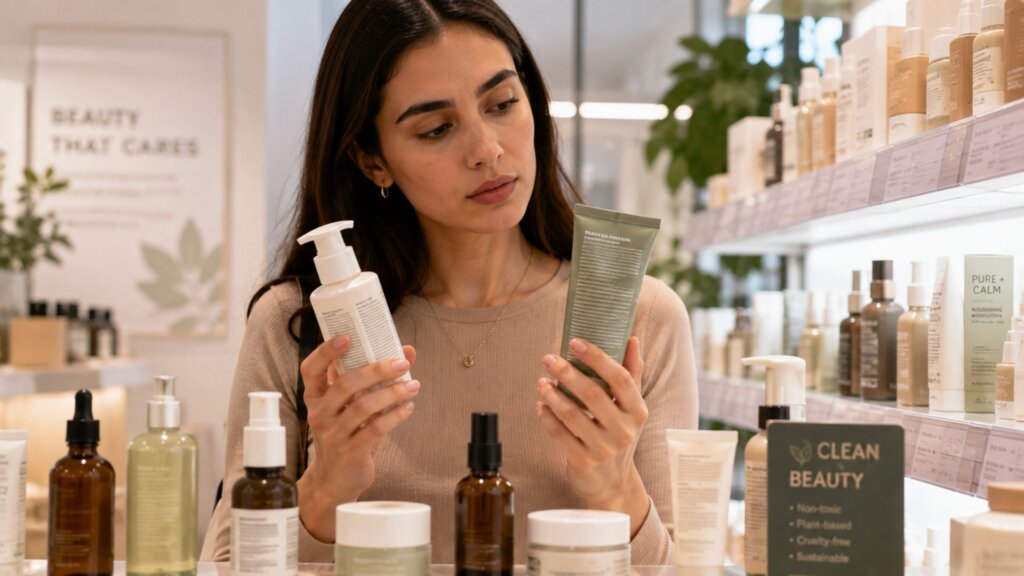
One of the most important things to understand is that “clean” is not a standardized category for cosmetics. Without one universal definition, brands and retailers can establish their own criteria for what qualifies. A product described as clean by one company may not meet another company’s standards. That makes the word useful as a marketing description, but not enough on its own to tell shoppers whether a product is right for them.
Natural Doesn’t Automatically Mean Clean
It is easy to assume that clean beauty simply means choosing products made with natural ingredients. The two ideas are not necessarily the same. Clean beauty can include both naturally derived and synthetic ingredients, while natural ingredients are not automatically free from potential problems. That distinction matters because focusing only on whether something comes from a plant can make the ingredient list seem simpler than it really is.
“Chemical Free” Is Another Label to Question

Beauty marketing sometimes makes “chemical free” sound like the ultimate goal, but the phrase can be misleading. Everything in a cosmetic formula is made of chemicals, including ingredients that occur naturally. A better approach is to look at what a product actually contains and what the brand means by its claims. This shifts the focus away from scary-sounding terminology and toward information shoppers can evaluate more thoughtfully.
Why Ingredient Lists Still Matter
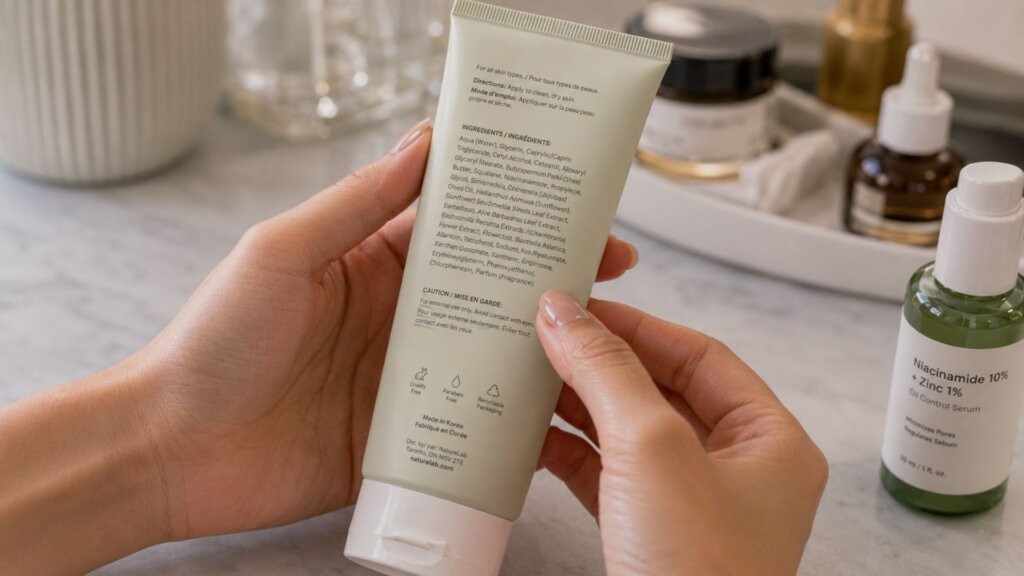
A clean beauty label should not replace reading the ingredient list. Different brands may exclude different ingredients, so knowing what is actually inside the product gives shoppers more useful information than a single marketing phrase. The source also emphasizes that beauty buzzwords can entice consumers even when it is unclear what they are buying into. Looking beyond the front of the package can therefore make shopping decisions more informed.
“Clean” and “Sustainable” Aren’t Always the Same Thing
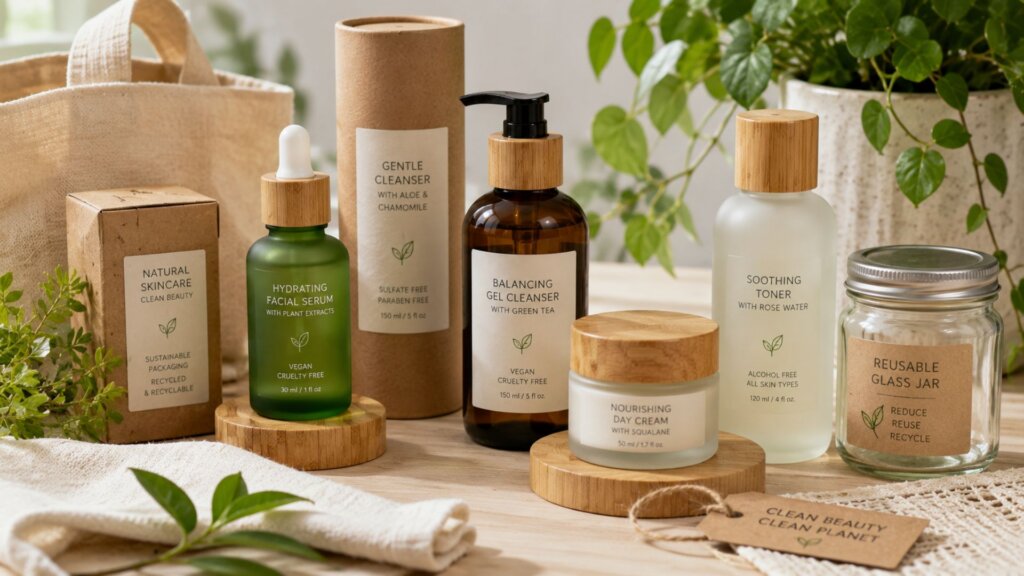
Environmental responsibility is often part of the clean beauty conversation, but the two concepts should not automatically be treated as identical. Some products may emphasize plant-based formulas, recyclable packaging, or responsible sourcing, while others focus primarily on ingredients. Research on the beauty market also shows that consumers in different regions interpret clean beauty differently, with sustainability playing a stronger role in some markets than others.
Why the Beauty Buzzword Became So Popular
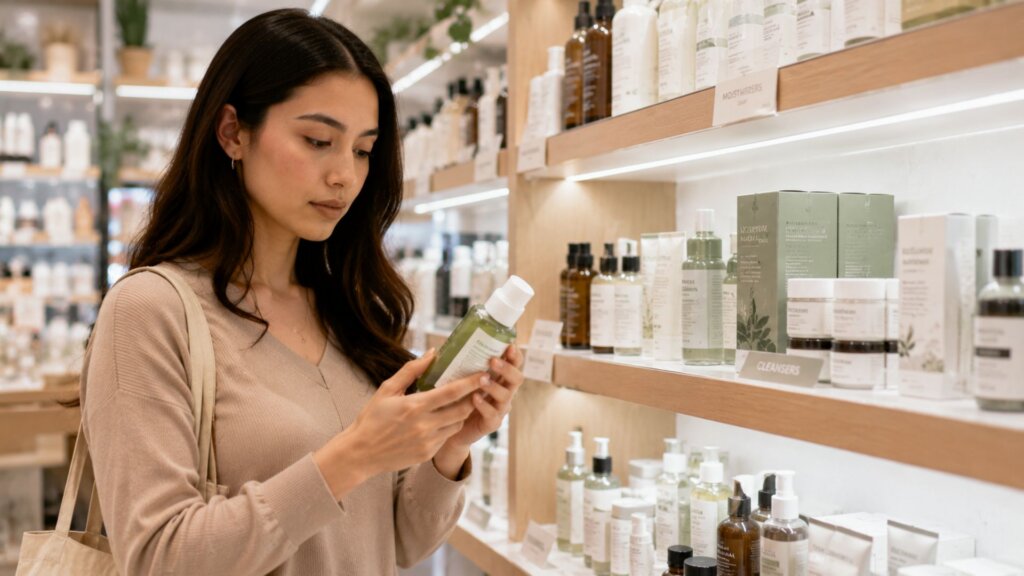
The rise of clean beauty reflects a broader shift in how consumers think about personal care. Shoppers increasingly want to know what they are putting on their skin and whether their purchases align with their values. That demand has encouraged brands to talk more about ingredients, sourcing, packaging, and formulation. At the same time, the lack of one accepted definition means consumers still need to look past attractive wording and investigate the details themselves.
How to Shop Clean Beauty Without Getting Lost in the Hype
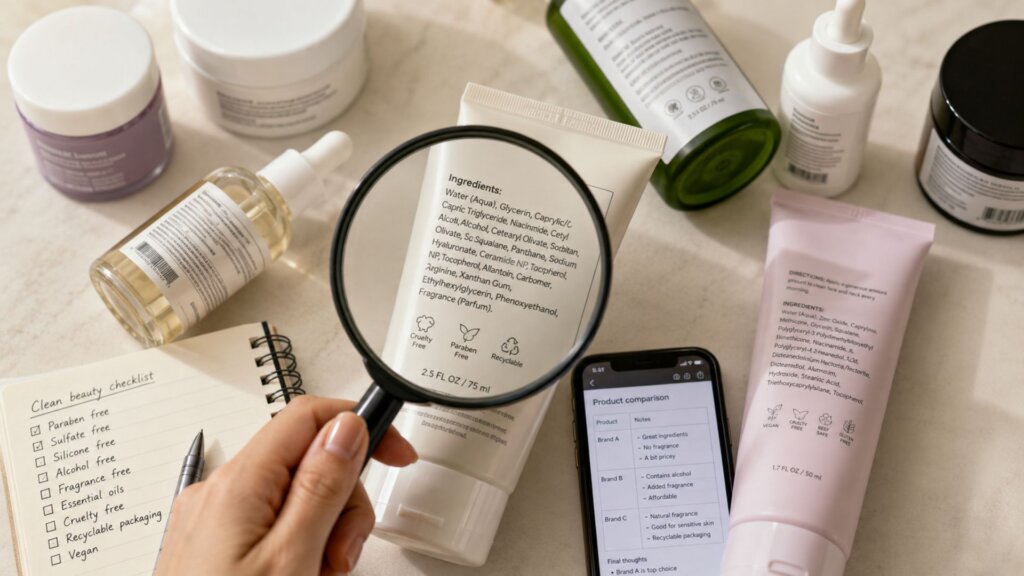
The easiest way to approach clean beauty is to treat the label as a starting point rather than a guarantee. Check the ingredient list, understand what a brand means by “clean,” and look for specific information about the claims being made. Most importantly, consider your own priorities, whether that means avoiding particular ingredients, reducing packaging, or choosing products that work well for your skin. The goal is informed shopping, not simply trusting a buzzword.
Look Beyond the Word “Clean”
Clean beauty can be a useful idea for shoppers who want to be more conscious about their personal care choices, but the label does not tell the whole story. Its broad and largely unregulated meaning makes it important to examine the claims and ingredients behind the packaging. Once you understand that “clean” can mean different things to different brands, it becomes easier to shop based on facts rather than the appeal of a single reassuring word.