


Products are selected by our editors, we may earn commission from links on this page.
Everyday painkillers like ibuprofen and acetaminophen are household staples for easing aches and fevers. But an eye-opening new study reveals that when these non-antibiotic meds mingle with common antibiotics, they may unintentionally fuel one of the planet’s most dangerous public health threats: antibiotic resistance.
Especially in aged care settings, where multiple medicines are the norm, these findings raise urgent questions about routine drug use and microbial defenses we’ve overlooked.
Unexpected Players in Antibiotic Resistance

Researchers at the University of South Australia found that ibuprofen and paracetamol (acetaminophen), when used alone with the antibiotic ciprofloxacin, significantly increased mutation rates in E. coli. These mutations made the bacteria not only resistant to ciprofloxacin but also to multiple other antibiotic classes, demonstrating that everyday over-the-counter meds may play a covert role in the arms race against superbugs.
How Combined Use Makes It Worse
The study showed a stark amplification of mutations when both ibuprofen and acetaminophen were present with ciprofloxacin. Patterned genetic changes were observed, such as in the GyrA, MarR, and AcrR genes, which helped bacteria pump out antibiotics via the AcrAB-TolC efflux system. This genetic cocktail promotes high-level antibiotic resistance and rapid bacterial growth.
Aged Care Settings: A Perfect Storm
Residential aged-care facilities are particularly vulnerable—residents often juggle numerous medications as standard. Polypharmacy creates a fertile environment for drug interactions that can activate bacterial defenses. These findings shine a spotlight on how simple painkillers, commonly perceived as harmless, can stir unintended microbial evolution in such complex medical contexts.
Beyond Antibiotics: A Broader Threat
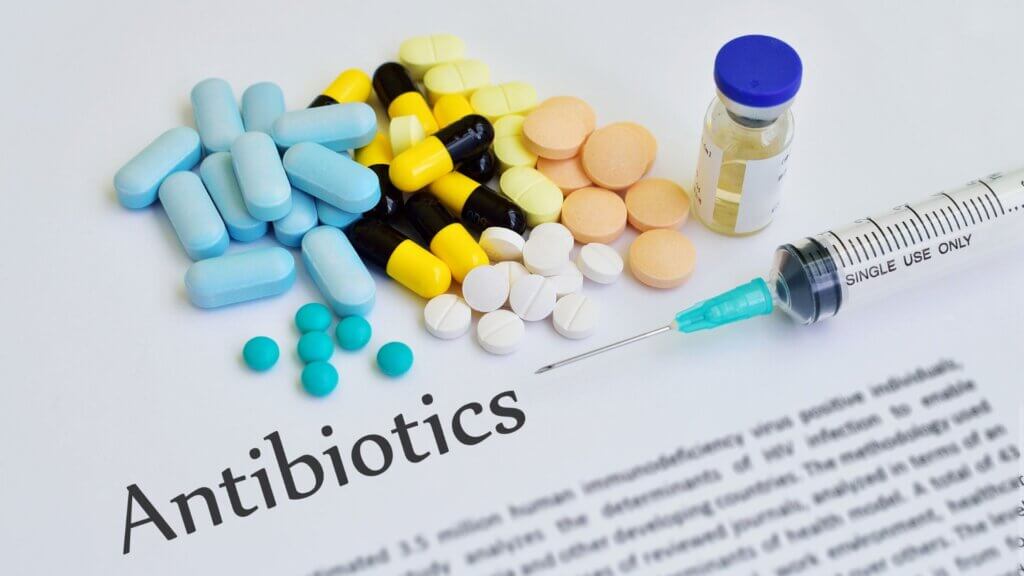
Associate Professor Rietie Venter, lead researcher, emphasized that “antibiotic resistance isn’t just about antibiotics anymore.” The revelation that non-antibiotic medications might fuel resistance underscores the need for a broader lens in combating superbugs—not just curbing antibiotic misuse, but also understanding how everyday drugs may compound risks.
Why It Matters Globally
Antimicrobial resistance is a global killer: it caused around 1.27 million deaths in 2019 and contributed to nearly 5 million more, according to WHO. With projections escalating to tens of millions in the coming decades, even subtle acceleration from non-antibiotics could add enormously to this burden. Every medication counts.
Not a Call to Panic—But to Be Mindful
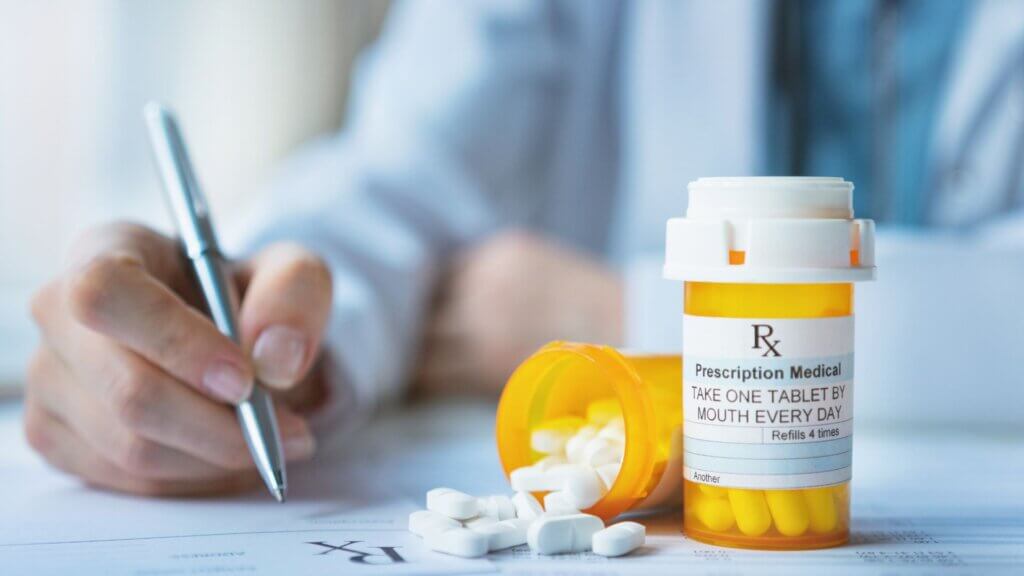
Experts aren’t urging people to stop using painkillers, but to approach them thoughtfully, especially alongside antibiotics. It’s about increasing awareness, particularly among healthcare providers and caregivers, to avoid unnecessary combinations and manage medications strategically in vulnerable patients.
Deeper Mechanisms Under Investigation

Beyond mutation frequency, researchers uncovered genetic mechanisms behind resistance—namely, activation of bacterial drug-efflux systems. Other studies also suggest certain non-antibiotic drugs can promote horizontal gene transfer, further spreading resistance traits. These molecular insights reveal how seemingly benign drugs may tip microbial evolution in dangerous directions.
The Road Ahead: Rethinking Prescriptions
This study calls for updated clinical guidelines and more research. Medical professionals may need to reconsider prescribing painkillers alongside antibiotics, especially in high-risk settings. It’s not just polypharmacy, but poly-logic in prescribing—understanding drug interactions from a microbial resistance perspective will be key going forward.
Final Reflections

It’s unsettling yet critical to realize that widely used painkillers like ibuprofen and acetaminophen could be quietly fueling antibiotic resistance. This finding adds urgency to broader antimicrobial stewardship: every drug, even over-the-counter pain relief, deserves scrutiny in how it interacts with microbial ecosystems. As we confront the global rise of superbugs, mindful medication use across all categories is no longer optional—it’s essential.