


Products are selected by our editors, we may earn commission from links on this page.
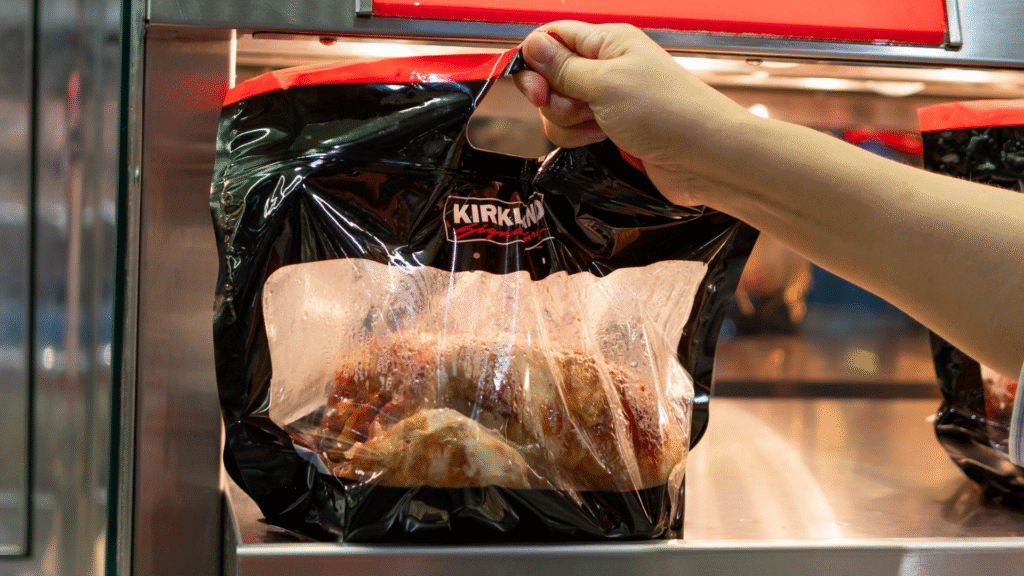
Costco’s famed $4.99 rotisserie chicken, long seen as one of the warehouse retailer’s most iconic bargains, has suddenly become the subject of a legal challenge as shoppers and consumer advocates file a lawsuit claiming that the company misled customers about pricing and supply, prompting questions about transparency and fair marketing practices in one of the country’s largest retail chains. The suit alleges that Costco’s promises around stable pricing and availability of the $4.99 chicken have shifted over time without clear disclosure, leaving some members feeling that the advertising and reputation for value no longer match their in-store experience.
The complaint centers on the idea that Costco used the low price of its rotisserie chicken as a loss leader to drive foot traffic and memberships, but that behind the scenes operational changes and cost pressures have made the continued sale of that item at the advertised price less sustainable than customers were led to believe. Lawyers representing the plaintiffs argue that such practices could constitute unfair or deceptive conduct under consumer protection laws if customers were induced to join or renew memberships based on promises about that specific product.
Although Costco has maintained that it regularly evaluates pricing and supply costs for all its products and that membership terms allow the company to adjust offerings as needed, the lawsuit has drawn attention to how deeply ingrained the $4.99 rotisserie chicken has become in popular perception of the retailer’s value proposition, and whether retailers have a duty to clearly communicate changes when widely recognized prices are altered.
What the Lawsuit Says and Why It Matters

According to court filings and legal analysis, the plaintiffs contend that Costco’s marketing of the rotisserie chicken price and the longstanding narrative of stable value influenced customers’ decisions to purchase memberships, and that the ongoing mismatch between those expectations and current reality constitutes economic harm for consumers who paid for membership access expecting continued value. The suit frames the chicken price not as a trivial grocery cost, but as part of a larger promise of consistent value that underpins Costco’s business model.
Legal experts note that proving consumer harm in such cases can be challenging, because plaintiffs must show not only that they relied on alleged misrepresentations, but also that they suffered quantifiable losses as a result, which often involves detailed analysis of shopping behavior, membership decisions and alternatives available in the market. If successful, such claims could prompt retailers to be more cautious in how pricing practices and “loss leader” items are advertised to the public.
Costco’s defense is expected to emphasize the voluntary nature of membership, the company’s broad range of value-oriented products beyond the rotisserie chicken, and the fact that pricing and inventory decisions in retail frequently change based on supply chain dynamics, commodity costs and competitive pressures, suggesting that a single item’s pricing history should not form the basis for wholesale liability.
How Shoppers and Industry Are Responding
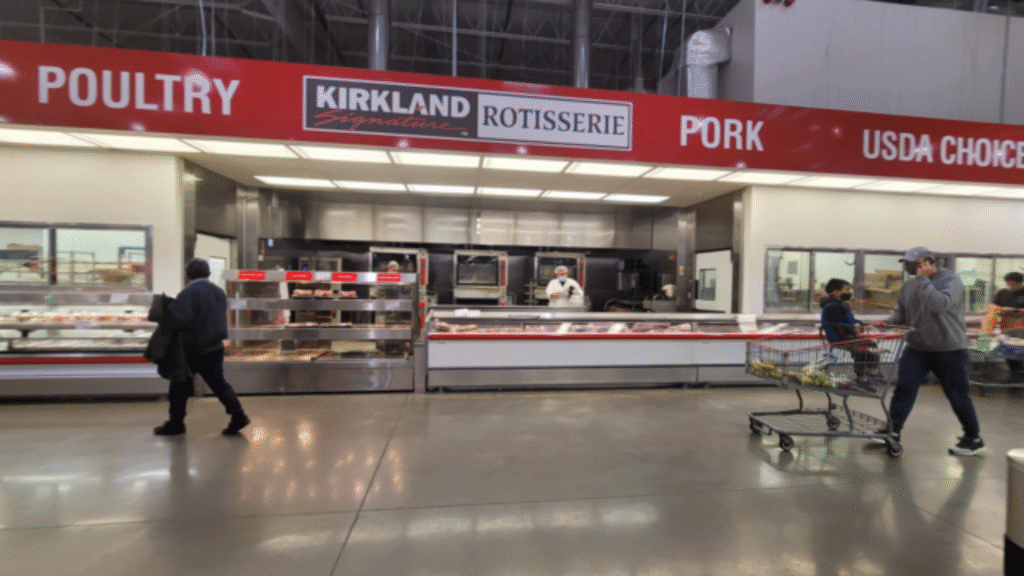
Consumers on social media have weighed in with a mix of support and skepticism about the lawsuit, with some longtime Costco members expressing nostalgia for the days when the $4.99 chicken seemed ubiquitous and reliable, while others question whether a single product’s pricing is the right focus for legal action given the many other benefits and low prices available across the retailer’s inventory.
Analysts in the grocery and retail sectors say the case highlights how much brand value and customer perception can be tied to specific signature products, even when those products can fluctuate in cost due to inflation, labor, and supply chain issues that affect the entire industry. Some observers see the lawsuit as part of a broader trend of increased consumer scrutiny of pricing practices and corporate transparency.
Legal commentators also point out that the outcome could set a precedent for future challenges to loss leader strategies, where popular low-priced items are used to attract customers but are not guaranteed indefinitely, prompting both retailers and customers to consider how expectations are shaped by marketing versus the realities of operating in a dynamic economy.
What This Lawsuit Could Mean for Costco and Consumers
If the plaintiffs succeed, the case could lead to refunds for affected shoppers, changes in how pricing is communicated in membership materials, or adjustments to how signature items are marketed to align with legal standards for transparency and fair dealing. For Costco, a company known for its strong customer loyalty and perceived value, the case raises questions about how much consumers rely on specific product prices when making membership and purchasing decisions.
In the longer term, retailers of all sizes may take note of the case as they shape pricing strategies and consumer communications, particularly in an era of tight margins and heightened sensitivity to inflation as customers compare prices more closely and expect clear information about value.
For everyday shoppers, the lawsuit serves as a reminder to stay informed about how pricing narratives can influence buying habits and to weigh a retailer’s entire value proposition rather than fixating on individual price points alone, especially when membership and loyalty programs are involved.