

Products are selected by our editors, we may earn commission from links on this page.
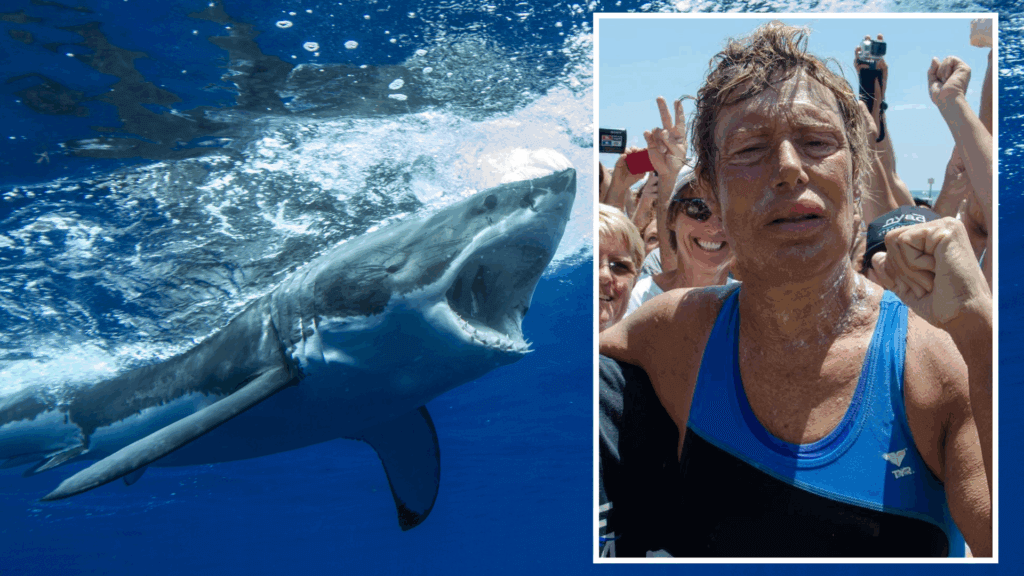
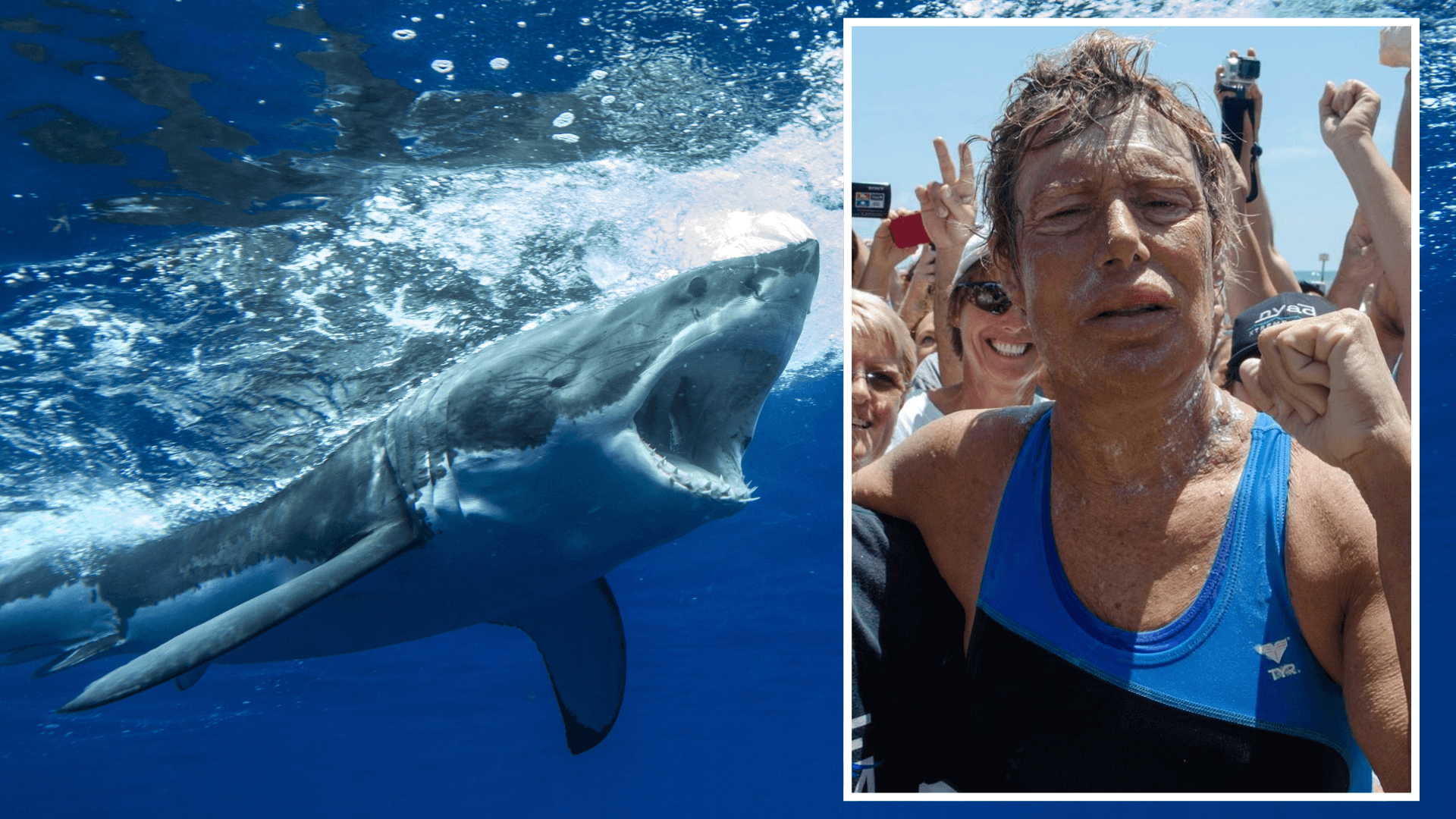
On September 2, 2013, Diana Nyad crawled onto Smathers Beach in Key West after 53 hours in open water. She had swum from Havana, Cuba, to Florida—110 miles through jellyfish swarms and predator-filled currents. No shark cage. At 64, she became the first to complete the journey without such protection. The crowd roared, and the whole world watched in disbelief.
A Lifelong Dream
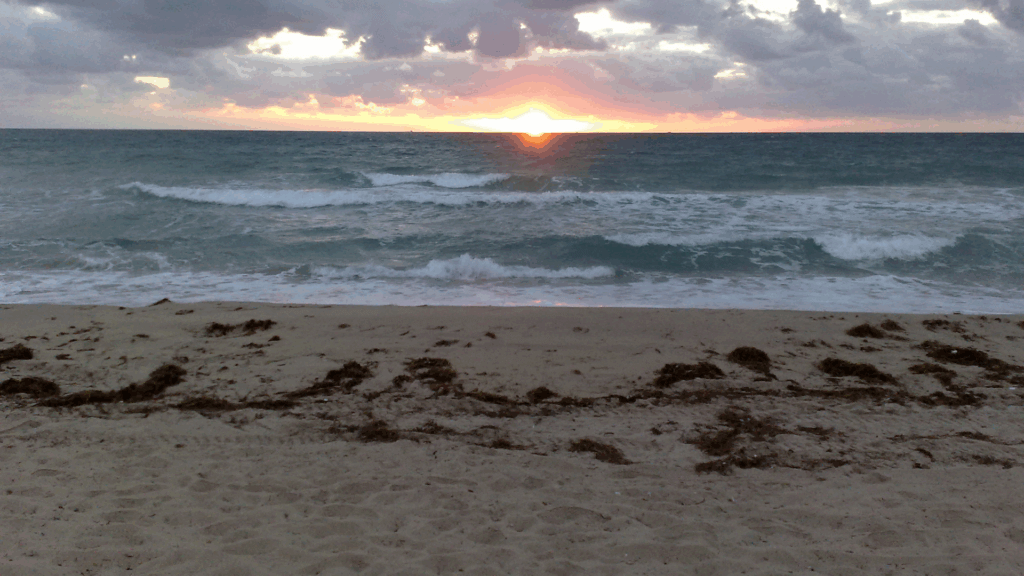
Nine-year-old Diana stood on a Fort Lauderdale beach with her mother in 1958. Curious about the Cuban Revolution dominating headlines, she asked why she couldn’t see Cuba from shore. Her mother said it was just over the horizon, close enough to swim. Decades later, Diana reflected on that moment, saying that somewhere in her being, Cuba had always remained in her mind.
Early Dominance in the Pool
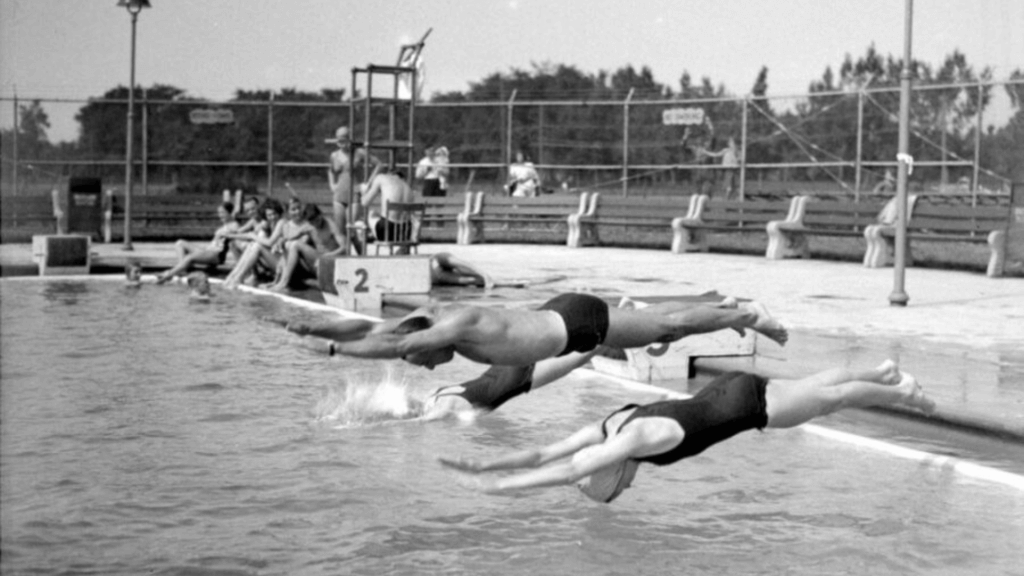
By age 10, Diana had turned casual swimming into serious competition. Under Olympic coach Jack Nelson at Pine Crest School, she trained relentlessly. She won two Florida state championships in the hundred-yard backstroke. The Olympics seemed within reach. She later recalled waking at 4:30 every morning, even on Christmas, never missing a single day of practice.
Dreams Derailed
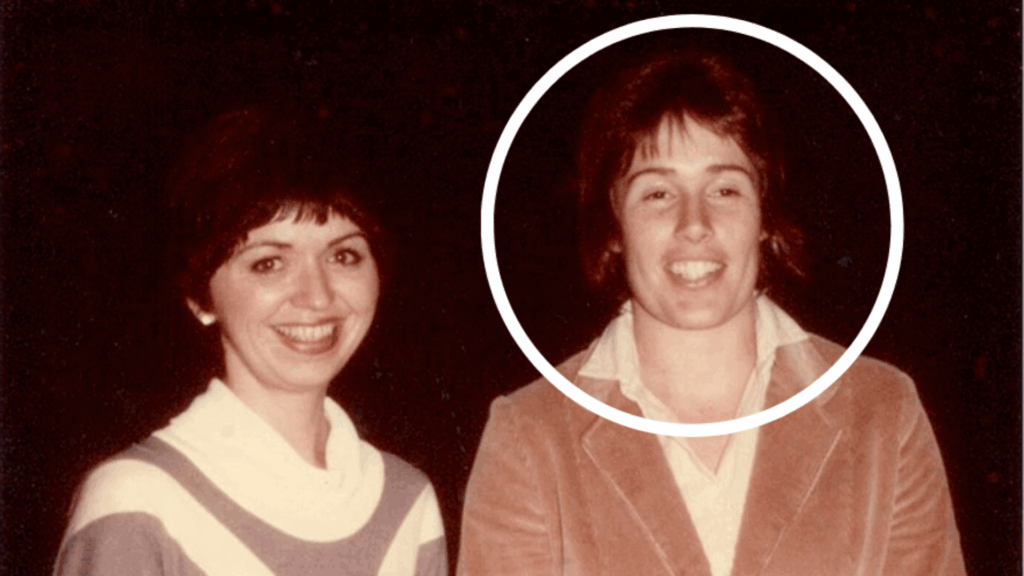
Diana targeted the 1968 Olympics, but in 1966, endocarditis hospitalized her for three months. When she returned, her speed had vanished. After graduating, she enrolled at Emory University but was expelled for jumping from a fourth-floor dorm with a parachute. Her Olympic dream died. Swimming, once her sanctuary, now represented loss. She needed to find a new path forward.
Finding Marathon Swimming
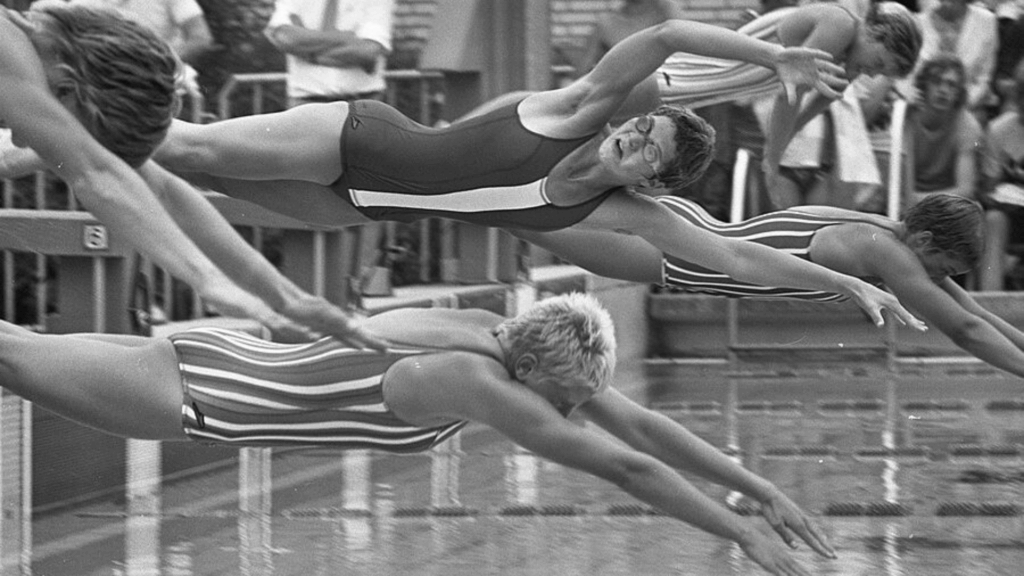
Diana enrolled at Lake Forest College and discovered endurance swimming. Buck Dawson, director of the International Swimming Hall of Fame, introduced her to marathon races. In her first ten-mile race in Lake Ontario, she shattered the women’s record with a time of 4 hours and 23 minutes. Distance swimming rewarded persistence over pure speed, perfectly matching her relentless determination.
Making Headlines in Manhattan
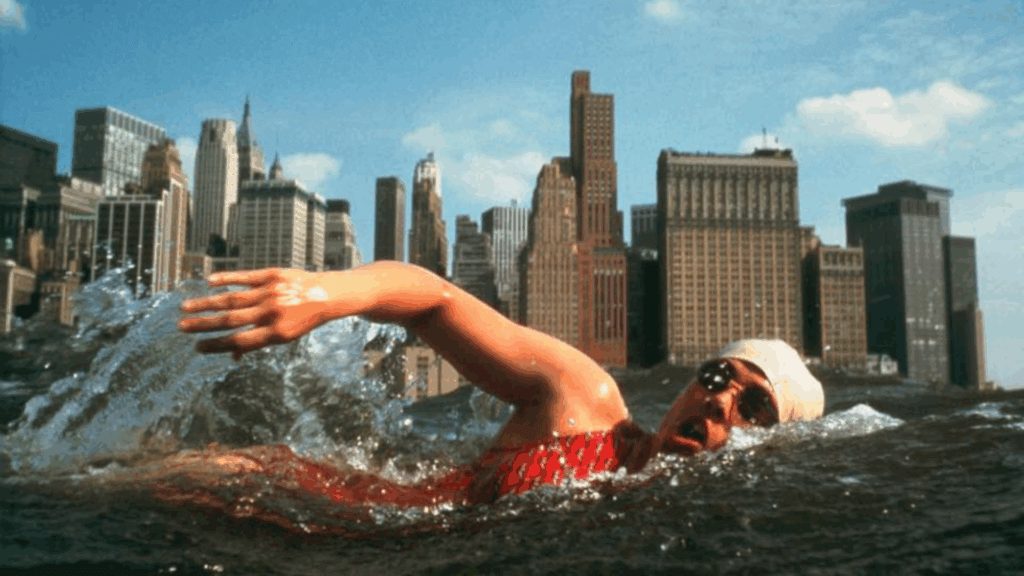
At 26, Diana circled Manhattan Island in 7 hours and 57 minutes, breaking a 48-year-old record. The New York Times covered her feat the next day. National attention followed. She had found her calling in the water, conquering one of swimming’s most iconic urban challenges. The spotlight had arrived, and she was ready for something even bigger and more audacious.
The First Cuba Attempt
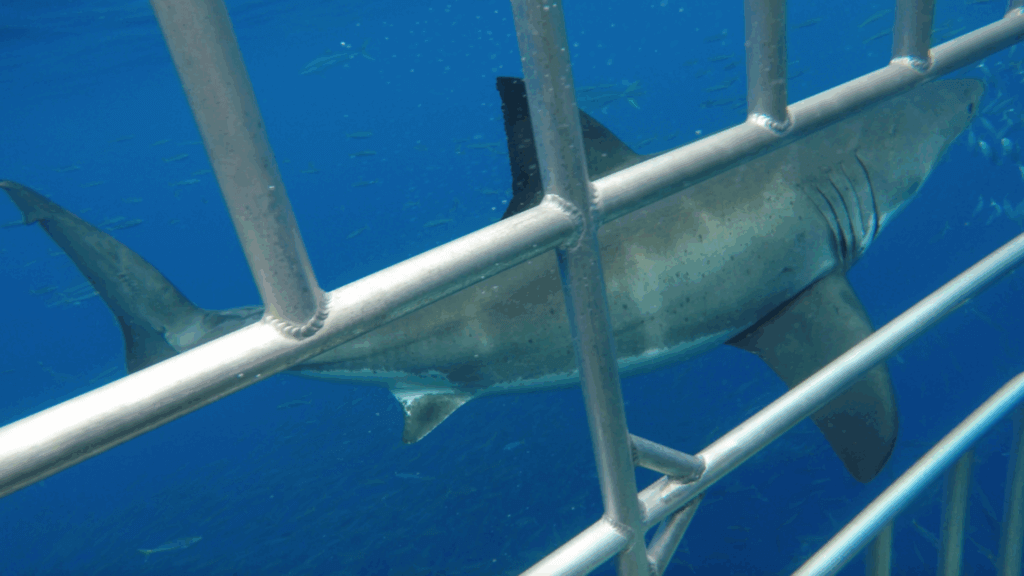
After her Manhattan triumph, Diana felt unstoppable. At 28, she launched from Ortegosa Beach, 50 miles west of Havana, Cuba, on August 13, 1978. This time, she swam inside a steel shark cage. For 42 hours, she battled ocean swells and fierce winds. Brutal currents dragged her toward Texas. Her body slammed repeatedly against the cage. Finally, her doctor pulled her out. 76 miles completed. But with a dream deferred.
Walking Away
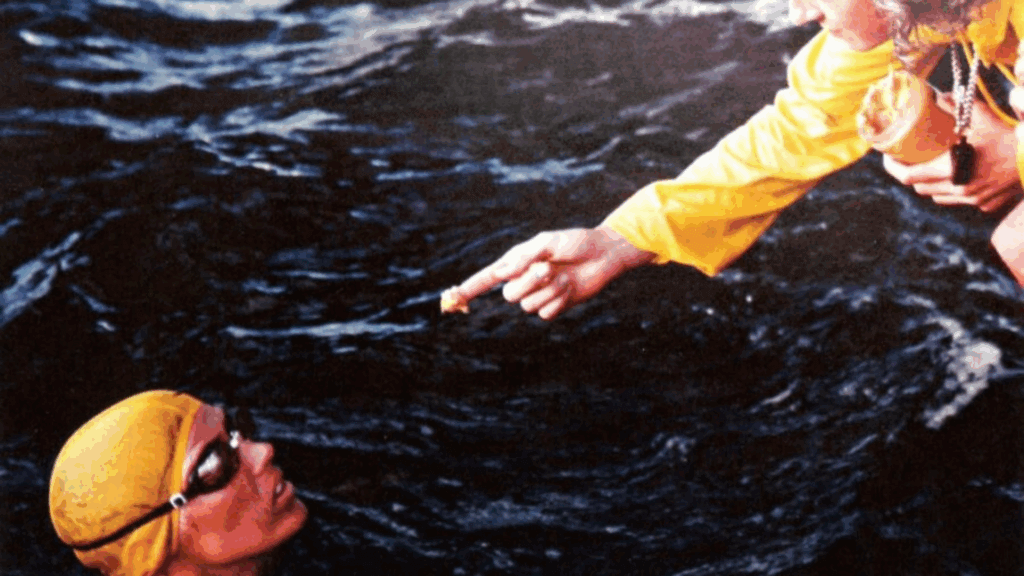
On her 30th birthday in 1979, Diana swam from the Bahamas to Florida. The distance is measured somewhere between 60 and 100, depending on the source. Still processing her Cuba failure, she felt 30 was a dignified age to retire. She stepped away from competitive swimming, never imagining she would return. A new chapter in broadcasting and writing beckoned, but something would always feel incomplete.
Three Decades Away
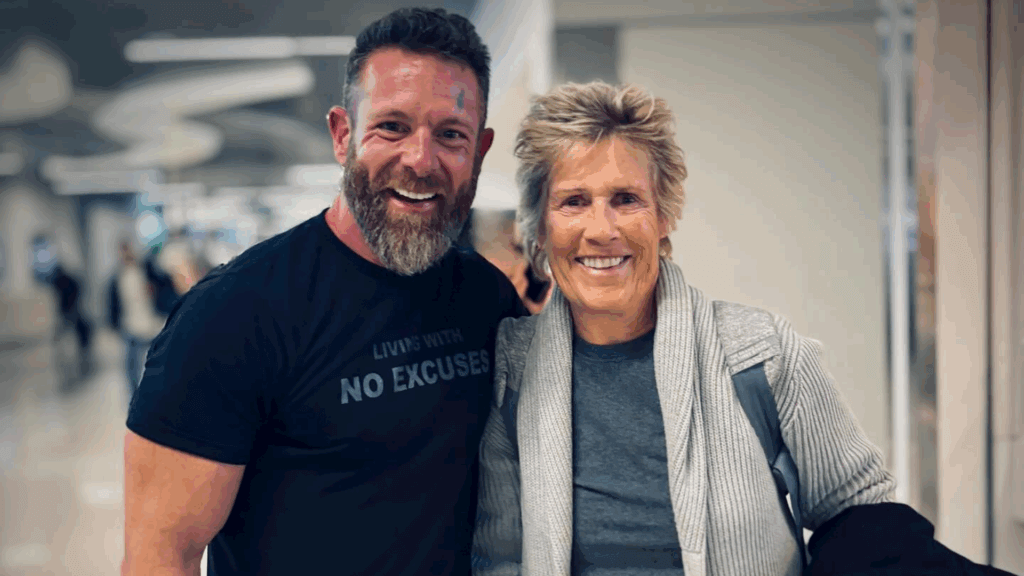
For 30 years, Diana built a successful media career. She worked for NPR, ABC’s Wide World of Sports, and CBS News. She wrote four books and became a motivational speaker. She traveled the world, interviewed champions, and covered major sporting events. But eventually she confessed she wasn’t feeling like a doer anymore, watching others chase dreams while no longer pursuing her own. She felt that pang in her chest.
The Spark to Return

In 2009, Diana’s mother died. Shortly after, she turned 60. Two life-changing moments converged. Her mother, suffering from Alzheimer’s, had asked if she was the worst mother in the world. Diana forgave her. Standing at 60 with no children to carry her legacy, Diana realized she might have only 22 years left. She decided to chase the impossible dream again, this time without the cage.
Building the Dream Team
Diana knew she couldn’t do this alone. She assembled a 35-person support crew and invested $500,000. Her best friend, Bonnie Stoll, initially refused, calling the plan crazy. Eventually, Bonnie relented. Navigator John Bartlett would guide through treacherous currents. Shark expert Luke Tipple would operate sonar. Jellyfish specialist Dr. Angel Yanagihara would handle sting protocols. Every member had one mission: keep Diana alive.
Training for War
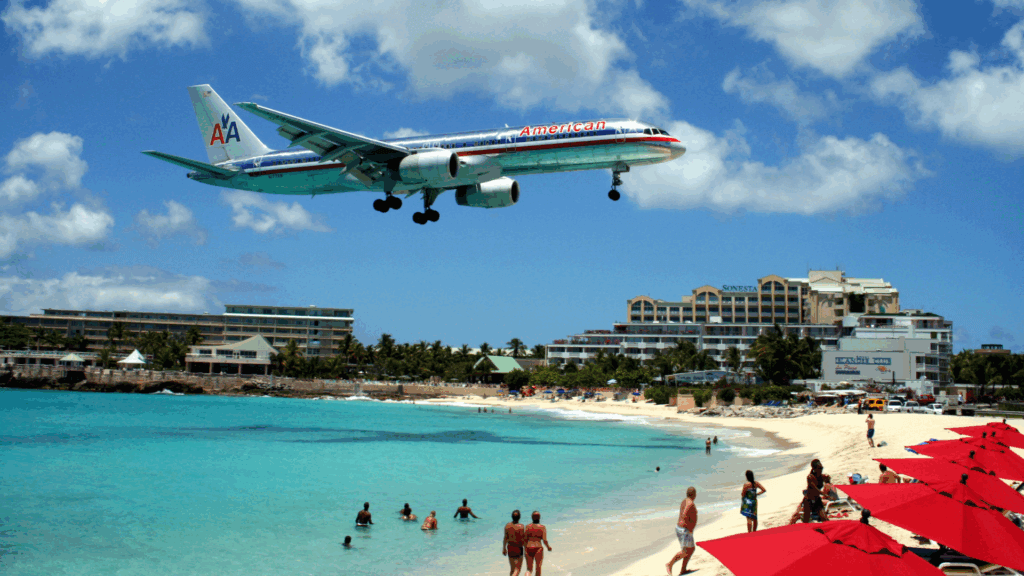
From January 2010 to August 2011, Diana rebuilt herself. She traveled to St. Maarten for 15-hour open-water training swims. Her team drilled her on swimming straight, managing hallucinations, and surviving jellyfish encounters. She learned to protect every pore with specialized suits and masks.
The Second Attempt Begins
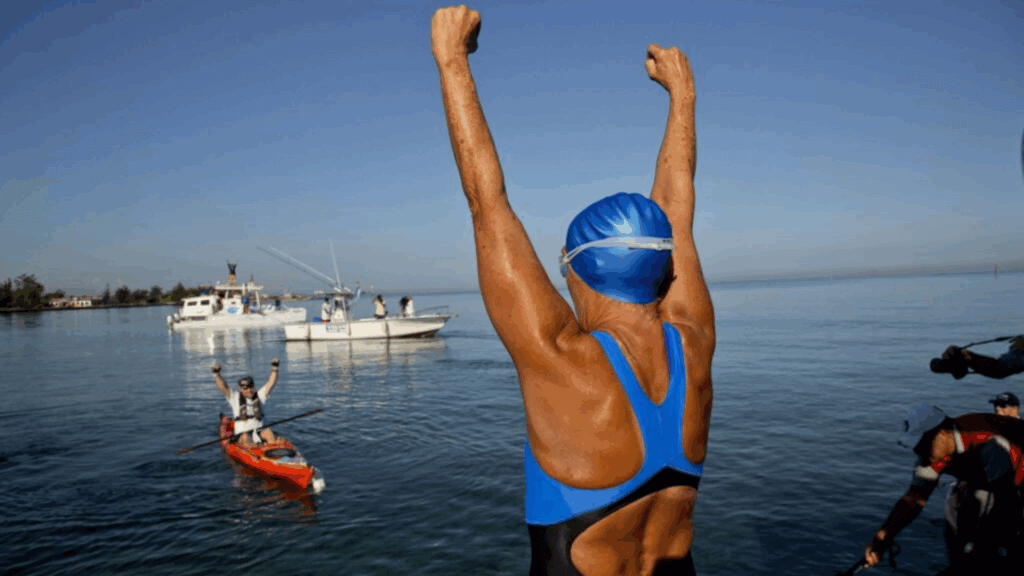
On August 7, 2011, Diana entered the water off Havana at 61. No shark cage this time—only electronic shields and a CNN crew broadcasting worldwide. By hour three, her shoulder throbbed. Winds pushed her east, off course. For 29 hours, she fought on. Then her asthma flared. Breathless, she repeatedly flipped to her back just to survive. At 12:45 AM on August 9th, exhausted, she was pulled out. Another taste of failure.
Relentless Pursuit
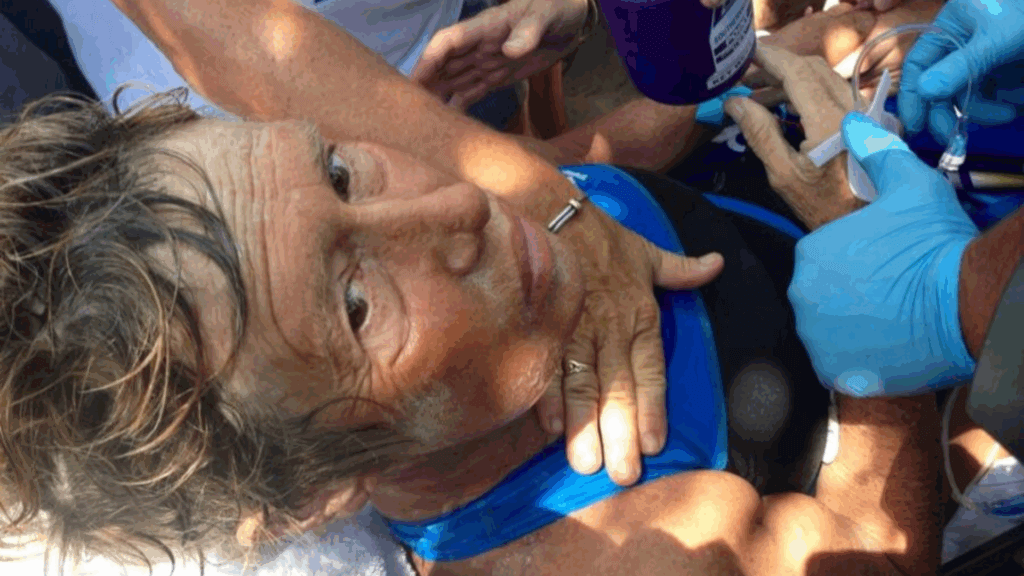
Weeks later, on September 23, 2011, Diana tried again. She swam 41 hours, covering 67 nautical miles, before box jellyfish stings caused respiratory distress. Her team pulled her out once again. On August 18, 2012, she attempted a fourth time. Two storms battered her. Nine jellyfish stings pierced her protection. Again, she was forced to stop. Four attempts. Four failures. Most would have quit. But then Diana prepared for a fifth.
The Final Push
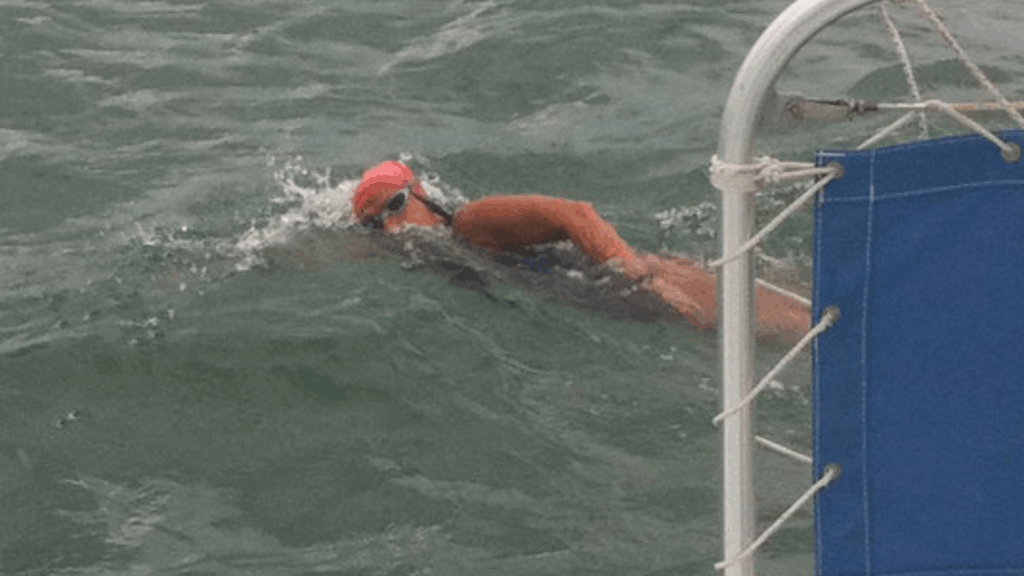
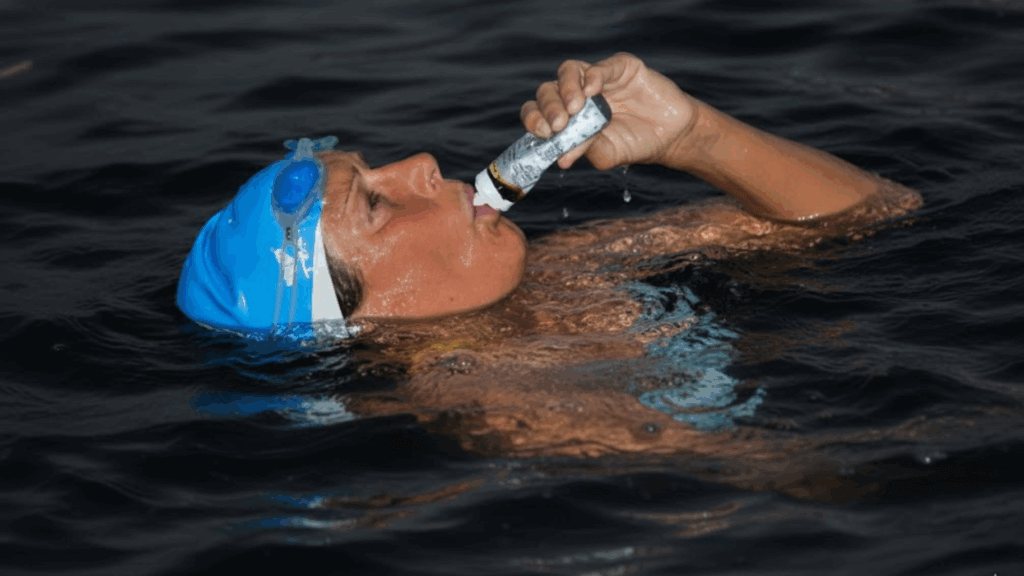
On August 31, 2013, Diana entered Havana waters for the fifth time. The ocean fought back viciously. She vomited from swallowed seawater. Hallucinations distorted her reality. Jellyfish stings burned through protective layers. Her lips swelled. Her body screamed for relief. But she kept swimming, stroke after stroke, hour after hour, through two nights and three days, refusing to surrender to the sea’s brutality.
Touching Shore
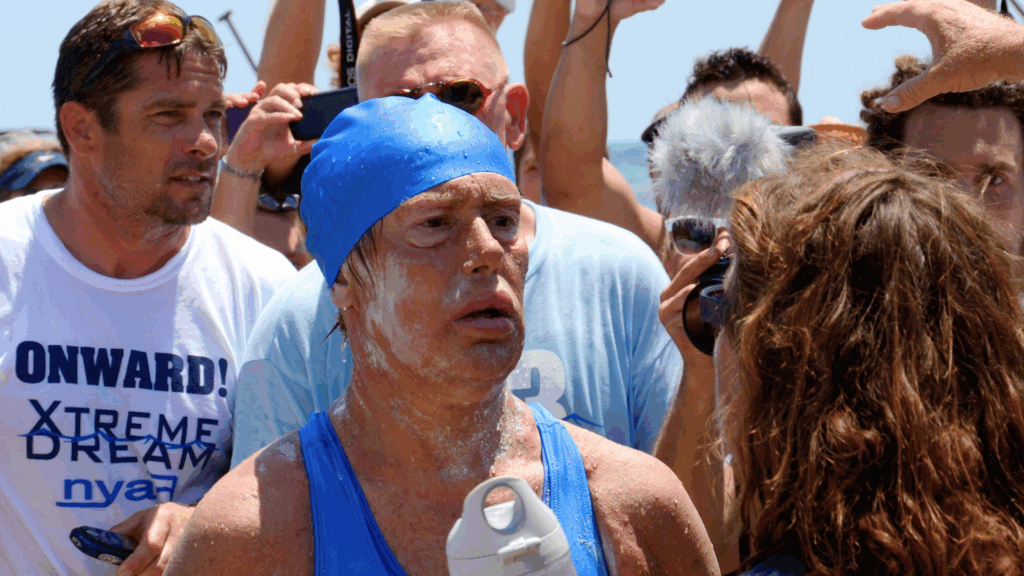
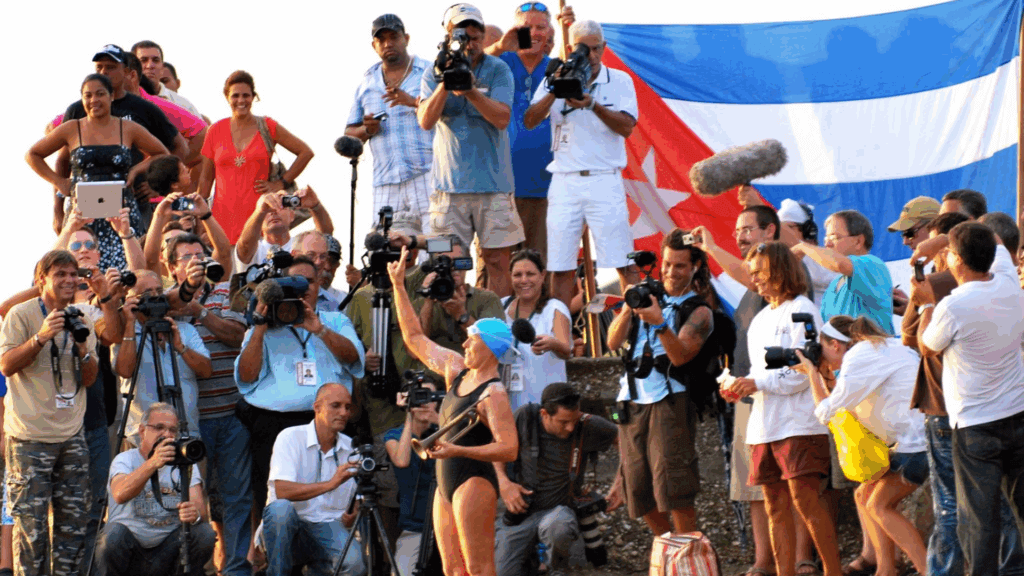
53 hours after leaving Cuba, Diana staggered onto Key West sand on September 2. Her face was swollen, her body trembling. A crowd erupted in cheers. She had completed what many considered impossible. Stunned by the emotion and physical duress, her first words to the beach were simple: We should never, ever give up. The dream she had carried since age nine was finally real. But the critics were not impressed.
Questions Surface
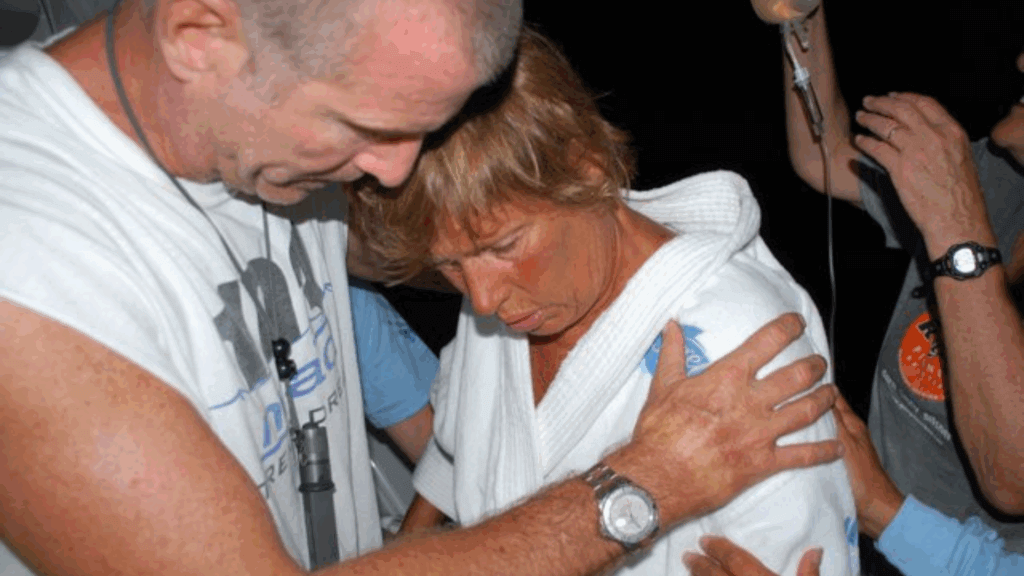
Almost immediately, doubts emerged within the marathon swimming community. Experienced swimmers questioned the legitimacy of her crossing. How could someone swim over one hundred miles at sixty-four? They analyzed her pace, her path, and her team’s involvement. The applause was real, but so was skepticism. What began as a celebration quickly transformed into a controversy that would shadow her achievement for years to come.
No Rulebook to Follow
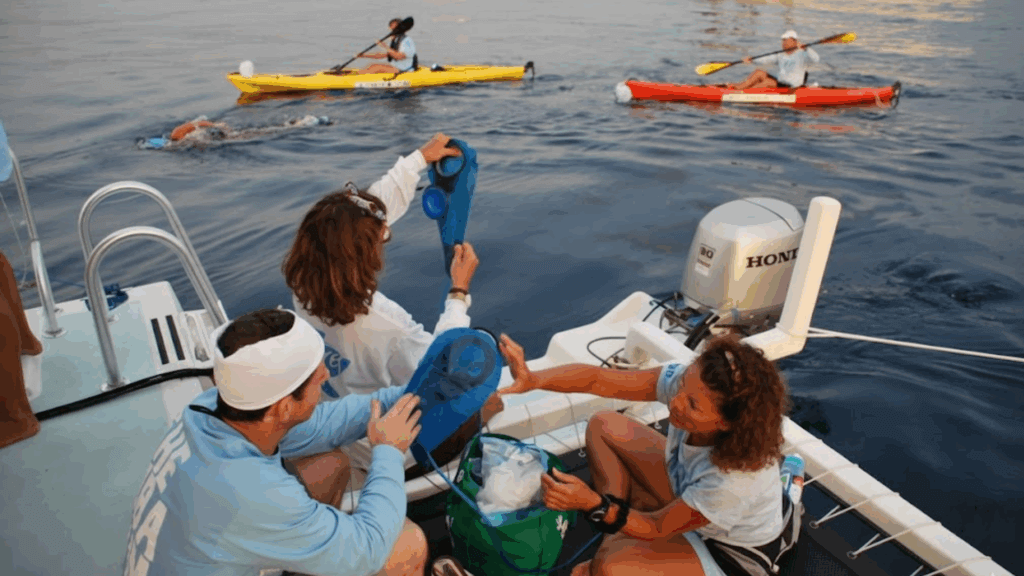
In 2013, marathon swimming had no universal authority or enforceable standards. The World Open Water Swimming Association existed, but essentially as a one-man project. Founder Steven Munatones had observed Diana’s four failed attempts but wasn’t present for her successful crossing. No formal ratification process existed. Diana swam according to what her team believed was fair. The sport’s growing pains would complicate her legacy.
The Ratification Battle
Five years later, Diana sought official recognition from WOWSA, but no process existed. In 2022, WOWSA released a report confirming she swam from Havana to Key West without known assistance or exiting the water. Then, in September 2023, as the Netflix film Nyad premiered, WOWSA refused ratification. They cited incomplete observer logs with a nine-hour gap, conflicting crew accounts, and backdated documentation. Guinness World Records removed her achievement.
Her Defense
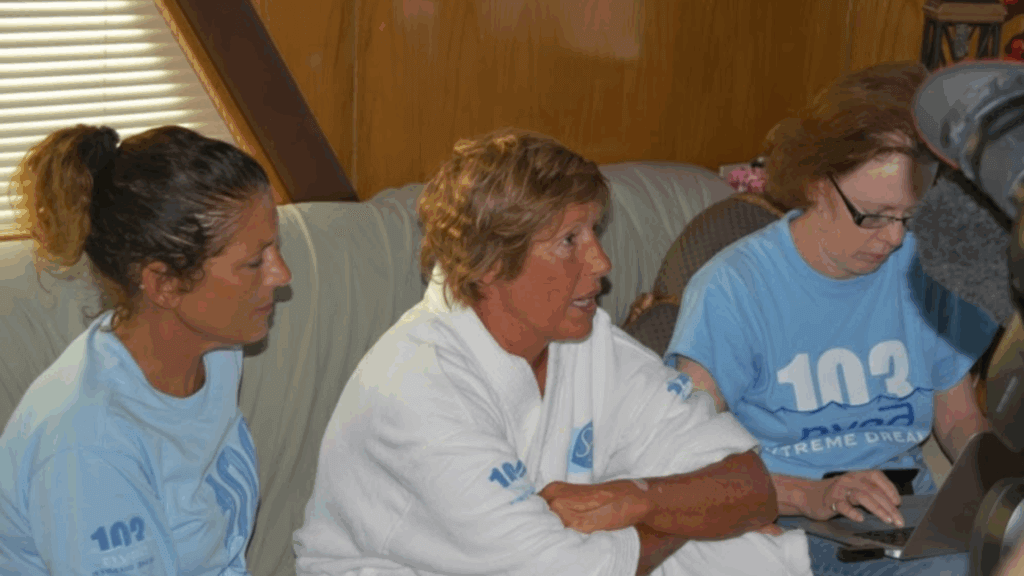
Diana has consistently defended her achievement. She acknowledges someone may have helped with her protective suit, but maintains no one held her up or pushed her forward. Looking back, she admitted she wished she had engaged more with the marathon swimming community beforehand. She wasn’t returning to rejoin a sport, just to finish what she started decades earlier. Without clear rules, she believes judgment came unfairly.
What Remains
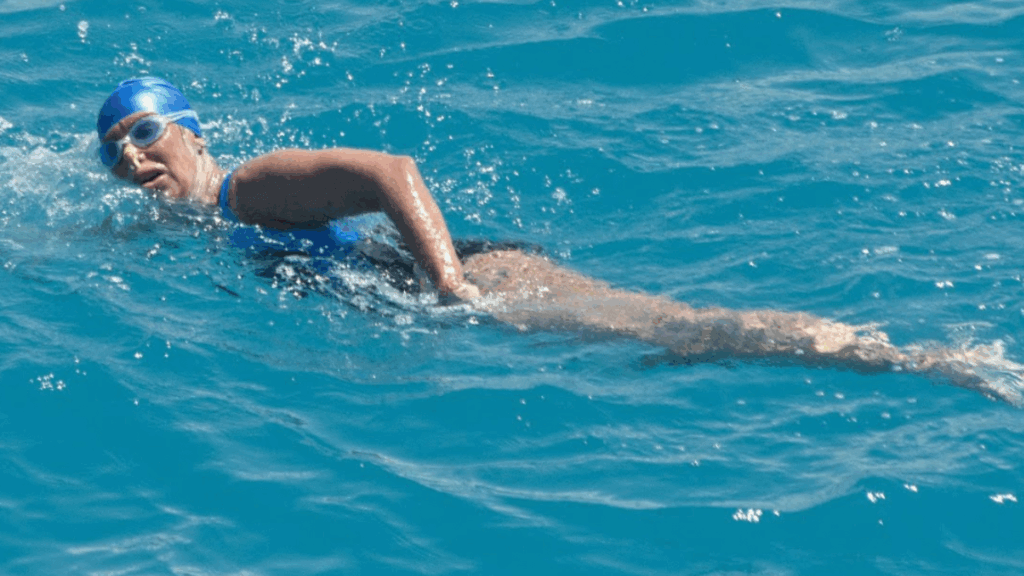
Regardless of classification—assisted, unassisted, or unratified—Diana Nyad accomplished something extraordinary at 64. She swam over one hundred miles through open ocean, battling exhaustion, jellyfish, and time itself. Whether her legacy stands as an inspiration or a cautionary tale depends on who tells the story. But 53 hours in shark-infested waters cannot be erased. The swim happened. The questions remain. The debate continues.