

Products are selected by our editors, we may earn commission from links on this page.
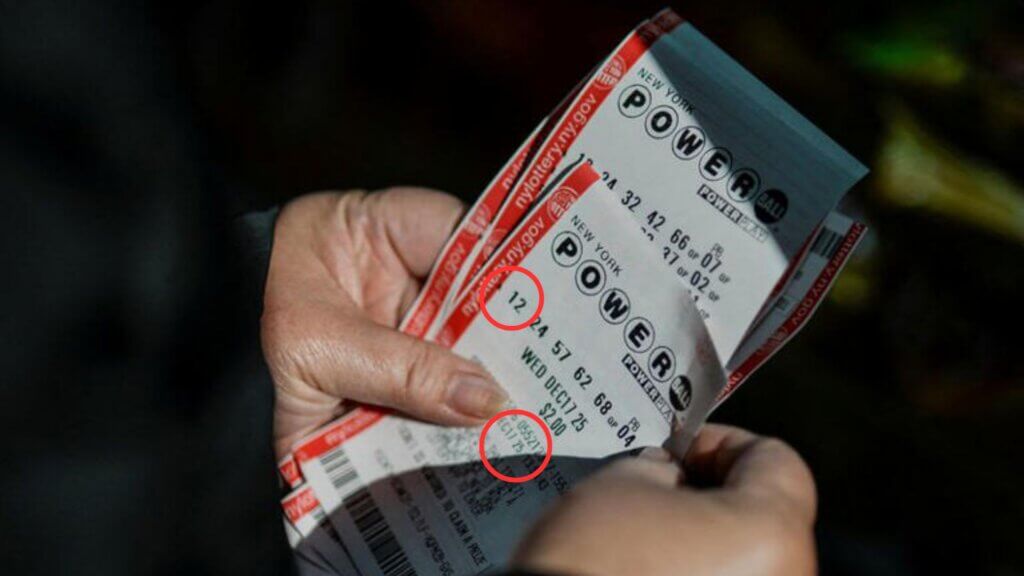
The dream of striking it rich with a single ticket is tempting, but the lottery industry operates on secrets most players never discover. While states promote lotteries as harmless entertainment that supports good causes like education, the reality is darker than presented. Before buying your next ticket, understanding these secrets could save you money… and heartbreak.
People Actually Dig Through Trash For Discarded Winning Tickets

Many desperate individuals scrounge through garbage bins searching for mistakenly thrown-out lottery winners. Edward St. John, 83, found a million-dollar ticket in trash but settled for just $140,000 after legal disputes. Ed Rader discovered his winning ticket in what he called “clean garbage,” using the proceeds to pay debts before squandering everything on more lottery tickets, losing it all.
Retailers Steal Winning Tickets From Customers
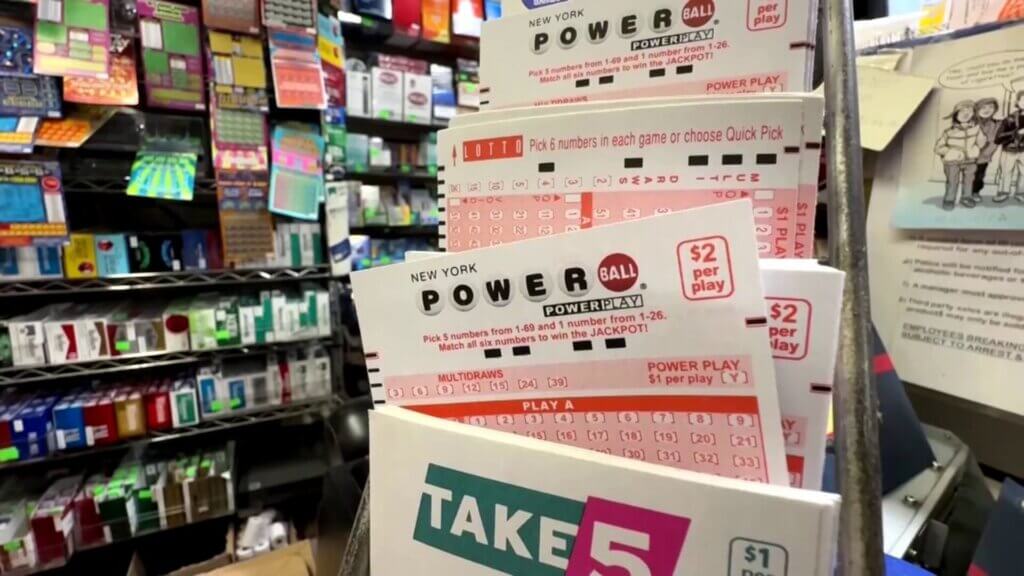
Lottery retailers scam winners through a simple scheme: they lie. When scanning tickets, dishonest clerks claim winners are losers, then pocket the prizes themselves. California conducted sting operations using marked tickets after widespread complaints. Undercover officers arrested numerous clerks attempting to steal winnings. Without proof of winning numbers, many victims simply walk away, never knowing they were robbed.
The Cheapest Scratch-Offs Offer The Worst Payouts
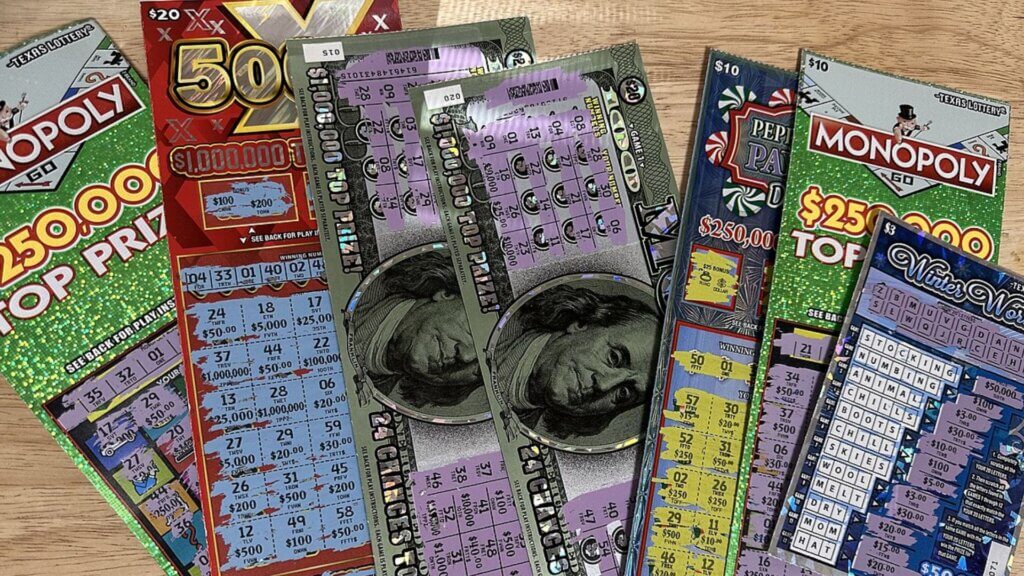
Popular low-cost scratch-off tickets provide terrible returns compared to their appeal. New York’s best scratch-off pays just 88 cents per dollar spent. The “Lucky Tripler” dollar ticket returns only 59 cents on the dollar. Most scratch-offs priced between one and ten dollars pay around 61 cents per dollar, making them horrible investments while leaving silver residue under your fingernails.
Some States Earned More From Lotteries Than Corporate Taxes
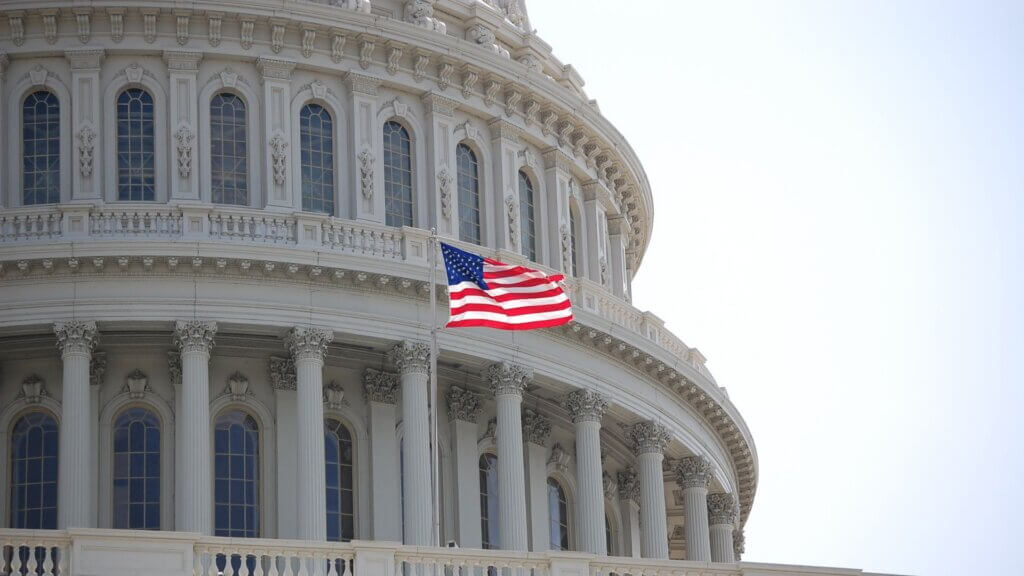
In 2009, eleven states generated more revenue from lottery sales than corporate income taxes. Rhode Island’s lottery earnings doubled its corporate tax revenue that year. Winners receiving over $600 face a 45-percent tax on their prizes. States profit enormously while the poorest citizens fund government programs through ticket purchases, creating a system benefiting everyone except players.
Convenience Stores Depend Heavily On Lottery Revenue
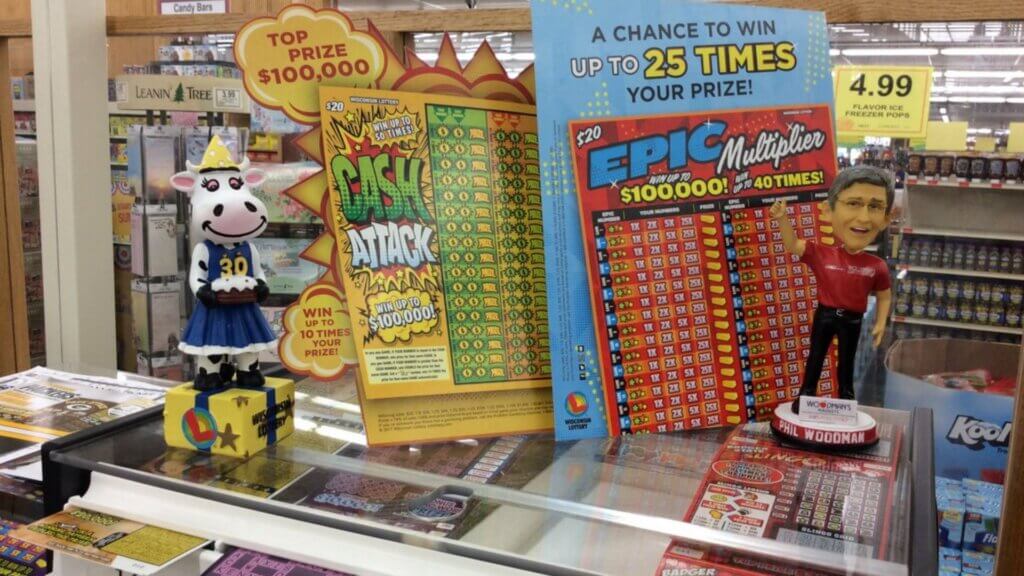
Store owners cannot easily refuse selling lottery tickets despite moral concerns—it would cost them 30-40 percent of total sales. Gas stations rely on lottery allure to attract customers who then purchase coffee, snacks, and other impulse items. Stores selling winning tickets receive state commissions and earn “Lucky Retailer” status, boosting sales by 12-38 percent as hopeful customers chase that luck.
Lottery Sales Increase When Unemployment Rises
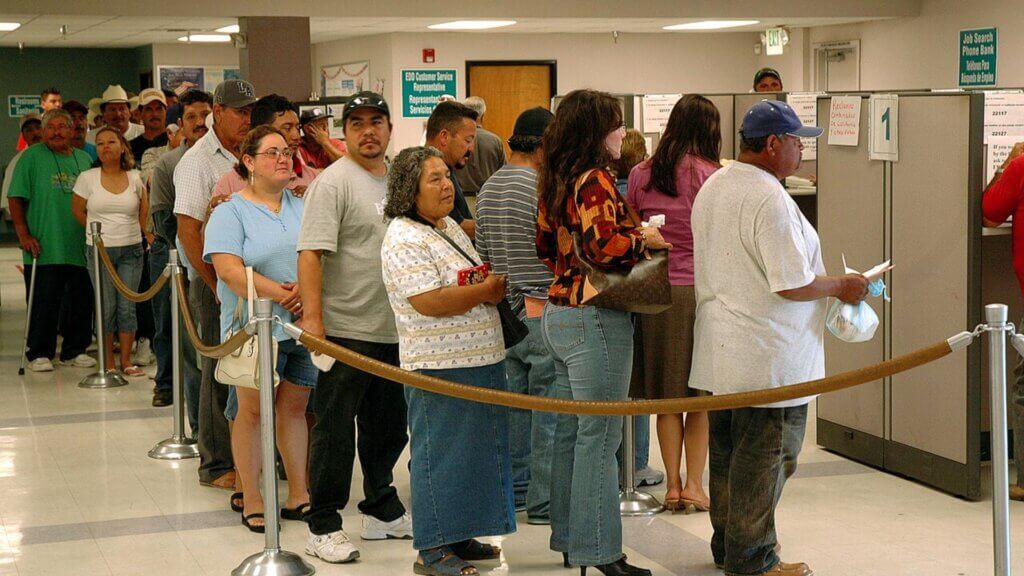
During recessions, lottery ticket sales actually surge rather than decline. In 2008’s worst recession period, 22 of 42 lottery states recorded record sales. Chicago and Indiana saw the highest sales in counties with the lowest employment rates. Cornell economist Garrick Blalock explained that desperate people buy more tickets, hoping for financial windfalls, while states profit from capitalizing on citizens’ economic fears.
The Lottery Is Really Just A Hidden Tax
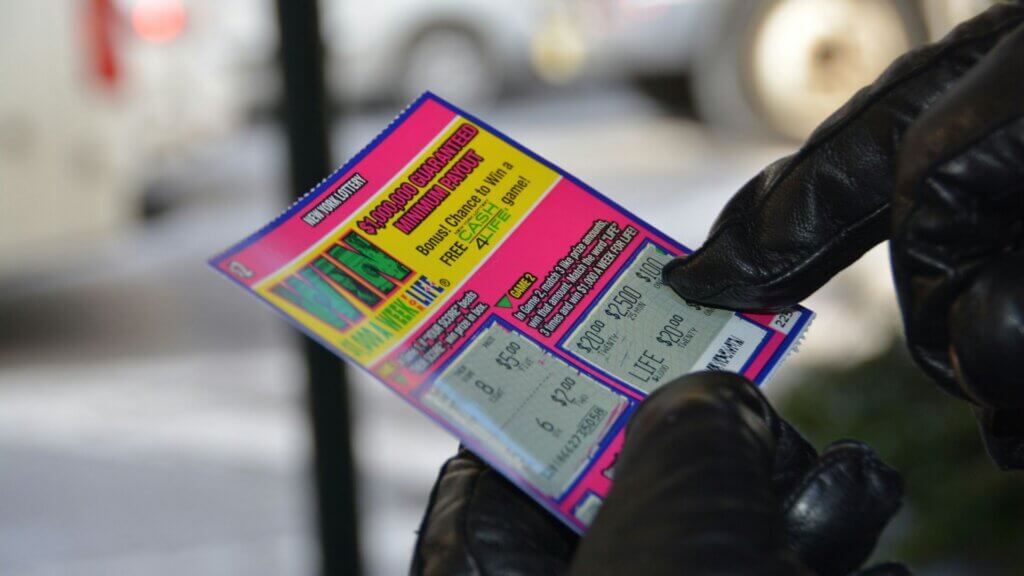
If governments honestly called the lottery a tax, sales would plummet immediately. Unlike income tax proportional to earnings, lotteries tax the poor at extraordinarily high rates. A Carnegie Mellon study determined that lotteries create vicious cycles, exploiting low-income individuals’ desires to escape poverty while directly preventing financial improvement. States increase revenue by keeping poor people poor through this deceptive system.
Lottery Money Rarely Actually Helps Education Programs
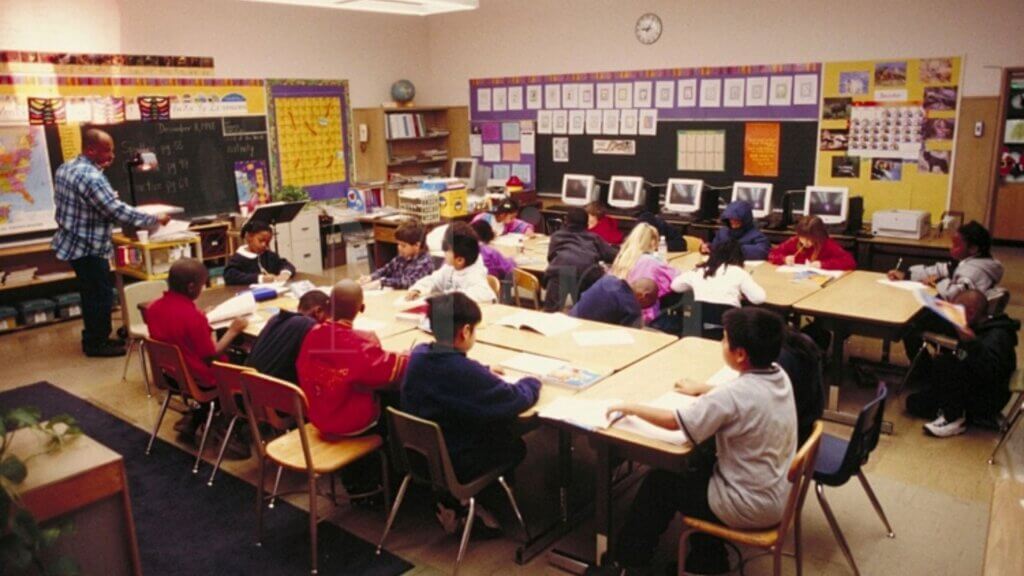
Though states promise lottery proceeds support education, the money typically disappears into general funds or replaces existing budgets rather than supplementing them. Political scientist Patrick Pierce noted that, given a few years, states would have spent more on education without lotteries. California received a C-minus grade for its schools and ranked 41st nationally despite receiving billions in lottery revenue annually.
The Lottery Systematically Preys On Poor Communities
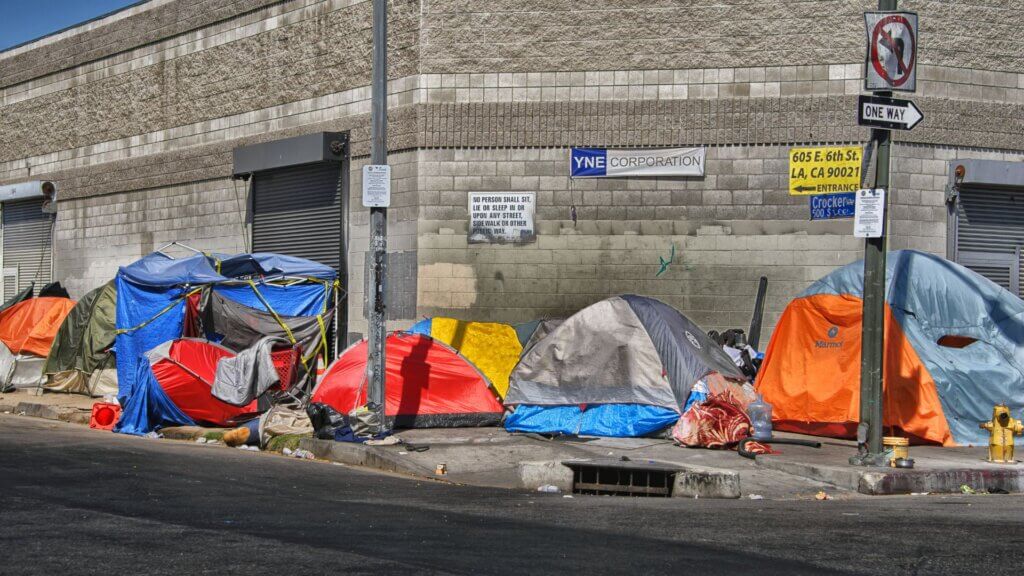
In 2014, Americans in 43 lottery states spent $70 billion on lottery tickets—more than on all other forms of entertainment combined. Spending isn’t distributed equally across economic classes. North Carolina’s poorest counties had highest sales: 18 of 20 counties with poverty exceeding 20 percent topped the state’s $200-per-adult average. States actively advertised more heavily in impoverished neighborhoods, exploiting desperate hopes for escape.
Winning The Lottery Usually Destroys Lives
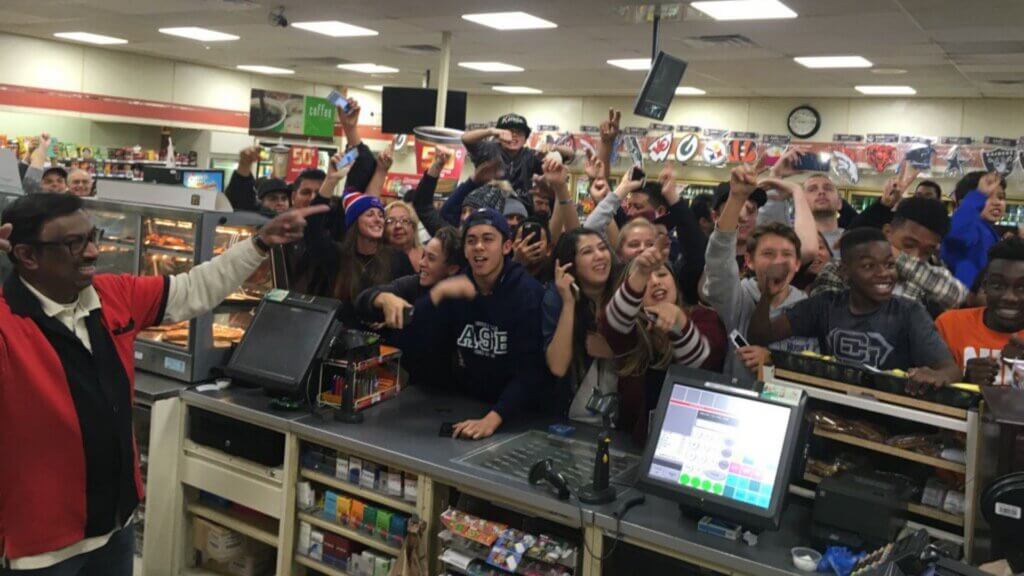
Forbes reports one-third of lottery winners eventually declare bankruptcy. Many more suffer increased depression, divorce, and suicide rates. Billie Bob Harrell Jr. won $31 million, bought houses and cars for loved ones, then told friends, “Winning the lottery is the worst thing that ever happened to me” before committing suicide. Sudden wealth devastates people unaccustomed to managing large fortunes.