

Products are selected by our editors, we may earn commission from links on this page.
Shampoos, serums, capsules, gummies, rosemary oil, biotin. The hair growth aisle has exploded with options promising thicker, fuller hair, and most people have no way to tell which ones are backed by real evidence and which are just expensive hope in a bottle. A board-certified dermatologist at the Cleveland Clinic has a clear answer about which product actually delivers, and it isn’t the one most people reach for first.
Hair Loss Affects Far More People Than Most Realize
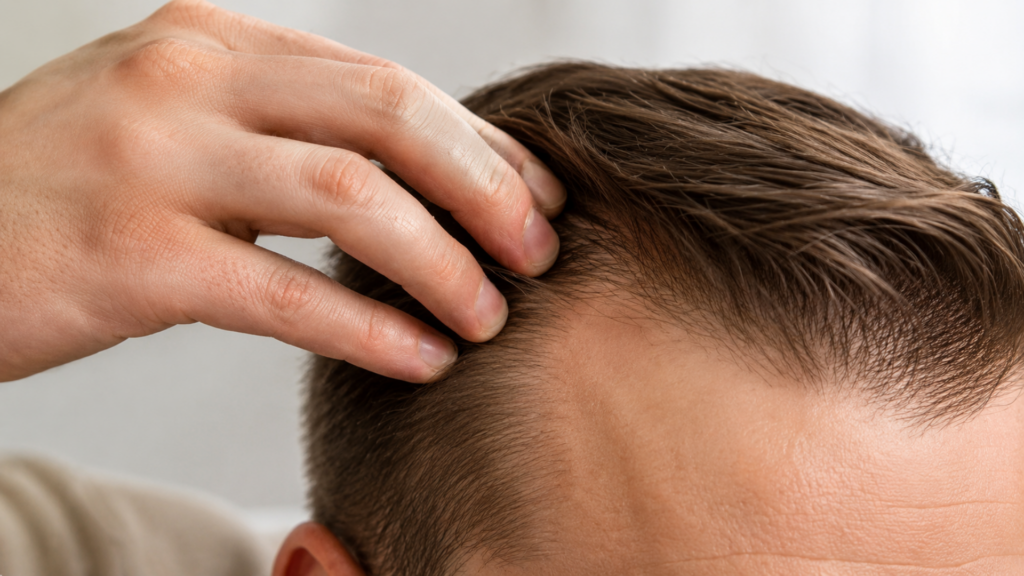
According to the Cleveland Clinic, 85% of men and roughly 40% of women will experience some degree of hair loss by age 50, and the odds only climb from there. That scale explains why the hair growth industry has ballooned into a multibillion-dollar market. It also explains why so many products exist that promise results without ever having been tested in a real clinical trial.
One Ingredient Has Decades of Data Behind It

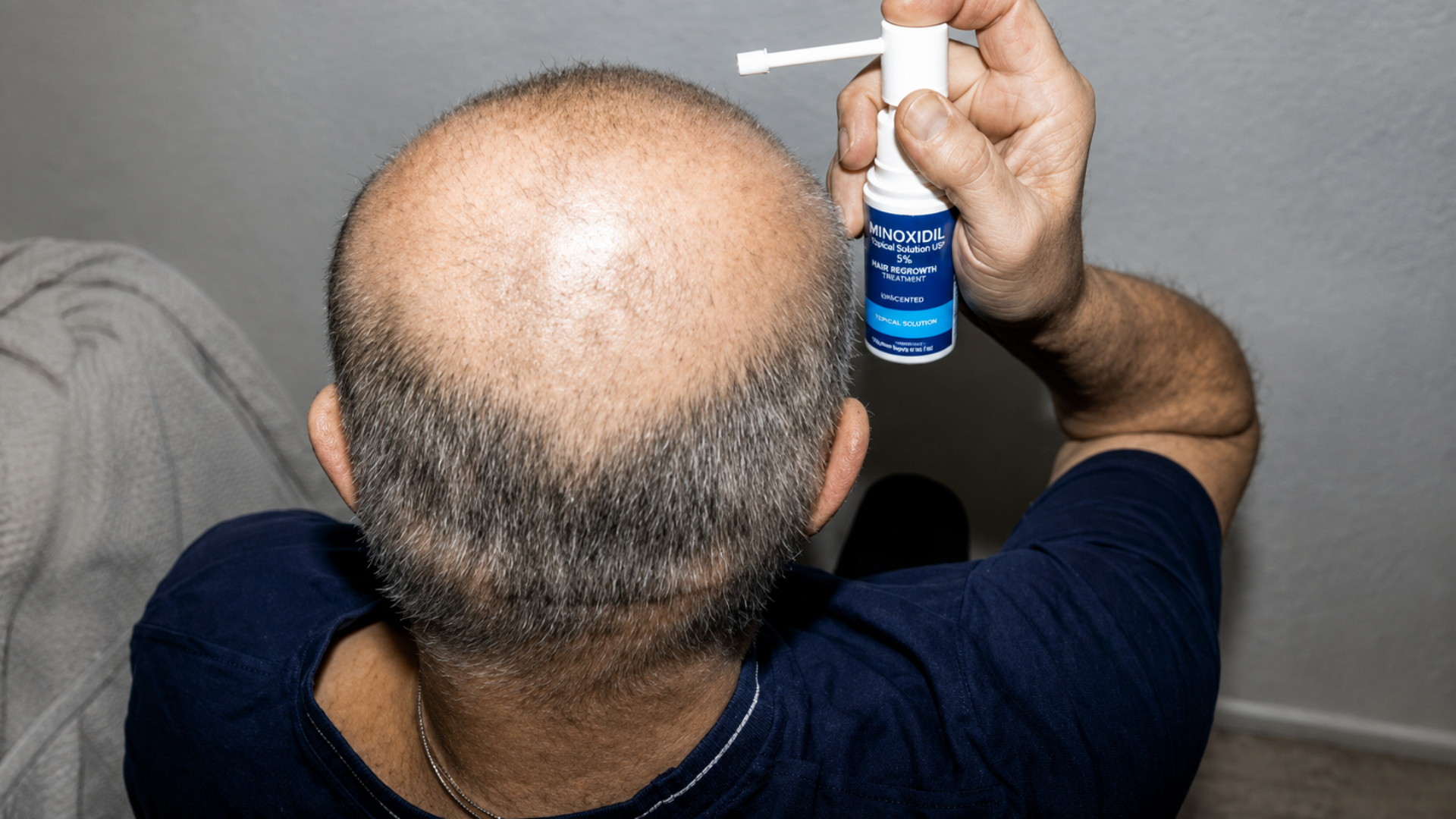
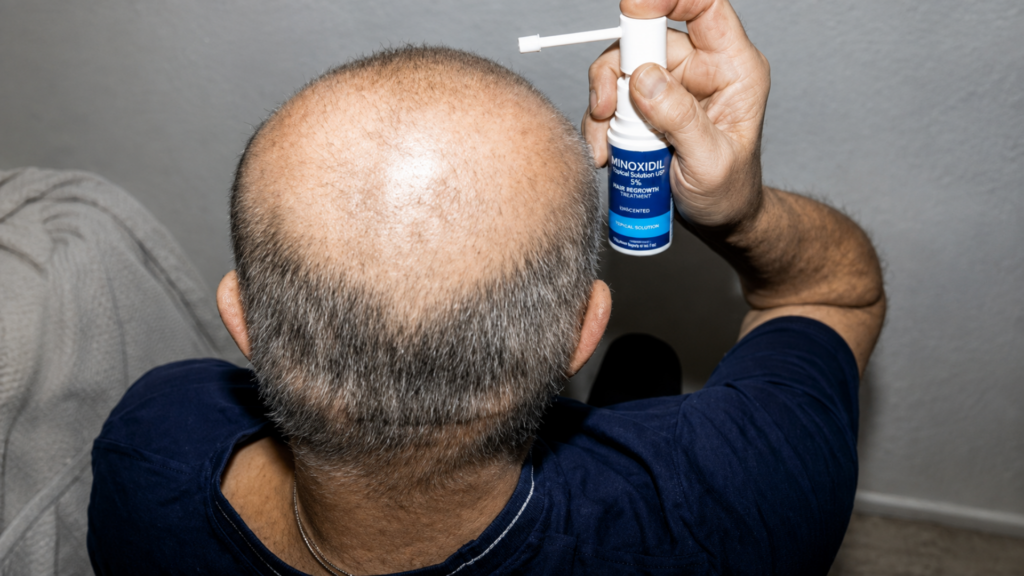
Dr. G. Cheyana Ranasinghe, a board-certified dermatologist at the Cleveland Clinic, says the product she trusts most isn’t a supplement at all. “I do gravitate towards topical minoxidil,” she says, “because that has been used to treat male and female patterned hair loss for decades.” Unlike most products on shelves, minoxidil has been studied in large clinical trials for close to 40 years.
It’s the Only Product With This Exact FDA Distinction
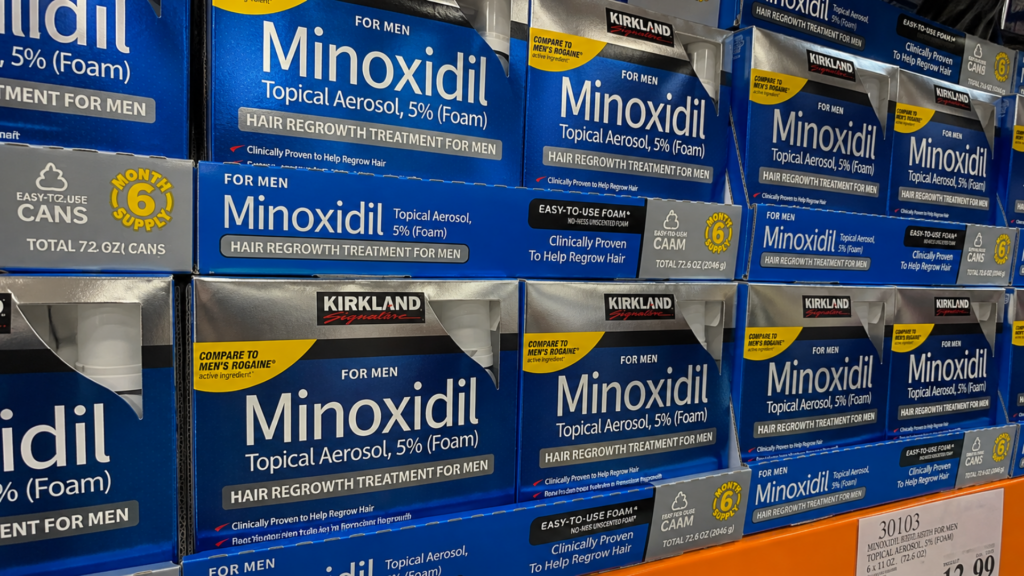
What separates minoxidil from nearly everything else on the market is a specific regulatory milestone. “It’s the only FDA-approved over-the-counter medication that both males and females can use that’s been clinically proven to regrow hair,” Ranasinghe says. The FDA first approved topical minoxidil in 1988, making it the first drug ever cleared specifically for hair regrowth rather than repurposed from another use.
Minoxidil Started Out as a Blood Pressure Pill

Minoxidil wasn’t developed for hair at all. It began in the 1970s as an oral medication for severe high blood pressure, and researchers noticed an unexpected side effect: patients were growing hair in places they hadn’t before. That accidental discovery led to a topical version being tested specifically for scalp use, eventually producing the treatment now sold over the counter in drugstores nationwide.
Consistency Determines Whether It Actually Works

Ranasinghe is clear that minoxidil isn’t a quick fix. Used “consistently and given enough time,” she says, it can promote “thicker, fuller, longer, denser hair.” Clinical trials have generally measured results over 12 months, not weeks, and dermatologists widely note that any regrowth typically reverses if a person stops applying it, since the treatment maintains hair rather than curing the underlying loss.
The Supplement Aisle’s Favorite Ingredient Has a Data Problem
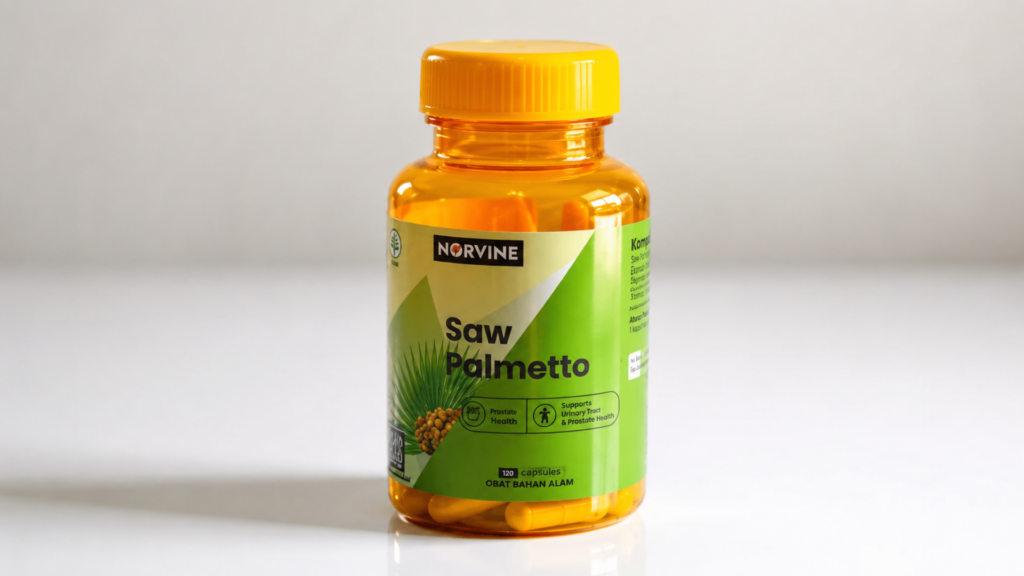
Biotin remains one of the most heavily marketed hair growth ingredients, but Ranasinghe says the science doesn’t back the hype. “When we look at the scientific literature, patients who had taken biotin versus patients who did not, there was no statistical significant difference in hair regrowth,” she says. Recent systematic reviews of the clinical literature have reached the same conclusion in people without a diagnosed biotin deficiency.
A Milder Natural Alternative Does Have Some Real Evidence
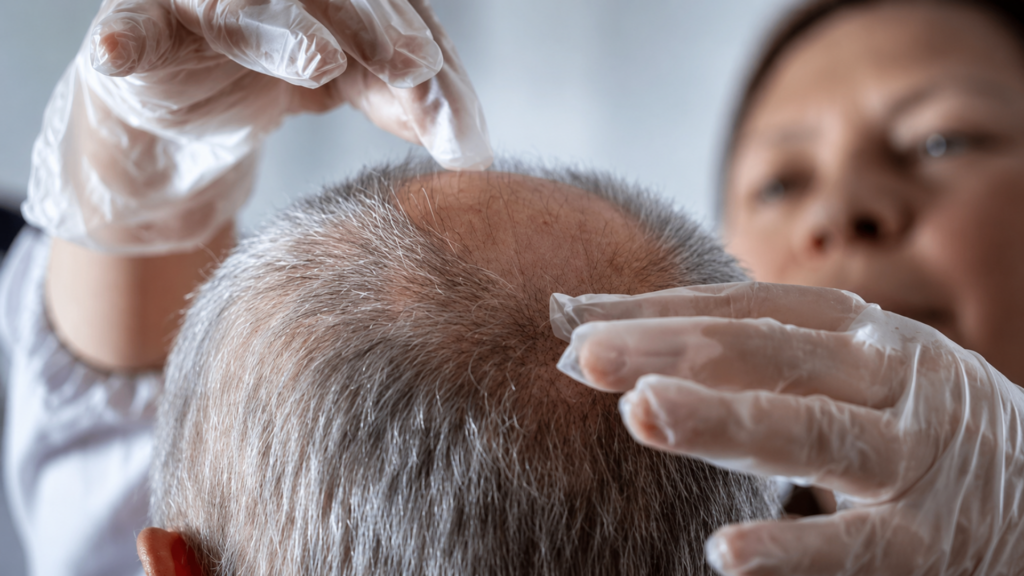
Saw palmetto, a plant extract sometimes marketed as a gentler option, has more clinical support than biotin but still trails minoxidil by a wide margin. Trials have found it can reduce DHT, the hormone linked to pattern hair loss, by roughly 30 to 40%, compared to the 60 to 70% reduction seen with prescription finasteride. Researchers describe its effect on regrowth as real but modest.
There’s One Interaction Warning Worth Taking Seriously
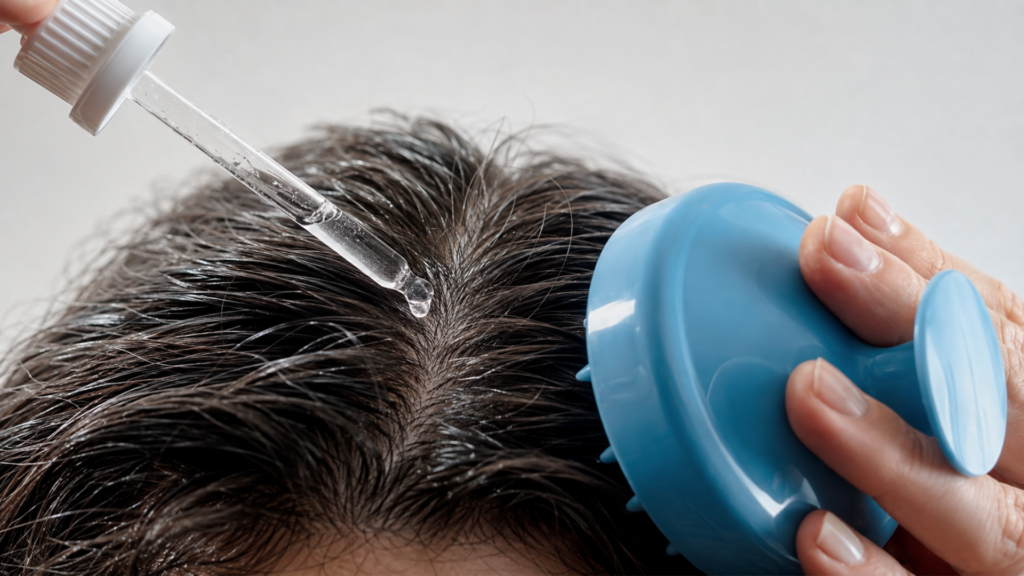
Before adding any hair growth product to a routine, Ranasinghe recommends a simple but often skipped step. These products, including minoxidil, can interact with existing medications, so she advises telling a doctor before starting one. It’s a small conversation that can prevent complications, especially for anyone already managing blood pressure medication or other prescriptions.
The Bottom Line From a Dermatologist Who’s Reviewed the Evidence

Strip away the marketing and the evidence points in one direction. Minoxidil remains the only over-the-counter option with decades of clinical trials and an FDA approval built specifically around hair regrowth, while biotin and most other supplements haven’t cleared that same bar. For anyone tired of guessing which product is worth the money, that distinction is the one dermatologists keep coming back to.