

Products are selected by our editors, we may earn commission from links on this page.
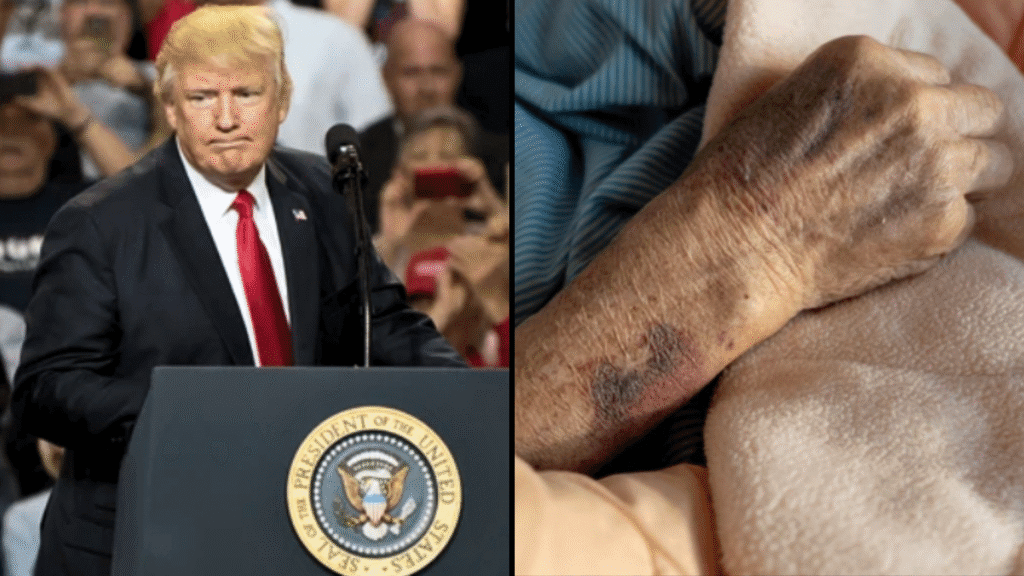
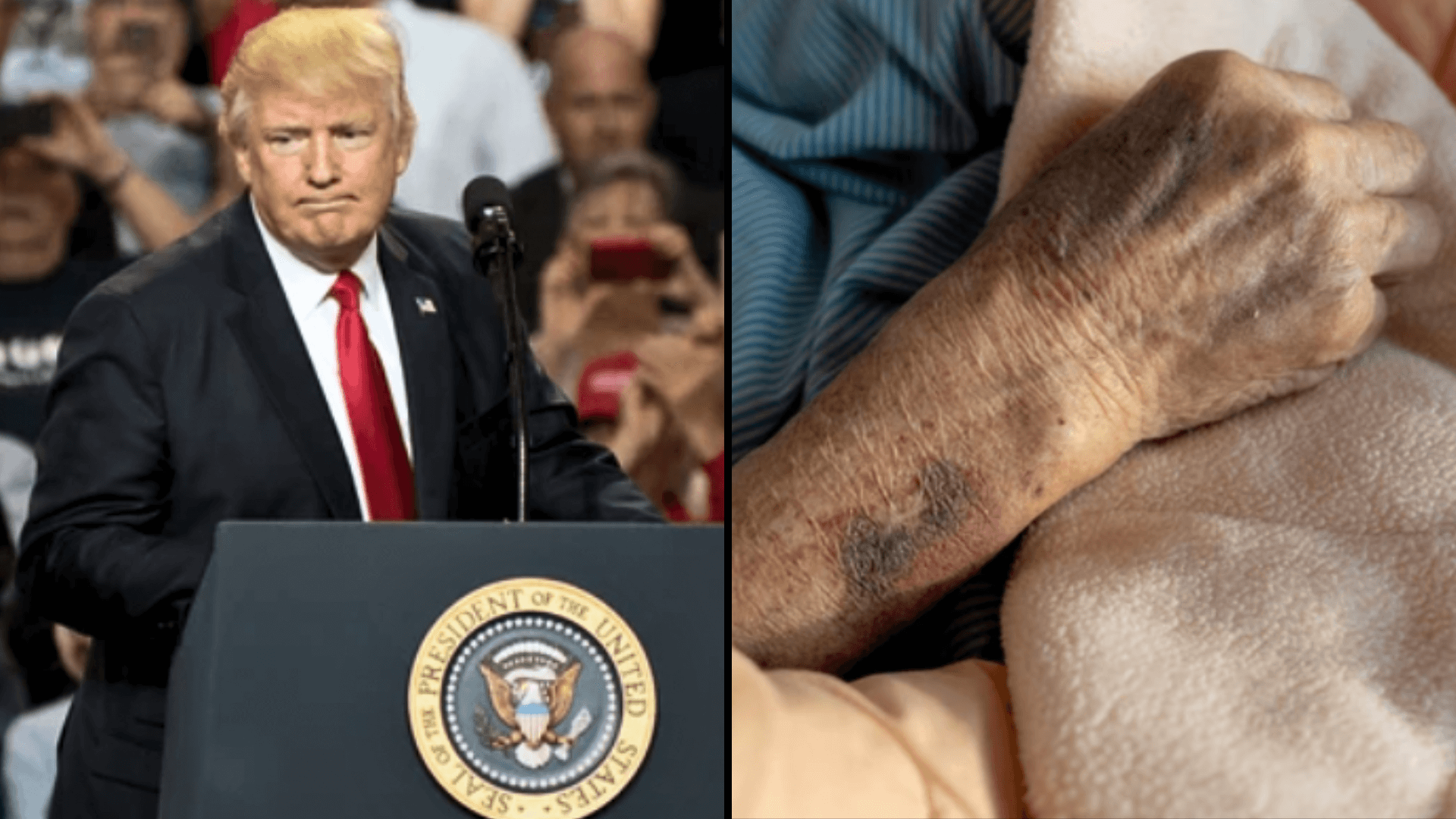
A licensed physical therapist, Adam James, has stirred controversy after suggesting Donald Trump may be showing signs of frontal lobe deterioration. Speaking on a political podcast, James claimed the president’s recent public behavior — including rambling speeches and moments of confusion — could indicate neurological decline. He went as far as suggesting that MRI scans would reveal visible shrinkage in the frontal lobe, though no such scans have been publicly released.
James argued that the frontal lobe controls impulse regulation and judgment, claiming Trump’s tendency to veer off-topic or reveal sensitive information might signal impairment. However, no neurologist involved in Trump’s care has confirmed any such diagnosis. Without verified imaging or formal cognitive evaluations made public, the claim remains speculative, yet it has rapidly fueled viral debate online.
Medical experts generally caution that diagnosing frontotemporal dementia requires extensive neurological exams, imaging studies, and longitudinal behavioral assessments. Public speech patterns alone are not sufficient evidence. Still, James’ comments have ignited fierce discussion about presidential transparency, cognitive testing, and whether voters deserve deeper insight into a leader’s neurological health as they approach 80 years old.
The Bruises, The Speeches, and The Online Theories
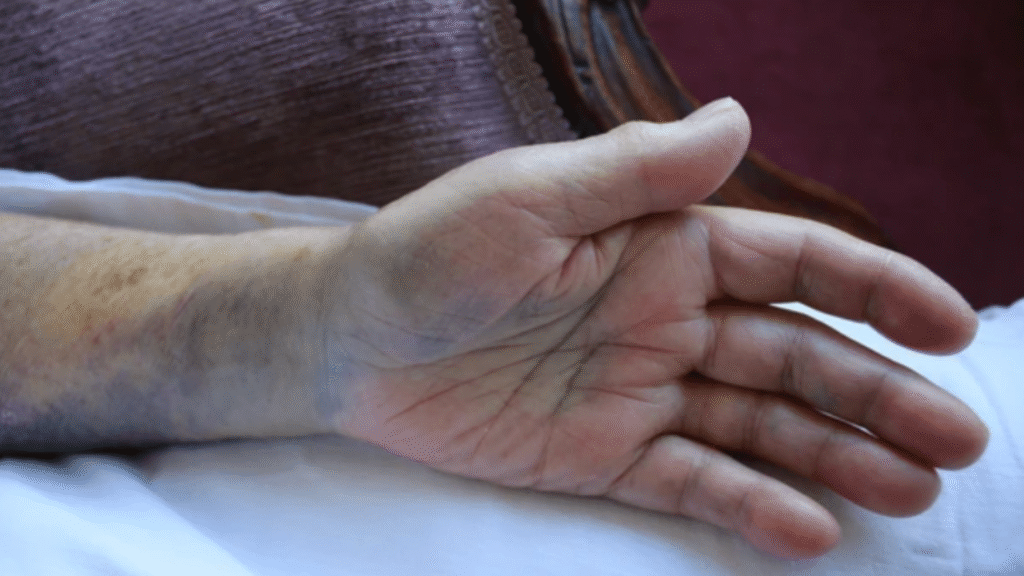
Photos showing bruising on Trump’s hands have circulated repeatedly, prompting speculation about his physical condition. Trump has previously attributed the marks to frequent handshaking and daily aspirin use, which can thin the blood and increase bruising. Aspirin-related bruising is medically plausible, particularly in older adults with delicate skin and minor trauma exposure.
James disputed that explanation, claiming the marks resemble IV injection sites, suggesting possible undisclosed treatments. There is no public medical confirmation supporting that assertion. Physicians note that bruising can result from common factors including medication, minor impacts, or age-related skin thinning. Without direct medical evidence, interpretations remain speculative rather than diagnostic.
Beyond bruising, critics point to moments where Trump appeared to confuse locations or lose his train of thought during speeches, including a widely discussed Davos address. Supporters argue such verbal slips are common in long, unscripted appearances. Opponents interpret them as warning signs. The divide underscores how identical behaviors can be seen either as ordinary aging or something more serious.
The Dementia Comparison That Raised Eyebrows
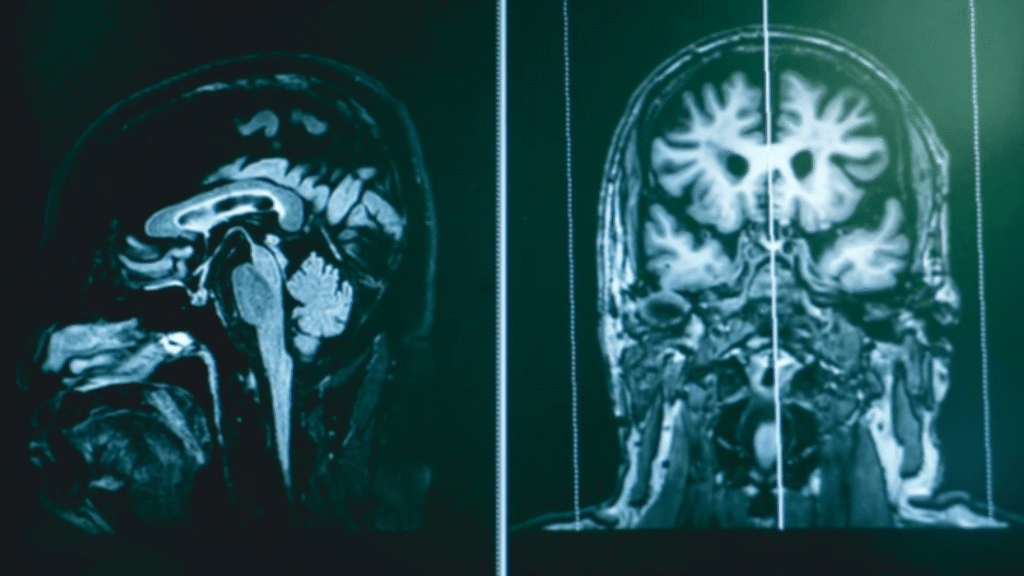
James referenced actor Bruce Willis, who was diagnosed with frontotemporal dementia, as a comparison point. That parallel intensified backlash, with critics calling it irresponsible to equate public speaking errors with a confirmed degenerative disease. Frontotemporal dementia typically presents with significant behavioral and language impairment that progressively worsens, often confirmed through neurological imaging and clinical evaluation.
Medical professionals emphasize that making diagnostic claims without examining a patient directly violates standard medical ethics. Public speculation, particularly involving neurological disorders, can misinform audiences and stigmatize serious conditions. Without documented testing results, drawing parallels between Trump and a confirmed dementia case remains conjecture rather than clinical assessment.
Still, the comparison resonated with many online, where health concerns about aging political leaders are increasingly debated. With Trump approaching 80, some voters argue that cognitive transparency should be mandatory for high office. Others contend that weaponizing medical speculation creates dangerous precedent, especially when diagnoses are being floated without formal evidence.
Political Weapon or Legitimate Public Concern?
Trump has repeatedly insisted he is in excellent health and has stated he has passed cognitive evaluations. No official medical report has indicated any life-threatening condition. The White House has not confirmed undergoing MRIs for neurological concerns, nor acknowledged any diagnosis resembling dementia. Official silence leaves space for speculation to flourish.
Critics argue that mental sharpness is a valid public concern given the responsibilities of the presidency, particularly in national security decisions. They point to visible aging signs and speech inconsistencies as grounds for demanding more medical transparency. In contrast, supporters view the claims as politically motivated attacks disguised as medical commentary.
Ultimately, the controversy highlights a larger cultural tension: How much health disclosure should voters expect from aging leaders? Without confirmed medical findings, the “shrinking frontal lobe” narrative remains unverified, but undeniably powerful. Whether it represents a serious warning or partisan overreach depends largely on perspective, and that divide shows no sign of closing.