

Products are selected by our editors, we may earn commission from links on this page.

That tickle deep inside your ear? The one not even your finger can reach? It might not be a hygiene issue at all. Doctors say it may have more to do with perimenopause, though research on it is limited. That stage typically begins in your 40s and lasts about four to seven years. Hot flashes and night sweats are the signs most people know, but itchy ears can show up too, and hormones are worth a closer look.
Why Estrogen Won’t Sit Still
Estrogen normally rises and falls across each menstrual cycle. In perimenopause, the swings get bigger. Dr. Sandy Chuan, a reproductive endocrinologist and obstetrician-gynecologist at San Diego Fertility Center, says egg and follicle quality decline. That means estrogen production can vary more dramatically from one cycle to the next. Ovulation may also be skipped now and then, and in those cycles estrogen stays low because no follicle is developing.
What Dropping Estrogen Does to Skin
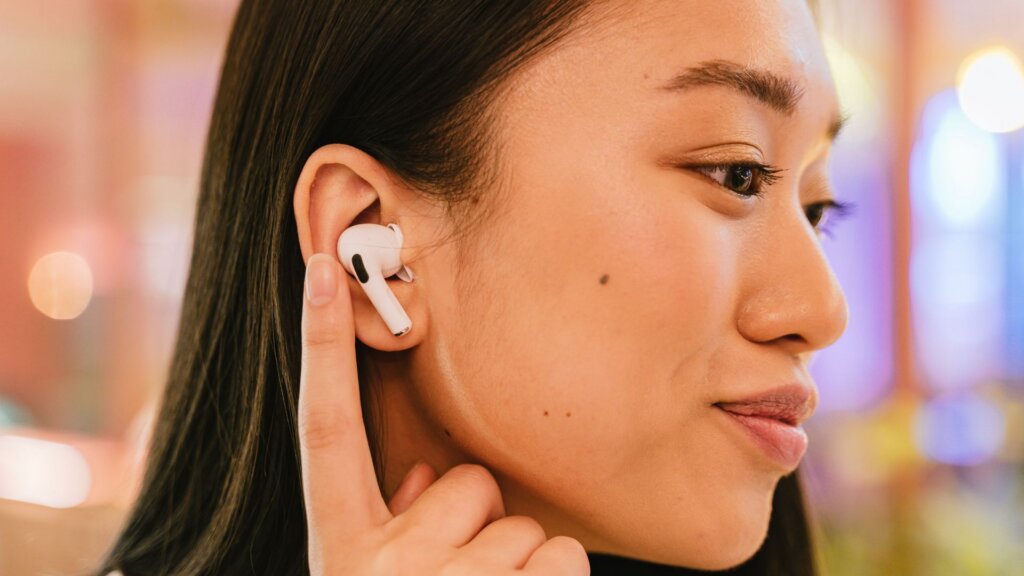
Skin leans on estrogen to stay hydrated. The hormone supports natural oils and collagen and boosts hyaluronic acid, a molecule that helps skin retain water. Chuan adds that declining estrogen affects keratinocytes, the cells that build the skin’s protective barrier, leaving it thinner and more vulnerable. Ears are delicate and regularly exposed to weather, earbuds, hearing aids, and hair products, so irritation has plenty of chances to start.
Why the Same Itch Can Feel Stronger
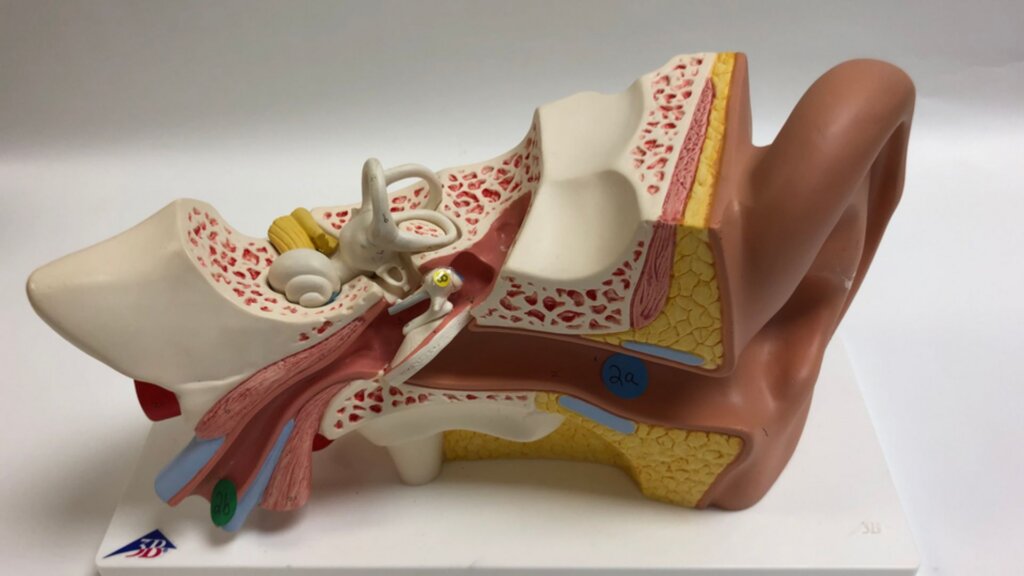
Estrogen also influences how spinal pathways process itch signals. Chuan explains that as hormone levels rise and fall, those pathways can become more or less sensitive, so the same minor irritation may suddenly feel stronger. Dr. Christine Maren, a board-certified physician and Menopause Society-certified provider, says age and hormonal shifts can change the makeup of earwax, which lubricates the ear canal. As the wax changes, the skin there is more likely to feel dry or sensitive.
Where Histamine Comes In
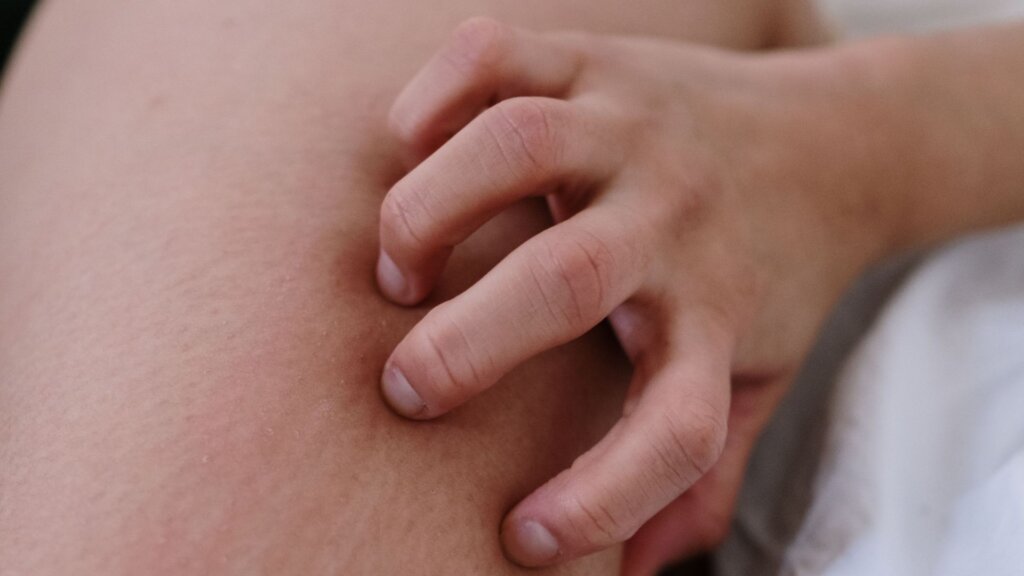
Maren explains that perimenopause often starts with less progesterone, which is anti-inflammatory and helps stabilize mast cells, the immune cells that release histamine. Histamine regulates inflammation and allergic reactions like itching. Estrogen swings can amplify the effect, since high levels can stimulate more histamine release while low levels can disrupt immune balance. In Maren’s view, the loss of hormonal balance over time matters more than high or low estrogen alone.
The Gut Connection

By menopause, Maren says, a woman’s gut microbiome is less diverse and looks more like a man’s. That shift may favor bacteria that produce histamine over those that break it down, leaving a heavier histamine load that can show up as itchy skin or hives. Low estrogen also affects the gut’s barrier function, which increases inflammation and plays a role in autoimmune diseases like psoriasis, Maren adds.
Sleep, Stress and Your Plate

What you do day to day can matter too. Poor sleep and an increased stress response both release pro-inflammatory markers, says Dr. Catherine Hansen, a certified menopause practitioner and chief medical officer at Effica Health. Those markers can hurt skin barrier function and healing, which adds to dryness and irritation. Dr. Stacey Silverman Fine of Maven Clinic says diet plays a role, pointing to plant-based eating, omega-3 fatty acids, and adequate vitamin D as ways that may support skin.
Hormones or Something Else?

Timing and accompanying symptoms can offer clues. Maren says hormone-related itchy ears may fluctuate through the month or come with vaginal dryness, hot flashes, irritability, or changes in menstrual cycles. Allergy-related itch tends to bring a runny nose, sneezing, and a seasonal pattern, while eczema usually shows flaking, scaling, and redness. Ear infections and fungal infections are often the most common causes, according to This Is Menopause, and persistent itching, pain, or bleeding is worth an appointment.
What to Try at Home
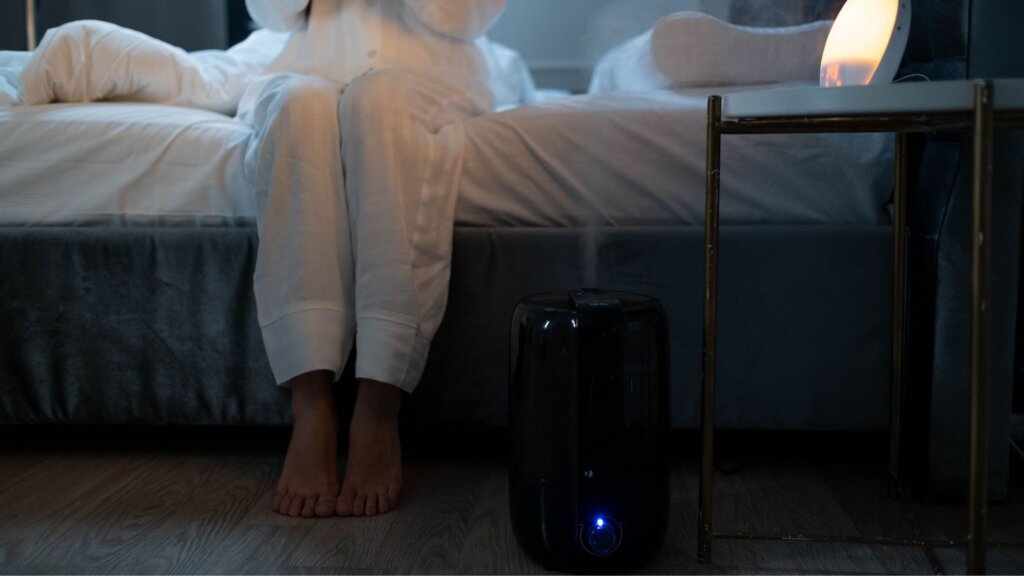
Fine calls gentle moisturizing the foundation of at-home care. She recommends a small amount of petrolatum-based ointment or cream on the outer ear canal, applied with a clean finger or cotton swab and never too deep. Short, lukewarm showers help too, since prolonged hot water strips natural oils and worsens itching. This Is Menopause adds a humidifier overnight, a warm compress, and plenty of water; one study found 2 liters a day for 30 days improved skin hydration.
What to Avoid and When to Get Help
Fine says hair products that drip into the ear, nickel or reactive-metal earrings, cotton swabs, and moisture-trapping earplugs can all worsen itching. She also notes that skin symptoms generally worsen with time, unlike hot flashes, so itching that persists despite home changes deserves medical treatment. Some women find hormone therapy helps their skin, though This Is Menopause says it isn’t proven as a first-line treatment for skin changes, so it’s one to raise with your provider.