

Products are selected by our editors, we may earn commission from links on this page.
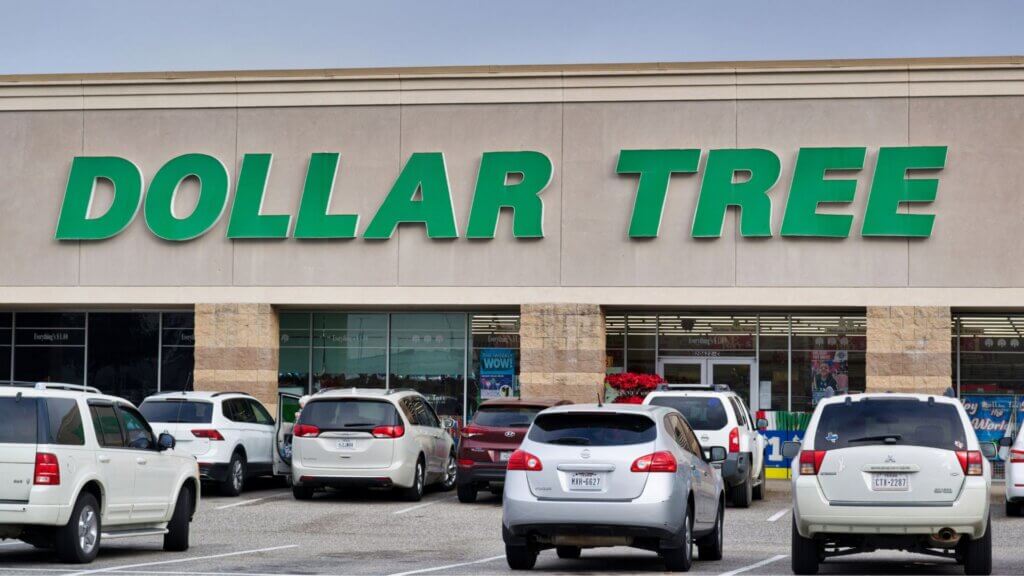
A few years ago, seeing a Dollar Tree pop up in an upscale suburb would have turned heads. Today, it barely warrants a second glance. The discount chain has been quietly but deliberately expanding into wealthier communities, planting stores near luxury boutiques and high-end restaurants in neighborhoods that would have once seemed like an odd fit. It is a strategic move, and one that is paying off in ways the company could not have imagined a decade ago.
The store count tells part of the story. Dollar Tree has grown from roughly 5,000 locations to more than 9,000 in under ten years. But it is not just the number of stores that has changed, it is where they are being built. Nearly half of all new locations opened since 2019 have landed in higher-income ZIP codes, a noticeable jump from the 41% share recorded in the six years prior. The company’s customer profile is shifting right alongside its map.
CEO Mike Creedon has been open about the direction. He describes the chain’s current customer base as wider than it has ever been, spanning households watching every dollar to those with six-figure incomes who are simply choosing to spend more carefully. The pitch is that Dollar Tree is not your last resort; it is your smartest choice. Whether that message sticks with the shoppers they are trying to attract is another question entirely.
From One-Dollar Roots to a New Strategy
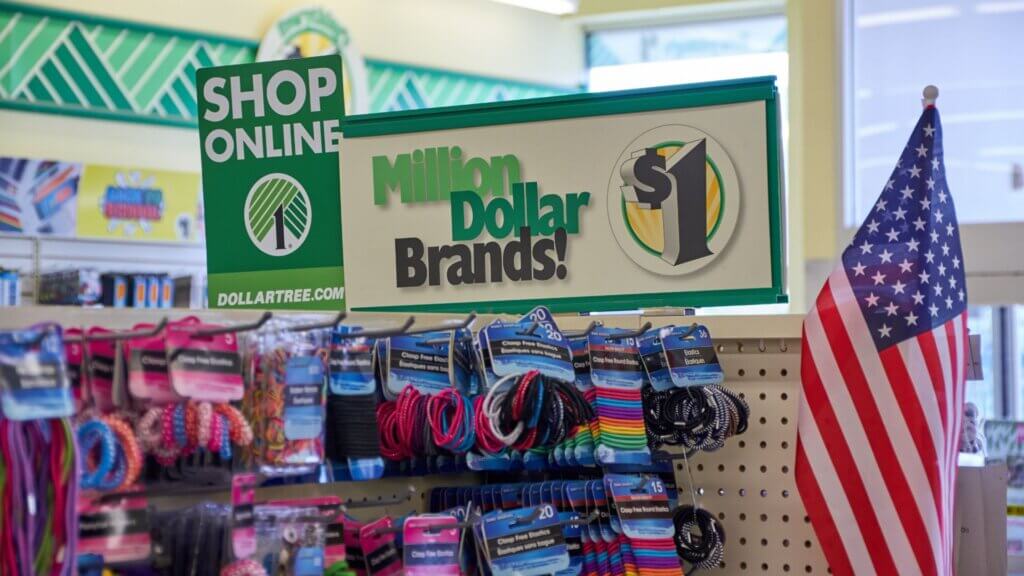
Dollar Tree’s entire identity was once built on a single promise: nothing costs more than a dollar. That simplicity gave the brand its name and its loyal customers. But it also put a hard cap on what the store could realistically sell. Certain products — anything bulky, premium, or even moderately useful — could not be offered at that price without the company absorbing a loss. Something had to give, and eventually it did.
The company tested higher price points in 2019, quietly rolling out items above the dollar threshold in a handful of stores. The experiment worked well enough to go chain-wide. By 2021, the base price climbed to $1.25. Products eventually reached $7, with a range of price tiers now available in every location. That flexibility gave Dollar Tree room to stock more useful, higher-margin goods and to pursue the kind of shoppers who might actually buy them.
The financial results have validated the shift. Comparable sales grew 4.2% year over year in the third quarter of 2025, and the company is on track for its strongest annual revenue growth in nearly a decade. Its stock value has surged significantly over the past year. Around the same time, Dollar Tree offloaded Family Dollar, the budget brand it acquired in 2015 to reach lower-income customers, which had long been a financial drag on the company.
What Wealthy Shoppers Are Actually Buying
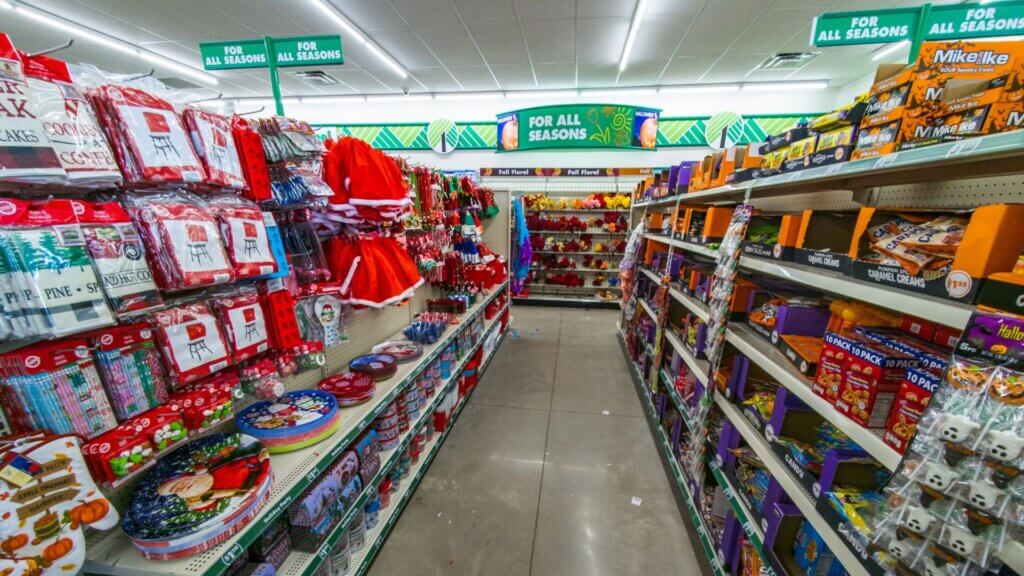
Step inside a newer Dollar Tree in an affluent part of Plano, Texas, and the store feels calibrated for a different kind of visit. Seasonal decorations and gift accessories are displayed prominently near the entrance. Things people pick up on impulse, not out of need. Basic household staples are further back, almost as an afterthought. The surrounding area includes luxury car showrooms and a steakhouse whose tasting menu could fund weeks of Dollar Tree shopping.
Shoppers in that store describe the experience as recreational more than essential. One customer said she treats it as a place to find extras — small, low-stakes additions to her regular shopping trips. Another, a local business owner in her seventies, said she likes browsing because trying something new feels risk-free at these prices. If a product disappoints, the cost is minimal. This psychology: ‘cheap enough to experiment’ appears to be exactly what the company is counting on.
Higher-income shoppers visit less often than those with tighter budgets, but they tend to spend slightly more per trip. The math adds up faster than it might seem. According to Dollar Tree’s own projections, persuading each occasional high-income customer to visit just once more per year could generate around $1 billion in additional annual revenue. That single data point explains a lot about why the company is so focused on this demographic right now.
The Low-Income Customer Has Not Been Forgotten Yet

Dollar Tree is careful to frame this expansion as an addition, not a substitution. The company says it is also opening new stores in lower-income urban areas, and that spending growth was recorded across every income group in its most recent quarter, including households earning under $20,000 a year. Creedon has acknowledged that budget-constrained customers rely on the chain more heavily today, even as the company courts a wealthier crowd. Both realities, he suggests, can coexist.
Retail analysts are more skeptical. One observer noted that chasing higher-income customers is simply a more profitable play: margins improve, shrinkage goes down, and store conditions tend to be better in wealthier areas. Dollar Tree’s pivot reflects a pattern seen across retail, where even value-oriented brands are realigning toward consumers with more spending power. For lower-income shoppers, that means fewer retailers are specifically building around their needs, even as those needs grow.
For now, the chain manages to appeal to both groups, even if for entirely different reasons. A tech support worker in Plano shops there to stretch her budget on household basics, and still finds the value worth it despite higher prices. A retired neighbor stopped in for a roll of tape and left considering candy for her grandchildren. Convenience and low prices cut across income lines. The question is whether Dollar Tree can keep serving both worlds — or whether it will eventually have to choose.