

Products are selected by our editors, we may earn commission from links on this page.
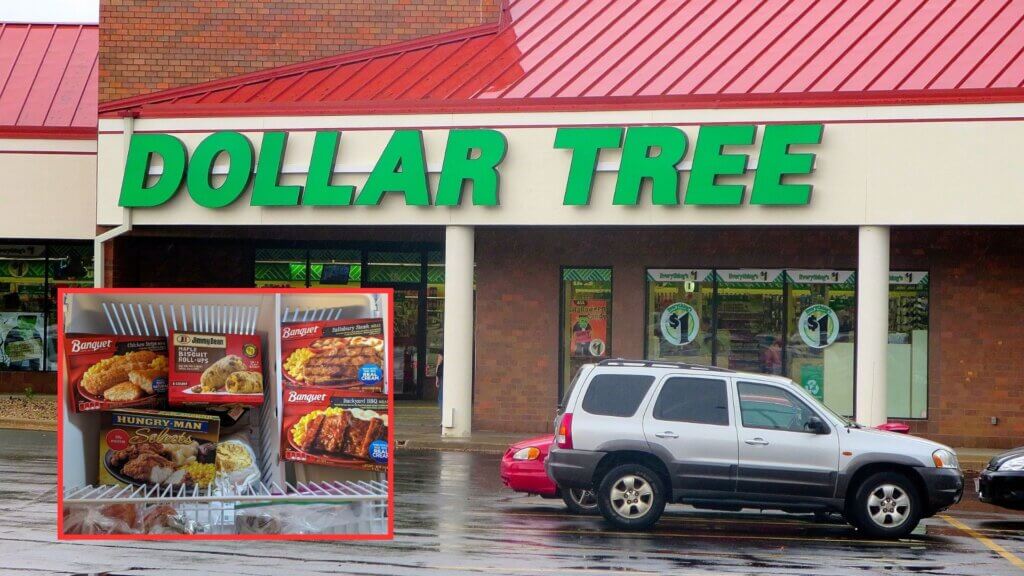
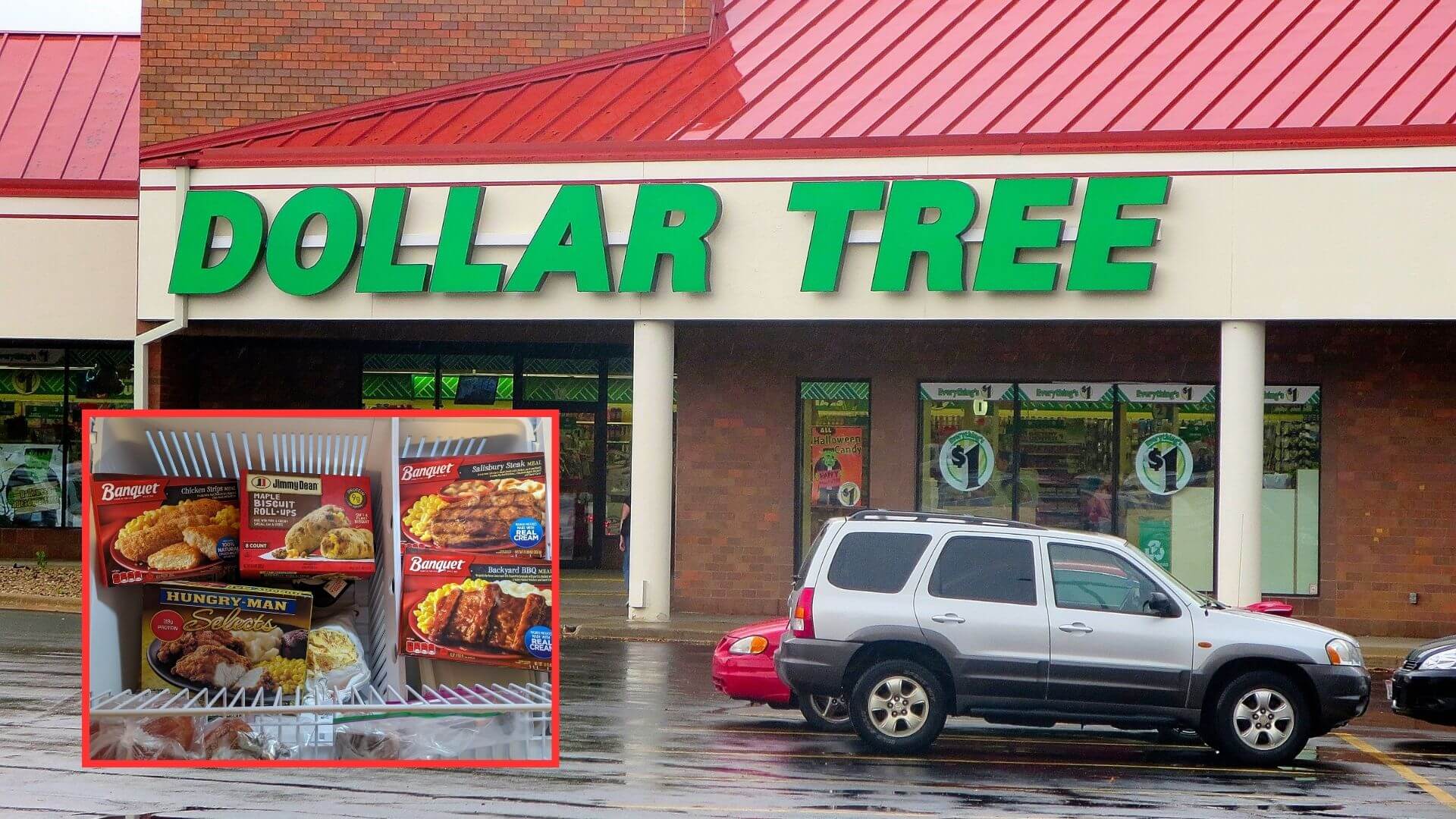
A Dollar Tree employee’s Reddit post has sparked outrage after revealing boxes of frozen food marked for disposal following a “frozen reset.” The backroom photo showed perfectly edible items—frozen vegetables, chicken sandwiches, and ice cream—all destined for landfills despite being within their expiration dates. The worker’s plea for advice in r/DollarTree exposed a widespread issue: company policies preventing store-level donations, even when food remains safe to eat. The post ignited conversations about corporate responsibility during America’s ongoing food insecurity crisis.
When fellow Redditors suggested contacting food banks, commenters revealed a major obstacle: Dollar Tree’s explicit policy forbidding donations of unsold or out-of-date items. The original poster confirmed this restriction applies even to discontinued products still within expiration dates. This blanket prohibition removes discretion from individual employees who might otherwise coordinate with local charities. The policy prioritizes uniformity and liability concerns over potential community benefits, leaving workers powerless to prevent waste despite knowing the food remains perfectly safe for consumption.
Despite corporate policy, donation practices vary dramatically between locations. A Los Angeles commenter expressed surprise at the disposal requirement, noting their local Dollar Tree partners with organizations that collect expired or non-sellable items monthly. These inconsistencies suggest some stores successfully navigate donation partnerships while others strictly enforce disposal mandates. The variation appears driven by individual management decisions and established community relationships rather than uniform corporate guidance, creating a patchwork approach where geography determines whether edible food feeds people or fills dumpsters.
The disposal becomes especially troubling considering tens of millions of Americans struggle with food insecurity in their households. Reddit commenters highlighted this disconnect—edible food heading to landfills while neighbors go hungry. Each discarded frozen meal represents nutrition that could address immediate community needs. The gap between available surplus inventory and people lacking adequate food access illustrates systemic failures in connecting resources with need. What retailers consider operational convenience translates to missed opportunities to combat hunger at the local level.
Food Waste Dominates America’s Landfills
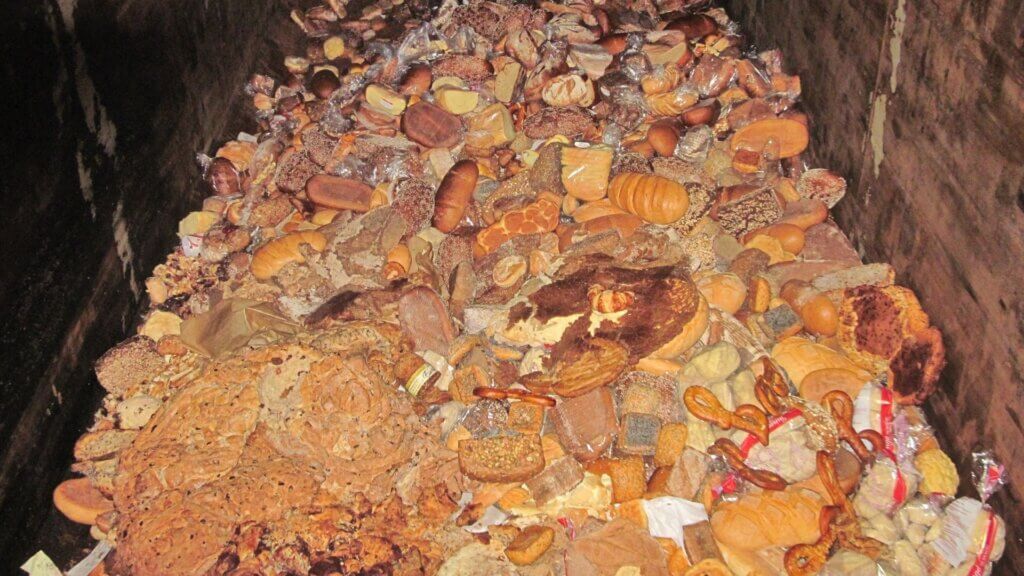
The U.S. Department of Agriculture estimates 30 to 40 percent of America’s food supply becomes waste, making it the largest category entering landfills. This staggering figure represents more than lost nutrition—it squanders the land, water, labor, and energy invested throughout production. The disposal problem extends far beyond individual retail stores, reflecting inefficiencies across the entire supply chain. Every discarded item carries environmental costs from farming through processing, packaging, and transportation, making food waste a compound crisis affecting both resources and climate.
Food rotting in landfills produces methane, a greenhouse gas with severe climate implications. The Environmental Protection Agency reports that methane traps at least 28 times more heat than carbon dioxide, making food waste an environmental crisis beyond the social issue. Organic matter decomposing in oxygen-deprived landfill conditions releases these powerful greenhouse gases, accelerating planetary warming. The environmental impact extends far beyond initial disposal decisions, turning what seems like a simple waste management issue into a significant contributor to climate change that affects everyone.
Reddit discussions suggest liability concerns drive restrictive policies, especially for frozen products. Frozen foods become unsafe outside specific temperature ranges, creating health risks that complicate donations. Unlike shelf-stable items, frozen inventory demands continuous cold chain management from store to final recipient. This temperature sensitivity makes retailers reluctant to release products they cannot monitor through consumption, even when items remain frozen at disposal time. The legitimate food safety concerns create barriers that don’t exist for non-perishable donations, explaining why some categories face stricter restrictions.
Dollar Tree’s Charitable Commitments Show Mixed Results
Dollar Tree and Family Dollar announced a $350,000 partnership with No Kid Hungry last year to provide 3.5 million meals and improve food access through grants. Despite these corporate-level charitable initiatives, the disconnect between company-wide hunger commitments and store-level disposal policies reveals implementation challenges. The gap highlights difficulties translating broad mission statements into daily operational practices. While corporate headquarters pledges resources to fight childhood hunger, frontline employees watch edible food enter dumpsters, illustrating the complexity of aligning corporate values with on-the-ground realities.
Social media users have praised retailers like Trader Joe’s and Kroger for quickly organizing food giveaways during power outages, preventing unnecessary waste. These emergency responses demonstrate that retailers can successfully distribute inventory when motivated by immediate circumstances. The quick mobilization during crises contrasts sharply with routine disposal policies, suggesting operational barriers to donation may stem more from liability concerns and established procedures than actual logistical impossibility. Some stores prove distribution is achievable when prioritized, offering models other retailers could follow.
Creative Solutions Offer Hope for Reducing Waste
Redditors suggested alternatives like the Too Good to Go app, which lets consumers purchase surplus food at steep discounts rather than seeing it discarded. This market-based approach addresses waste while eliminating donation liability concerns since items are sold, not given away. The platform connects retailers with consumers willing to rescue surplus inventory, maintaining the commercial transaction structure retailers prefer. These innovative solutions demonstrate that reducing food waste doesn’t require choosing between safety concerns and environmental responsibility—creative middle-ground approaches can satisfy both priorities.