

Products are selected by our editors, we may earn commission from links on this page.
A physical therapist’s prediction about President Donald Trump’s life expectancy has taken over the internet and the conversation shows no sign of cooling. Adam James, who works under the name “Epistemic Crisis” and has 14 years of clinical experience, told political commentator David Pakman that Trump could have as few as four months to live. The claim spread fast, though no official diagnosis supports it.
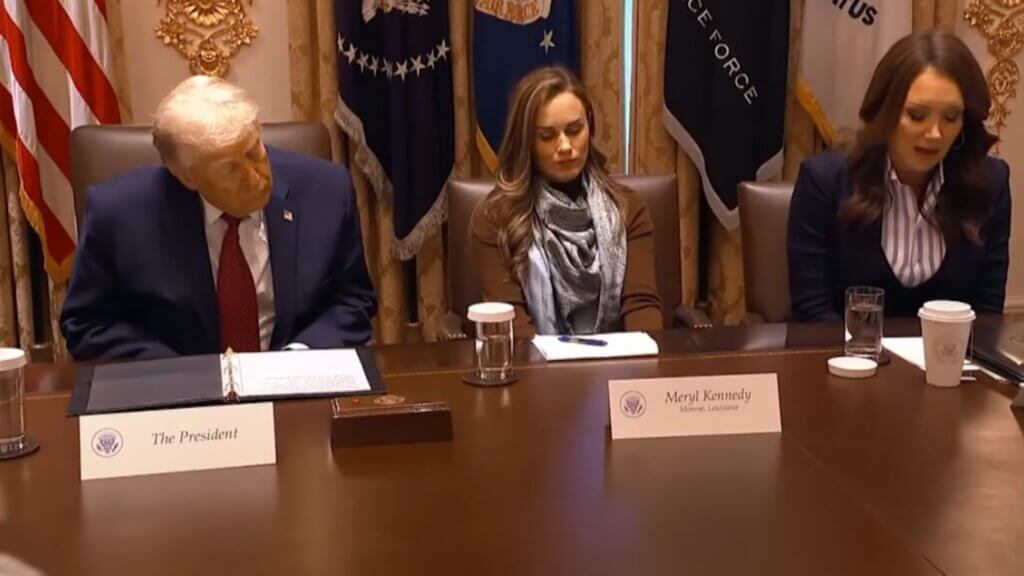
James built his case on what he describes as patterns visible to anyone watching Trump speak publicly. Stumbling sentences, apparent drowsiness at formal events, and a tendency to jump between unrelated subjects mid-thought. These are not random, he argued, but signs of neurological decline consistent with a deteriorating frontal lobe. His analysis was clinical in tone, even if it lacked the backing of a treating physician.
For many viewers, James put words to something they had quietly been watching. Trump’s address at the World Economic Forum in Davos drew particular attention — a speech in which the president confused Iceland with Greenland, drifted off repeatedly, and circled back without resolution. It was the kind of performance that moved conversation beyond politics and into questions about the president’s physical and mental fitness.
The Center of His Theory
James’s core argument revolves around frontotemporal dementia, a progressive brain condition that gradually damages the regions responsible for judgment, impulse control, and organized speech. According to James, the typical life expectancy after diagnosis runs between seven and twelve years but he believes Trump’s decline is moving faster. That acceleration, he told Pakman, is what led him to his four-month estimate.
One moment James flagged was an episode in which Trump referenced a classified military matter during a public appearance, openly acknowledged he wasn’t supposed to discuss it, then kept going anyway. James read this not as carelessness but as a failure of brain function. “He knows he’s not supposed to be talking about it,” James said. “But his brain is not stopping him.” It was a bold claim that the president’s filter had broken down, not his judgment.
James also drew a comparison to actor Bruce Willis, who was diagnosed with frontotemporal dementia after years of visible changes in his public appearances. Willis stepped back from his career in 2022 before the diagnosis was made official in 2023. James argued the timeline of Trump’s behavior mirrors that pattern — a gradual, observable unraveling that began years before it became impossible to ignore.
What Doctors Actually Confirmed
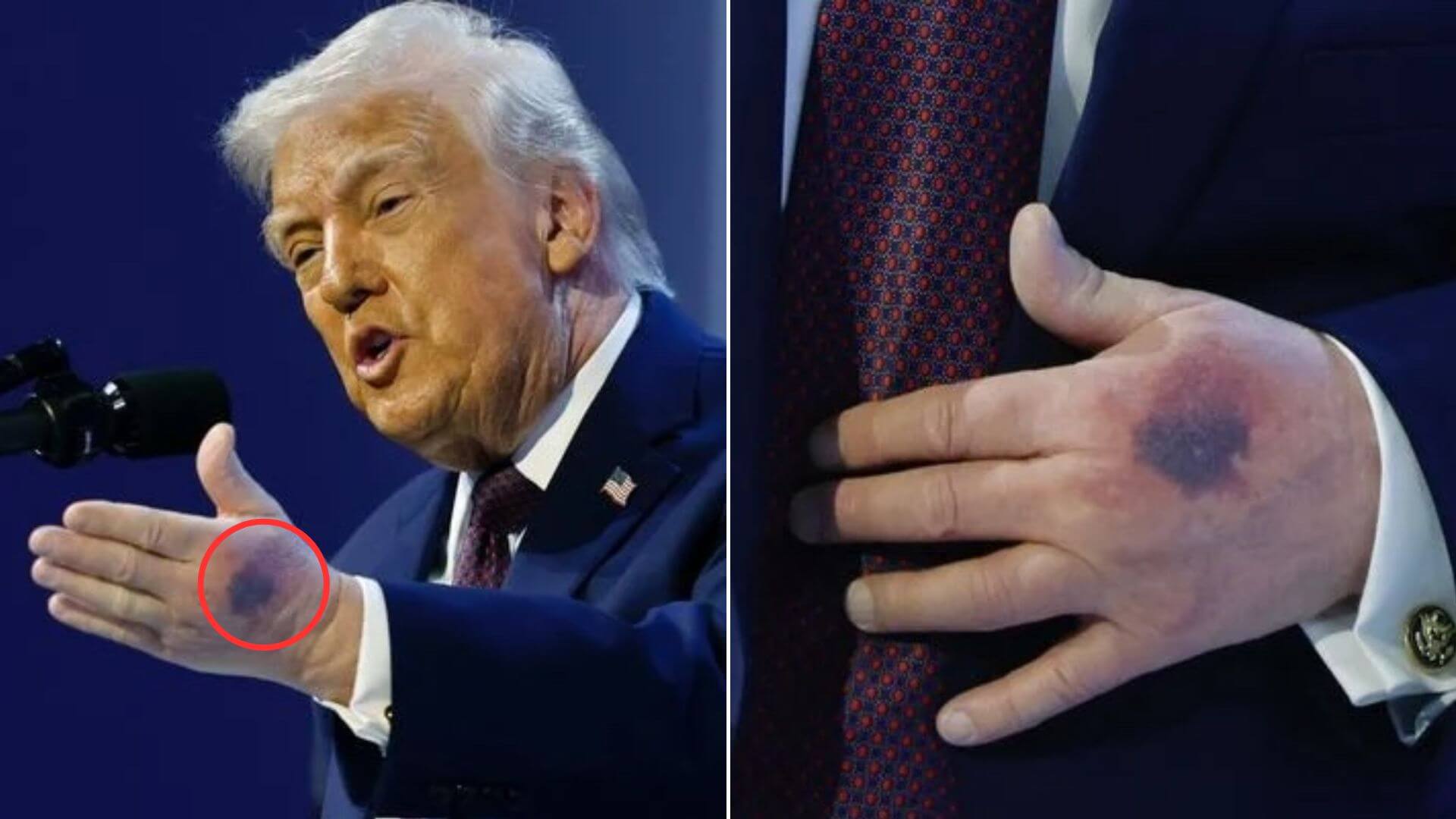
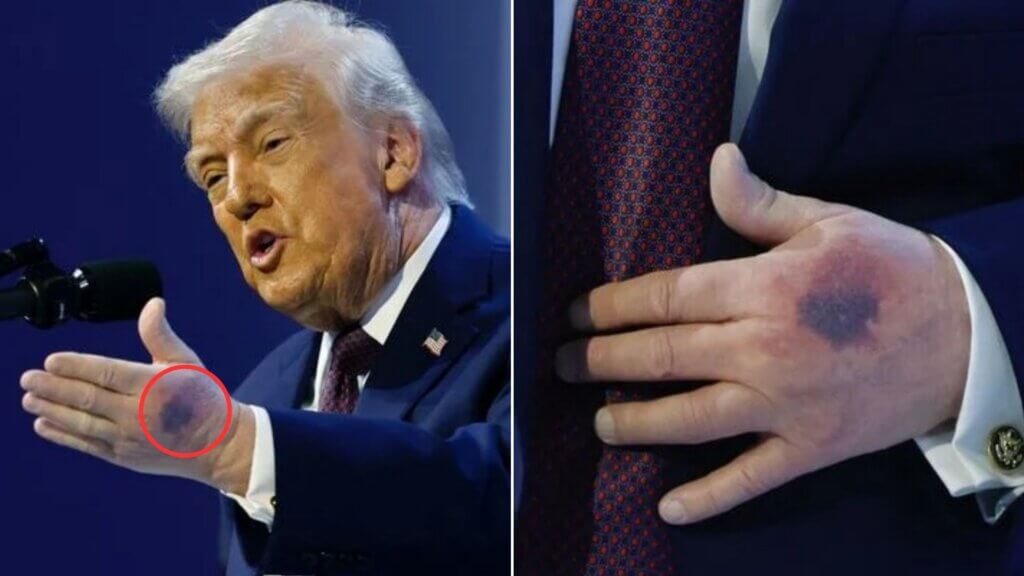
Photographs of bruising on Trump’s hands have circulated for months, sometimes appearing to be covered with makeup at public events. James argued those marks looked nothing like handshake injuries, calling them consistent with intravenous injection sites and suggesting Trump may be receiving regular IV medication to manage fluid retention. The White House firmly rejected that interpretation. Press Secretary Karoline Leavitt attributed the bruising to friction from frequent handshaking combined with Trump’s daily aspirin regimen for cardiovascular prevention.
The official record does show a real diagnosis. In July 2025, after photos emerged of visibly swollen ankles, the White House confirmed Trump had been diagnosed with chronic venous insufficiency, a circulatory condition common in people over 70, in which weakened vein valves cause blood to pool in the lower legs. His physician, Captain Sean Barbabella, confirmed there was no deep vein thrombosis, no arterial disease, and that cardiac imaging showed normal function. Trump reportedly felt no discomfort.
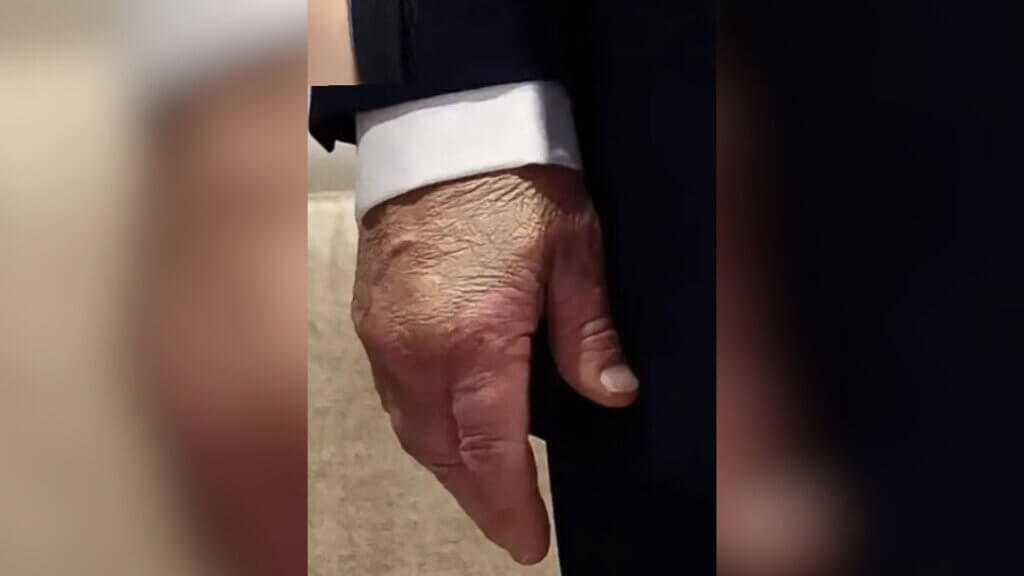
New bruising appeared on Trump’s left hand in late December 2025, complicating the handshake explanation since Trump is right-handed. Medical experts who reviewed images for CNN said the marks were likely benign and consistent with age and blood thinners. But the same experts noted that ongoing vagueness from the White House only guarantees that questions will keep coming. Transparency, they said, is the only thing that stops the speculation cycle, and so far, it has not arrived in full.
Why the Rumor Spread

James is not a neurologist. He has never examined Trump, reviewed his scans, or had access to his medical records. He is a physical therapist who observed publicly available footage and drew clinical-sounding conclusions from it. That distinction matters enormously. Diagnosing a condition, especially one as specific as frontotemporal dementia, requires imaging, cognitive testing, and direct evaluation. None of that underpins James’s four-month claim, which experts and critics alike have noted is well outside the scope of what a physical therapist can determine from a YouTube clip.
That said, the viral reach of James’s comments is not just a random noise. It reflects a genuine hunger for straight answers from an administration that has been inconsistent in how it handles health disclosures. Trump’s October visit to Walter Reed — described vaguely as routine before Trump himself mentioned receiving an MRI — only deepened public suspicion. His physician later confirmed the scan covered cardiovascular and abdominal systems, both of which came back normal. But the initial opacity gave the rumor mill exactly the fuel it needed.
The White House physician’s most recent assessment described Trump as maintaining a “demanding daily schedule without restriction” and noted his cardiac age tested roughly 14 years younger than his actual age. That is the official line. James’s counter-narrative, dramatic and unverified as it is, continues to travel because a portion of the public does not fully trust the official one. Until the gap between those two versions closes, claims like this will keep finding an audience and keep spreading further than they deserve.