

Products are selected by our editors, we may earn commission from links on this page.
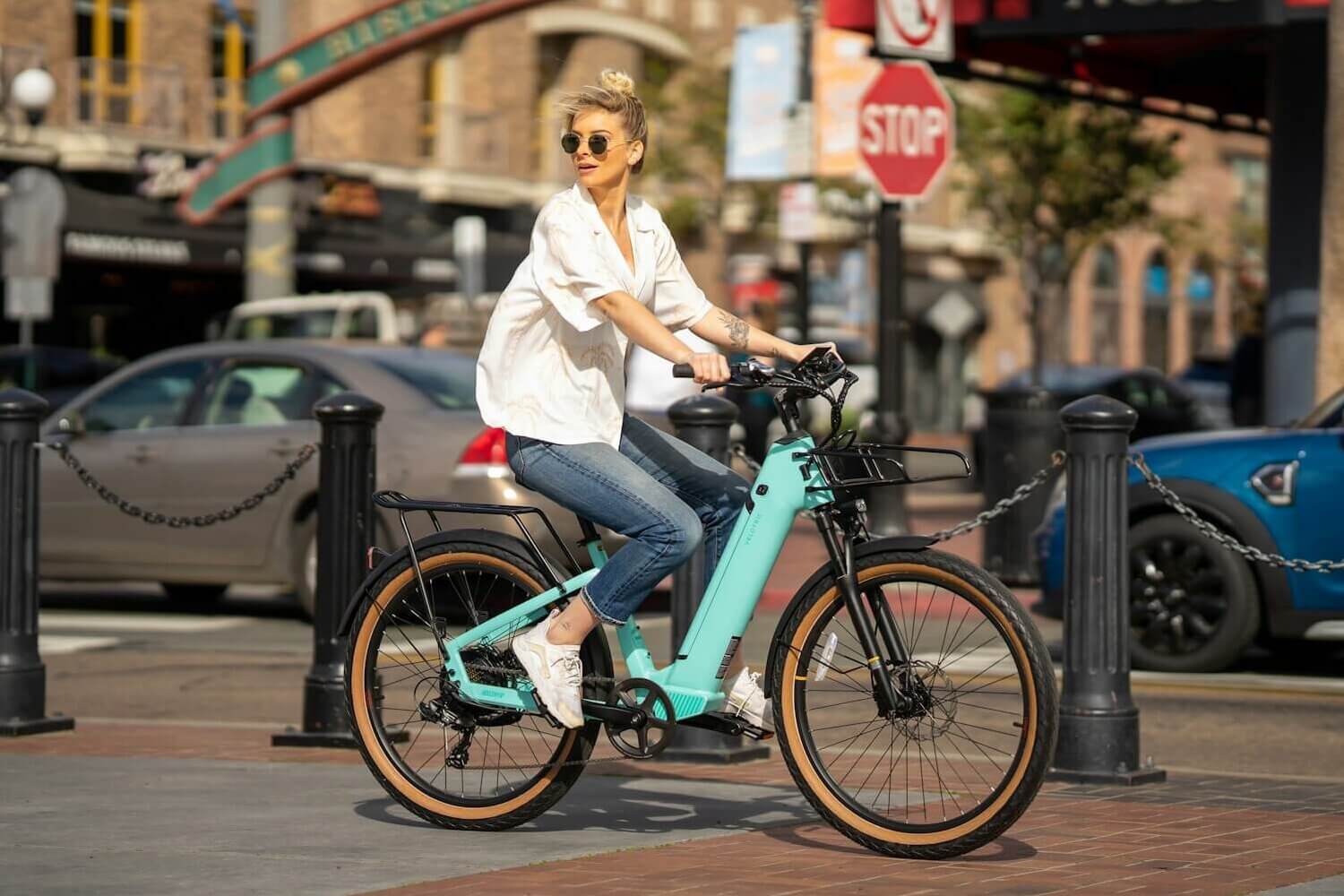
Electric bikes have exploded in popularity across the U.S., reshaping how people commute, run errands, and even earn a living. But in one state, that rapid growth has triggered a major regulatory shift. New Jersey has quietly become the first state to require a license, registration, and insurance for all e-bike riders, a move that’s drawing national attention.
A Sudden Change for Riders

The new rule took effect after New Jersey Gov. Phil Murphy signed the legislation into law in January, as reported by NBC10 Philadelphia. Under the law, every type of e-bike, regardless of speed or motor power, is now classified as a motorized bicycle. That means riders must meet licensing requirements similar to those for mopeds.
For many residents, the change came as a surprise. Riders who once treated e-bikes like traditional bicycles now face paperwork, fees, and testing before hitting the road.
What the Law Requires

E-bike riders must be at least 15 years old and obtain a motorized bicycle license through the New Jersey Motor Vehicle Commission. That process includes presenting six points of identification, passing a written and vision test, and completing a road test after holding a permit for at least 20 days. E-bikes must also be registered and insured.
Those who already have a standard driver’s license are exempt from getting a separate motorized bicycle license, but the registration and insurance requirements still apply. Riders under 14 are barred entirely from operating e-bikes under the new law.
Why New Jersey Acted

Gov. Murphy framed the law as a response to safety concerns following several deadly crashes involving e-bikes. “We are in an age of increasing e-bike use that requires us to take action,” he said in a statement reported by NBC10, emphasizing the goal of preventing tragedies and improving road safety.
Insurance Business noted that lawmakers were particularly concerned about reckless riding and high-speed vehicles mixing with traffic. By tightening regulations, state leaders argue they can bring clarity and accountability to streets that have grown more crowded.
No Distinction Between Bike Types

One of the most controversial aspects of the law is that it treats all e-bikes the same. Low-speed pedal-assist bikes capped at 20 mph are regulated exactly like more powerful electric mopeds that can exceed 30 mph. Insurance Business called it the most stringent e-bike regime in the country.
Critics argue this approach oversimplifies the risk. Patrick Cunnae, an adviser to Hyper Bicycles, told Insurance Business that sweeping low-speed e-bikes into the same category as high-powered machines is “fundamentally flawed” and ignores important safety differences.
Pushback From Cycling Advocates

Advocacy groups quickly raised concerns about access and equity. Debra Kagan of the New Jersey Bike Walk Coalition said the law creates barriers to micromobility while failing to focus on the vehicles most often involved in serious crashes. PeopleForBikes warned the policy could make New Jersey “the most unfriendly state for bicycling.”
Opponents also point out that a 2019 law already required licensing and insurance for faster Class 3 e-bikes, but enforcement was inconsistent. They argue better enforcement, not broader rules, would address safety issues more effectively.
The Insurance Angle

For insurers, the law opens a new and complicated market. Insurance Business reported that mandatory coverage creates demand, but lumping very different vehicles together makes pricing risk more difficult. A lightweight commuter e-bike and a throttle-driven e-moto carry very different injury and liability profiles.
Some analysts worry that higher costs could push low-risk riders off e-bikes altogether, undermining goals around sustainability and congestion reduction.
How This Fits the E-Bike Boom

The timing of the law coincides with a nationwide surge in e-bike use. A New Jersey State Policy Lab report noted that more than one million e-bikes were sold in the U.S. in 2022 alone, a 269% jump since 2019. Researchers highlighted e-bikes as a key tool for cutting emissions and expanding transportation access.
The Institute for Transportation and Development Policy has also emphasized that e-bikes can replace car trips and ease congestion when paired with clear, well-designed rules. New Jersey’s approach shows how quickly enthusiasm for micromobility can collide with regulatory caution.
Will Other States Follow?

So far, New Jersey stands alone. Most states still regulate e-bikes as bicycles, with distinctions based on speed and motor type. But transportation experts say other states are watching closely, especially as crashes and battery fires keep e-bikes in the spotlight.
Whether New Jersey’s law becomes a model or a cautionary tale may depend on what happens next, how many riders comply, how enforcement plays out, and whether safety outcomes actually improve.
A Turning Point for E-Bike Policy

For riders, the new licensing requirement marks a clear shift in how e-bikes are viewed: less like bicycles, more like motor vehicles. The law reflects growing tension between innovation and regulation as streets adapt to new forms of mobility. As e-bikes continue to reshape transportation, New Jersey’s decision could signal the start of a broader national debate over how much oversight is too much.