

Products are selected by our editors, we may earn commission from links on this page.
Airport lines are getting longer, and patience is running shorter. But behind those lines is a deeper issue affecting thousands of workers. A funding impasse involving the Department of Homeland Security has left Transportation Security Administration agents working without pay since mid-February, even as they continue reporting for duty.
The TSA, which employs around 65,000 workers, is considered essential. That means officers are required to keep working even when paychecks stop. As the standoff stretches into weeks, the strain is becoming visible at airports across the country, where wait times have stretched significantly and staffing shortages are growing.
According to reporting from Reuters, some airports have seen security wait times stretch for hours, particularly during peak travel periods, as absenteeism rises and officers face mounting financial pressure.
Elon Musk Steps In With an Unusual Proposal

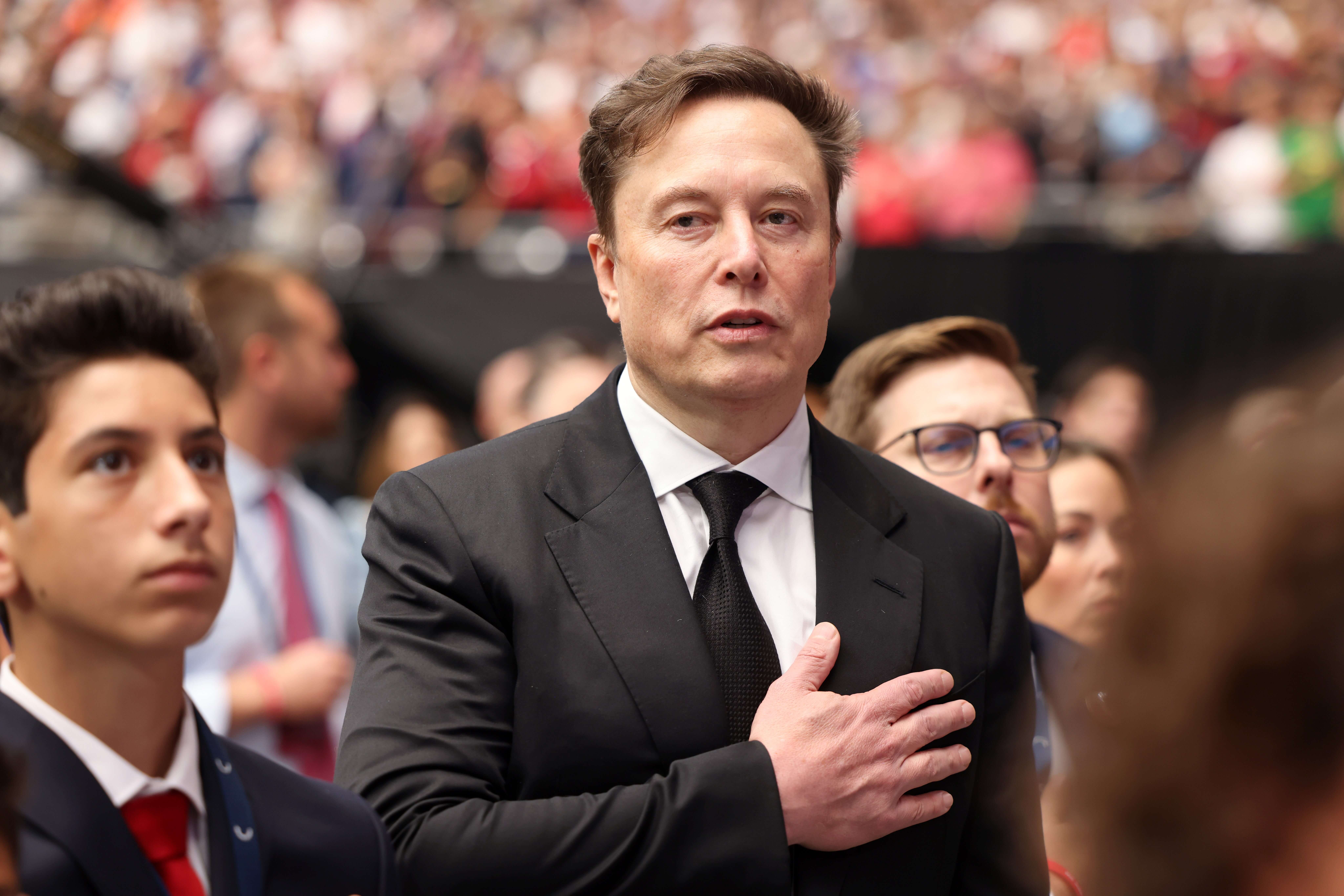
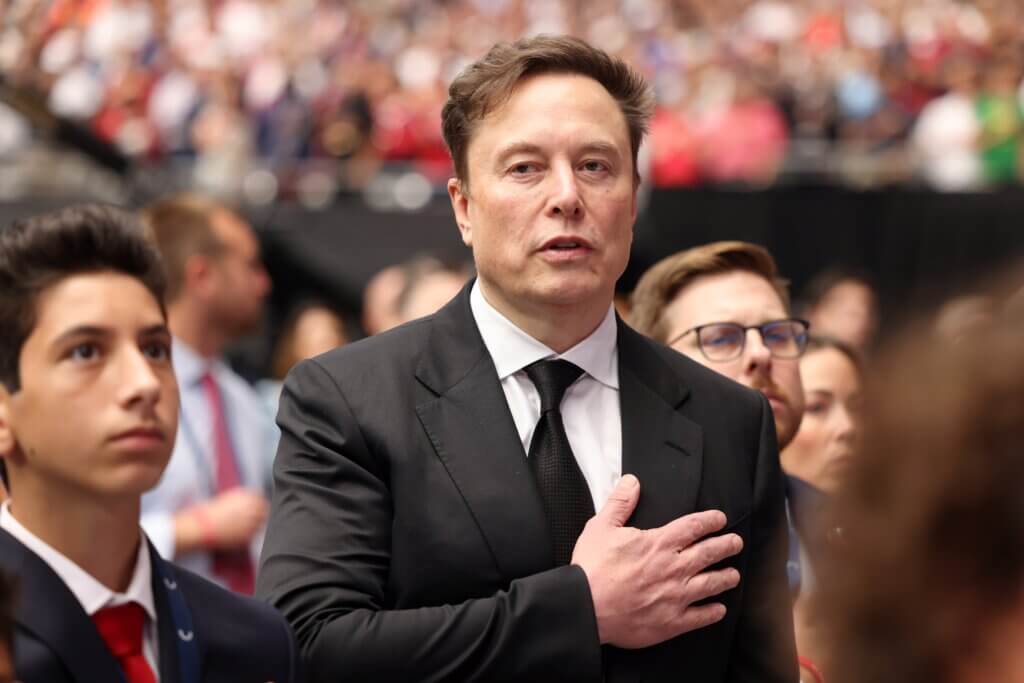
Amid the disruption, Elon Musk made a move that quickly drew national attention. In a post on his platform X, the billionaire said he would personally cover the salaries of TSA workers during the funding gap, writing that the situation was “negatively affecting the lives of so many Americans at airports throughout the country.”
The proposal stood out not just for its scale, but for its timing. The funding impasse had already entered its fifth week, and workers were nearing a second missed paycheck. With airport disruptions worsening, the offer was seen by some as an attempt to ease pressure on both workers and travelers.
Still, it remains unclear how such a plan would work in practice. Federal law generally requires government employees to be paid through congressional appropriations, raising questions about whether outside funding could be used at all.
A Political Standoff With Real-World Effects
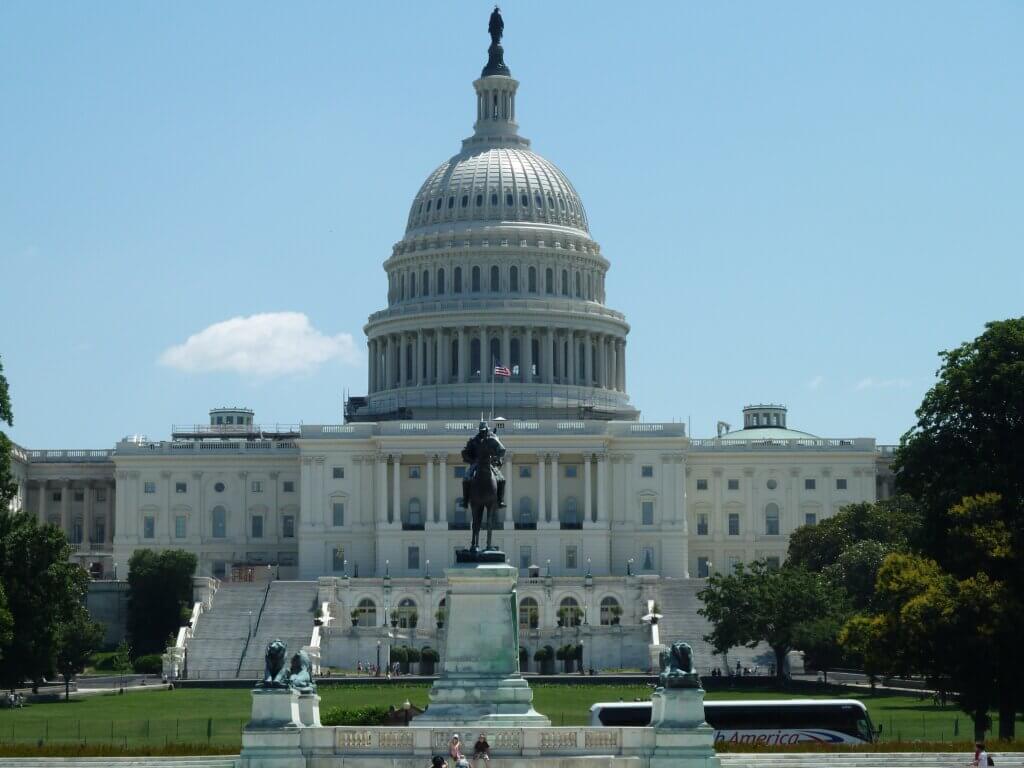
At the center of the situation is a broader political disagreement over how to fund the Department of Homeland Security. Democratic lawmakers have pushed for changes to immigration enforcement policies, particularly involving Immigration and Customs Enforcement, before approving new funding. Republicans, along with the White House, have argued for full funding without those conditions.
As negotiations stall, the effects are being felt beyond Washington. More than 300 TSA employees have already left their jobs since the shutdown began, and reports suggest unscheduled absences have more than doubled. Some workers have taken second jobs or relied on food pantries and donations to get by, according to union officials cited in coverage by The Straits Times.
The situation has also sparked political reactions. Writing in Newsweek, Senator John Fetterman described Musk’s offer as “incredibly generous,” while also criticizing Congress for allowing the situation to reach this point.
What Happens Next as Pressure Builds
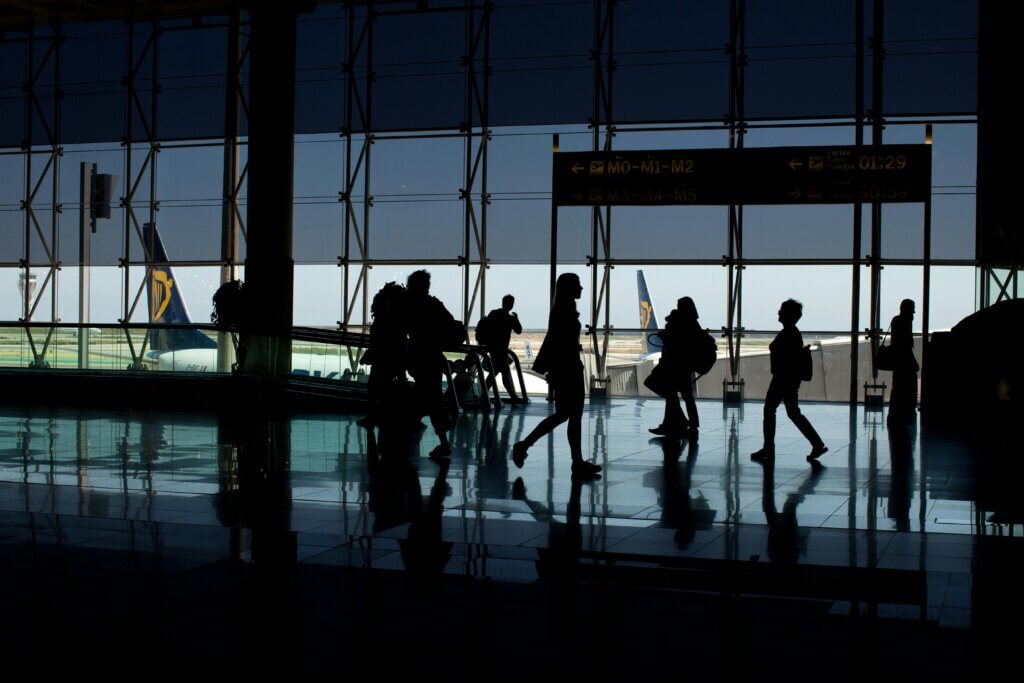
With spring travel increasing, pressure is mounting on lawmakers to reach a resolution. Millions of travelers are expected to pass through U.S. airports, and any further staffing shortages could make delays even worse. Airlines and travel groups have warned that conditions could deteriorate if more workers miss paychecks or choose not to report to work.
At the same time, Musk’s proposal continues to raise broader questions about the role of private individuals in public systems. While the offer has drawn attention, it has also highlighted the limits of what can be done outside the existing structure of federal funding.
For now, TSA agents remain on the job, travelers continue to wait in longer lines, and negotiations in Washington remain unresolved. Whether through legislation or another solution, the outcome will shape how quickly normal operations can return to airports across the country.