

Products are selected by our editors, we may earn commission from links on this page.

A sleek humanoid robot standing beside a factory production line, with a city skyline glowing in the background.
Speaking at the U.S.-Saudi Investment Forum in Washington, D.C., Elon Musk laid out a sweeping vision of the future: within 10 to 20 years, he believes work will become optional. In his telling, having a job may resemble tending a backyard vegetable garden something pursued not out of necessity, but personal interest.
“If you want to work,” Musk said, “it’ll be like playing sports or a video game.” Just as people can buy vegetables at a store instead of growing them, future generations may choose whether labor is worth the effort. The implication is profound: employment would no longer be the foundation of survival, but a voluntary activity.
A Robot Workforce and a Post-Scarcity Economy
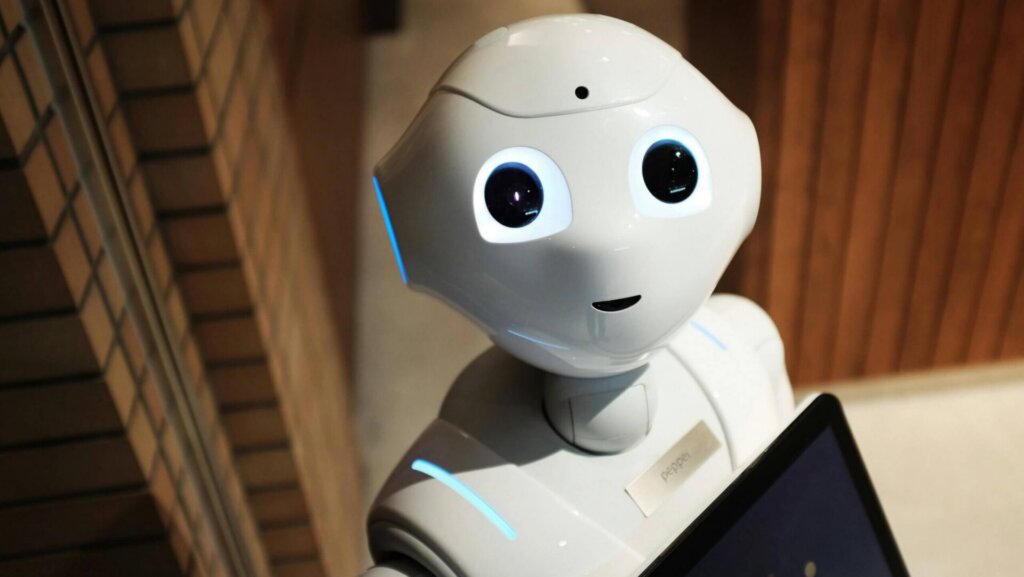
Musk argues that millions of robots integrated into the global workforce could unleash unprecedented productivity. He has increasingly positioned Tesla not merely as an electric vehicle manufacturer but as a robotics and AI company, with ambitions for its Optimus humanoid robots to account for the majority of Tesla’s long-term value despite ongoing production delays.
In this automated future, Musk suggests that money itself could lose relevance. Drawing inspiration from Iain M. Banks’ Culture science fiction series, which imagines a post-scarcity society governed by superintelligent AI, Musk speculated that sustained advances in artificial intelligence and robotics could eventually render traditional economic exchange obsolete.
He has previously floated the idea of a “universal high income” to support such a society, echoing discussions around universal basic income. In this framework, goods and services would be abundant, and financial survival would no longer hinge on employment.
Economists Question the Timeline
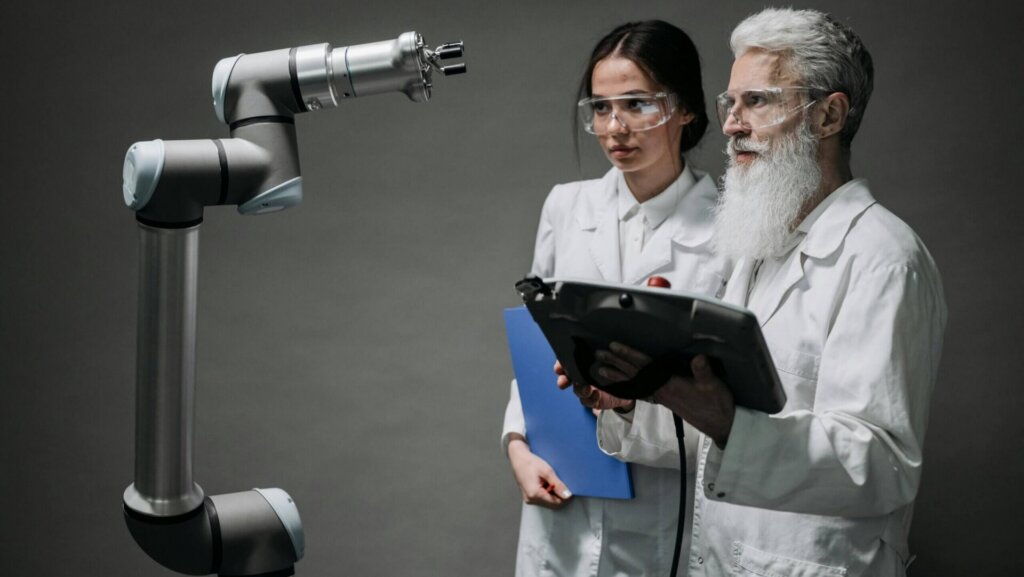
Not everyone is convinced the transition would be so swift. Economists point out that while AI costs are declining rapidly, robotics remains expensive and complex. Physical automation requires specialized machinery that is far harder to scale than software-based systems like large language models.
Ioana Marinescu, an economist at the University of Pennsylvania, has noted that technological progress often encounters diminishing returns. Humanity has been refining machinery since the Industrial Revolution, and breakthroughs become harder as systems grow more advanced and specialized.
Data also suggests AI has not yet fundamentally disrupted the broader labor market. A Yale Budget Lab report found no clear evidence of widespread labor upheaval following the public release of ChatGPT in late 2022, despite high-profile tech layoffs.
The Political and Human Questions Ahead
Even if technology advances quickly enough, another challenge looms: how to structure a society where traditional labor declines. Temple University labor economist Samuel Solomon has emphasized that the political architecture supporting such a transformation would be as crucial as the technology itself.
Artificial intelligence has already generated immense wealth, but critics argue its gains have been unevenly distributed. Rising valuations among major tech companies contrast sharply with stagnant income growth elsewhere, raising concerns about whether an AI-driven economy would foster inclusive prosperity or deepen inequality.
Musk has acknowledged that dilemma. If computers and robots can do everything better, he has asked, what gives human life meaning? His answer is tentative but hopeful: perhaps humans will find their role not in competing with AI, but in guiding it and, in doing so, shaping the next chapter of civilization.