

Products are selected by our editors, we may earn commission from links on this page.
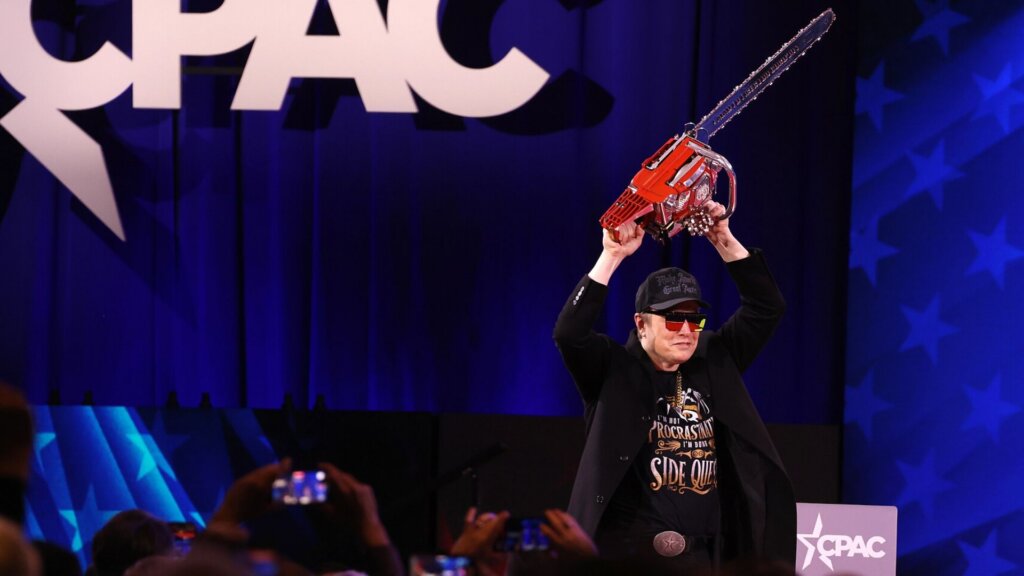
Elon Musk just told a national podcast audience that the United States is doomed without a technological miracle. “We are 1,000% going to go bankrupt as a country and fail as a country, without AI and robots,” he said during a February appearance on the Dwarkesh Podcast. “Nothing else will solve the national debt.” It’s a blunt claim from one of the most influential figures in business. The number behind his warning is staggering.
National Debt Tops $39.7 Trillion and Keeps Climbing

According to the Treasury Department, U.S. national debt has surpassed $39.7 trillion as federal spending continues to outpace revenue. The federal deficit for fiscal year 2026 has already climbed past $1.3 trillion through the first several months. Musk called the trajectory unsustainable, saying the country is “actually totally screwed because the national debt is piling up like crazy.” The strain isn’t just about the total owed. It’s about what servicing that debt now costs every year.
Interest Payments Now Outpace the Entire Military Budget

Musk pointed to a specific figure that alarmed him most. “The interest payments on national debt exceed the military budget, which is a trillion dollars. So we have over a trillion dollars just in interest payments,” he said. That means the government now spends more simply covering interest than it does funding the armed forces. And several current and pending policy decisions are set to push that burden even higher in the years ahead.
The Iran War Has Already Cost $37.5 Billion

The Pentagon estimates the U.S. has spent about $37.5 billion on military operations tied to the war in Iran. Public policy expert Linda Bilmes projected earlier this year that the total cost could eventually top $1 trillion once long-term expenses are factored in. “The result is that the interest costs alone will add billions of dollars to the total cost of this war,” Bilmes said in an interview with the Harvard Kennedy School. Those interest costs compound for decades.
A Proposed 2027 Defense Budget Could Add $5.8 Trillion
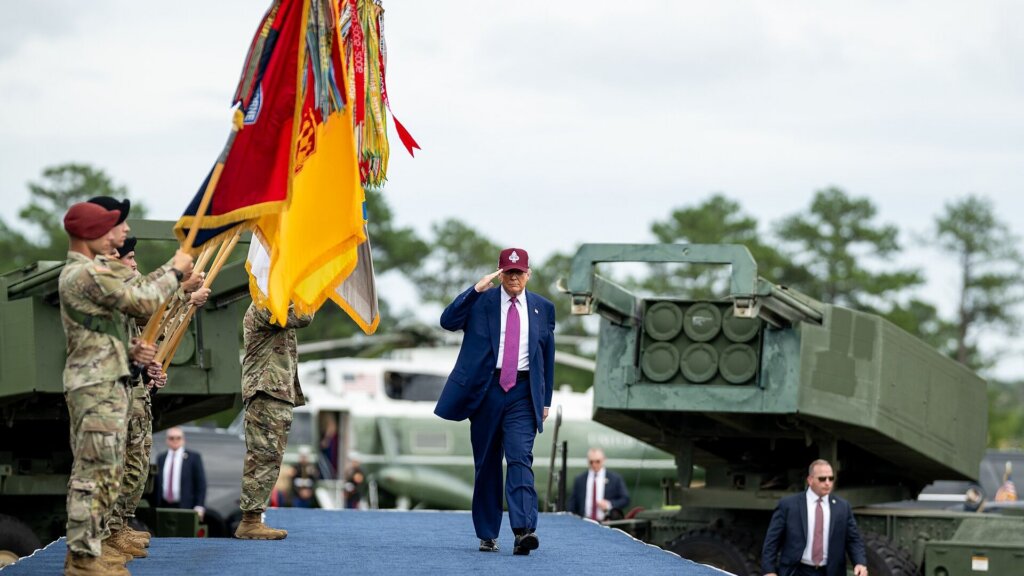
Donald Trump’s proposed 2027 defense budget represents the largest year-over-year jump in military spending since World War II ended. The Committee for a Responsible Federal Budget estimates the plan could add roughly $5 trillion in direct defense spending through 2035. Once interest costs are included, that figure could push the national debt up by close to $5.8 trillion. Tax legislation passed earlier this year adds another layer to that math.
One Bill Could Add $4.2 Trillion to the Debt by 2034
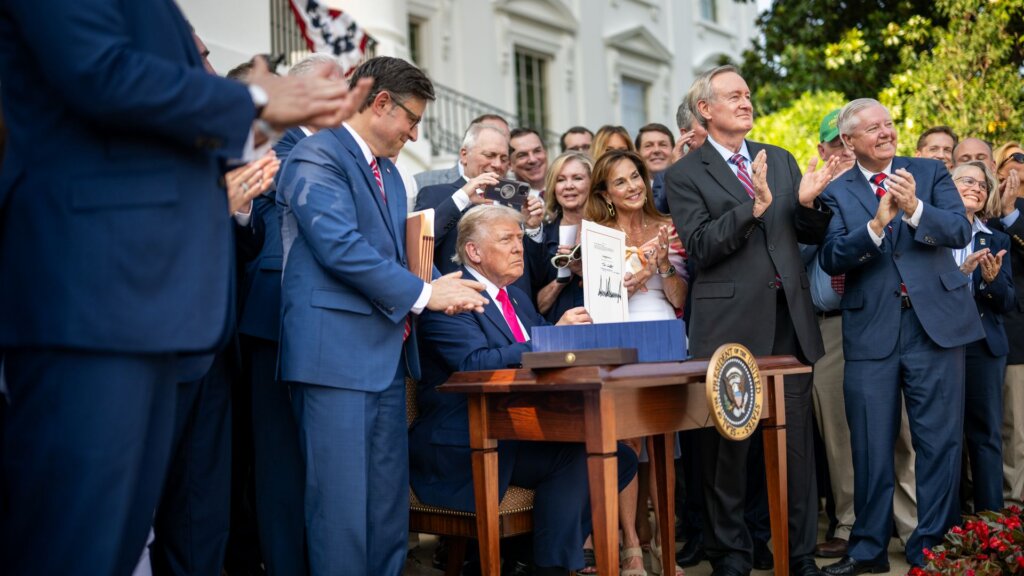
The One Big Beautiful Bill Act, according to the Committee for a Responsible Federal Budget, is projected to add about $4.2 trillion to the national debt by fiscal 2034. Factoring in the bill’s broader economic effects through 2035 pushes that estimate closer to $4.7 trillion. Against this backdrop of rising obligations, Musk isn’t proposing spending cuts or tax hikes as the fix. His answer is entirely different.
Musk’s Fix: Let AI and Robots Outgrow the Debt
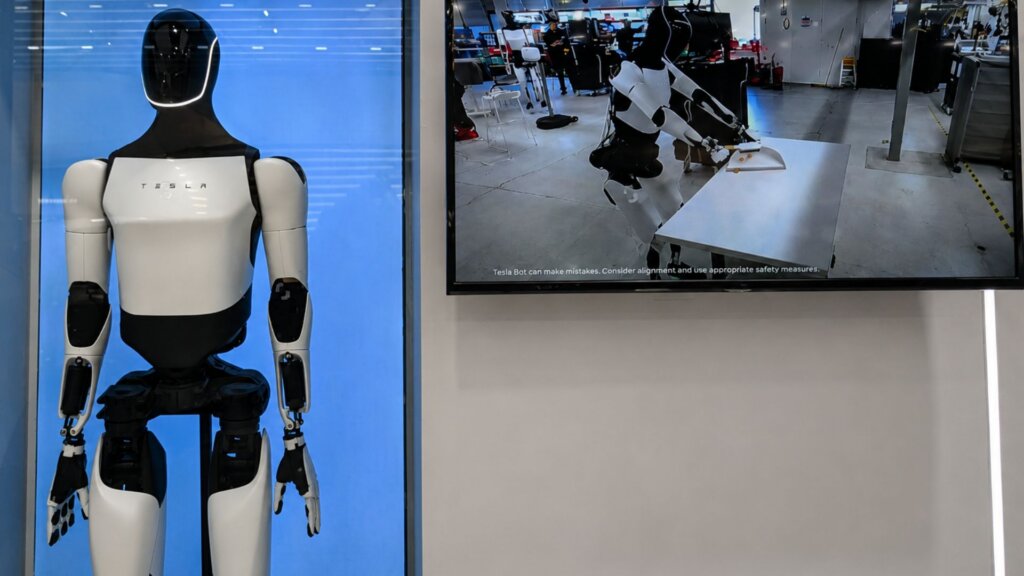
Musk’s argument centers on productivity, not austerity. He believes artificial intelligence and robotics can generate enough new goods and services that output growth outpaces inflation within a few years, creating deflation instead of runaway prices. More goods, cheaper prices and more productive workers, in his view, would make the debt load easier to carry as the broader economy expands around it. Not everyone studying the debt crisis agrees with his framing.
Ray Dalio Predicts a “Debt Death Spiral,” Not a Default

Bridgewater Associates founder Ray Dalio has warned the U.S. is heading toward what he calls a debt death spiral, where the government borrows simply to cover interest payments in a self-feeding cycle. Unlike Musk, Dalio doesn’t think formal bankruptcy is the endpoint. “There won’t be a default. The central bank will come in and we’ll print the money and buy it,” he said. “And that’s where there’s the depreciation of money.” That distinction matters more than it sounds.
JPMorgan’s Dimon Warns of a Looming “Bond Crisis”
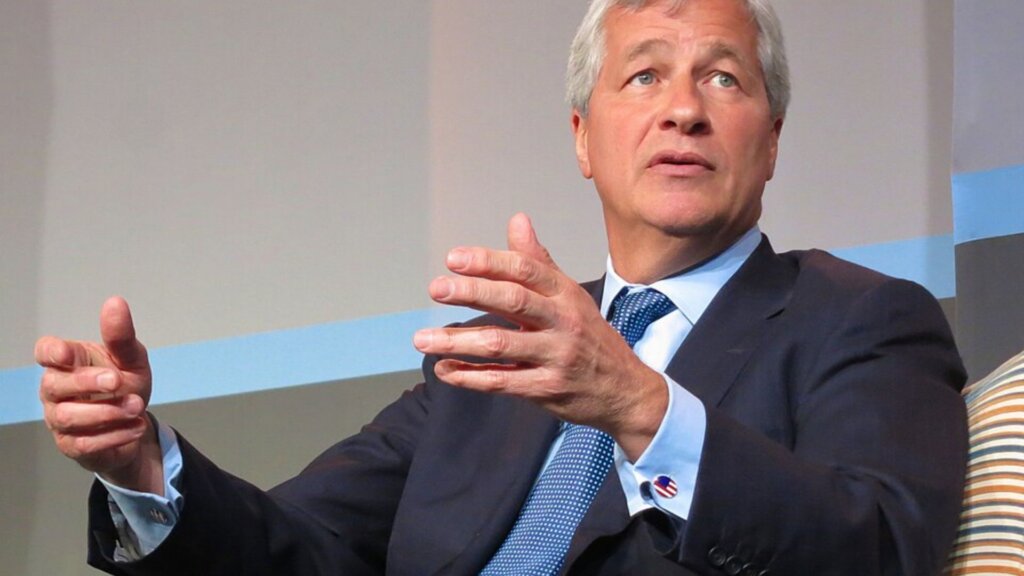
JPMorgan CEO Jamie Dimon has separately warned that rising government debt and deficits could eventually trigger a bond crisis if lawmakers fail to address the imbalance. The government may never technically run out of dollars to print, but those dollars can still lose real value fast. Purchasing power backs that up: according to the Federal Reserve Bank of Minneapolis, $100 today buys what roughly $11.61 did in 1970. Musk has voiced the same fear in blunter terms.
Musk’s Warning Points to a Fork in the Road, Not a Verdict

Musk has said that without intervention, “the dollar’s going to be worth nothing.” Whether the fix arrives through AI-driven productivity, as Musk argues, or through the kind of currency depreciation Dalio and Dimon describe, the consensus across these voices is that the current path cannot continue unchanged. The debate isn’t whether America’s debt trajectory is a problem. It’s which force, technology or policy, reshapes it first.