

Products are selected by our editors, we may earn commission from links on this page.

The debate over electric vehicles versus gas cars usually centers on savings, convenience, and long-term value. But for drivers deciding between the two, the more pressing question is simple: which one truly costs less to own? Recent analyses, expert comparisons, and real-world tracking from EV owners offer clear insight into how fuel, maintenance, and geography shape the actual cost of both options. If you’re weighing your next car purchase, here’s what real owners say you should know before choosing.
Upfront Costs Aren’t the Whole Story
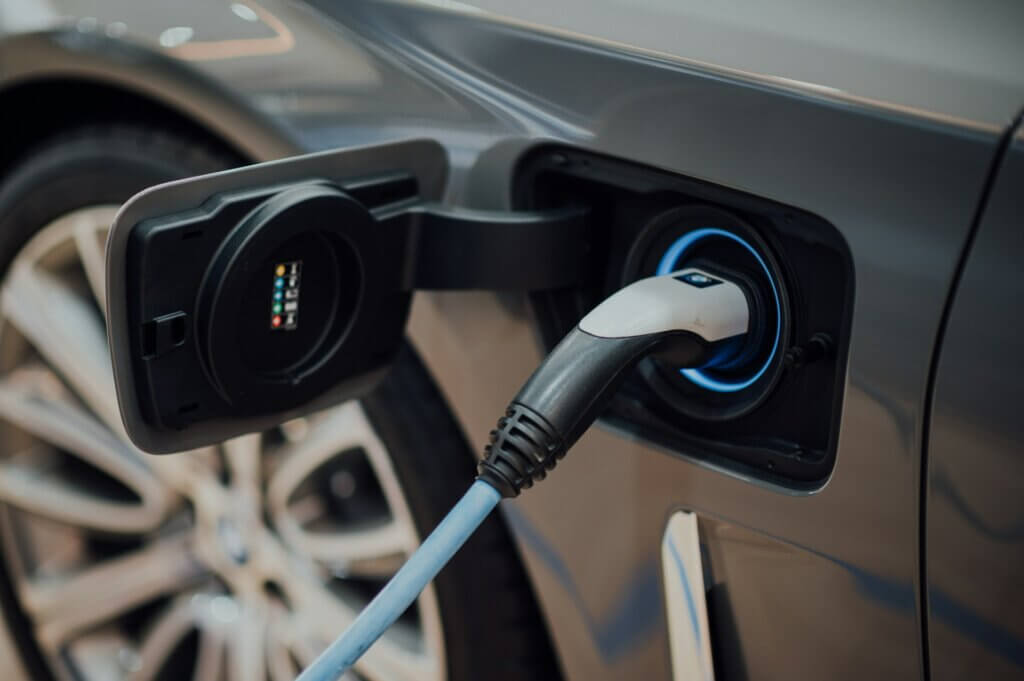
EVs often start with a higher sticker price than gas cars, which can make them seem less affordable at first. Incentives, credits, and rebates can help close the gap, but most owners say the real difference appears only after months or years of driving. For many people, long-term running costs matter far more than the purchase price itself.
Charging vs. Fuel Spending
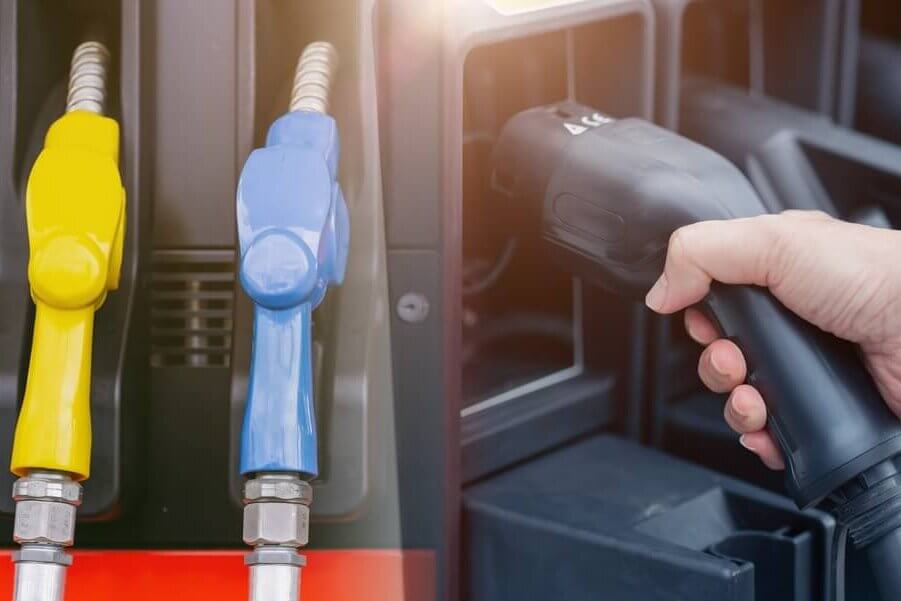
Fuel is one of the biggest factors separating EVs from gas vehicles. According to Anton, a Canadian EV owner and Red Seal electrician who documented his real usage, driving 1,250 miles a month cost him about $73 in electricity. A similar gas car would cost roughly $159 in fuel for the same distance. Home charging delivers the most savings, while public fast charging often narrows the difference.
The Role of Driving Habits

How far someone drives influences cost-effectiveness more than almost any other factor. Bassam Javad, interviewed by CBC News, explained that affordable electricity and provincial incentives helped him reach overall savings far sooner than expected. Heavy commuters like Javad tend to benefit most from EV ownership, while people who drive shorter distances may see smaller financial differences.
Home Charging Brings Hidden Expenses
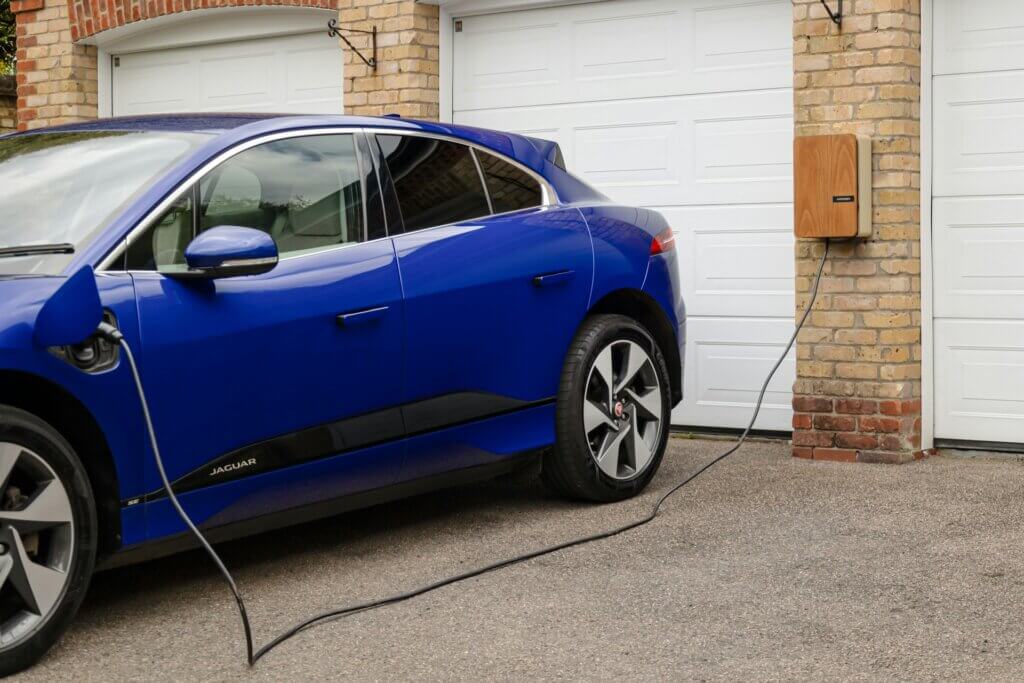
Setting up home charging can add a meaningful up-front cost. Level 2 chargers vary in price, and installation may require electrical upgrades that push expenses into the $1,000–$2,000 range. Apartment dwellers or condo owners face additional hurdles, often relying on slower standard outlets or public stations. Even so, many EV owners say home charging is essential for both convenience and day-to-day savings.
Gas Cars Carry Their Own Hidden Costs
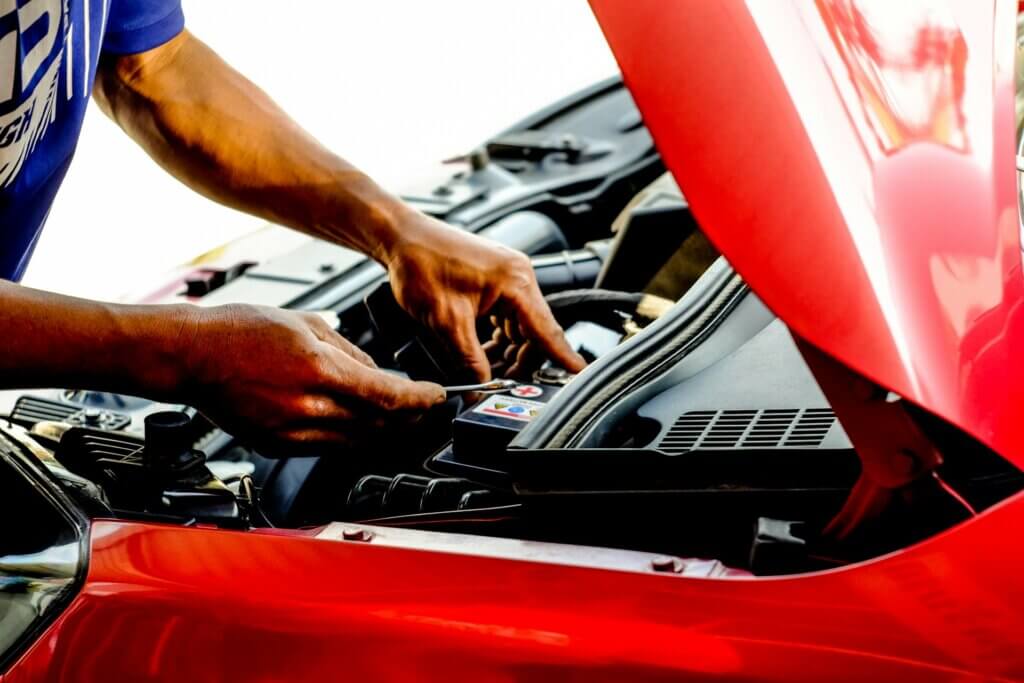
Gas cars don’t require home charging, but they come with regular service needs that add up over time. Oil changes, engine repairs, transmission maintenance, and emissions-related components all contribute to long-term ownership costs. EVs have far fewer moving parts, which is why many owners report only routine item like tires and wiper blades during their first years of use. The reduced mechanical wear becomes a financial advantage for drivers who plan to keep their vehicles long term.
Electricity and Fuel Prices Vary by Region
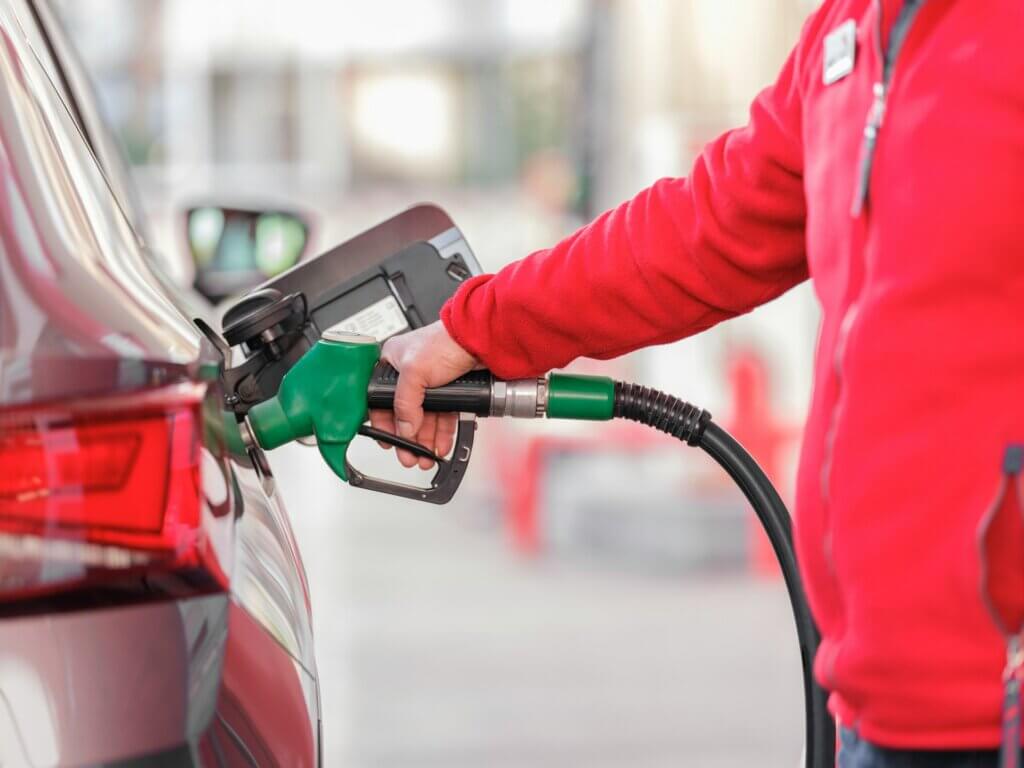
Where you live can significantly affect the economics of EV ownership. Areas with low electricity prices make EVs highly cost-effective, while regions with expensive electricity reduce the difference in operating costs. Gas prices also fluctuate widely between states and provinces, which means each driver’s comparison will look a little different. The most accurate calculation comes from looking at local rates rather than national averages.
Real Owners Weigh In
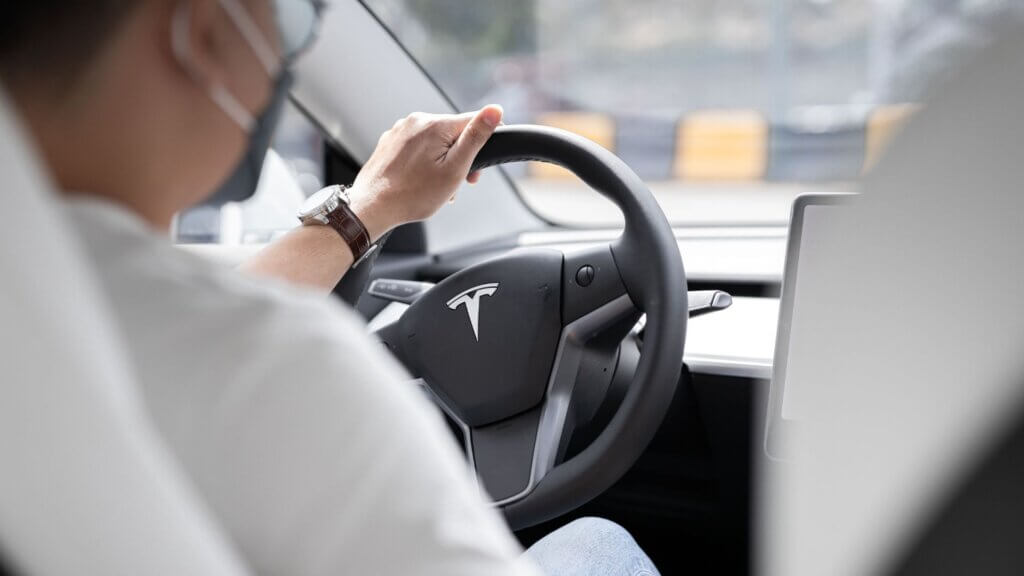
Real-world tracking offers insight beyond controlled test data. Anton’s family saved around $600 per month after switching from a premium-fuel gas car to an EV, a difference he says became impossible to ignore. Vegas Tesla Carmen, a Nevada-based Tesla owner and YouTuber, recorded his first full year of Model Y expenses and saved nearly $1,900 on charging compared to gasoline. These firsthand accounts show how daily mileage, energy rates, and household needs shape real-world costs for ordinary drivers.
When Going Electric May Not Save Money
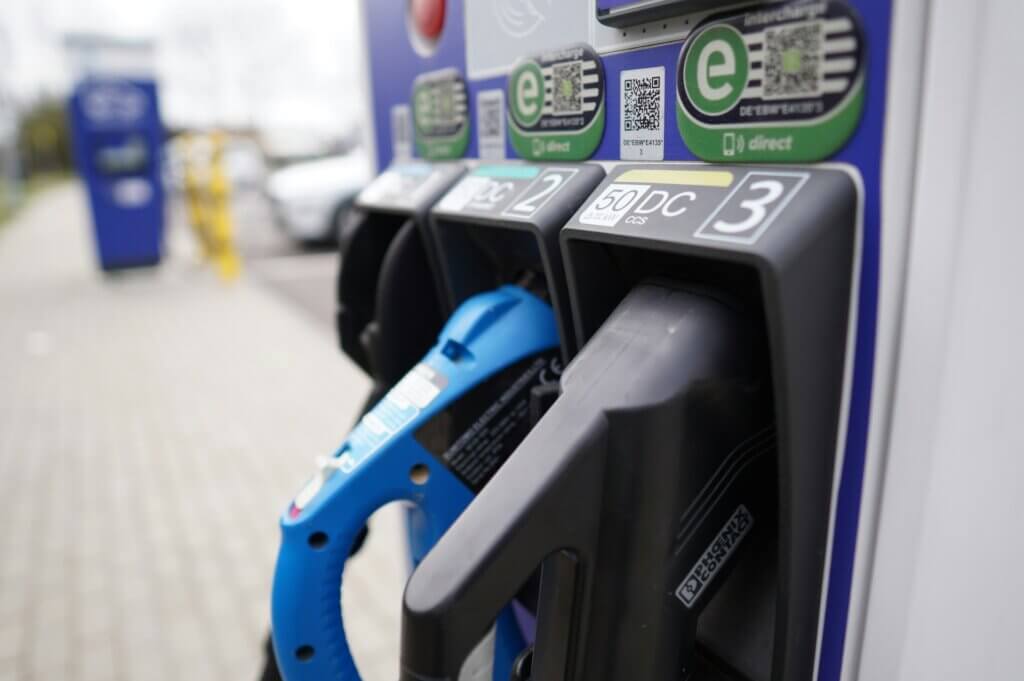
EVs aren’t always the cheaper option. Drivers who rely heavily on public fast-chargers often pay rates similar to or higher than gasoline. People who rarely drive, live in areas with expensive electricity, or lack charging access may not see meaningful savings. For some households, the ideal setup involves using an EV for commuting while keeping a gas car for towing, long trips, or rural travel.
Choosing Based on Lifestyle, Not Hype

In the end, the decision depends on how someone drives, charges, and budgets. EVs deliver major savings for commuters with home charging and steady daily mileage. Gas cars still offer practicality for drivers with specific needs or limited charging access. Owners who’ve lived with both say the best approach is to run your own numbers and choose based on actual lifestyle rather than broad assumptions.