

Products are selected by our editors, we may earn commission from links on this page.
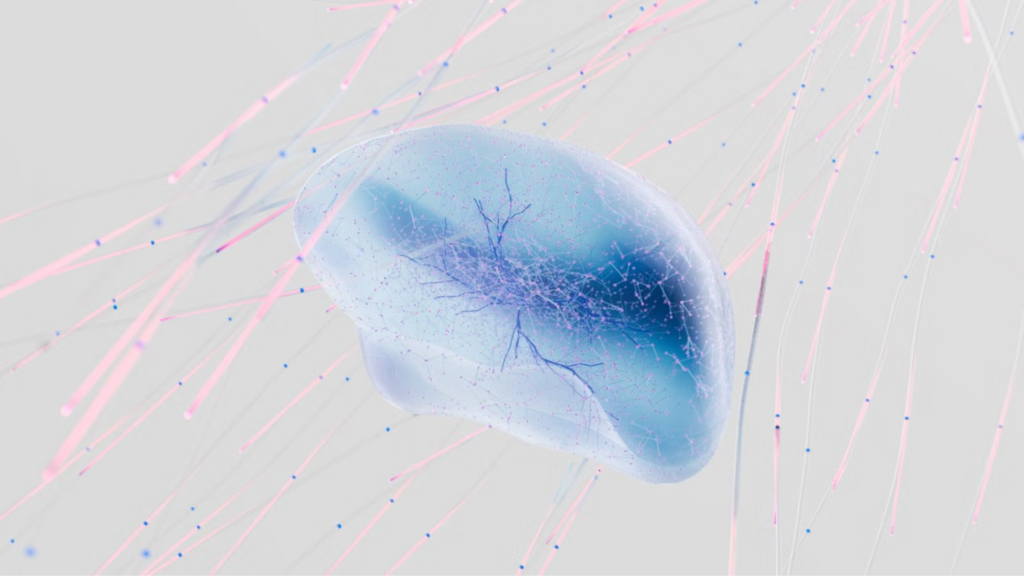
Imagine a treatment for Parkinson’s that does not chase dopamine at all. For decades, that has been the primary target, replacing what the brain loses as neurons die off. But scientists in Brazil just tested something different: a naturally occurring peptide that calms inflammation instead. In mice, it protected the very brain cells Parkinson’s destroys. That shift in strategy could open a door doctors have not had access to before.
Parkinson’s disease affects millions of people worldwide, yet the medications available today mostly manage symptoms rather than slow the underlying damage. Researchers at the Federal University of São Paulo wanted to attack the problem from another angle entirely: inflammation. Their study, published in the journal Neuropharmacology and supported by FAPESP, centered on a peptide called Ac2-26. It comes from a protein already present in the human body, one previously linked to protecting neurons from harm.
That protein is called Annexin A1, and it occurs naturally in both humans and rodents. Earlier animal studies suggested it helps regulate brain inflammation tied to Parkinson’s and may limit neuron loss. Ac2-26 is the fragment derived from it, and researchers wanted to know whether delivering this peptide directly could actually shield the brain during the disease process. What they found next reframes how we think about fighting neurodegeneration.
Why Dopamine Alone Isn’t Enough

Parkinson’s disease develops as neurons that produce dopamine gradually die off. Dopamine plays a central role in movement, motivation, reward, and pleasure, so its decline brings on the disease’s hallmark symptoms: tremors and freezing of gait, where walking suddenly becomes difficult. Standard treatment relies on levodopa, a compound the body converts into dopamine. It remains the gold standard, but it was never designed to stop the damage causing those symptoms in the first place.
Levodopa can dramatically improve motor symptoms, especially early on. But researcher Luiz Philipe de Souza Ferreira, who led the study, noted that long-term use often diminishes its effectiveness and can trigger new motor complications and fluctuations in response. That leaves a real gap for people managing this disease for years or decades. It is exactly why researchers are hunting for alternatives that work through a completely different biological pathway.
That is where inflammation enters the picture. Cristiane Damas Gil, head of the Department of Morphology and Genetics at UNIFESP, explained that neurodegenerative diseases involve an inflammatory reaction that damages neurons and surrounding cells alike. Ac2-26 targets that inflammatory process directly rather than replacing lost dopamine. If it works, it would not just ease symptoms. It could protect the brain from the cell death driving the disease forward.
Inside the Experiment
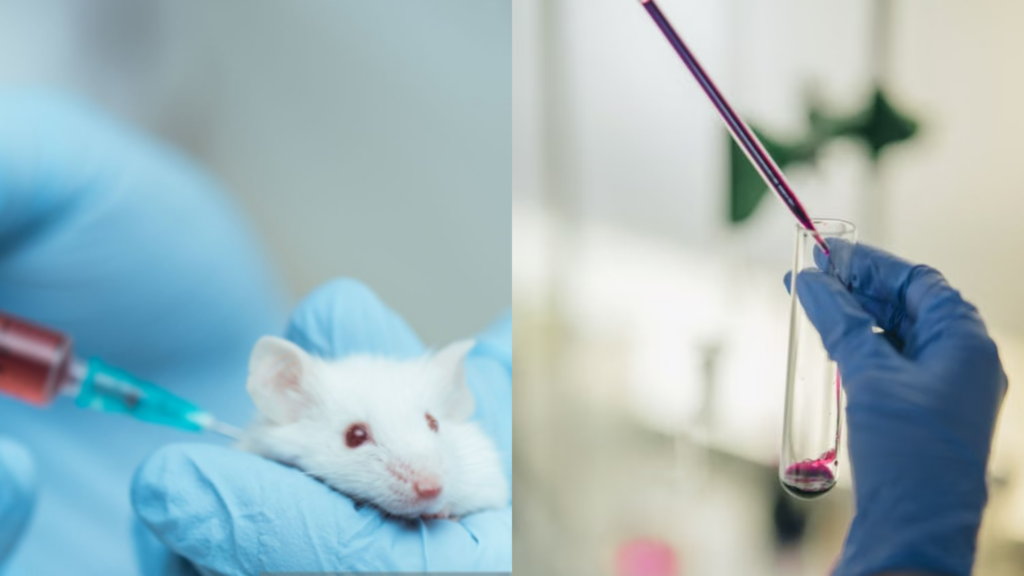
To test the idea, researchers created a Parkinson’s-like condition in mice by injecting a neurotoxic compound into their brains, causing neuronal loss and disease-like symptoms. Around the same time, the team administered the Ac2-26 peptide into the animals’ abdomens. They also compared normal mice against genetically modified mice lacking the Annexin A1 protein entirely, giving them a clearer picture of exactly what the peptide was doing.
The results split sharply by sex. Female mice initially performed better on movement tests after the brain injury, though that advantage faded with time. Notably, Gil observed that greater resilience persisted even in mice missing the Annexin A1 protein altogether, suggesting something else was protecting them. In males, however, neuron loss was far more pronounced, which gave researchers a clearer window into how well the peptide actually worked.
Because male mice showed more obvious neuron loss, researchers could clearly assess the peptide’s protective effects in that group, according to Ferreira. And there was another twist: inducing the disease significantly disrupted the reproductive cycle in female mice, hinting that Parkinson’s may ripple out to affect the endocrine system too. Ferreira said the finding reinforces the need for treatment protocols tailored specifically to each biological sex, not one blanket approach.
What Comes Next
So where does this leave patients hoping for new options? The findings suggest Ac2-26 may work best as a preventive treatment, stepping in at the earliest stages of brain damage before too much is lost. That is a meaningfully different role than levodopa plays today. Rather than restoring dopamine after the fact, this peptide may help stop the destructive process before symptoms ever become severe enough to notice.
Ac2-26 itself is not new to science. It has been studied for other inflammatory conditions for years, though it has never been developed into an approved drug. Its performance here, protecting dopamine-producing neurons in a Parkinson’s model, adds fresh weight to that research and positions it as a genuine candidate worth pursuing further, not just for Parkinson’s but potentially for other conditions rooted in chronic brain inflammation.
The team’s next goal is even more ambitious: testing whether the peptide can reverse damage that has already occurred, not just prevent new damage from forming. “If that’s proven, then the peptide becomes a more promising treatment candidate,” Gil said. It is still early, animal-stage research with a long road ahead. But it raises a genuine question. What if the future of Parkinson’s treatment has less to do with replacing what’s lost, and more to do with protecting what remains?