

Products are selected by our editors, we may earn commission from links on this page.

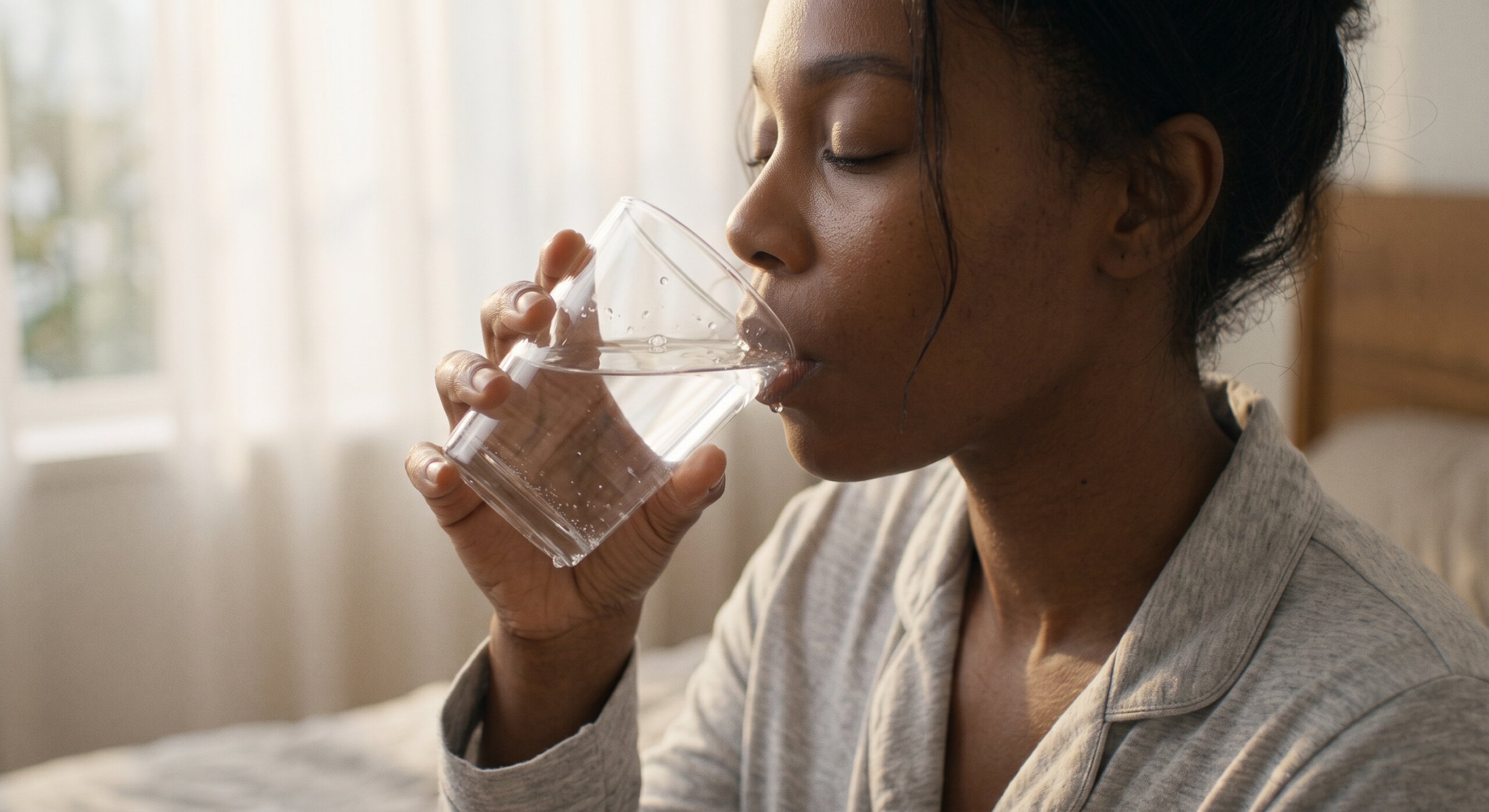
You have just gone hours without a single sip, so it makes sense that a glass of water feels so good the moment you wake up. Registered dietitian Chris Mohr explains that most people wake up mildly dehydrated because the body loses water through breathing overnight. That simple fact has turned the morning glass of water into one of the most popular wellness habits around. But is it a health game-changer or just a smart routine? Experts say the answer is more interesting than a simple yes or no, and a few popular claims hold up better than others.
This article was created with the assistance of AI and reviewed by our editorial team for accuracy and clarity.
The Overnight Water Loss You Never Notice

Sleep feels like a full rest, but your body is still working. Every breath releases a little moisture, and you go seven or eight hours without taking in any fluids. Your body relies on water balance, meaning the water you take in should match the water you lose. When more goes out than comes in, dehydration can follow. A glass of water in the morning helps close that gap early, so you are not scrambling to make up for it later in the day. It is a small habit with sensible logic. But your bathroom mirror might send a misleading signal.
Why Dark Morning Urine May Not Mean Trouble

Notice darker urine when you wake up? Many people assume it is a red flag. Health experts note that it does not necessarily mean you are dehydrated, since urine is often more concentrated after hours without fluids. Your body has a built-in alarm system, and it is thirst. For most people, thirst is likely the best cue for gauging hydration levels. So a glass of water is a fine way to start the day, but you do not need to panic over a color change. Next, let’s see whether water can actually help you think more clearly.
Can a Glass of Water Sharpen Your Focus?

Your brain needs plenty of fluid to work well. Research shows that mild dehydration, around 1 to 2 percent of body weight, can affect alertness, concentration, and short-term memory. One study found that drinking about two cups of water before bed and again in the morning may improve alertness and reaction speed. There is an important catch, though. If tiredness comes from poor sleep, stress, or a health condition, water may not make a noticeable difference. Water helps most when thirst is the real problem. Now for one of the most repeated morning claims of all.
Does Cold Water Really Fire Up Your Metabolism?
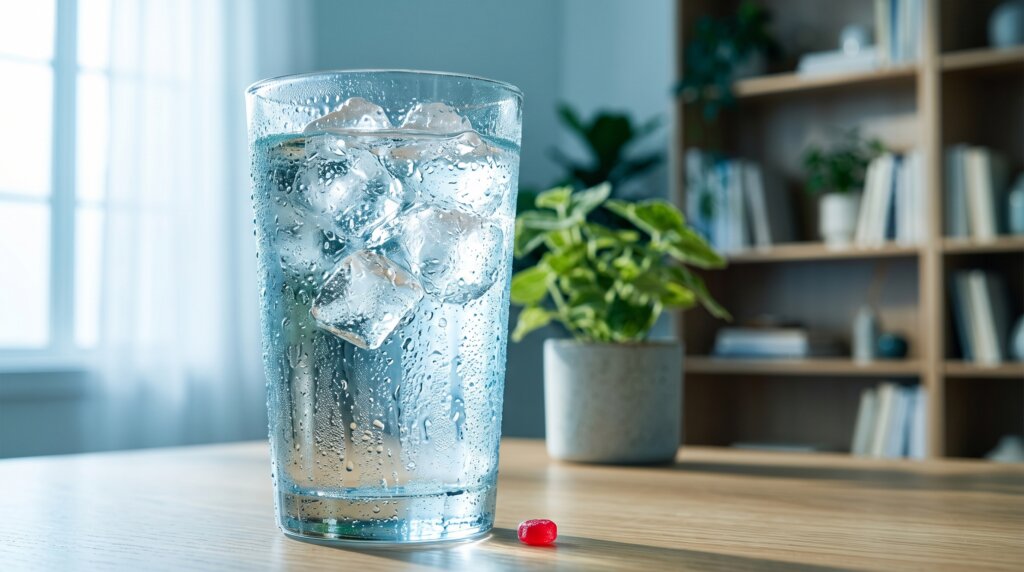
The idea is that your body burns energy to warm up cold water, a process called thermogenesis. It is real, but it is small. Studies show water can raise metabolic rate by 24 to 30 percent for about an hour. That sounds impressive until you look at the numbers. Research suggests a glass of cold water burns only about 4 to 7 calories, roughly the same as one M&M. And this effect is not limited to water consumed first thing in the morning. Think of it as a tiny bonus, not a weight loss plan. Next up is a myth about toxins.
The Truth About Flushing Out Toxins

You may have heard that morning water flushes toxins from your body. It sounds appealing, but the science is more modest. Your kidneys are the body’s main filtering system, and they work around the clock. Their ability to clear waste is not determined by how much water you drink or what time of day you drink it. That does not make water unimportant. Your kidneys need enough fluid to do their job well. It just means there is no special detox power tied to the first glass of the day. Water does help another system, though.
How Water Gets Your Digestion Moving

Your digestive system depends on fluids more than most people realize. Fluids help food and waste move through the digestive tract, and water helps keep stool soft and easier to pass. When you do not drink enough, things can slow down, which may lead to constipation. Research shows that people who get adequate fluids and eat water-rich foods have a lower risk of constipation, and the risk keeps dropping as intake rises. A morning glass is one easy way to help your system get ready for the day. Now, what about your waistline?
Can Water Help You Eat a Little Less?

Water will not melt fat on its own, but it can quietly support healthier choices. Replacing sugary or high-calorie drinks with water can lower your daily calorie count. Timing can help too. Drinking a glass of water just before a meal may boost feelings of fullness and reduce how much you eat at that meal. Foods with lots of water, like soups, oatmeal, vegetables, and fruits, also tend to be more filling. The lesson is simple: water works best as a helper for good habits. There are a few more everyday perks to know about.
Small Perks You Might Not Expect

Staying hydrated does quiet work in the background. Hydration supports your body in getting rid of waste, keeps joints lubricated, aids digestion, and even helps brain function. Water also helps cushion joints and reduce friction by keeping fluid levels balanced. You will not feel most of these benefits in a dramatic way. They are the kind of steady support that adds up over weeks and months. That is why regular sipping through the whole day tends to matter more than any single glass. So does the morning glass have any special power?
The Simple Takeaway for Your Mornings

Here is the honest bottom line. No evidence shows that drinking water first thing in the morning increases its health effects, and it matters little whether you drink it at the start of the day or later, as long as you replace what your body loses. The real value is that a morning glass is an easy, healthy habit that gets your day off to a hydrated start. Drink when you feel thirsty, eat plenty of water-rich foods, and skip the hype. Experts add that morning water is a good thing as long as you do not overdo it. If you have a medical condition that affects fluid intake, check with your doctor.