

Products are selected by our editors, we may earn commission from links on this page.
Across the United States, a growing movement is encouraging Americans to help solve an environmental crisis through their dinner plates. Known as invasivorism, this approach transforms destructive invasive species into menu items. Instead of relying solely on costly removal programs and chemical controls, experts are asking a simple question: What if we ate the problem?
Invasive plants and animals wreak havoc on ecosystems nationwide. They crowd out native species, damage habitats, and disrupt natural balance. Traditional management methods have proven expensive and often ineffective. Wildlife officials estimate invasive species cost the United States economy more than $26 billion annually through crop losses, habitat destruction, and impacts on native wildlife populations.
But chefs, scientists, and local communities are testing a different strategy. By creating demand for invasive species as food, they hope to make removal part of everyday life. Conservation biologist Joe Roman, who started the Eat the Invaders project, emphasizes the appeal. “This is not Fear Factor,” he told National Wildlife magazine. “You want something tasty.”
Success Stories from the Sea
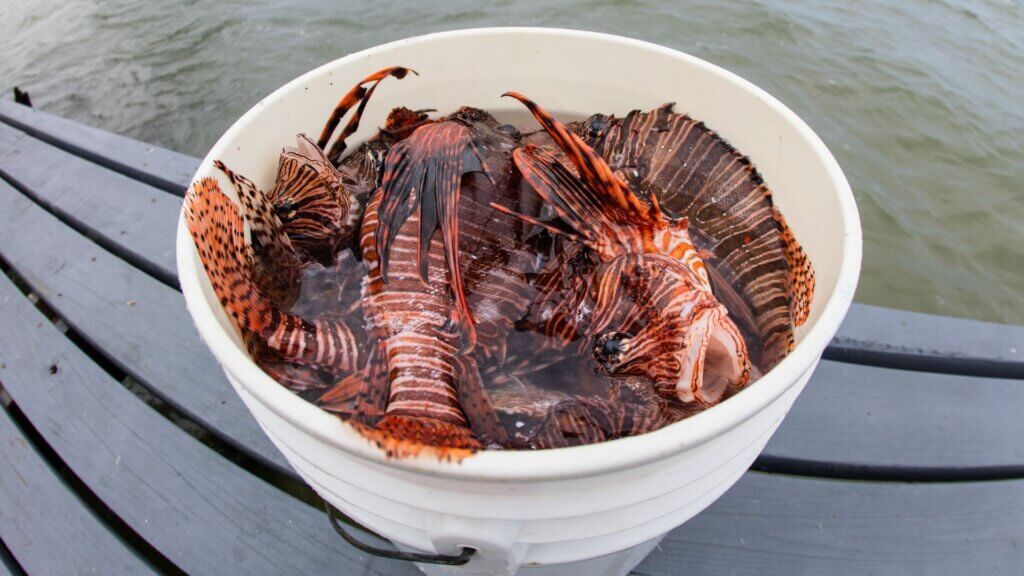
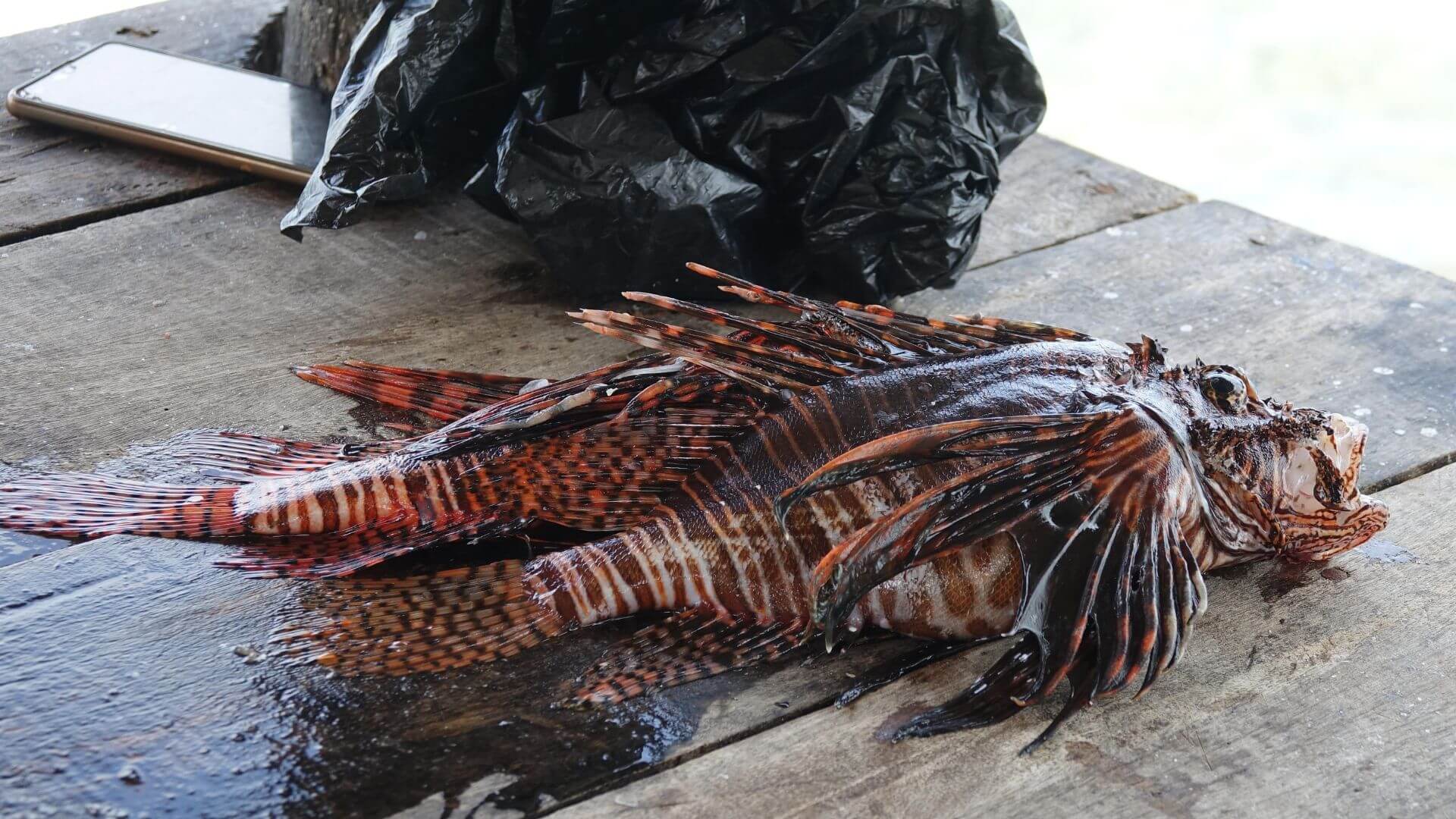
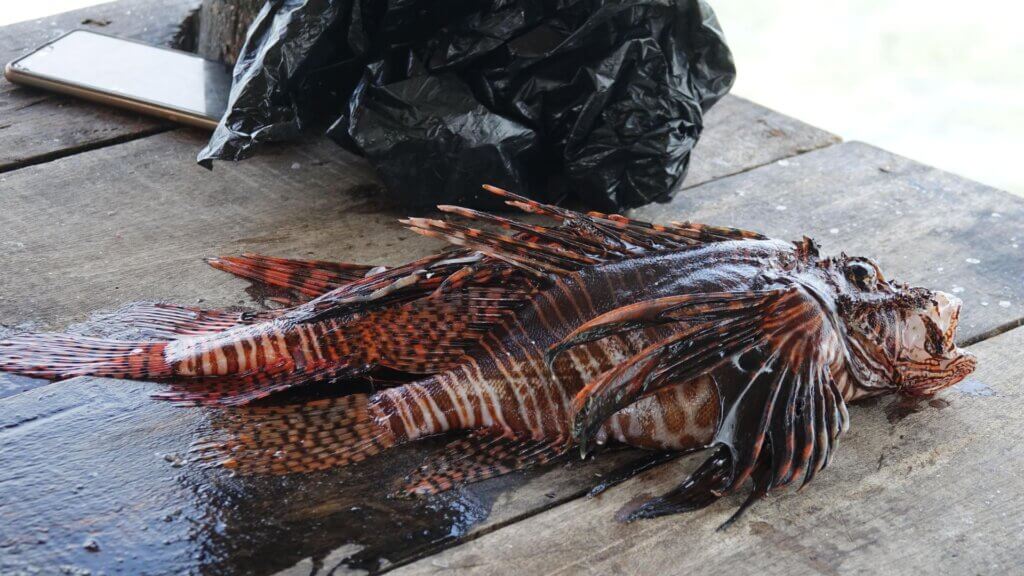
One standout example is the lionfish, a striking reef predator that has devastated ecosystems throughout the Caribbean and Gulf of Mexico. With few natural predators and voracious appetites, lionfish can eliminate native fish populations within years. Florida responded by turning the invader into a culinary attraction, hosting events like Lionfish Restaurant Week to promote the white, flaky fish.
The campaign has shown real results. Since 2015, the Florida Fish and Wildlife Conservation Commission’s annual Lionfish Challenge has removed more than 165,000 lionfish from local waters. Divers, fisheries biologists, and restaurants worked together to make lionfish a sought-after menu item. The fish now appears in tacos, fritters, and sushi rolls across Florida, Georgia, South Carolina, and Puerto Rico.
Other edible invaders are following similar paths. Hawaii’s Ta’ape fish is appearing on seafood menus. Asian shore crabs have found their way into upscale sushi preparations. European green crabs are being transformed into bouillabaisse, bisques, and croquettes across New England restaurants. These campaigns demonstrate how consumer appetite can become a conservation tool when properly channeled.
Rodents on the Menu
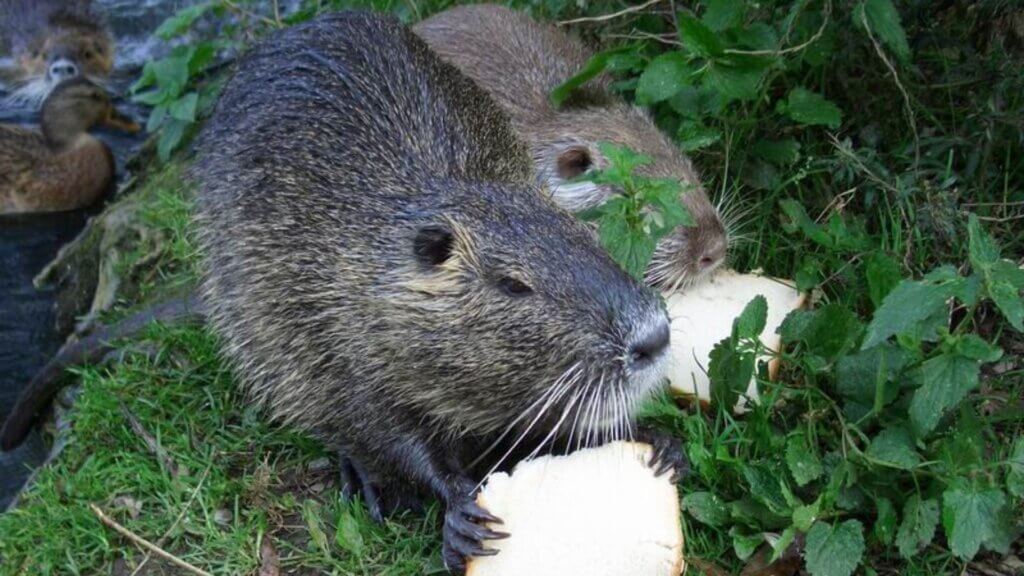
During National Invasive Species Awareness Week this February, wildlife officials made an unusual recommendation: consider eating nutria. These South American rodents, introduced for the fur trade, have established populations in 18 states. Resembling small beavers, they can grow up to 40 inches long and consume a quarter of their body weight in vegetation daily.
The damage nutria cause is severe. Their eating habits destroy native plants and destabilize soil, leading to erosion and habitat loss for threatened species. California’s Department of Fish and Wildlife has removed approximately 5,500 nutria since detecting a population spike in 2017. Officials describe the meat as tasting similar to rabbit or dark turkey, with recipes for stews and chili available online.
Wildlife experts stress that eating invasive species should supplement, not replace, other conservation efforts. Erin Huggins from the United States Fish and Wildlife Service explained that consuming invasives can help protect native wildlife by reducing their numbers and limiting ecosystem damage. However, she noted this approach must combine with traditional conservation methods for effective control.
A Practical Conservation Tool
Scientists acknowledge that eating alone cannot eliminate invasive species entirely. Complete eradication remains unrealistic given reproduction rates and the difficulty of finding every individual. Instead, experts embrace functional eradication, which focuses on suppressing populations to levels where their harm becomes manageable rather than eliminating them completely.
Research supports this more modest goal. Reducing invasive populations can provide meaningful relief for native species struggling to compete. The approach also offers advantages over traditional methods. Unlike pesticides or habitat manipulation, invasivorism is decentralized, involving scientists, citizens, and chefs in raising awareness while addressing a basic human need for food.
Unlike many environmental fixes, this one comes with a clear upside for everyday people: delicious new flavors, and a chance to participate in conservation without changing their entire lifestyle. From wild boar barbecue to Asian carp fish cakes, invasivorism demonstrates how environmental problems can sometimes become culinary opportunities. While not a complete solution, eating invasive species represents one creative tool in the broader fight to protect American ecosystems.