

Products are selected by our editors, we may earn commission from links on this page.
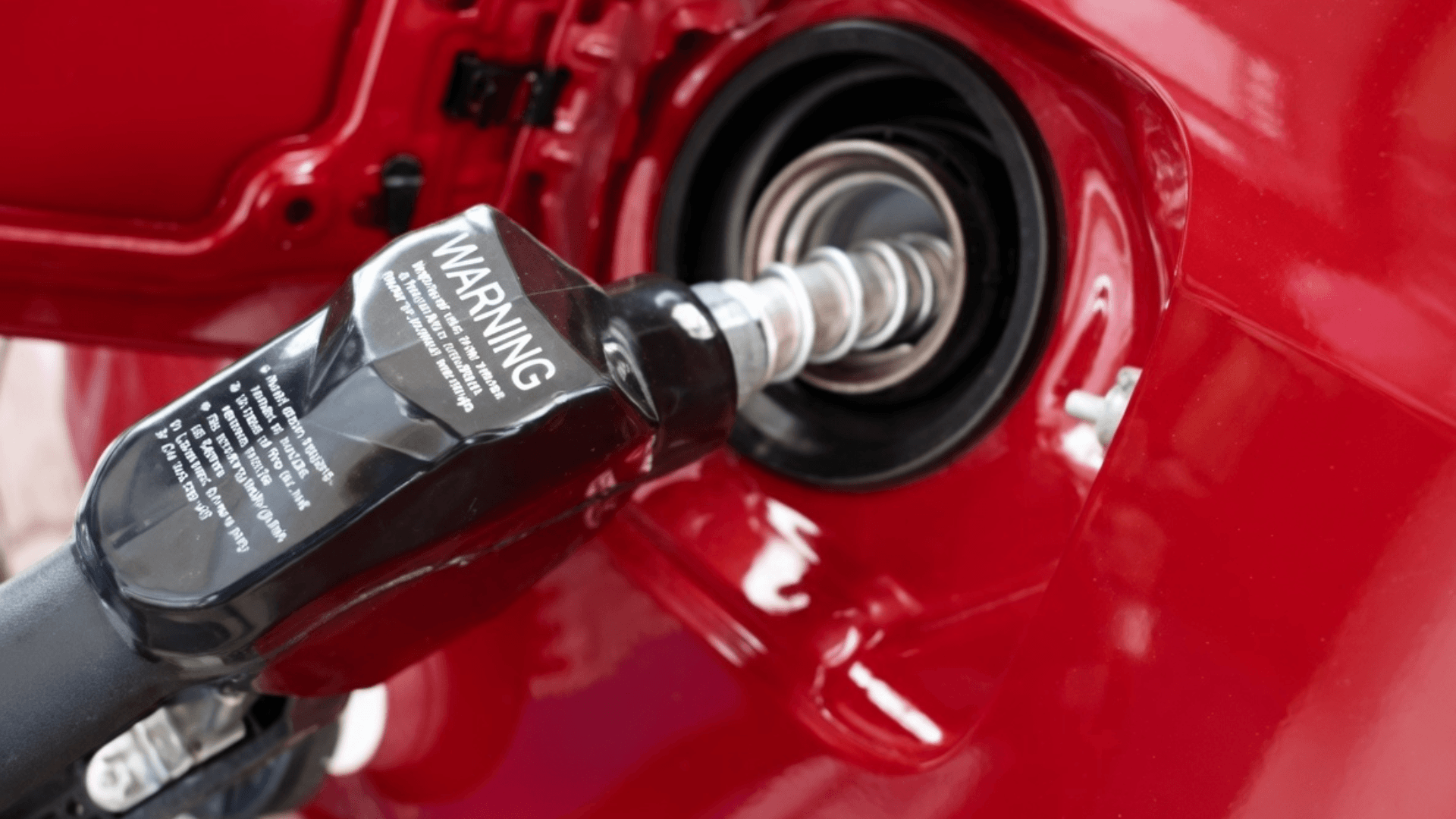
An organized fuel theft scheme is sweeping across Florida, leaving gas station owners with significant financial losses as thieves use a surprisingly simple tool to override digital pumps. By using relatively strong magnets, criminals are mechanically manipulating pump components to bypass payment systems entirely. This allows fuel to flow freely into large vehicles, such as semi-trucks, without a single cent being recorded at the point of sale.
The timing of these thefts is no coincidence, as the national average for a gallon of regular gas has climbed to $3.842. This price surge, triggered by conflict in the Middle East and a chokehold on the Strait of Hormuz, has put immense pressure on global crude oil prices. As the cost at the pump rises, police are seeing a direct correlation in the brazenness of these free fuel operations.
Law enforcement has already made several arrests in connection with the scheme, identifying suspects primarily from South Florida. However, investigators fear this is only the beginning of a much larger pattern. With no clear end to the international conflicts driving oil prices, officials warn that these specialized thefts could soon cross state borders.
How a Simple Magnet Bypasses the Point of Sale

The mechanics of the theft are as low-tech as they are effective, involving placing a powerful magnet onto a specific section of the fuel pump housing. This creates a magnetic field that interferes with the internal pulser, which is the component responsible for measuring fuel flow and communicating that data to the computer that charges your card. The magnet forces internal components to stay open, allowing diesel to flow without triggering the digital meter while the point-of-sale system never sees the fuel leaving the nozzle.
Surveillance footage has captured suspects using this method to fill massive semi-truck tanks, siphoning hundreds of dollars of diesel in a single session. Captain Brad Brady with the Office of Agricultural Law Enforcement noted that these aren’t ordinary household magnets, but are strong enough to manipulate heavy-duty industrial hardware hidden behind the pump’s metal exterior. This mechanical override is nearly impossible for a casual observer or a busy station clerk to spot from a distance.
Because the equipment is designed to be durable and automated, these subtle physical manipulations go unnoticed by standard digital security protocols. The thieves take advantage of the gap between the physical movement of the fuel and the electronic tracking of the sale. Until the station performs a manual inventory check, the missing fuel is often attributed to technical glitches or simple errors.
The ‘Short-Term Disruptions’ Hitting Your Wallet

The surge in gas prices has become a major point of political and economic tension, spiking nearly 90 cents since strikes began in late February. While the White House has described these soaring costs as short-term disruptions, the reality for Florida business owners is far more permanent as they operate on thin margins. The jump from $3.598 to $3.842 in just one week represents one of the sharpest increases since May 2024, creating significant financial strain.
Surging prices have historically been a source of significant unhappiness for the American public and a challenge for any administration. While some political figures have dismissed the rising costs as a secondary concern compared to national security, the magnet scheme proves that high prices often breed creative criminality. As long as the Strait of Hormuz remains a flashpoint for global oil supplies, the incentive for these high-volume thefts will likely remain.
Economic experts warn that these losses are eventually passed down to the consumer in the form of higher prices for other goods. When gas stations lose thousands of dollars in inventory, they must adjust their margins elsewhere to survive. This creates a ripple effect where the crime of a few impacts the wallets of many throughout the state.
Five Arrests and an Ongoing Investigation

Florida authorities moved quickly to disrupt the ring, arresting five individuals across various counties in late February. Many of the suspects hail from Miami, Homestead, and Hialeah, suggesting a coordinated effort that travels north to hit stations in the Florida Panhandle. Bonds for the accused, including Sergio Machin, Elieser Perez, Sofiel Ferino, and Alain De Jesus Aguila-Martinez, have ranged from $11,000 to $21,000 as they face fuel tampering charges.
Despite these arrests, the investigation is far from over as detectives work to determine if these individuals are part of a larger network selling stolen diesel on the black market. For now, gas station owners are being urged to inspect their pumps for unusual attachments and to remain vigilant. The “Halt the Hitchhiker” mindset is shifting from invasive species to invasive magnets as officials try to protect the state’s fuel supply.
The legal consequences for these suspects are significant, but the lure of free high-value fuel remains high as long as prices stay elevated. Police are increasing patrols near truck stops and high-volume stations that have been targeted in the past. For the industry, this is a race to upgrade physical security before the next wave of magnet-wielding thieves arrives.