

Products are selected by our editors, we may earn commission from links on this page.
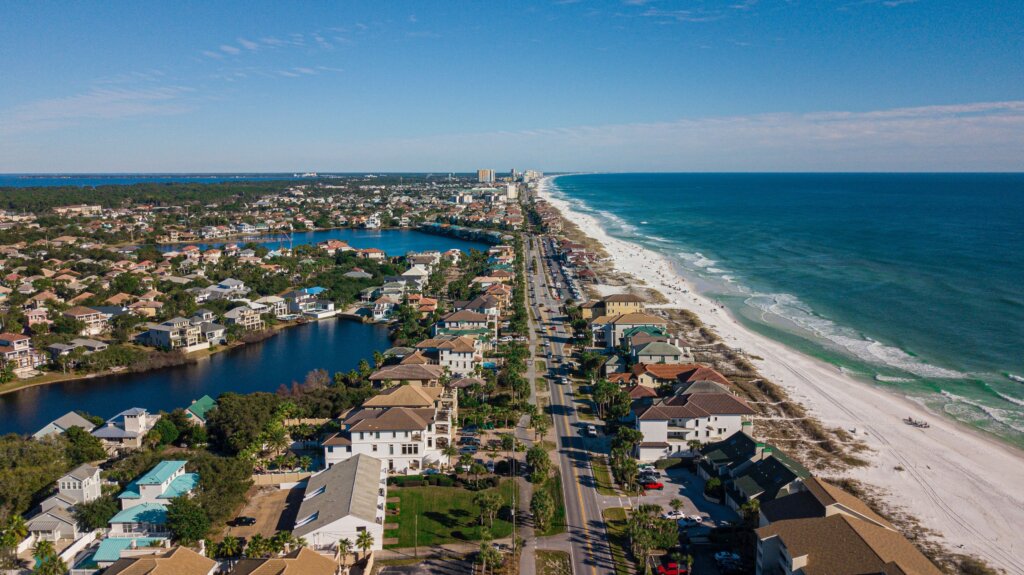
A Florida homeowner has taken flood protection to a striking new level by lifting her Pinellas County house 24 feet into the air, creating one of the tallest residential elevation projects local contractors have seen. The unusual sight has sparked conversation online, but it also reflects a growing reality across Florida’s Gulf Coast, where repeated flooding and costly storm damage are pushing some residents to rethink how they live in vulnerable coastal communities.
Why This Home Went So High
The homeowner chose to elevate the property after floodwaters inundated the house during Florida’s destructive 2024 hurricane season. According to the contractor overseeing the work, most residential elevation projects raise homes between 10 and 14 feet. Reaching 24 feet is highly unusual and was influenced in part by plans to add a second story to the structure. As reported by WFLA News Channel 8, the house required about 18 months to progress from contract signing through the permitting process before the physical lifting began in early 2026.
The Engineering Behind The Lift
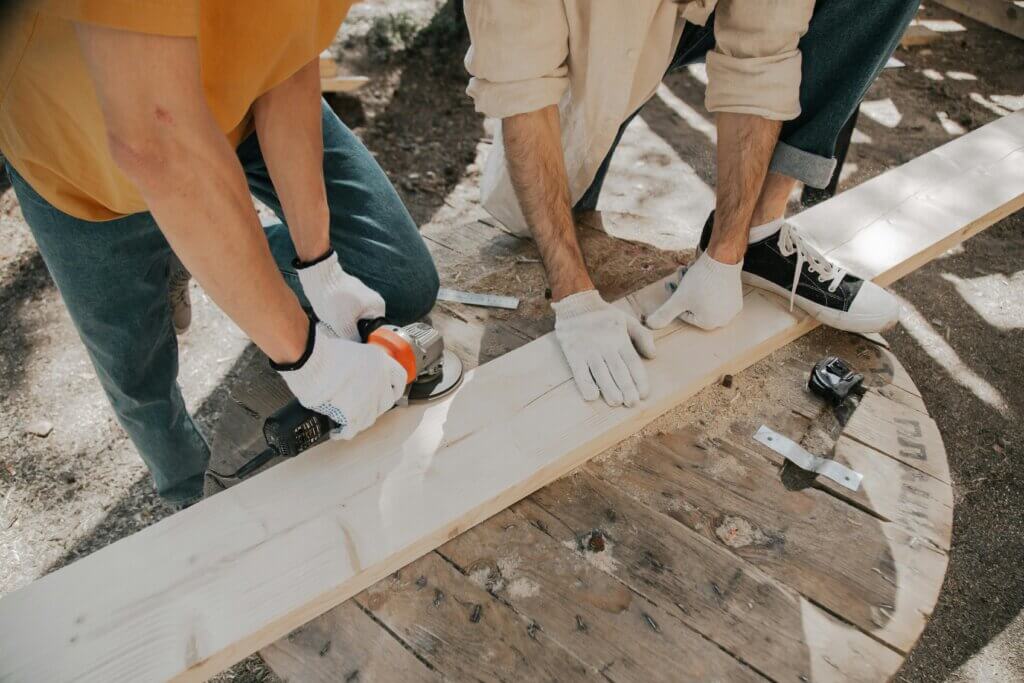
Elevating a house is far more complex than simply placing it on taller supports. Contractors first construct structural columns around the building, install support beams, and gradually raise the home while engineers monitor stability throughout the process. Once the house reaches the required height, crews begin building the permanent support system beneath it before completing exterior and interior renovations.
A Price Tag That Rivals New Construction

Flood resilience comes at a substantial cost. The homeowner told local media that the elevation alone cost approximately $575,000, with additional expenses still required for walls, flooring, stucco, paint, and other finishing work. The project is expected to conclude later this year, illustrating how adaptation measures can rival the cost of building a new home in some coastal markets.
Storms Changed The Equation
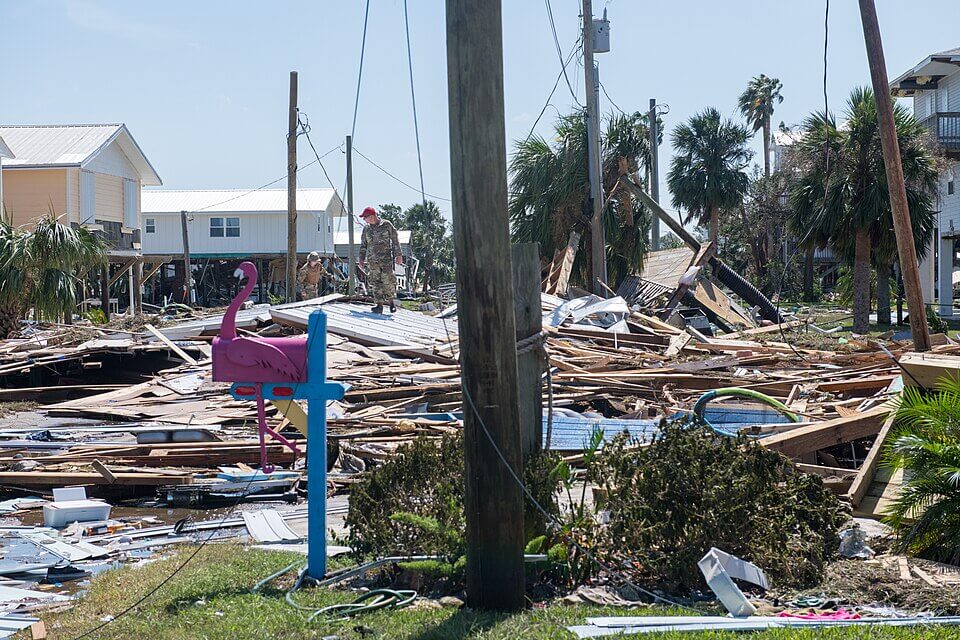
The decision did not happen in isolation. Hurricanes Helene and Milton brought widespread flooding and storm surge impacts to Florida’s Gulf Coast in 2024, leaving many homeowners reassessing future risks. Storm surge and flood damage often create larger financial losses than wind alone, making elevation one of the most effective long-term mitigation strategies available for homes in flood-prone areas.
Pinellas County Faces Growing Flood Exposure
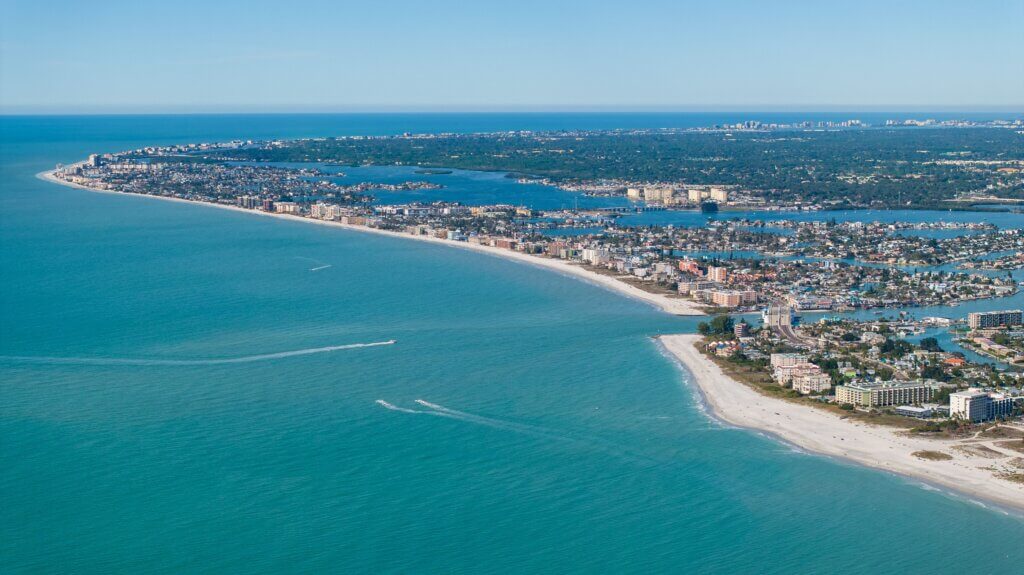
Pinellas County sits in a particularly vulnerable position. County officials note that the county contains approximately 590 miles of highly developed coastline and spans only about 15 miles at its widest point. Local flood assessments warn that rising seas, storm surge, tidal flooding, and groundwater-related flooding are expected to affect more areas over time, increasing risks for homes, roads, and critical infrastructure.
Elevation Is Becoming A Planning Tool
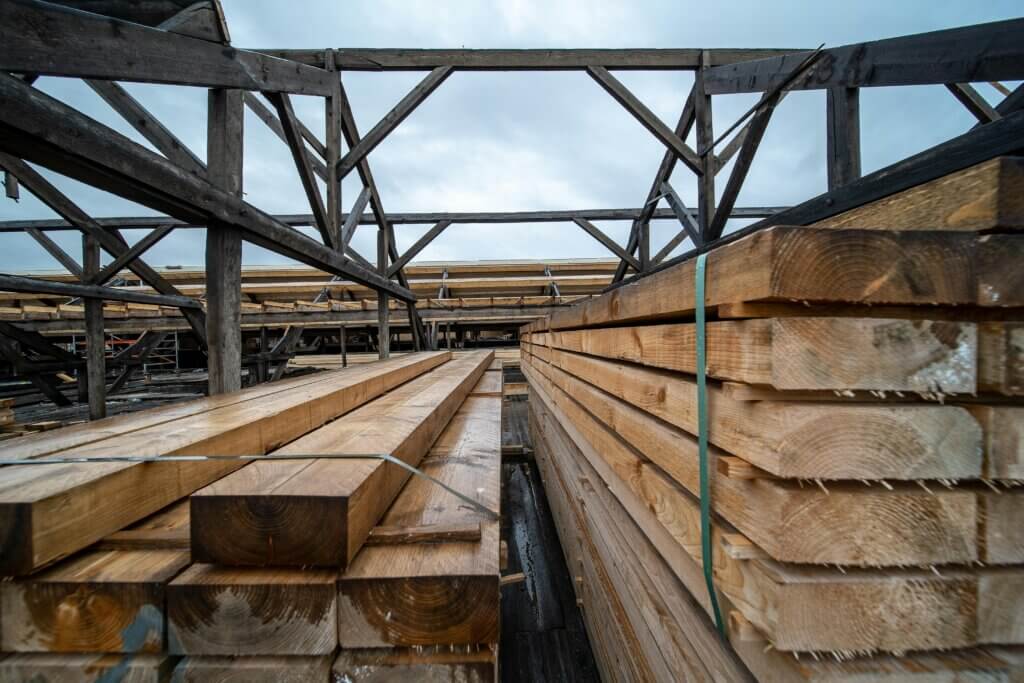
Local adaptation planners increasingly view elevation as one of several practical responses to flood risk. Pinellas County’s vulnerability assessment specifically identifies building homes higher above flood levels as an example of adaptation that can reduce future damage. The assessment also highlights that some assets may eventually require relocation when risks become too great.
Government Programs Offer Assistance
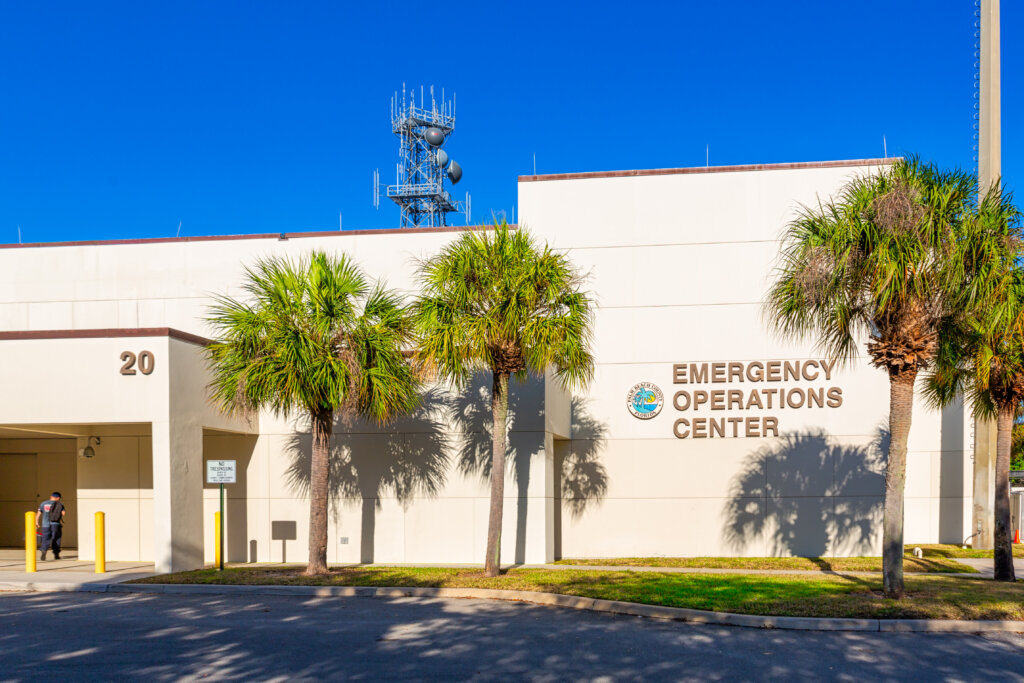
Florida officials are also expanding mitigation efforts. The Florida Division of Emergency Management’s Elevate Florida program was created to help reduce disaster-related damage through projects such as structure elevation and mitigation reconstruction. The program received more than 12,000 applications from residents across 64 counties, highlighting strong demand for flood-protection measures. Federal grants can cover up to 75 percent of eligible project costs, although homeowners remain responsible for a portion of expenses.
Not Everyone Sees The Same Solution
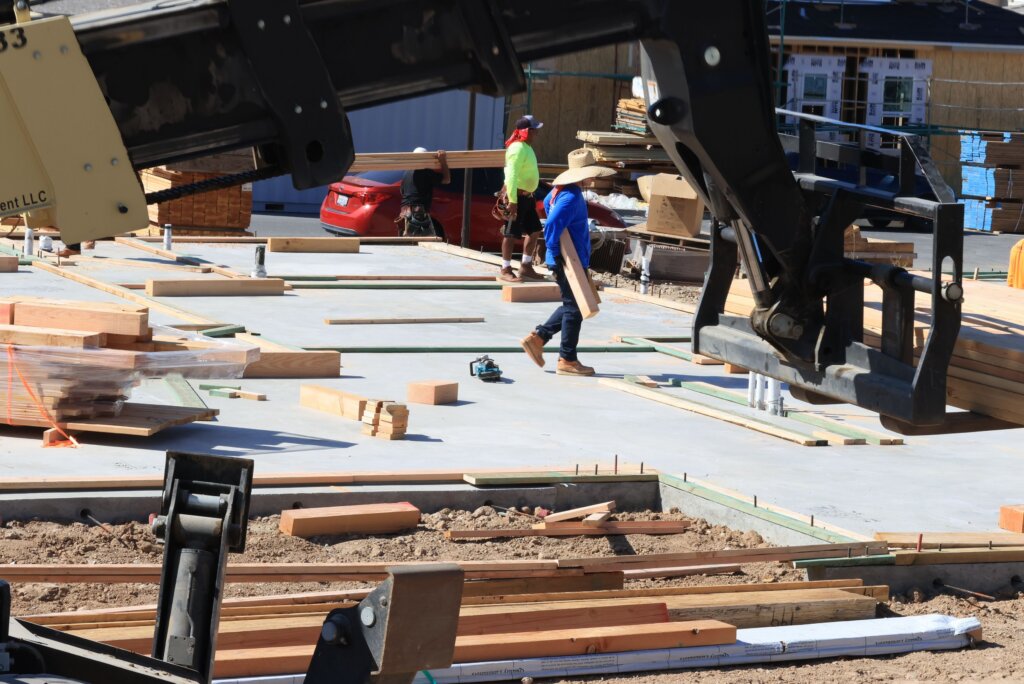
The towering home sparked debate online. Some observers praised the investment as a practical response to worsening flood risks, while others questioned costs, local building requirements, and long-term accessibility concerns associated with living so far above ground level. The discussion reflects broader questions facing many coastal communities: how much should residents spend to protect existing homes, and when does relocation become the more practical option?
What Happens Next Along Florida’s Coast
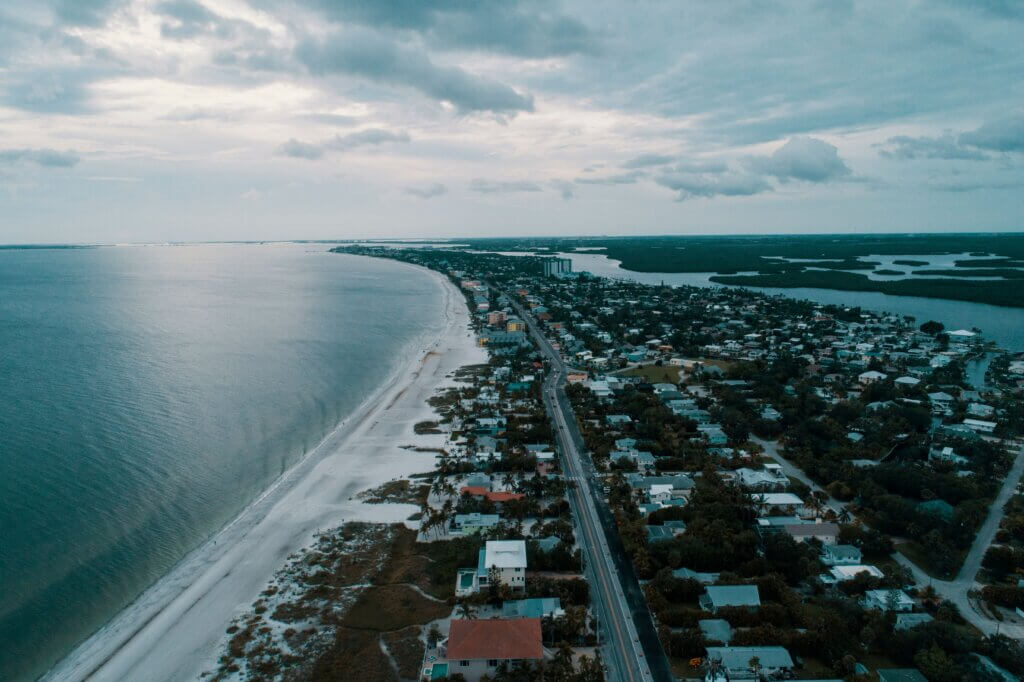
The 24-foot house may look extraordinary today, but it could offer a glimpse into the future of coastal housing. Pinellas County’s ongoing flood vulnerability studies project increased tidal flooding, greater storm-surge exposure, and expanding risks for low-lying communities over coming decades. As homeowners, insurers, local governments, and federal agencies weigh the costs of adaptation, projects once considered exceptional may increasingly become part of Florida’s evolving coastal landscape.