

Products are selected by our editors, we may earn commission from links on this page.
The battle for viewers is no longer just about creating hit shows or securing sports rights. Increasingly, the most valuable position in television is controlling the screen people see before they decide what to watch. That strategic reality is at the heart of Fox Corporation’s agreement to acquire Roku in a cash-and-stock deal valued at approximately $22 billion, a move that would place one of the world’s largest streaming gateways under the ownership of a major media company.
Roku reaches more than 100 million streaming households worldwide and accounted for roughly 44% of connected-TV viewing time in the United States during the fourth quarter of 2025. By combining Fox’s portfolio of live sports, news, and streaming properties with Roku’s platform, the companies say they would create the third-largest television business in the United States by share of viewing. The deal is expected to close in the first half of 2027, pending shareholder and regulatory approval.
For Fox, the appeal extends far beyond Roku’s streaming devices. The company would gain ownership of Roku’s operating system, advertising platform, audience data, and home-screen interface—the digital starting point for millions of television viewing sessions every day. Industry analysts describe the transaction as Fox’s effort to move from being primarily a content supplier to becoming a gatekeeper of how content is discovered.
What Viewers Can Expect in the Near Term
For current Roku users, executives are emphasizing continuity rather than immediate change. Fox CEO Lachlan Murdoch has stated that Roku will remain an open platform that continues working with competing streaming services, while Roku leadership says existing systems for promoting content and managing partnerships will stay in place.
Fox has also indicated that it has no plans to merge Roku with Tubi, the free ad-supported streaming service it acquired in 2020. According to company executives, the two platforms serve different purposes and are viewed as complementary rather than overlapping products. That means Roku users should continue accessing Netflix, Disney+, Prime Video, Peacock, YouTube, and other services through the platform as they do today.
Even so, some analysts believe subtle changes could emerge over time. Because Fox would own both content brands and the platform used to distribute them, the company could gain more opportunities to feature Fox News, Fox Sports, Tubi, Fox One, and major events such as NFL games or the FIFA World Cup more prominently across Roku’s interface. While Fox insists the platform will remain neutral, observers note that ownership naturally creates incentives to prioritize a company’s own offerings.
Advertising and Data May Be the Bigger Prize
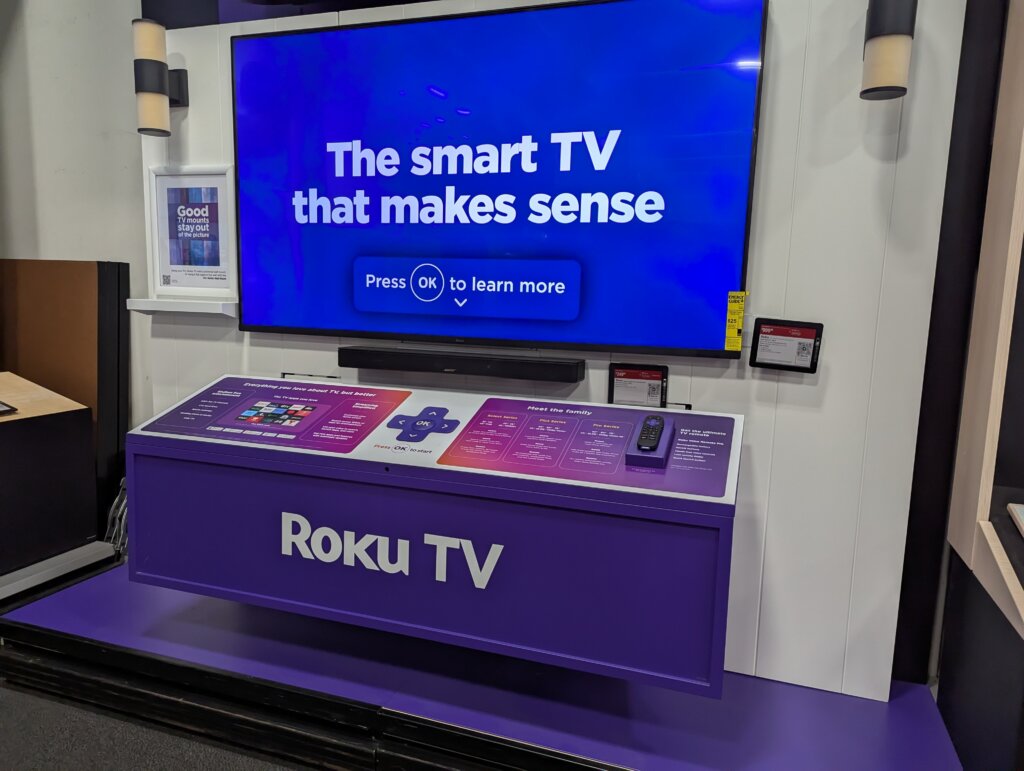
Much of Roku’s value comes from areas viewers rarely see. While its streaming sticks and smart TVs are highly visible products, Roku generates most of its profits through advertising, subscriptions, and platform services rather than hardware sales.
That business model is particularly attractive to Fox as the television industry shifts toward digital advertising. Roku’s platform provides direct relationships with millions of viewers and offers valuable data about viewing habits, allowing advertisers to target audiences more precisely. Industry experts say those capabilities could help Fox expand its advertising business while reducing reliance on traditional cable television distribution.
The acquisition also arrives as streaming companies increasingly embrace ad-supported options. Consumers have shown greater willingness to watch commercials in exchange for lower subscription costs, creating new opportunities for companies that can combine advertising technology with large audiences. Roku already operates one of the industry’s largest advertising ecosystems, and Fox executives believe that scale will become even more valuable as streaming continues to evolve.
The Opportunities—and Risks—Ahead
Supporters of the deal argue that combining content and distribution could strengthen Fox’s long-term position in an increasingly competitive media landscape. The company would gain greater control over how viewers discover programming while creating new ways to connect live sports, news, free streaming, subscription services, and advertising under a single ecosystem.
Critics, however, point to potential conflicts of interest. Roku has historically been viewed as neutral infrastructure that gives equal access to competing streaming services. Some industry observers worry that content providers may become less comfortable relying on a platform owned by a direct competitor. Regulators reviewing the transaction will likely examine whether Fox has incentives to favor its own content or advertising products over those of rival companies.
The broader significance of the acquisition may ultimately extend beyond Roku itself. As streaming becomes the dominant way people watch television, ownership of the home screen is becoming nearly as important as ownership of the shows and events that appear on it. For viewers, the immediate experience may not change dramatically. But behind the scenes, Fox’s bid for Roku reflects a larger shift in the media industry—one where controlling the gateway to entertainment is increasingly seen as the key to shaping television’s future.