


Products are selected by our editors, we may earn commission from links on this page.

From Syria to Guatemala to the Philippines, people are taking to the streets over the same basic problem: fuel has become unaffordable, and patience is running out. The ongoing US war with Iran has driven global energy costs sharply higher for months now, and American households are far from immune to the fallout, even if the loudest street protests so far have erupted overseas rather than at home.
This article was created with the assistance of AI and reviewed by our editorial team for accuracy and clarity.
Oil Just Crossed $100 a Barrel Again

Oil prices climbed back above $100 a barrel this month, a threshold not crossed in months, after fresh US strikes on Iranian oil tankers in the Gulf and renewed fighting in Yemen that threatens shipping through the Bab al-Mandab Strait. Brent crude has swung wildly throughout the conflict, spiking as high as $118 early on before briefly falling back near $70 and climbing again as fighting reignites.
American Gas Prices Are Up 42 Percent Since the War Began
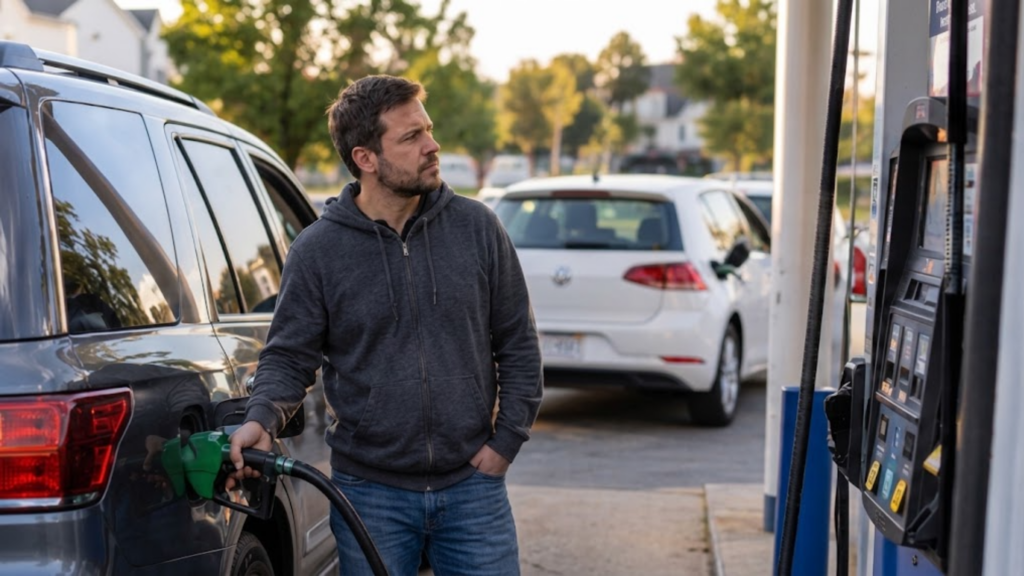
American drivers and homeowners are feeling this squeeze directly in their wallets, even without matching the street protests seen elsewhere. The average US gallon of regular gasoline hit $4.22 this month, nearly 42 percent above the $2.98 average before the war began, according to AAA. Diesel set a fresh all-time record at $5.94 a gallon. Separately, heating oil costs are forecast to jump 31.3 percent this winter, according to NEADA.
Syria Is Seeing Its Largest Protests in Two Years
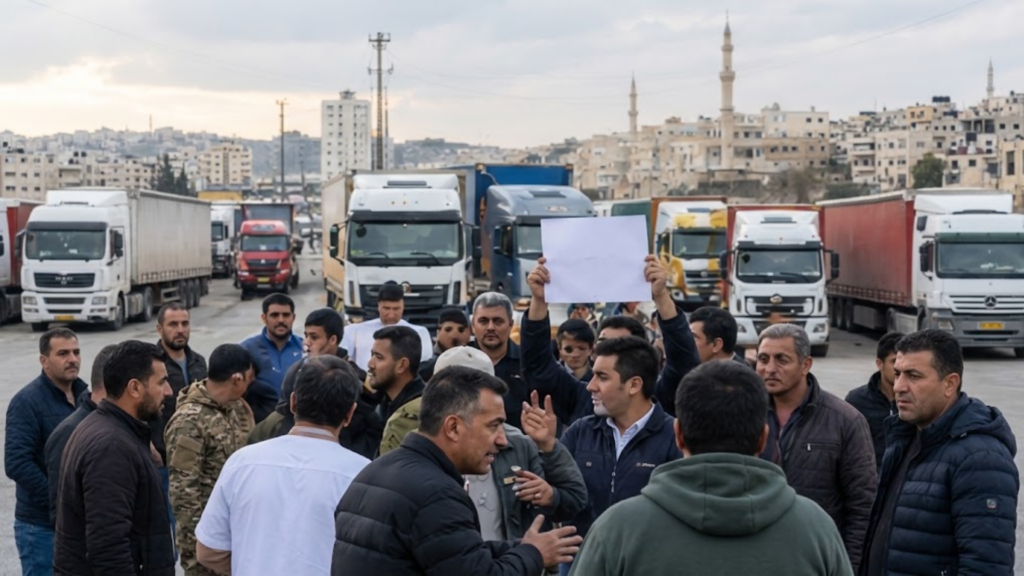
Syria has seen its largest protests since the fall of the Assad regime two years ago after the government temporarily raised diesel prices roughly 40 percent to $1.43 a liter, citing surging global costs and maintenance issues at its largest refinery. Demonstrators blocked a major highway and burned tires, with one protester, Yasser Salim, telling Reuters: “We don’t want higher wages, we want cheaper fuel.”
Guatemala’s Truckers Blocked Highways Nationwide
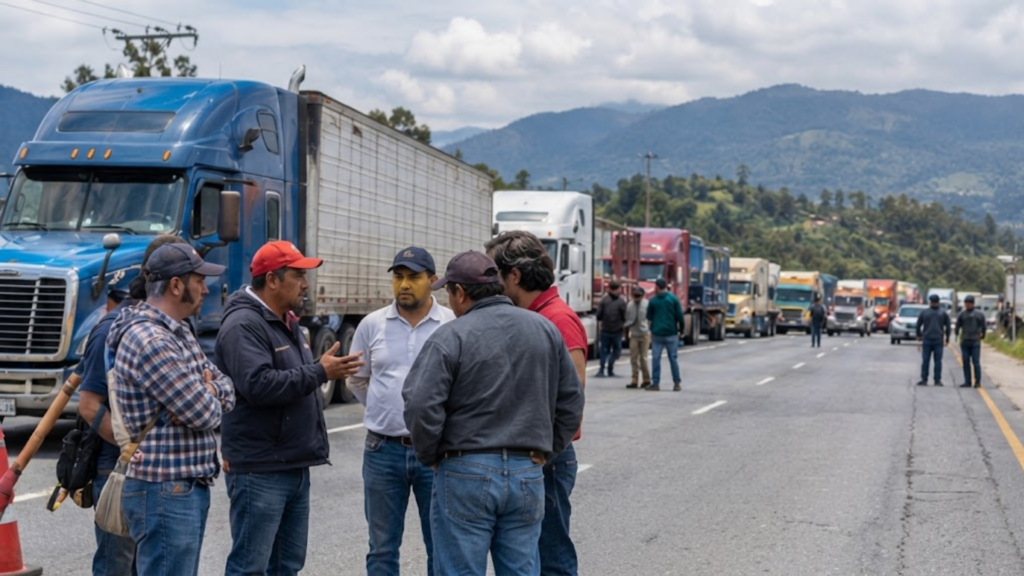
In Guatemala, organized truckers blocked highways last week to protest rising fuel prices, while others marched peacefully through Guatemala City demanding government action. Congress is now working through proposed legislation that would cap fuel prices through the end of the year, subsidizing importers if costs exceed that cap. “People cannot pay these prices and not feel the impact on their finances,” said Congress president Luis Contreras Colindres.
Portuguese Protesters Marched Straight to the PM’s Front Door

Portugal saw roughly 80 people march from the coastal city of Espinho to Prime Minister Luís Montenegro’s home, organized by local business leaders pressuring the government for solutions. Separately, the Portuguese Firefighters’ League has warned that surging fuel costs are becoming unsustainable for volunteer fire brigades. The government has since announced new support measures for freight transporters, taxi drivers, and the fire service.
French Fishermen Blockaded a Fuel Depot and Clashed With Police
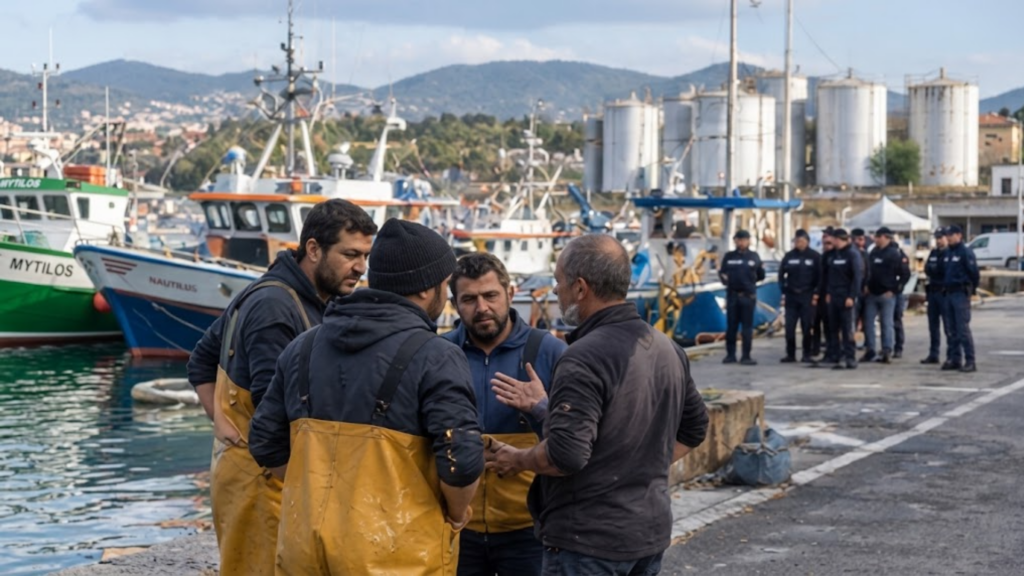
About 50 fishermen blockaded a major fuel depot in the French port town of Fos-sur-Mer, briefly clashing with police during a demonstration that lasted several hours. Local mayor Philippe Maurizot described the fishing industry as facing “a profound crisis that demands an urgent and strong response from the state,” pointing to rising costs and insufficient income squeezing an entire local industry.
Filipino Transport Workers Went on Strike Over Price Hikes
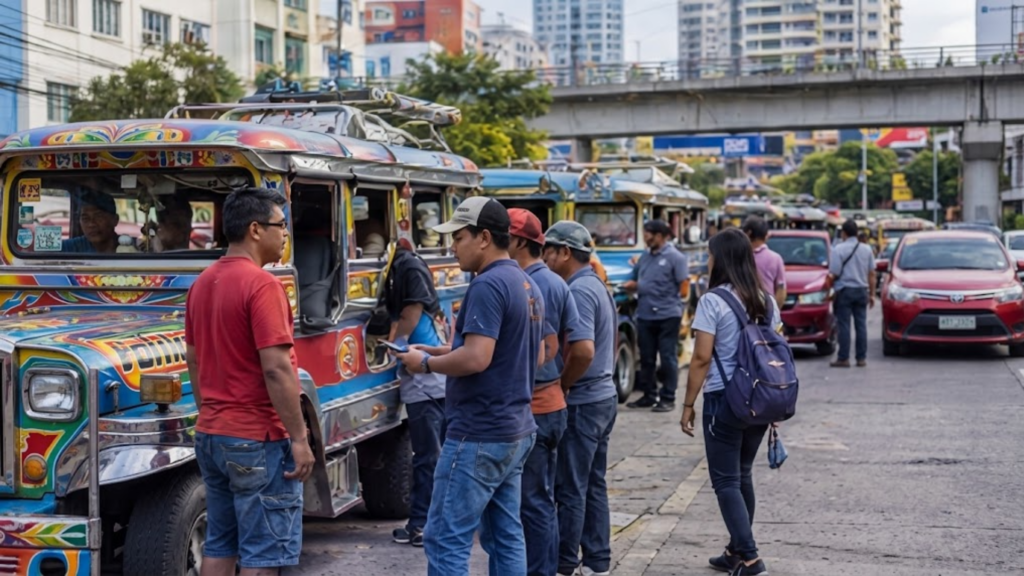
In the Philippines, transport workers went on strike after petroleum companies announced yet another fuel price hike this week, adding to months of elevated costs. Energy Secretary Sharon Garin acknowledged the strain directly, saying increases affect “the daily budget of families, the livelihood of our drivers, and the operating costs of businesses,” while announcing progress toward potentially reducing excise taxes on petroleum products.
Pakistan Just Cut Government Fuel Use by Half
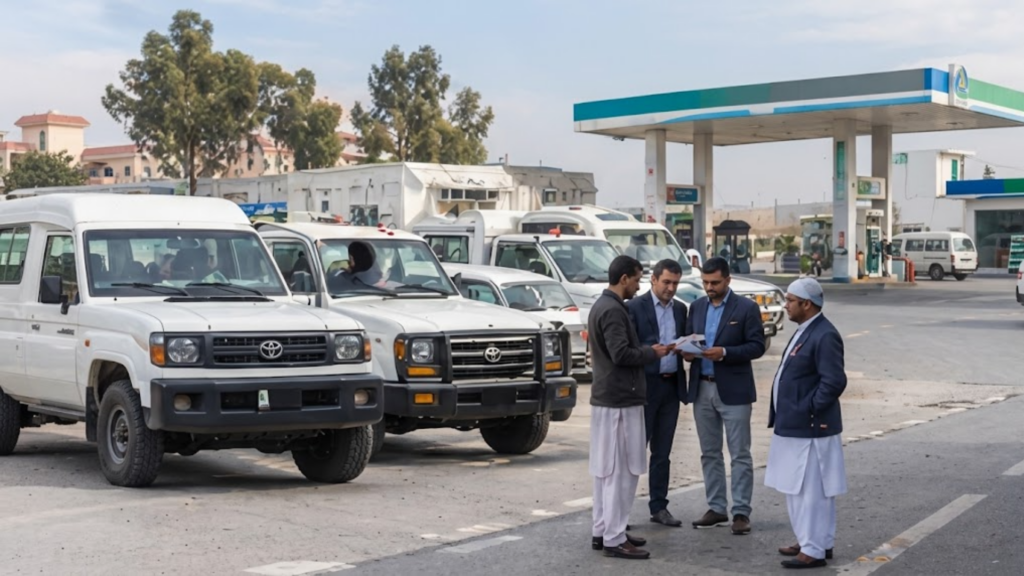
Governments are scrambling to respond directly to the mounting economic pressure in different ways. Pakistan’s Prime Minister approved a nationwide austerity campaign this month, cutting government vehicle fuel allocations by 50 percent for three months, with exemptions carved out for ambulances, fire services, and law enforcement. The measure reflects how seriously governments are treating the risk of continued public unrest.
Analysts Say Economic Anger Is Turning Into Political Anger
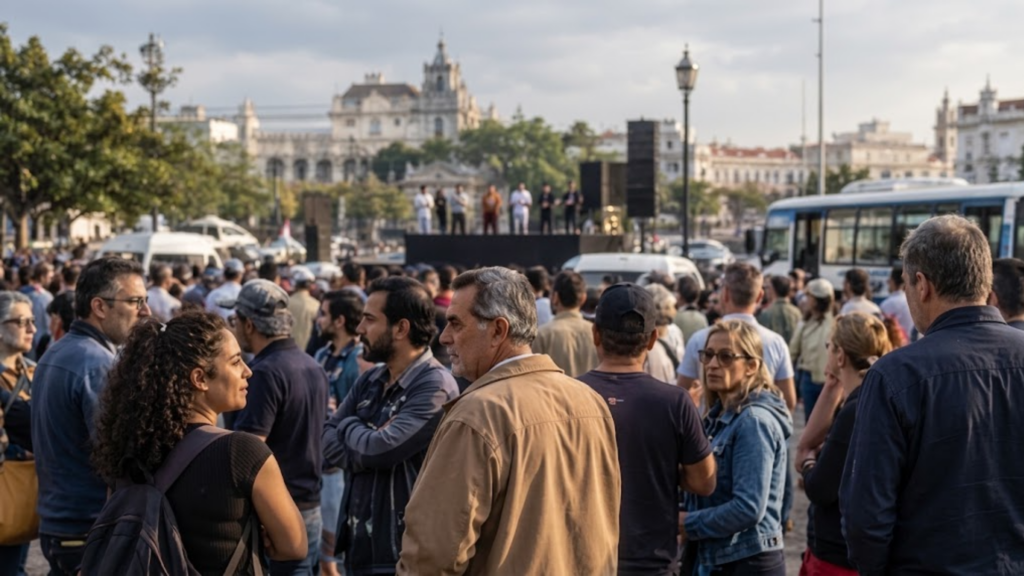
Analysts monitoring the unrest see a consistent pattern forming across these otherwise unrelated countries. “Fuel availability, rising prices, falling purchasing power, and poor services are all reasons that have accumulated public resentment,” said Muaz Al Abdullah, a Syria analyst at ACLED, noting that economic grievances are increasingly “turning into grievances against the government” itself in country after country worldwide.