

Products are selected by our editors, we may earn commission from links on this page.
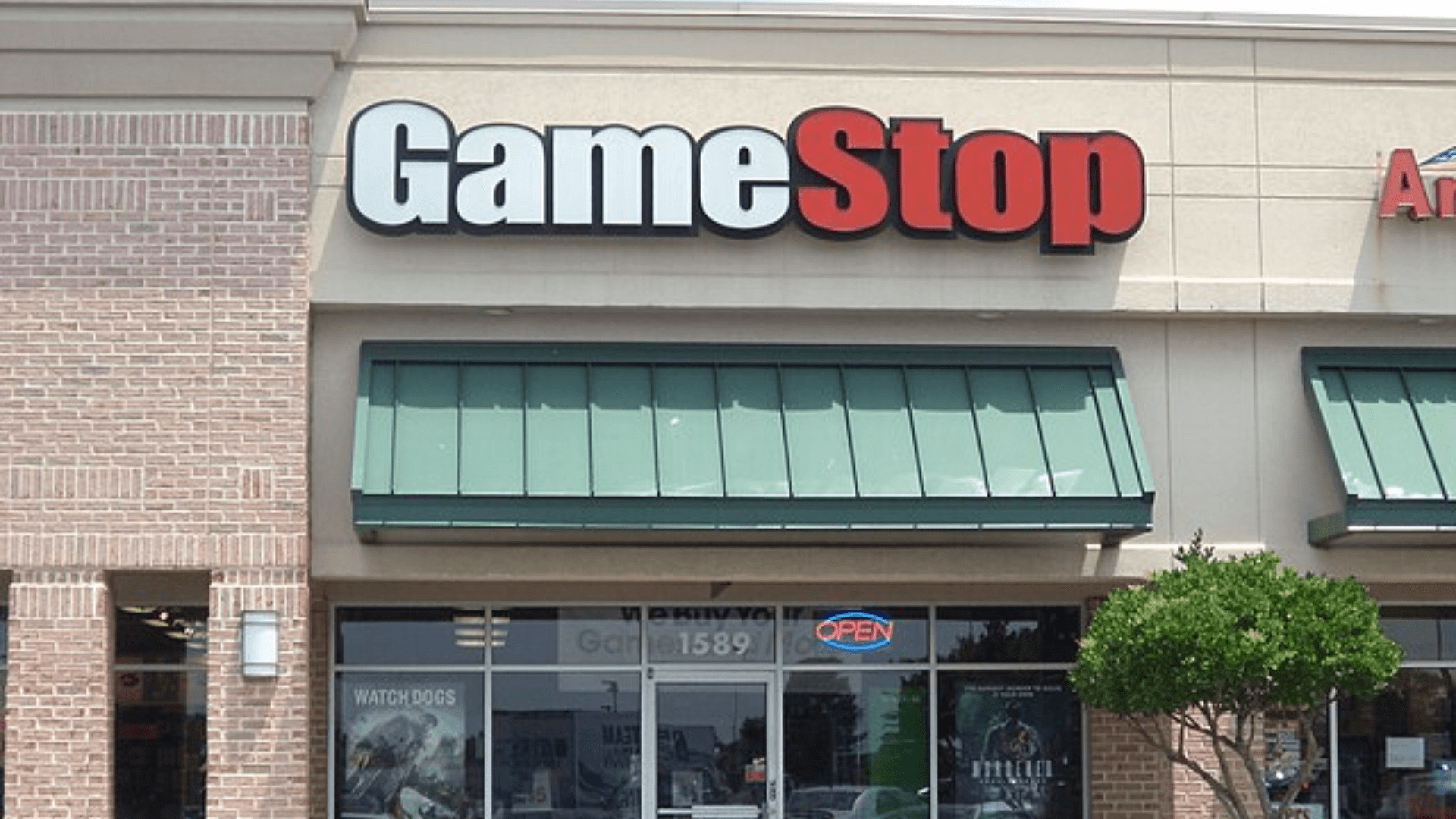
GameStop, the video game retailer once known for its extensive brick-and-mortar presence and role in the 2021 meme stock frenzy, is planning to close hundreds of stores across the United States as it adapts to shifting consumer behavior and ongoing financial pressure. According to company filings and industry reports, GameStop closed 590 U.S. locations during fiscal 2024 and has signaled that an additional “significant number” of closures will take place during its fiscal 2025, which ends in January 2026, as part of a comprehensive store portfolio optimization review designed to reduce costs and focus on profitability.
The decision to scale back its physical retail footprint comes as the video game industry continues its long-term shift toward digital game downloads, online marketplaces and subscription models, trends that have steadily eroded demand for traditional game retailers. GameStop’s retail footprint has already contracted dramatically from its peak, and local reports suggest that closures are underway or planned in several states, including Ohio, Illinois, New York, Kansas, Kentucky and Connecticut, as stores struggle with lease expirations, declining foot traffic and increased competition from e-commerce platforms.
Industry observers note that GameStop’s ongoing closures reflect broader challenges facing brick-and-mortar retail, particularly for specialty stores with heavy reliance on in-store sales, trade-ins and physical inventory, and that the retailer’s attempts to pivot toward online sales, collectibles and new revenue streams such as cryptocurrency investments reflect a multifaceted effort to remain relevant in a rapidly evolving market.
Reasons Behind the Closures and What It Means for Shoppers

GameStop has faced declining revenue in recent years as gamers increasingly purchase titles digitally through consoles, PC platforms and online services, reducing demand for physical game cartridges and discs that once drove much of the chain’s business. In its earnings and regulatory filings, the company acknowledged that evaluating store performance and market conditions is central to determining which locations remain viable, with underperforming stores identified for shutdown as part of its broader cost containment strategy.
For shoppers who have grown up visiting GameStop for new releases, trade-ins and gaming accessories, the closures may mean having to travel farther for in-person purchases or turn more fully to online ordering for products that used to be staples of the in-store experience. Local customers and employees have shared news of closures in specific communities, sparking mixed reactions that blend nostalgia for the brand’s role in gaming culture with concern about the future of physical retail in the industry.
The trend also illustrates the broader pressures on traditional retail formats, especially specialty outlets that must balance physical overhead with the investments required to expand e-commerce and digital offerings; as GameStop closes storefronts in some areas, it is also exploring how to streamline operations and invest in new strategic initiatives to diversify revenue beyond conventional store sales.
How GameStop Is Trying to Reinvent Its Business
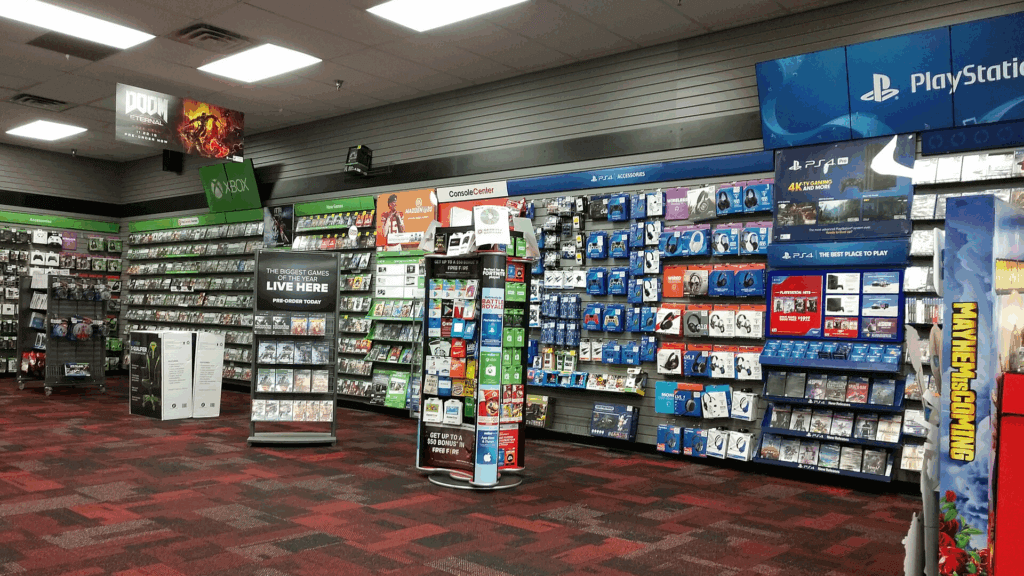
In addition to shuttering stores, GameStop has been pursuing strategic shifts in its business model to adjust to the modern gaming economy, including greater emphasis on e-commerce, collectibles, gaming accessories and other products that can be sold through digital channels or niche in-store experiences. The company has also signaled interest in technology and digital assets as part of its broader effort to identify new revenue streams beyond traditional retail operations.
CEO and leadership changes have accompanied this shift, with performance-based incentive packages tied to ambitious goals such as expanding market capitalization, reflecting an aggressive leadership strategy to encourage growth and reposition the company for long-term adaptation, despite current financial headwinds.
GameStop’s journey from a ubiquitous physical presence to a leaner retail footprint highlights how changing consumer habits, digital disruption and competitive pressures are reshaping the video game industry and forcing legacy brands to innovate or face continued contraction.
What the Store Closures Mean for the Future of Retail
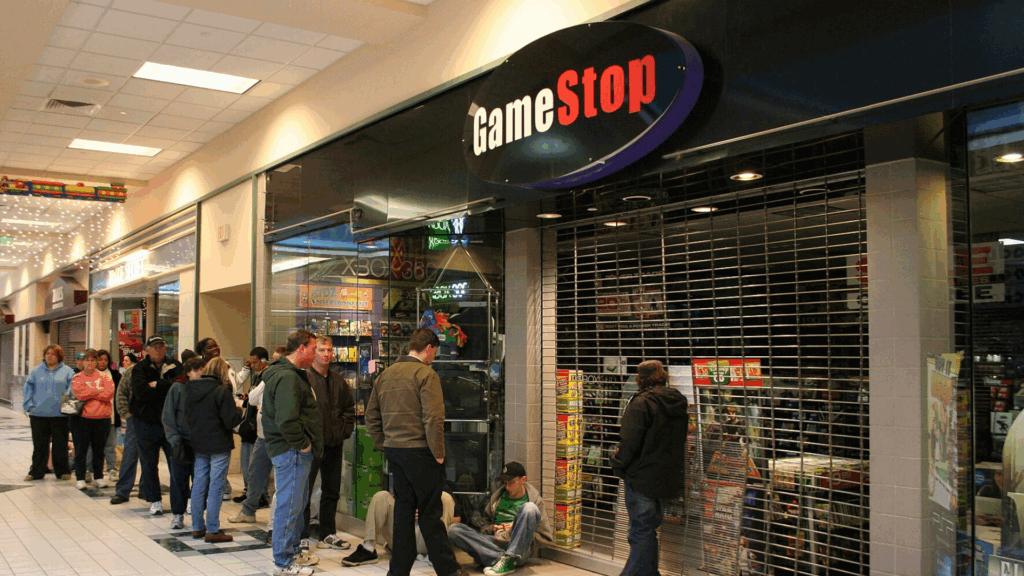
The closure of hundreds of GameStop locations underscores the complex challenges facing traditional retailers as shopping habits evolve, and while the company’s brand still carries recognition among gamers, fewer physical touchpoints may alter how customers engage with one of the industry’s most familiar names. Analysts suggest that the shift will push GameStop to refine its digital presence and invest more heavily in online sales and community-oriented experiences that align with modern consumer expectations and technological trends.
For employees affected by the closures, the reduction in retail stores can lead to job losses and shifts in workplace responsibilities, underscoring the human cost of structural changes in retail and the need for companies and communities to support workers during transitions to new roles or industries.
As GameStop navigates this major transformation, its experience offers a broader lesson for other brick-and-mortar retailers that adaptation, customer engagement and diversification of revenue streams may be essential for survival in an age where digital convenience increasingly drives consumer choice.