

Products are selected by our editors, we may earn commission from links on this page.
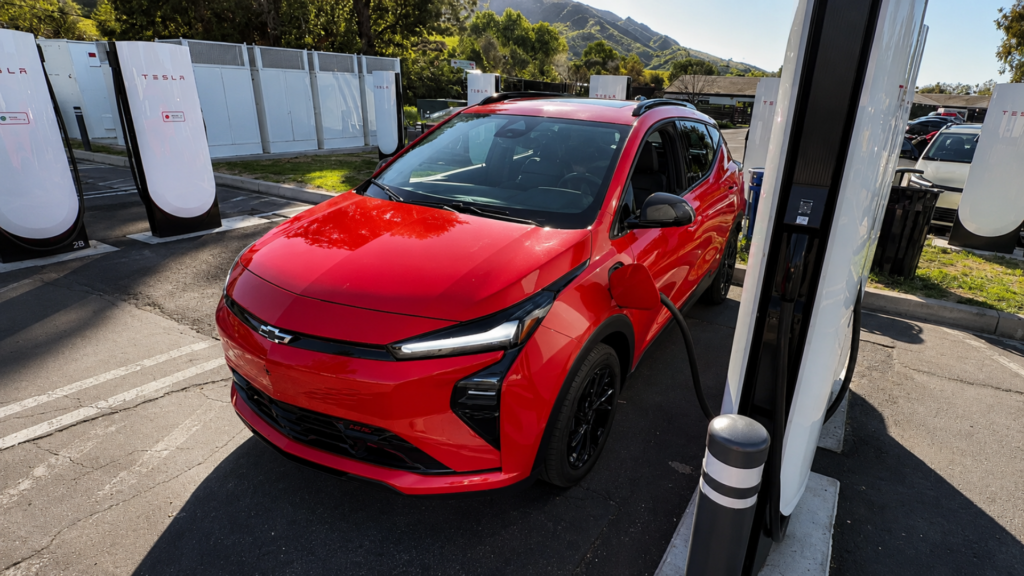
Americans are paying over $4.50 a gallon for gasoline, the highest price in years, and the crisis shows no signs of easing. The US-Israel war on Iran has effectively shut down the Strait of Hormuz, strangling roughly 20% of the world’s oil supply. Now, Congress is weighing a new annual fee on electric vehicles, the one option many drivers might have turned to for relief. The timing could not be more fraught.
A $580 Billion Bill With a Big New Charge

House lawmakers unveiled a sweeping five-year highway bill authorizing roughly $580 billion in transportation spending. Tucked inside is a new annual registration fee of $130 for electric vehicle owners, rising gradually to $150 starting in 2029. Plug-in hybrid drivers would face a separate $35 fee, climbing to $50. The House Transportation and Infrastructure Committee planned a vote on the thousand-page draft bill, with existing highway funding set to expire on September 30.
The Argument Behind the Fee
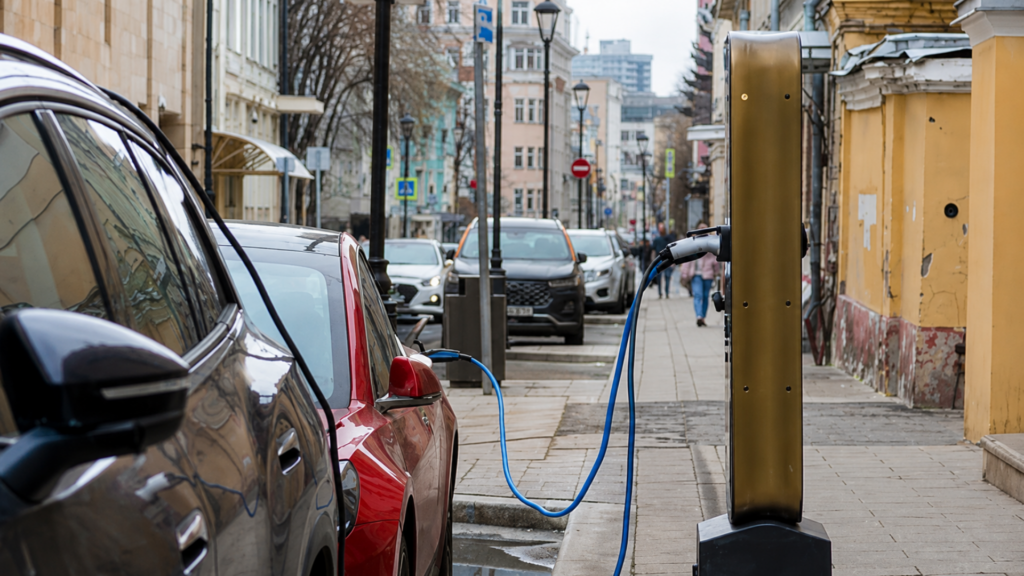
The core logic is straightforward: EV drivers use the same roads as everyone else, but they contribute nothing to the federal Highway Trust Fund, which is almost entirely financed by an 18.4-cent-per-gallon federal gas tax. As EV adoption has grown, that revenue stream has steadily shrunk. House Transportation Committee Chair Sam Graves and ranking Democrat Rick Larsen both backed the measure, calling it a “user-pays” model for road funding. The bipartisan framing was deliberate.
Decades of Deferred Decisions

Congress has not raised federal fuel taxes in over 30 years, even as road repair costs have ballooned. Since 2008, lawmakers have transferred more than $275 billion from the federal general fund into highway programs just to keep pace with declining gas-tax revenue and mounting infrastructure needs. That figure includes about $118 billion from the 2021 infrastructure law alone. The EV fee is, in part, an attempt to patch a funding model that has been crumbling for decades.
States Already Charging EV Owners

The federal proposal would not be entirely new territory for electric vehicle owners. More than 30 states already collect their own annual EV fees, ranging from around $50 to over $200. Illinois, for instance, charges EV drivers an additional $100 on top of standard vehicle registration costs. If the federal fee passes, drivers in those states would pay both charges simultaneously. Notably, an earlier Senate Republican proposal from 2025 had floated a far steeper $1,000 annual EV tax.
Critics Say the Fee Punishes the Wrong People

Environmental groups reacted sharply to the proposal. The Natural Resources Defense Council called it a “punch in the gut” to Americans already struggling with surging fuel costs. Evergreen Action pointed out that switching to an electric vehicle could save a household thousands of dollars a year in fuel and maintenance expenses. The Sierra Club argued the bill also slashes federal support for EV charging infrastructure, compounding the financial pressure on drivers considering making the switch.
Is $130 a Fair Number?

Supporters of the fee argue the math actually favors EV drivers. Gas-powered vehicle owners contribute roughly $73 to $89 in federal fuel taxes annually, according to Albert Gore, executive director of the Zero Emission Transportation Association. At $130, the proposed EV fee would exceed that by a meaningful margin. Critics call it an unfair premium on a cleaner technology at a moment when Americans are already searching for affordable alternatives to the gas pump.
The Iran War Is Rewriting the Energy Conversation

The backdrop to all of this is a global energy shock. The US-Israel conflict with Iran, which began in February, led Iran to effectively close the Strait of Hormuz, through which about a fifth of the world’s oil and liquefied natural gas normally flows. The International Energy Agency described the disruption as the largest supply crisis in the history of global oil markets. Gas prices in the United States have climbed more than a dollar per gallon since the war began, reaching $4.52 as of May 17.
Senate Opposition Sets Up a Congressional Battle

The bill’s path forward is uncertain. Senate Democrats, including Senators Ron Wyden and Sheldon Whitehouse, have pushed back against any new fees on electric vehicles, arguing the charges could slow EV adoption at precisely the moment the country is trying to build a domestic EV industry. Their opposition sets up a likely clash between the two chambers. Whether the EV fee survives the Senate intact, gets scaled back, or is stripped out entirely will determine whether this policy shift actually reaches American drivers.
A Fork in the Road for American Drivers

The debate over the EV fee reflects a genuine policy tension: road funding needs to evolve as the technology on those roads changes, but the timing of new fees matters enormously. With gas topping $4.50 a gallon and household budgets already stretched, adding costs to the one alternative that offers relief raises difficult questions. How Congress balances infrastructure solvency against the push for cleaner, more affordable transportation will shape American commuting for the next generation.