

Products are selected by our editors, we may earn commission from links on this page.
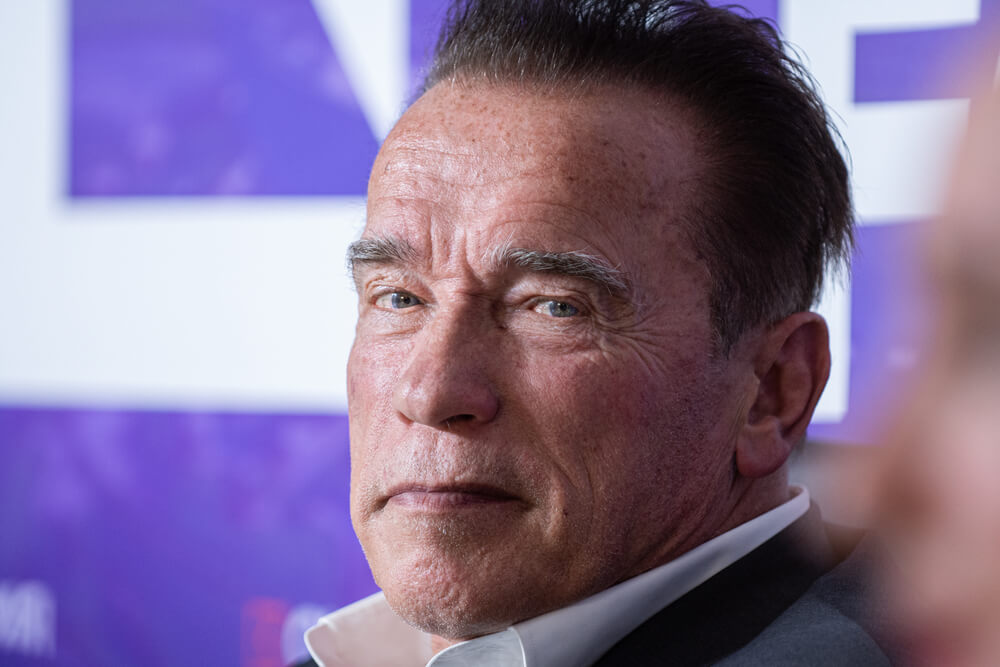
California Governor Gavin Newsom’s sweeping win on Proposition 50 was supposed to be a defining victory, a bold move to redraw congressional maps and blunt Republican gains nationwide. But as the dust settled, an unlikely opponent emerged: former Governor Arnold Schwarzenegger. The two leaders, long seen as symbols of bipartisan California, now find themselves on opposite sides of a battle over democracy itself.
A Redistricting Gambit
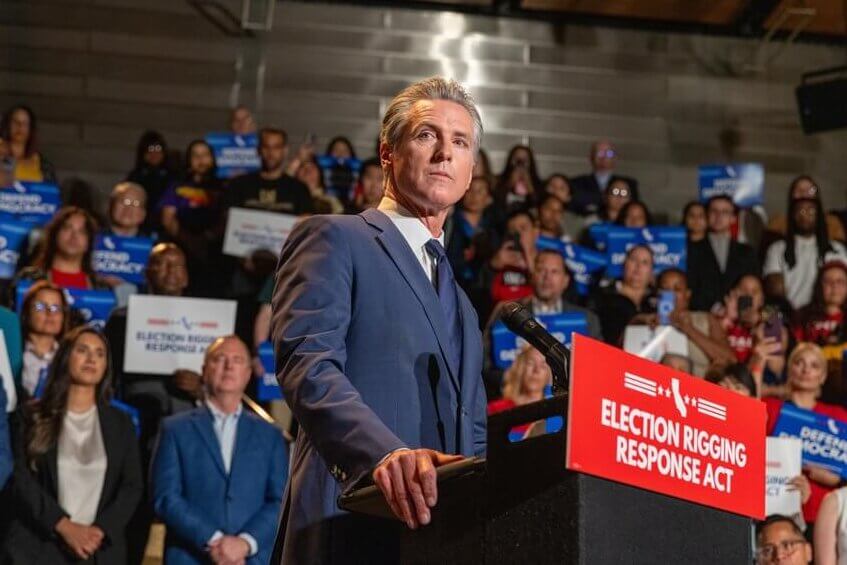
Dubbed the “Election Rigging Response Act”, Proposition 50 allows California to temporarily use legislatively drawn maps until 2030 after generating nearly 64% voter support. The move, Newsom argued, was a necessary countermeasure to Texas’s partisan redistricting efforts under President Donald Trump. For Democrats, the measure promises as many as five new U.S. House seats, a rare chance to reshape the national balance of power.
The Political Stakes

The campaign became a referendum on Newsom’s national ambitions. The NPR analysis noted that his success positioned him as a leading Democratic figure ahead of the 2028 presidential race. Backed by more than $120 million in donations, his “Yes on 50” campaign drew support from Barack Obama and Alexandria Ocasio-Cortez. Meanwhile, conservative donors poured millions into opposition groups that warned the measure would “let politicians pick their voters.”
Schwarzenegger’s Return to the Arena
Then came the surprise. After years of relative quiet, Arnold Schwarzenegger reemerged to challenge Newsom’s victory. In Vanity Fair’s detailed account, the former governor denounced Proposition 50 as a betrayal of the independent redistricting system he helped establish in 2008. In his words, “Gerrymandering is evil no matter who does it.” His opposition carried symbolic weight — not partisan fury, but a moral argument about process and power.
The Map That Redefined California
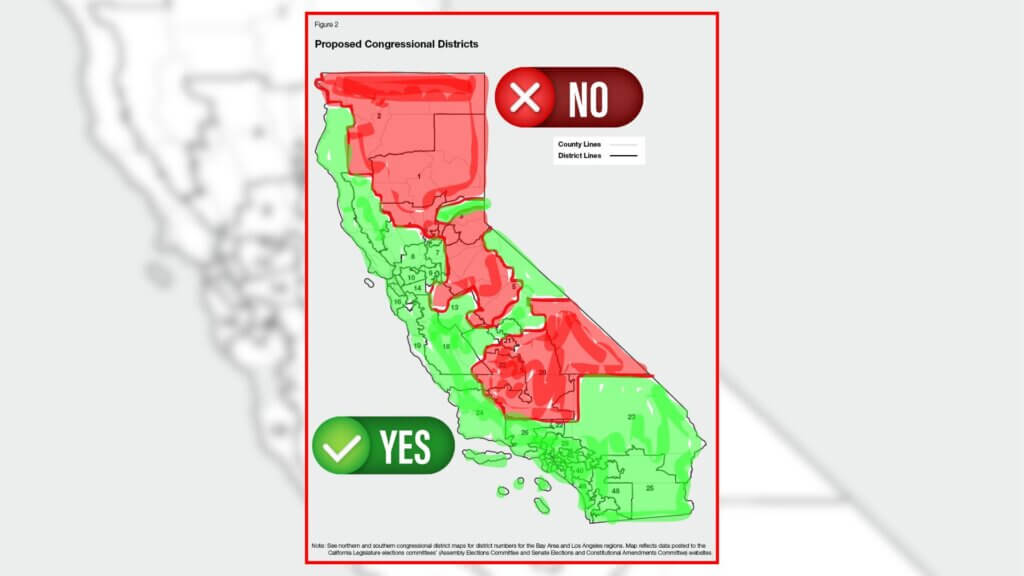
The NBC Bay Area results map revealed deep divisions: coastal counties overwhelmingly supported the measure, while inland regions voted ‘No’. The new boundaries could reduce Republican-held seats to just four, reshaping representation in places like the Central Valley and northern Sierra counties. For residents in agricultural and rural districts, the new lines signaled a loss of local voice in favor of urban blocs.
The Unexpected Rift

Schwarzenegger’s challenge turned the redistricting debate into something larger, a philosophical break between two Californians who once shared common ground. He and Newsom had long aligned on climate policy and governance reforms. But as the former governor’s chief of staff told Vanity Fair, “He still stands by the rule we learn in preschool: two wrongs don’t make a right.”
The Reveal: Power vs. Principle

What began as a technical question of congressional lines has become a deeper confrontation over integrity in democracy. Schwarzenegger’s stance reframes the narrative: this isn’t merely Democrat versus Republican, but principle versus pragmatism. Newsom defends Proposition 50 as a “five-alarm fire for democracy,” while Schwarzenegger insists that saving democracy requires restraint. Their conflict exposes a new kind of divide — not ideological, but ethical.
California’s National Echo

Nationally, the clash reverberates beyond California. States like Missouri and North Carolina are watching closely as partisan redistricting lawsuits mount. Newsom’s assertive strategy may inspire other blue states to follow suit, while Schwarzenegger’s opposition offers a rare conservative critique rooted in democratic reform rather than party loyalty.
Voters, Fatigued but Watching
Despite the noise, voter engagement remains uneven. Many Californians admitted they “didn’t even know there was an election”. Yet the outcome will shape congressional representation for the next five years and possibly Newsom’s political destiny.
A Showdown of Legacies
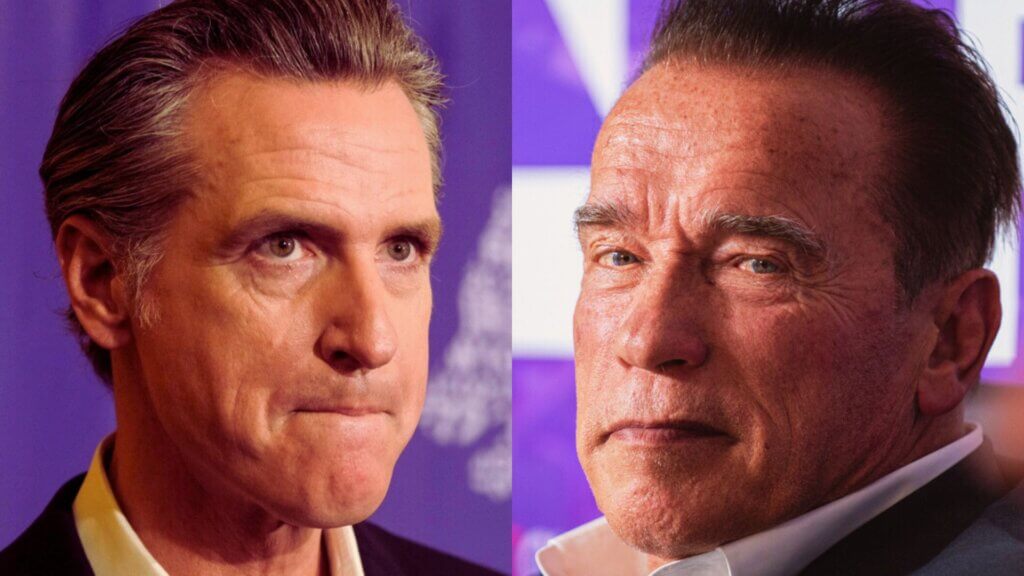
For both governors, this isn’t just a policy dispute — it’s a legacy test. Newsom, the strategist, sees himself defending democracy through action. Schwarzenegger, the reformer, sees himself defending it through restraint. Their collision over Proposition 50 underscores a paradox at the heart of American politics: when the battle for democracy becomes partisan, even its defenders can turn into opponents.