

Products are selected by our editors, we may earn commission from links on this page.
A massive wealth transfer is underway. Over the next decade, roughly 1.2 million individuals with net worths of $5 million or more will pass down more than $38 trillion globally, according to a new report from Coldwell Banker Global Luxury reviewed by The Wall Street Journal. Gen Xers and millennials are positioned to inherit $4.6 trillion in real estate worldwide, with nearly $2.4 trillion of those properties located in the U.S. The shift is already reshaping the luxury housing market and how families structure purchases.
Parents Are Buying Luxury Homes for Their Children Sooner Than Ever

Wealthy parents aren’t waiting for their children to inherit wealth. They’re buying them luxury properties now, and the price points have surged dramatically. Ian Slater, a Compass agent working with ultrawealthy families in New York, said he used to commonly see people buy $3 million to $5 million apartments for their kids aged 25 to 30. Now he sees people buying $15 million to $30 million apartments for their children. It’s reshaping the definition of luxury real estate as more sellers cater to younger buyers.
Condos Outpace Co-Ops as Parents Structure Purchases for Maximum Flexibility

The shift toward parent-funded purchases is most pronounced in Manhattan neighborhoods like Greenwich Village, the West Village, and Tribeca, where younger buyers gravitate. These transactions favor condos over co-ops, since many co-op boards require occupants to be financially independent. Luxury agent Clayton Orrigo said condos are much easier for parents buying through an LLC or family trust. If a child gets transferred from one city to another for work, the family can rent the apartment out, offering flexibility for globally mobile heirs, Orrigo explained.
Developers Add Podcast Studios and Social Media Spaces to Attract Young Buyers

Ultraluxury condo developers are responding with amenities aimed squarely at younger buyers. One downtown condo at 80 Clarkson Street features a studio for creating podcasts and social media content, according to Orrigo. The shift toward downtown Manhattan is already cooling traditionally upscale uptown markets. Sellers in exclusive Park and Fifth Avenue cooperatives have struggled to command record-setting prices, with their price growth lagging well behind condominiums for years.
Centimillionaires Hold 43 Percent of the $17.3 Trillion Passing Down in America

Americans with net worths exceeding $5 million are expected to pass down about $17.3 trillion over the next decade. Centimillionaires, those worth more than $100 million, hold roughly 43 percent of that wealth, according to the Coldwell Banker report, which incorporated data from research firms Altrata and Cerulli Associates. With so much at stake in the great wealth transfer, many families are preparing their children earlier, bringing them into conversations about inheritance and involving them in major real estate decisions while parents are still alive.
One Florida Family Built a $500 Million Legacy Plan After Fearing Children Would Squander Wealth
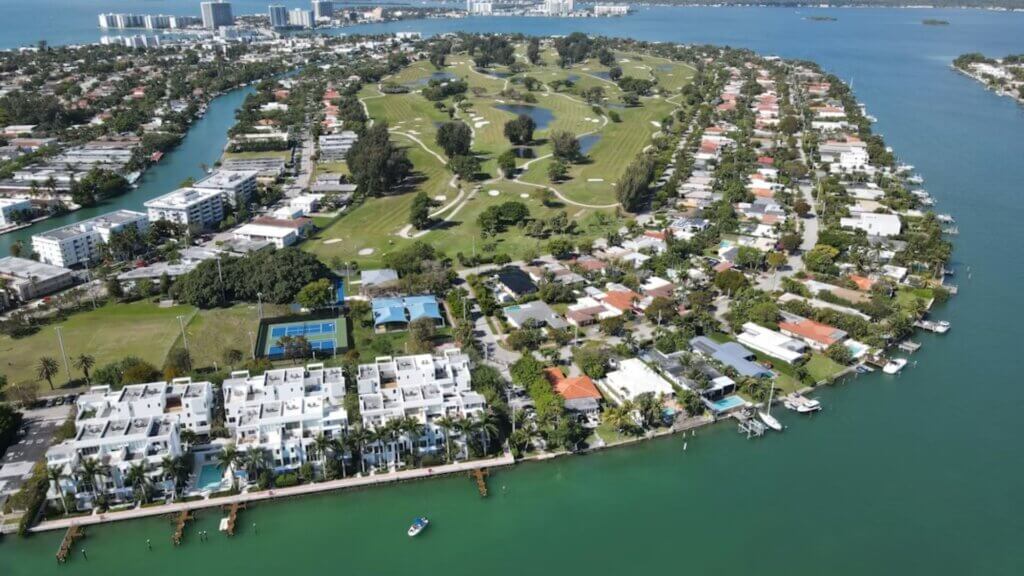
Bobby Castro, 58, who made his fortune founding and selling financial technology company Bankers Healthcare Group, was driven by fear when planning how money would pass to his children. He told The Wall Street Journal he read there’s over a 70 percent chance the second generation will wind up blowing all the hard work the first generation did, calling it a scary statistic. That prompted him and his wife, Sofia, 54, to build their 100-year legacy plan. Their family office purchased homes for both children and their spouses, each costing $2 million to $3 million through family trusts.
Family Holds Quarterly Board-Level Meetings With Spouses

The Castro family, now worth about $500 million, works with wealth managers, accountants, and other advisers, holding off-site family meetings every three months. They spend mornings reviewing their portfolio, then go skiing, golfing, or to the beach. Bobby Castro described the gatherings as board-level meetings, with spouses included in conversations. The children also receive one-on-one business coaching from the family’s wealth management firm. The family belongs to R360, a network for centimillionaires that offers a leadership program for heirs. covering topics from managing real estate portfolios to navigating friendships.
Families Use Trusts and LLCs to Limit Inheritance Taxes on Appreciating Properties

Michael Cole, a founding partner at R360, a network for centimillionaires, said members use structures like limited liability companies or family limited partnerships that allow parents to split ownership with children and transition control over time. The goal is to keep future appreciation of real estate assets outside the older generation’s taxable estate, which limits inheritance taxes upon parents’ deaths. David L. Smith, a New York real estate attorney, has seen a huge surge in the last two years in transactions where parents buy homes for children through trusts.
Older Households Now Hold Nearly Two-Thirds of U.S. Wealth, Up From Less Than Half a Decade Ago

The great wealth transfer is significant because of how wealth has accumulated in the U.S., according to Chayce Horton, associate director at research and consulting firm Cerulli Associates. Over the past decade, the wealthy became nearly four times richer, Horton said. They nearly doubled their share of total wealth, while total wealth itself doubled in size. That money is concentrated among older households. People 60 and older held less than half of U.S. wealth a decade ago. Today, they hold almost two-thirds, according to Horton.
Legacy Estates Are Coming to Market as Heirs Prefer Contemporary Living and Liquid Assets

As wealth transfers accelerate, some heirs are discovering that legacy properties require more maintenance than they want. Large estates needing significant upkeep and full-time staff are increasingly hitting the market, brokers say. In New York’s Hudson Valley, a sprawling farm came on the market last year asking $90 million, The Wall Street Journal reported. Owner Daniel Slott, who worked at Bear Stearns and later had a junk-bond fund, is selling because he’s getting older and his adult children don’t want to deal with maintaining and operating it, preferring contemporary arrangements or more liquid assets.