

Products are selected by our editors, we may earn commission from links on this page.
For many, early impressions of El Niño were shaped more by television satire than atmospheric science. In reality, the climate pattern is one of the most powerful drivers of global weather variability. As ocean temperatures shift in the tropical Pacific, rainfall, storms, and drought patterns can change thousands of miles away. Understanding it precisely has never been more important.
What El Niño Actually Is

El Niño occurs when sea surface temperatures in the central and eastern tropical Pacific rise well above average. This warming disrupts atmospheric circulation and alters global weather systems. Its counterpart, La Niña, features cooler than average waters in the same region. Together, they form a recurring climate cycle known as the El Niño Southern Oscillation.
The Traditional Measuring Stick

For decades, scientists relied on the Oceanic Niño Index to detect these events. This method focused on temperature anomalies in a specific swath of ocean known as the Niño 3.4 region. Researchers compared current readings to a rolling 30 year average. Larger deviations signaled stronger El Niño or La Niña events.
A Warming Ocean Complicates The Picture

As global temperatures climbed, the entire tropical Pacific began warming. This background trend made it harder to distinguish natural variability from long term climate change. When the baseline itself rises, anomalies become less distinct. The traditional index began to blur the very phenomenon it was meant to measure.
Enter The Relative Oceanic Niño Index

To address this challenge, scientists introduced the Relative Oceanic Niño Index, or RONI. The new method subtracts temperature anomalies across the broader tropical Pacific from those in the Niño 3.4 region. This mathematical adjustment filters out the broader warming trend. The result is a clearer signal of true El Niño and La Niña activity.
Why Precision Matters
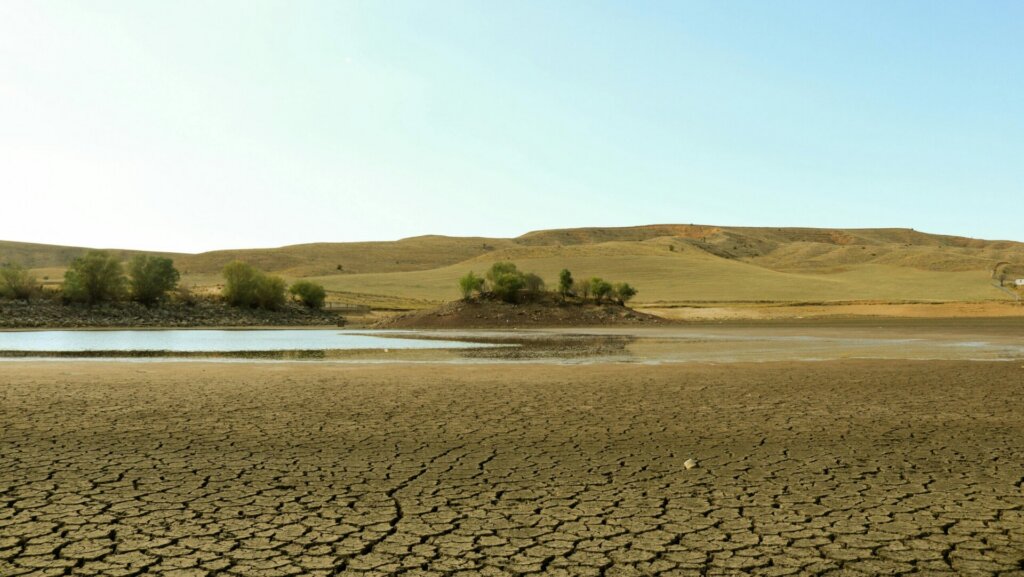
Accurate detection of El Niño and La Niña is essential for forecasting. These events influence monsoons, drought cycles, flood risks, and even the intensity of Atlantic hurricane seasons. Billions of dollars in agricultural and infrastructure impacts hinge on reliable predictions. A sharper index improves preparedness worldwide.
Insights From Leading Climate Scientists

Michelle L’Heureux of the National Oceanic and Atmospheric Administration explained that the updated index better captures the interaction between ocean temperatures and atmospheric circulation. El Niño is considered a coupled phenomenon, meaning ocean and atmosphere must shift together. When the old index drifted out of sync with atmospheric patterns, its reliability declined. The new framework restores that alignment.
Climate Change As The Distorting Lens
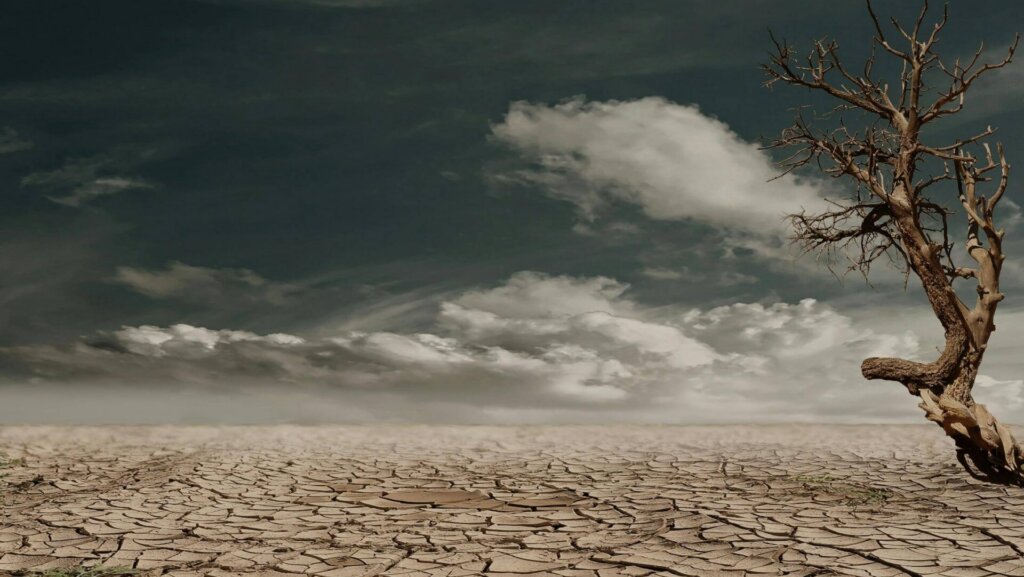
Emily Becker of the University of Miami emphasized that rapid global ocean warming was driving the mismatch. Over the past decade, traditional measurements increasingly failed to reflect real world weather impacts. The accelerated warming of the oceans altered the climatic baseline. By adjusting for that shift, RONI isolates the true strength of each event.
Clearer Forecasts In A Changing Climate
Scientists liken the shift to upgrading a pair of blurry glasses. By removing the haze of background warming, researchers can now identify El Niño and La Niña earlier and more accurately. Earlier detection enhances seasonal forecasting models. Communities can respond more effectively to anticipated floods, droughts, or storm seasons.
Redefining Climate Measurement In The Anthropocene
The evolution from the Oceanic Niño Index to RONI reflects a broader truth about climate science. As the planet warms, even the tools used to measure natural variability must adapt. El Niño remains a powerful force, but its detection now requires accounting for human driven change. In a rapidly shifting climate, precision is not merely academic but essential for resilience.