


Products are selected by our editors, we may earn commission from links on this page.

Growing healthier hair is rarely about finding one miracle shampoo, supplement, or viral treatment. Dermatologists emphasize that hair growth depends on several factors, including genetics and underlying health, while a good routine can protect the hair you already have from unnecessary breakage and damage. If someone is experiencing true thinning or hair loss rather than simply trying to improve hair health, identifying the cause is an important first step because different types of hair loss require different approaches.
Wash Your Hair According to Your Scalp and Hair Type
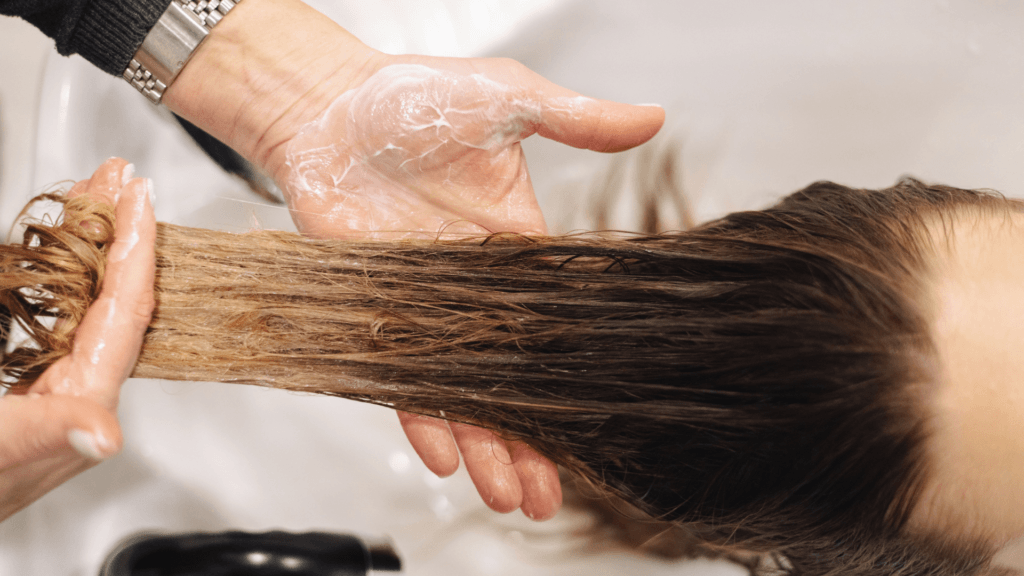
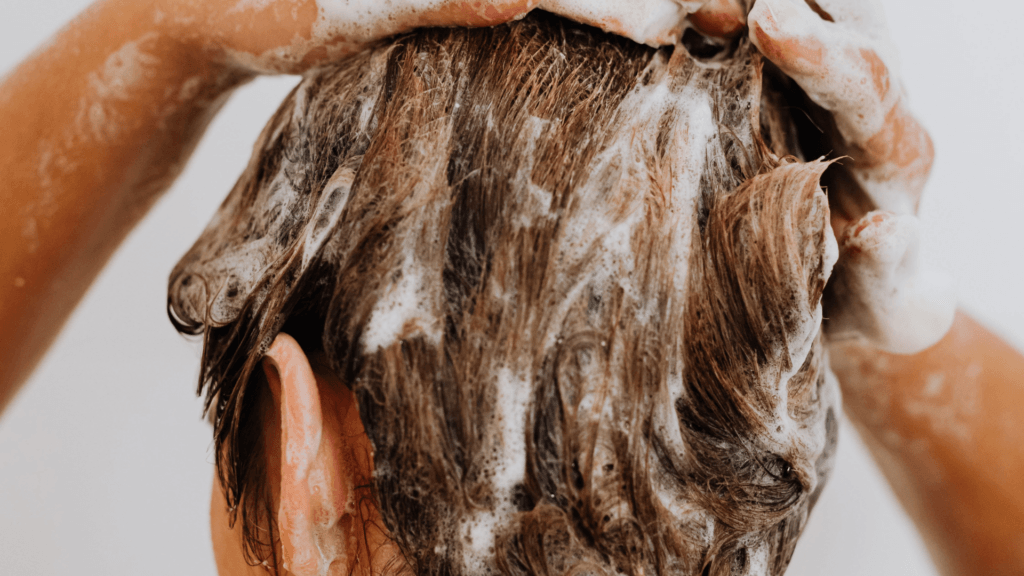
There is no single washing schedule that works for everyone. The American Academy of Dermatology recommends shampooing based on how quickly the scalp becomes dirty or oily, meaning someone with straight hair and an oily scalp may wash daily, while people with dry, thick, curly, or textured hair generally need to shampoo less frequently. When washing, concentrate shampoo primarily on the scalp to remove excess oil, dead skin, and product buildup without unnecessarily drying the entire length of the hair.
Conditioner Helps Protect Hair From Everyday Breakage
Conditioning does not make follicles suddenly produce hair faster, but it can help existing strands stay healthier as they grow. Dermatologists recommend using conditioner after shampooing because it moisturizes and detangles the hair, making strands easier to manage and less vulnerable to breakage and split ends. People with fine or straight hair can focus conditioner on the ends, while those with dry or curly hair may benefit from applying it along the entire length.
Be Especially Gentle When Your Hair Is Wet
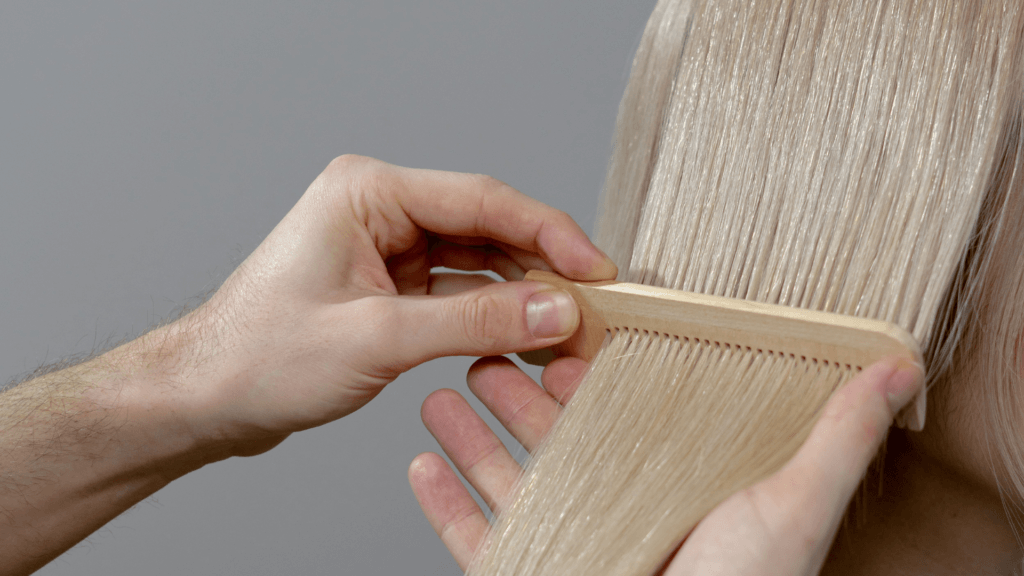
Wet hair can be particularly vulnerable to damage, so aggressive brushing, rubbing, and detangling can work against the goal of maintaining fuller, healthier-looking hair. Dermatologists recommend slowly detangling with an appropriate comb, beginning near the ends and gradually working upward rather than pulling through knots from the roots. Gently wrapping hair in a towel or T-shirt to absorb water is also preferable to vigorously rubbing it dry.
Too Much Heat Can Weaken the Hair You Are Trying to Grow
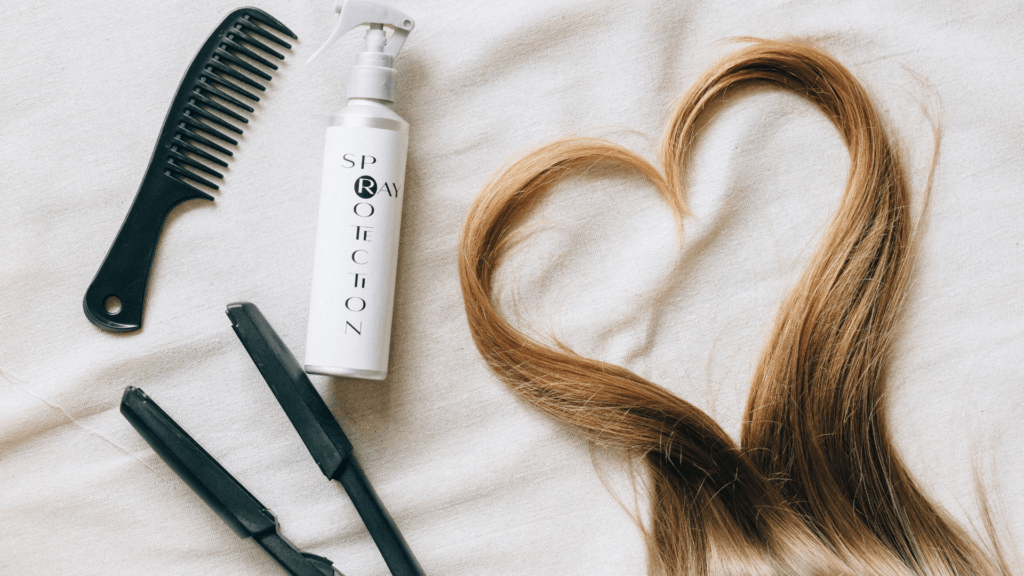
Frequent high-temperature styling can weaken the hair shaft and increase breakage, potentially making hair appear thinner even when the follicles themselves are still growing normally. Dermatologists recommend limiting flat irons, curling irons, and other high-heat tools while using low or medium temperatures when heat styling is necessary. Allowing hair to air-dry when practical and using a heat-protecting product can further reduce unnecessary damage.
Tight Hairstyles Can Eventually Lead to Hair Loss
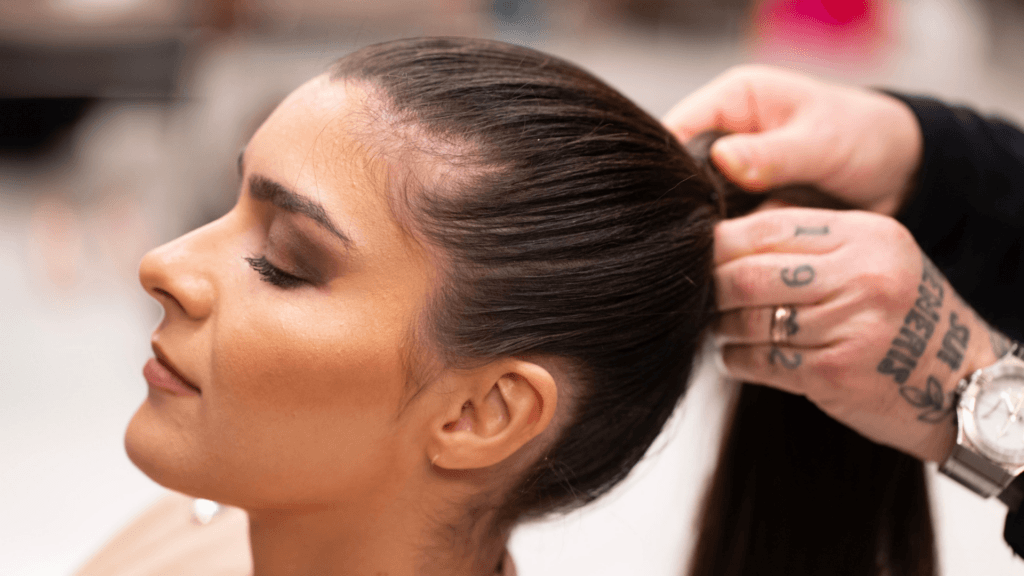
Repeatedly wearing tight ponytails, buns, braids, cornrows, extensions, or other styles that continuously pull on the follicles can cause traction alopecia. Early changes may improve when the tension stops, but continued pulling can eventually damage follicles enough to cause permanent hair loss. A useful warning sign is discomfort: the AAD advises that if a hairstyle feels painful, it is too tight.
Protein, Iron and Enough Calories Matter for Hair Health

Hair growth also depends on what is happening inside the body, which means a carefully designed hair-care routine cannot compensate for inadequate nutrition. Dermatologists note that insufficient protein or iron can contribute to hair loss, while consistently eating too few calories may also trigger significant shedding. Instead of automatically reaching for supplements, people experiencing unexplained thinning may benefit from discussing their diet and possible deficiencies with a healthcare professional.
Hair-Growth Supplements Are Not a Shortcut for Everyone

Biotin and other hair supplements are heavily marketed, but taking extra nutrients does not necessarily make healthy hair grow faster. The AAD notes that research on supplements marketed for hair growth has produced mixed results, while excessive amounts of certain nutrients, including selenium and vitamins A and E, have actually been associated with hair loss. A blood test can help identify a genuine deficiency before someone begins taking supplements they may not need.
Real Hair Loss May Need More Than a Better Routine
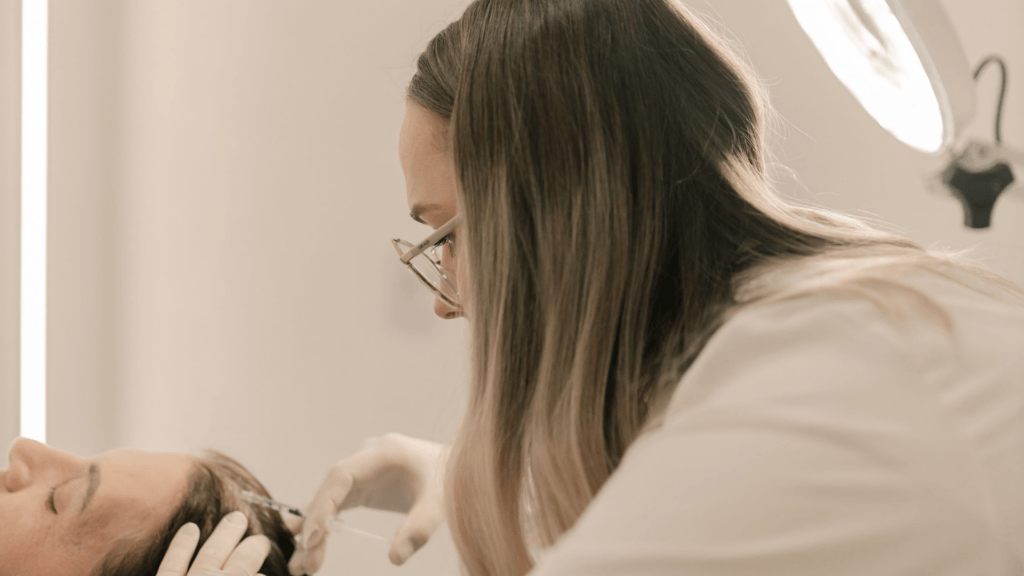
Healthy habits can minimize damage, but they cannot treat every medical cause of thinning. Hair loss can result from hereditary conditions, illness, hormonal changes, nutritional deficiencies, medications, autoimmune disease, or damaging hairstyles, which is why dermatologists recommend getting a diagnosis when noticeable thinning develops. For some conditions such as female pattern hair loss, topical minoxidil can stimulate growth and help prevent further loss, but it generally requires consistent use for six to 12 months before its effectiveness can be properly evaluated.
Healthy Hair Growth Is About Consistency, Not Quick Fixes

Hair grows slowly, so meaningful improvement usually requires patience rather than constantly switching between trending products and treatments. A routine built around appropriate cleansing, regular conditioning, gentle handling, less heat and tension, and adequate nutrition can help protect strands and minimize avoidable breakage. If hair continues to thin despite those habits, seeing a dermatologist early can help uncover the underlying cause and determine whether a targeted treatment is needed instead of relying on another supposed quick fix.