

Products are selected by our editors, we may earn commission from links on this page.
A rare and deadly virus is making headlines after a suspected hantavirus outbreak aboard a cruise ship left multiple people seriously ill. The situation has raised global concern, not just because of the fatalities, but because hantavirus is typically linked to rodents, not cruise ships. Health officials are now racing to understand how the virus spread in such an unusual setting, while experts explain what hantavirus is, how it infects people, and why this outbreak is drawing so much attention.
What Is Hantavirus?
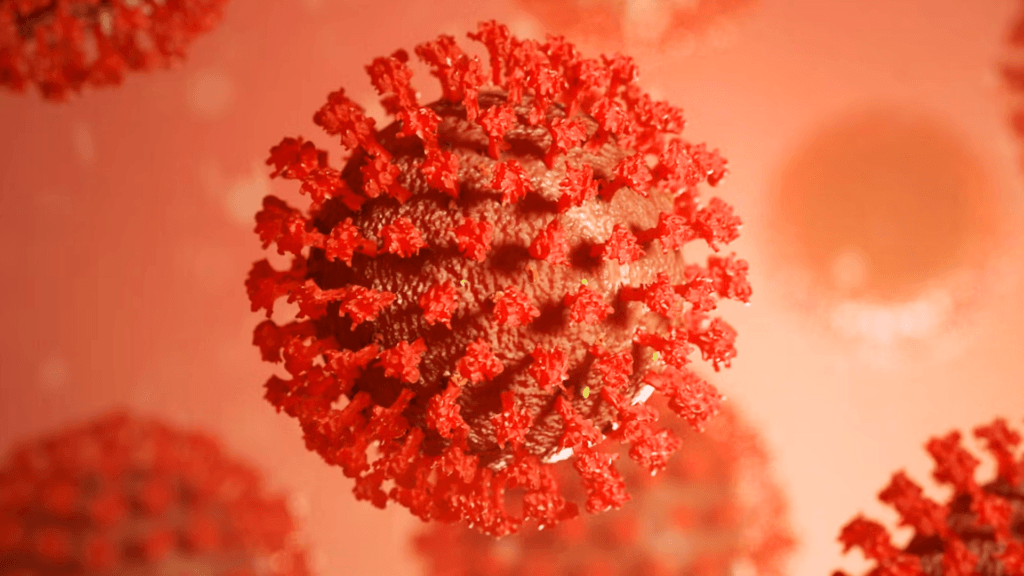
Hantavirus is a group of viruses that can cause severe illness in humans, most commonly affecting the lungs or kidneys depending on the strain. In the Americas, it is known for causing hantavirus pulmonary syndrome (HPS), a potentially life-threatening condition that can lead to respiratory failure. Though rare, infections can be extremely serious, with fatality rates reaching up to 30–40% in severe cases.
How Hantavirus Usually Spreads

Hantavirus is most commonly spread through contact with infected rodents, particularly their urine, droppings, or saliva. People typically become infected by inhaling tiny particles contaminated with the virus, often in enclosed or poorly ventilated spaces. Unlike many other viruses, hantavirus is not easily transmitted between people in most cases.
Why the Cruise Ship Outbreak Is Unusual
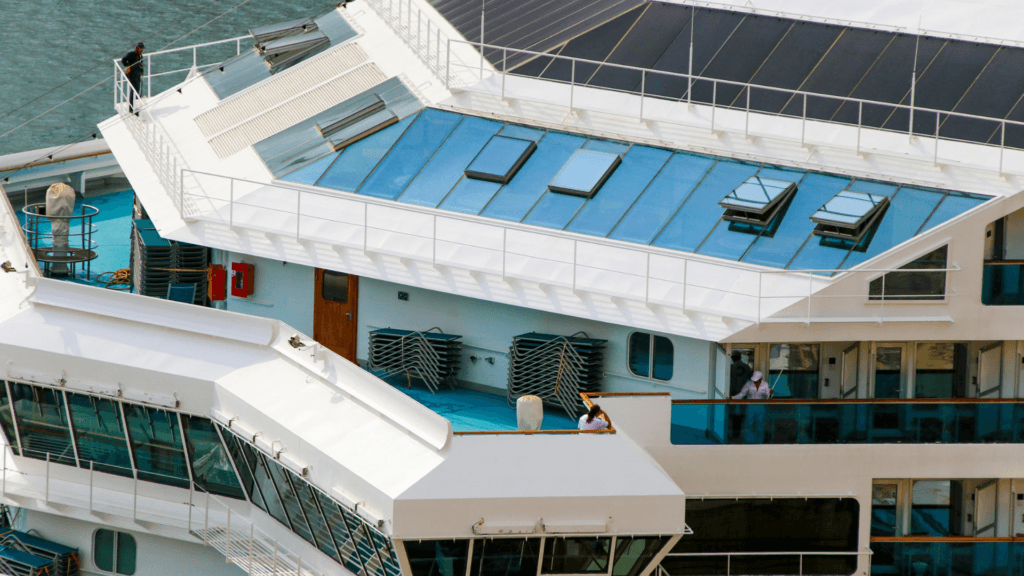
The outbreak aboard the cruise ship has puzzled experts because hantavirus is rarely associated with maritime environments. In this case, no rodents were initially found onboard, leading investigators to explore other possibilities, including exposure during earlier land excursions or even rare human-to-human transmission linked to certain strains like the Andes virus.
What Happened on the Cruise Ship
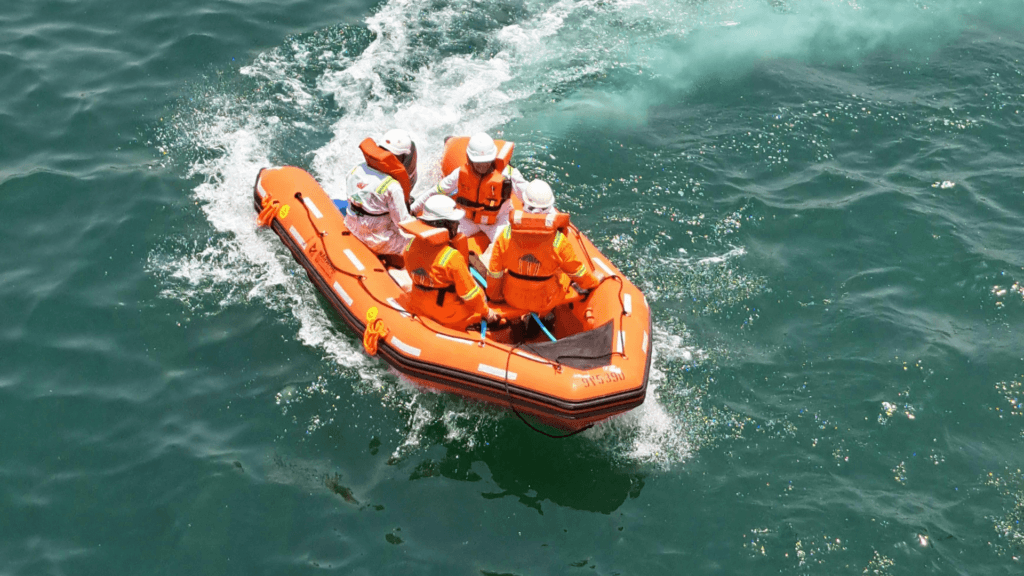
The outbreak occurred on the MV Hondius, a cruise ship carrying around 150 people, where several passengers developed severe symptoms. At least three people died and multiple others became ill, prompting an emergency response and quarantine measures as the ship remained at sea awaiting assistance.
Symptoms Can Start Mild but Turn Severe

Hantavirus often begins with flu-like symptoms such as fever, fatigue, muscle aches, and headaches, which can make it difficult to detect early. However, in severe cases, it can rapidly progress to serious breathing problems as fluid builds up in the lungs, requiring intensive medical care.
Long Incubation Makes It Harder to Track
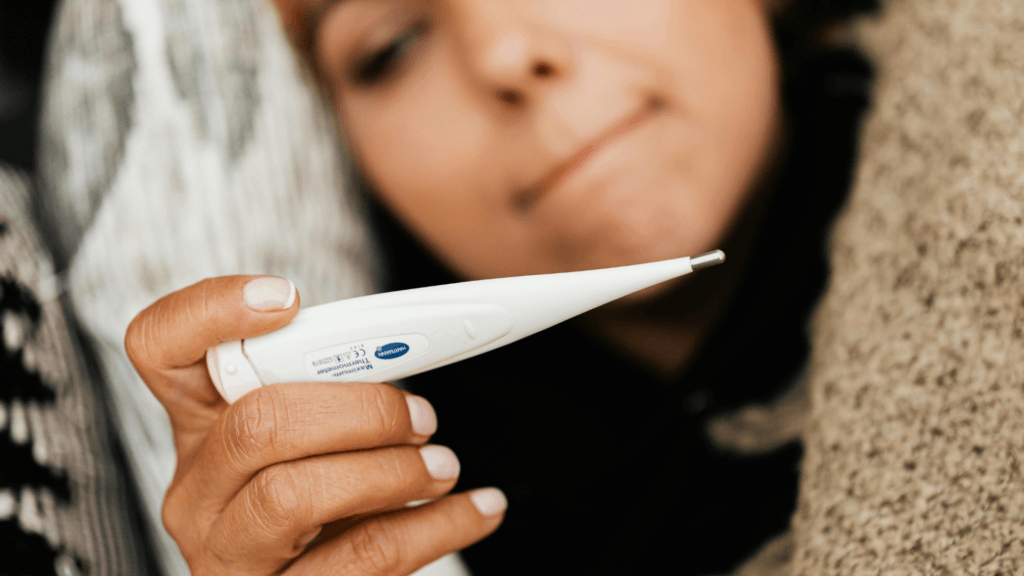
One of the challenges with hantavirus is its long incubation period, which can range from one to eight weeks after exposure. This delay makes it difficult to pinpoint where and when someone was infected, complicating efforts to trace the source, especially in situations involving travel across multiple locations.
Why Cruise Ships Can Be Risky Environments

Cruise ships present unique challenges during outbreaks because of their enclosed spaces and close quarters. Even though hantavirus doesn’t typically spread easily between people, confined environments can still increase exposure risks and complicate containment efforts, especially if the source of infection is unclear.
There’s No Cure, Only Supportive Treatment

There is currently no specific cure or vaccine for hantavirus, which makes early detection and supportive care critical. Treatment often involves oxygen therapy, fluids, and intensive care support to help patients recover as their bodies fight the infection. In severe cases, survival depends on how quickly treatment begins.
Why This Outbreak Is Raising Global Concern

The cruise ship outbreak has sparked concern because it challenges assumptions about how hantavirus spreads and highlights the risks of rare but deadly infections in unexpected places. As health officials continue investigating, the incident serves as a reminder of how quickly infectious diseases can emerge, and how important it is to understand both their origins and how to prevent them in the future.