

Products are selected by our editors, we may earn commission from links on this page.
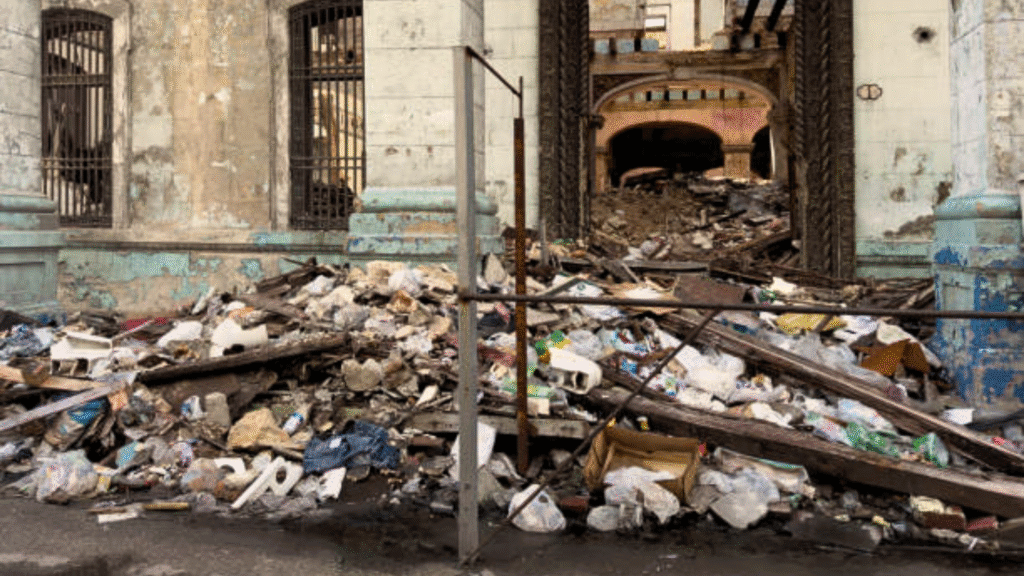
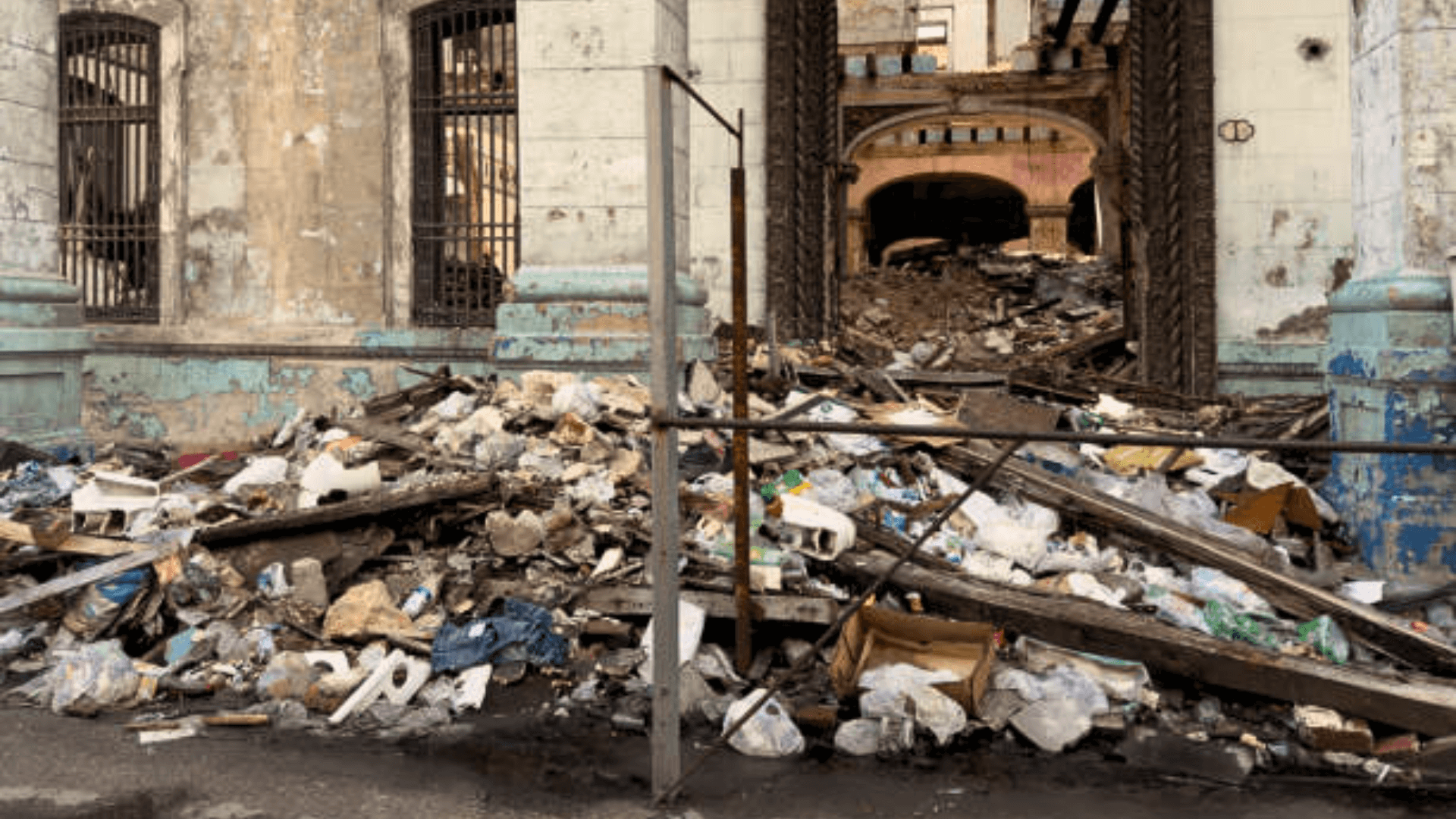
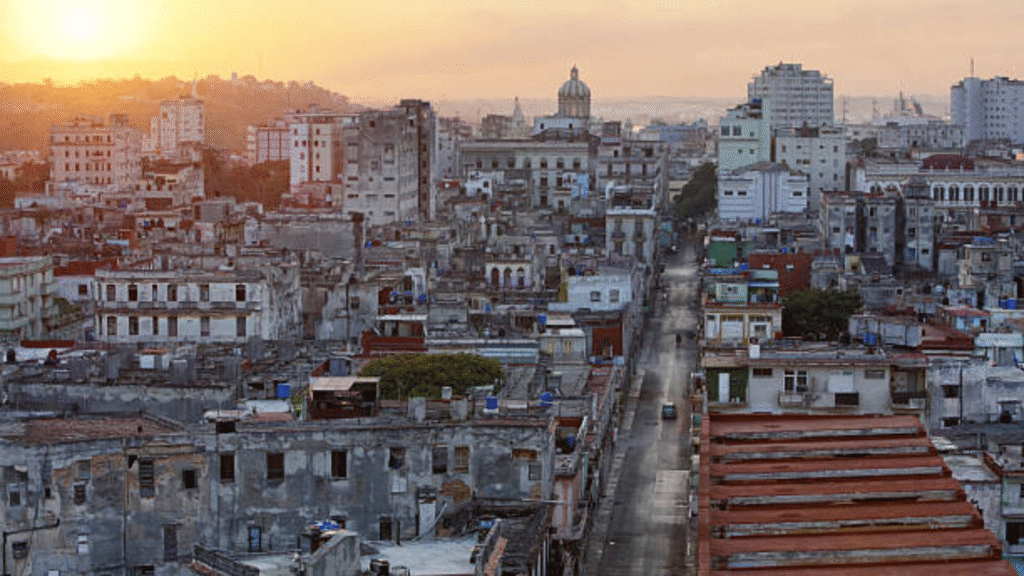
Garbage is stacking up across Havana, with only 44 of the city’s 106 trash trucks reportedly still operating due to fuel shortages. Residents say some neighborhoods have gone more than 10 days without collection. Piles of cardboard, plastic bottles, food waste, and rags now sit on street corners, attracting flies and creating strong odors in the tropical heat.
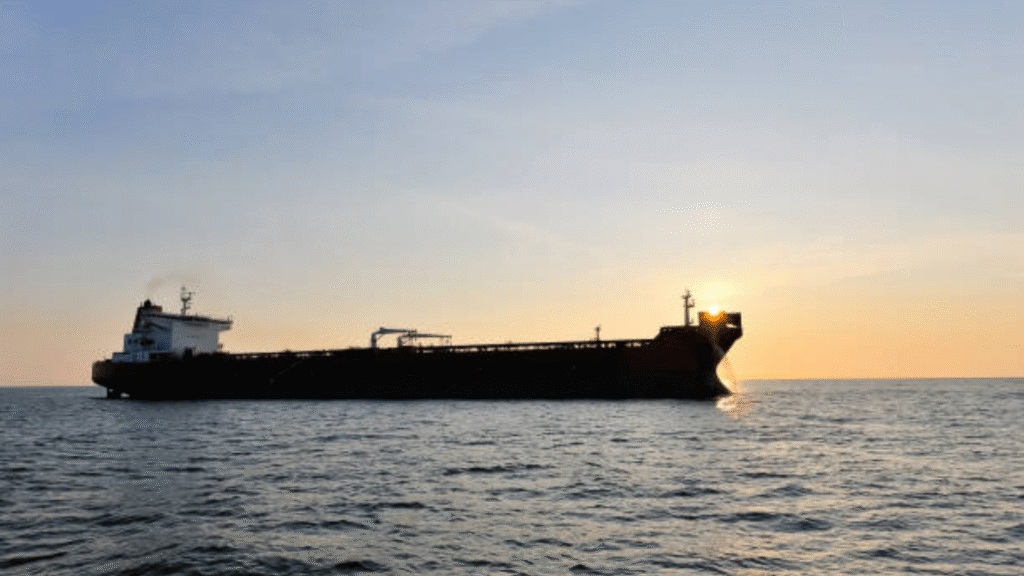
Cuba’s national oil supply has sharply declined in recent months. Venezuela, once a primary fuel supplier, effectively stopped shipments in mid-December. Mexico also halted exports after Washington threatened tariffs on countries sending supplies to Cuba. The result has been immediate strain on essential services, including sanitation, transportation, and electricity distribution.
Public health concerns are growing. Residents have taken to social media warning about increased insects, potential disease risks, and deteriorating urban conditions. In a city of over two million people, consistent waste removal is critical. When sanitation slows, it doesn’t just create inconvenience — it raises fears about broader humanitarian consequences.
The U.S. Sanctions Strategy
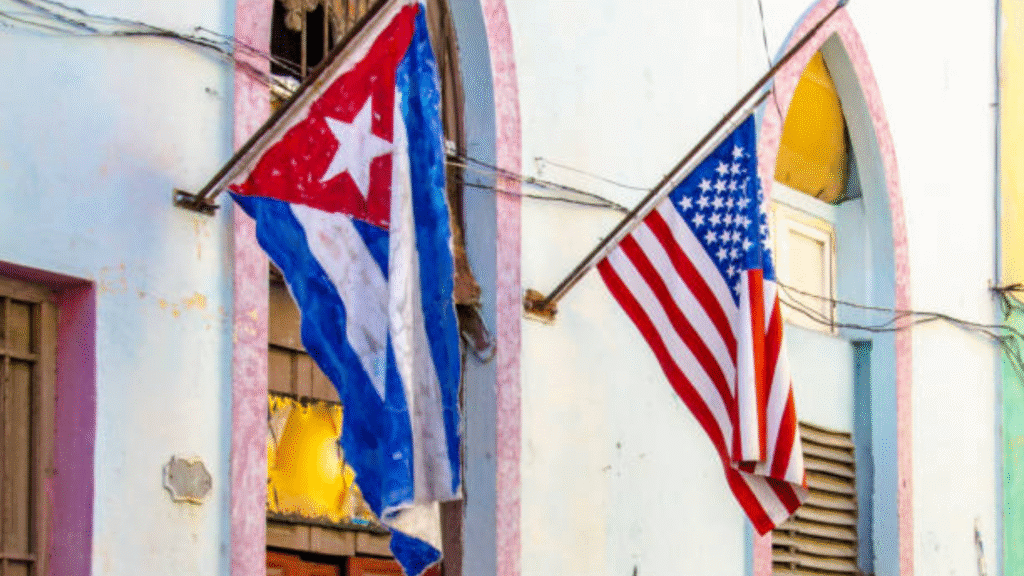
The United States has maintained an embargo on Cuba since 1960, but recent policy moves have tightened restrictions. The Trump administration sanctioned vessels shipping oil to the island and warned that countries supplying fuel could face tariffs. Officials argue the measures are designed to pressure the Cuban government toward political reforms.
Washington’s position is that economic leverage is necessary to encourage democratic change. U.S. officials have historically maintained that sanctions target the Cuban state, not its citizens. However, critics argue that restrictions on fuel and financial transactions inevitably ripple through daily life, especially in a resource-constrained economy.
The debate over responsibility is not new. Every year, the United Nations General Assembly overwhelmingly votes for the U.S. to end its embargo on Cuba. While those votes are non-binding, they reflect widespread international concern that long-standing sanctions contribute to humanitarian strain on the island’s civilian population.
International Pressure and Humanitarian Warnings
Leaders from Mexico and Venezuela have warned that restricting fuel supplies could create serious humanitarian impacts. The U.N. Secretary-General has expressed concern about the current situation, with U.N. teams reportedly coordinating with Cuban authorities to support relief efforts and monitor conditions.
Russia has signaled it may send crude and fuel shipments to Cuba, though no firm timeline has been announced. If those shipments materialize, they could temporarily ease pressure on transportation and sanitation systems. Still, experts note that sporadic deliveries may not solve structural energy shortages.
Energy scarcity in Cuba has already affected more than garbage collection. In recent months, the island has experienced rolling blackouts, transportation slowdowns, and shortages of food and medicine. Sanitation breakdowns may be the most visible symptom, but they are part of a broader energy and supply crisis.
Is This Political Pressure or a Public Health Emergency?
Supporters of the U.S. policy argue that economic pressure is a legitimate diplomatic tool. They contend that the Cuban government’s centralized system, mismanagement, and limited market reforms are root causes of shortages. From this perspective, sanctions expose vulnerabilities rather than create them outright.
Critics counter that when trash piles up in neighborhoods and hospitals struggle with fuel access, civilians bear the immediate burden. They argue that fuel restrictions affecting garbage collection blur the line between political pressure and humanitarian fallout, especially in densely populated urban areas like Havana.
The central question remains unresolved: At what point does economic leverage become a public health issue? As garbage accumulates and fuel remains scarce, the situation in Havana has become a visible flashpoint in a decades-long standoff, one now playing out in the streets.