

Products are selected by our editors, we may earn commission from links on this page.
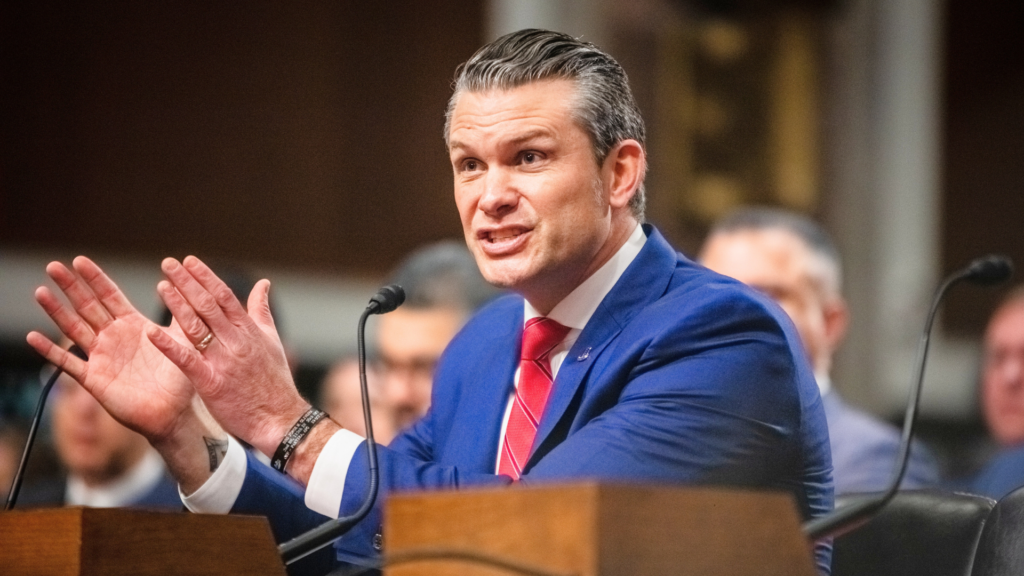
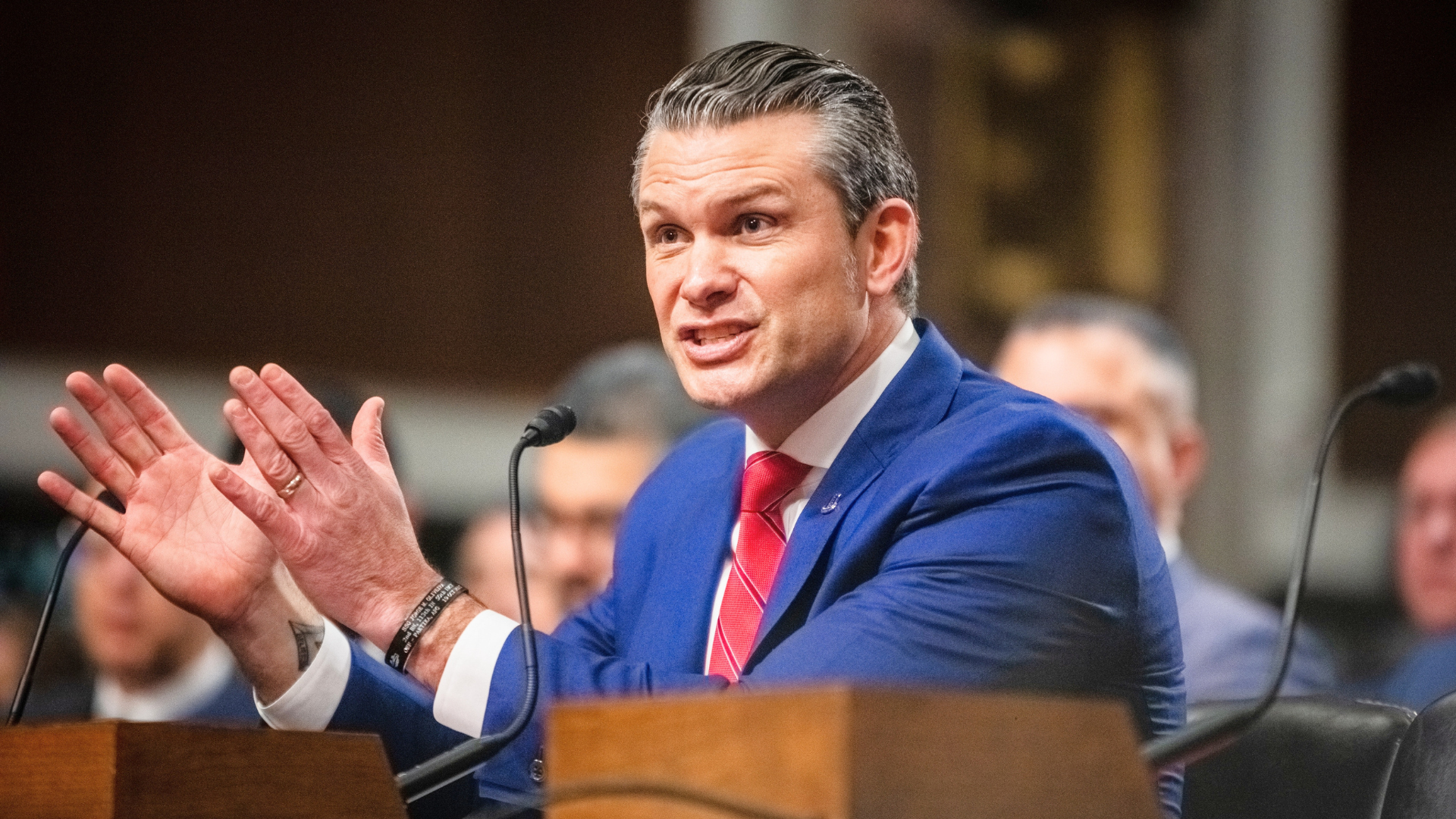
A federal appeals court has delivered a significant legal setback to Defense Secretary Pete Hegseth and the Trump administration by blocking key portions of a controversial military policy affecting transgender service members. The ruling came after judges found substantial evidence that the policy may have been motivated by discrimination rather than legitimate military concerns. While the administration can continue restricting some new enlistments during the legal battle, the court prevented the Pentagon from removing current transgender troops from service. The decision marks one of the most important legal challenges to the administration’s military personnel policies to date.
The Dispute Centers on Trump’s Military Executive Order
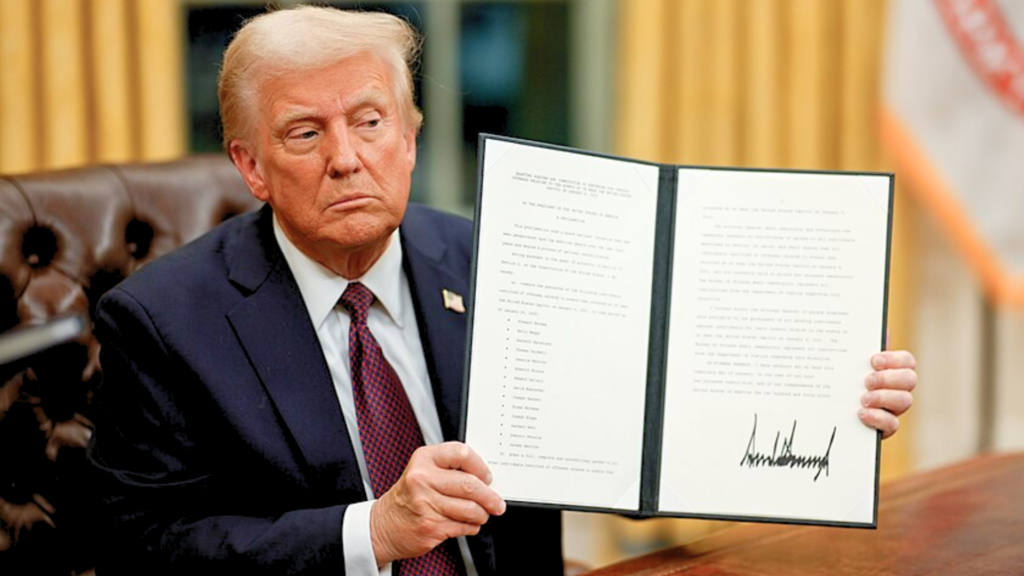
The legal fight stems from President Donald Trump’s January 2025 executive order, “Prioritizing Military Excellence and Readiness,” which sought to restrict military service by transgender individuals. The order argued that gender dysphoria and gender transition were incompatible with military readiness and discipline. Following the order, the Pentagon under Hegseth implemented policies that could lead to the discharge of transgender service members and block new recruits with a history of gender dysphoria. The policy quickly triggered lawsuits from active-duty personnel and prospective recruits.
Judges Said the Policy Appears Driven by Animus

In a sharply worded opinion, the appeals court stated that the policy appeared to be motivated by a “bare desire to harm a politically unpopular group.” Judge Robert Wilkins wrote that the government failed to provide convincing evidence that transgender troops negatively affect military effectiveness. The majority concluded that the challengers were likely to succeed in proving constitutional violations. The ruling echoed concerns previously raised by lower courts reviewing the policy.
Current Service Members Receive Temporary Protection

One of the most significant aspects of the ruling is its protection of currently serving transgender troops. The court determined that forcing experienced service members out of the military would cause greater harm than delaying enlistment opportunities for new applicants. As a result, transgender troops already serving can remain in uniform while the case proceeds through the courts. The decision prevents the Pentagon from immediately implementing planned separations affecting active personnel.
New Enlistment Restrictions Can Continue for Now
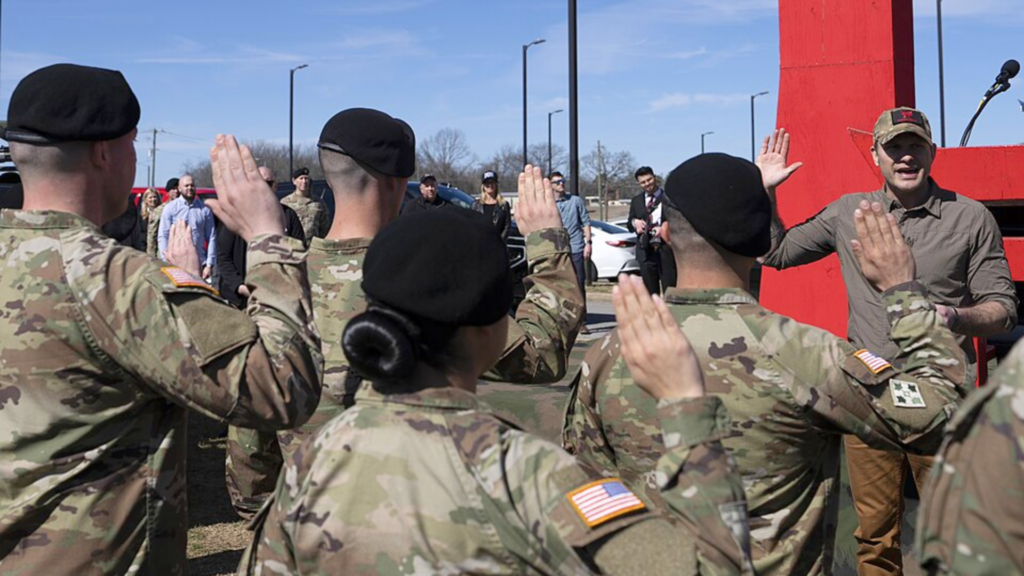
Although current service members received protection, the court allowed the administration to continue restricting new transgender enlistments while litigation continues. Judges cited the military’s broad authority to establish enlistment standards, even while questioning the legality of the broader policy. This split outcome means the administration secured a partial victory despite the larger setback. The issue is expected to remain a central focus as appeals move forward.
Hegseth’s Pentagon Had Planned Broad Separations

The Pentagon had been preparing to identify and remove service members diagnosed with or exhibiting symptoms of gender dysphoria. Guidance issued under Hegseth called for voluntary separations followed by involuntary discharges for personnel who did not qualify for waivers. The policy also restricted certain medical treatments and reversed several Biden-era protections for transgender troops. Military departments had already begun implementing procedures tied to the executive order before the court intervened.
Plaintiffs Argued Their Service Record Proved the Policy Wrong

The lawsuit was brought by active-duty service members and individuals seeking to enlist. Plaintiffs argued that they had served honorably, received commendations, and met all military standards. Their attorneys maintained that the government could not demonstrate any evidence showing transgender personnel harmed military readiness or unit cohesion. The court appeared receptive to those arguments when evaluating the legality of the policy.
The Administration Is Expected to Appeal
The Trump administration has signaled that it intends to continue defending the policy and could seek intervention from the U.S. Supreme Court. Government attorneys have argued that military leadership should have broad discretion to determine service standards without extensive judicial oversight. Supporters of the policy contend that courts should defer to military expertise on personnel matters. The case is therefore likely far from over.
The Case Could Shape Future Military Policy
Legal experts say the case could have consequences extending well beyond transgender military service. The courts are being asked to determine not only whether the policy is constitutional but also how much authority presidents and defense officials have to alter military personnel standards through executive action. The outcome could influence future debates involving civil rights, military readiness, and executive power. Both supporters and opponents of the policy view the litigation as a landmark case.
A Major Challenge to Hegseth’s Military Agenda

The appeals court ruling represents a major setback for Defense Secretary Pete Hegseth and the Trump administration’s effort to restrict transgender military service. While the administration can continue limiting some new enlistments, judges blocked the removal of current service members and questioned the policy’s underlying justification. By describing the restriction as potentially driven by animus rather than evidence, the court delivered a powerful rebuke that could influence future constitutional challenges. With additional appeals expected and the possibility of Supreme Court review looming, the legal battle over military service eligibility is likely to remain one of the most closely watched cases in the country.