

Products are selected by our editors, we may earn commission from links on this page.

Julie McFadden, a registered nurse with over 15 years of experience in ICU and hospice care, has made it her mission to bring comfort and clarity to end-of-life conversations. Known online as “Hospice Nurse Julie,” she’s built a following of more than a million across TikTok and YouTube by demystifying what happens in a person’s final days. In a recent video, she explained three signs that often appear about 24 hours before someone passes—knowledge she hopes will help families prepare emotionally.
Changes in Breathing Patterns

Julie explains that one of the most common signs is a noticeable shift in breathing. People may begin breathing irregularly, sometimes with pauses, or adopt what’s known as “Cheyne-Stokes” breathing, periods of deep breaths followed by shallower ones. While it can be distressing to witness, she emphasizes that this is a natural part of the body’s shutting-down process, not a sign of discomfort.
Skin Color and Temperature Shifts

Another indicator is a change in skin appearance. Extremities like hands and feet may appear mottled or bluish, and the skin can feel cool to the touch. Julie notes this happens because circulation slows as the body conserves energy for vital organs. It’s often one of the clearest signs that the end is near.
Decreased Responsiveness
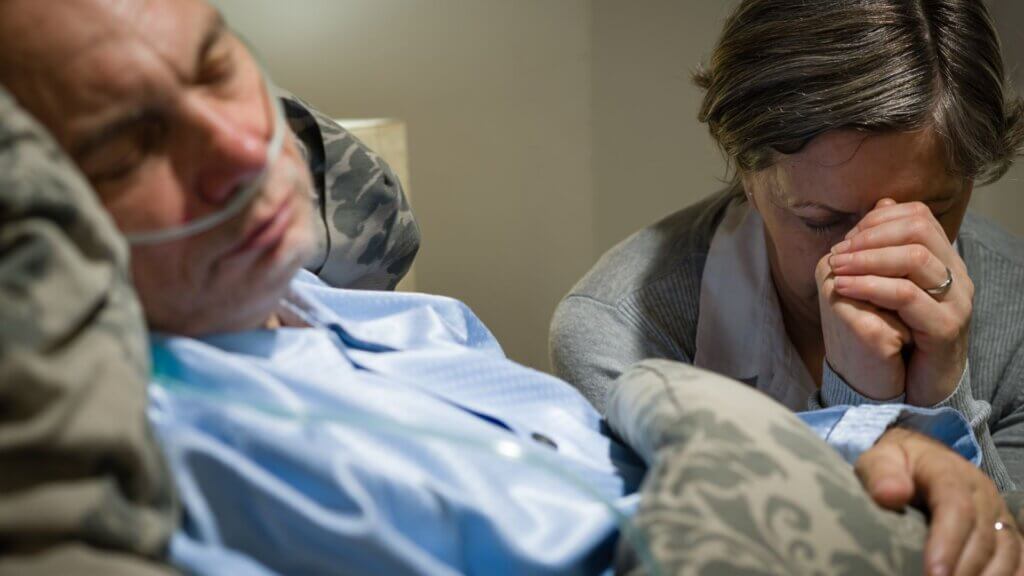
As the body prepares for death, people may become less responsive to touch or voice. Julie shares that this doesn’t necessarily mean the person is unaware. In many cases, hearing remains one of the last senses to fade. She encourages loved ones to continue speaking and offering gentle reassurance.
A Career Rooted in Compassion

Julie’s credibility stems from her years in the ICU, where she cared for patients in critical condition, and later in hospice, where she found her calling. Her firsthand experience with hundreds of end-of-life cases gives her a deep understanding of both the medical and emotional sides of dying.
Why She Shares This Information

Her goal is to prepare families and remove some of the fear around death. Julie believes that knowing what to expect can make the experience less traumatic, helping loved ones focus on presence and connection rather than anxiety.
Addressing Misconceptions

Julie often uses her platform to correct myths such as the belief that morphine hastens death or that changes in breathing mean someone is suffering. She stresses that most physical changes are the body’s natural way of shutting down and are not inherently painful.
Helping Families Find Comfort

Recognizing these signs can give families a sense of control during an otherwise unpredictable time. It can also allow them to gather loved ones, say goodbyes, and create a peaceful environment in the person’s final hours.
The Importance of Open Conversations

Julie advocates for normalizing discussions about death long before it’s imminent. She believes that acknowledging mortality can lead to more meaningful living, stronger relationships, and less fear when the time comes.
Preparing for the Final Goodbye
While every person’s dying process is unique, Hospice Nurse Julie’s insights offer families guidance during an emotionally challenging time. Her compassionate explanations remind us that these changes are natural and often peaceful. By understanding what may happen in the final hours, loved ones can focus on creating comfort, presence, and dignity in a person’s last moments.