

Products are selected by our editors, we may earn commission from links on this page.
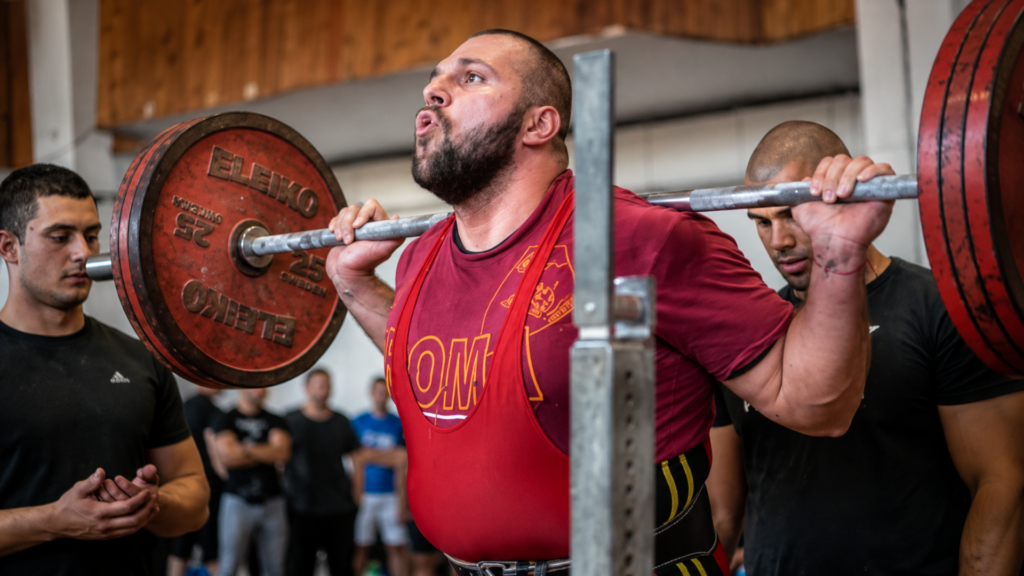
You do not need a gym full of equipment to get a rough sense of your strength and endurance. Personal trainer Natalya Alexeyenko recommends the bodyweight squat as one simple test, with suggested one-minute targets that change with age. The benchmark begins surprisingly high for adults in their 20s, then gradually falls as maintaining mobility becomes more important.
Proper Squat Form Matters Before You Start Counting
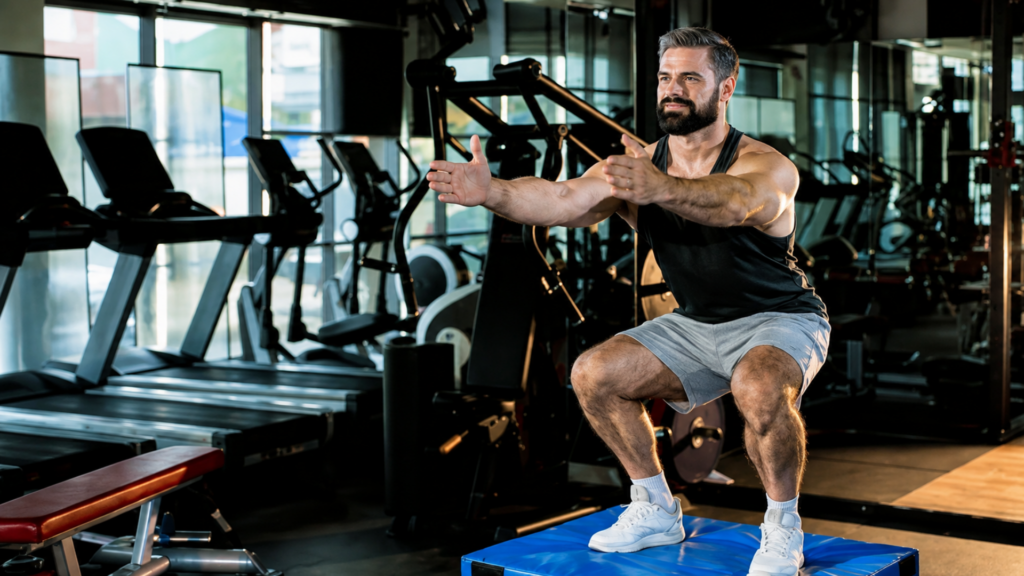
Before racing the clock, technique matters. Start with your feet slightly wider than shoulder-width apart and your toes turned slightly outward. Brace your core and glutes, then push your hips back while bending your knees and keeping your torso upright. Alexeyenko’s benchmark assumes a full squat, with the hips dropping below knee level and weight remaining through the heels.
Adults in Their 20s Get the Highest Squat Targets
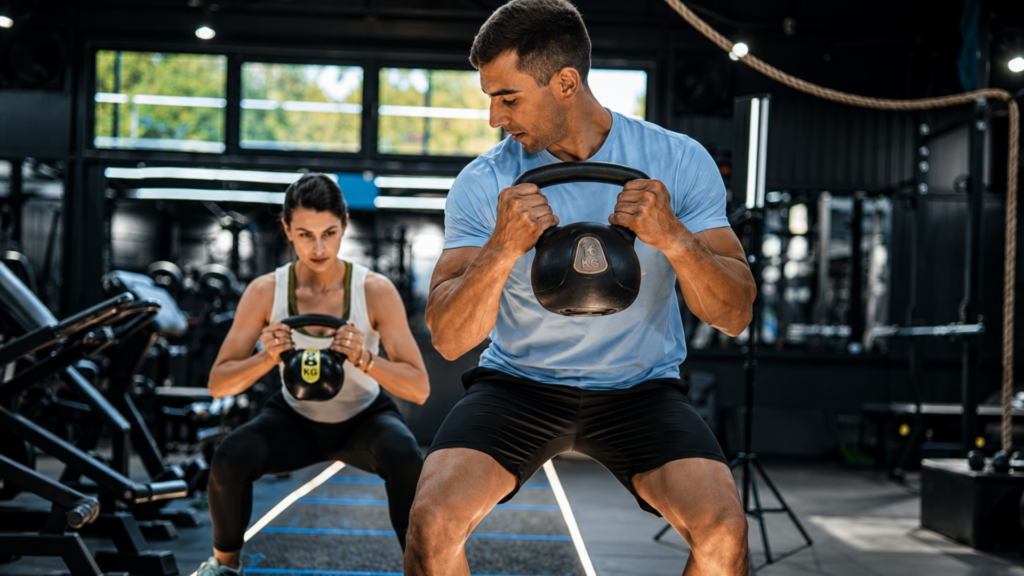
For people ages 20 to 30, Alexeyenko sets the highest goals: 50 bodyweight squats in one minute for men and 45 for women. She describes the 20s as a period when the body can reach peak performance, making these years especially useful for building strength and endurance. Those numbers set a demanding starting point, and the targets begin dropping once people enter their 30s.
The Target Drops to 40 for Men and 35 for Women in Their 30s
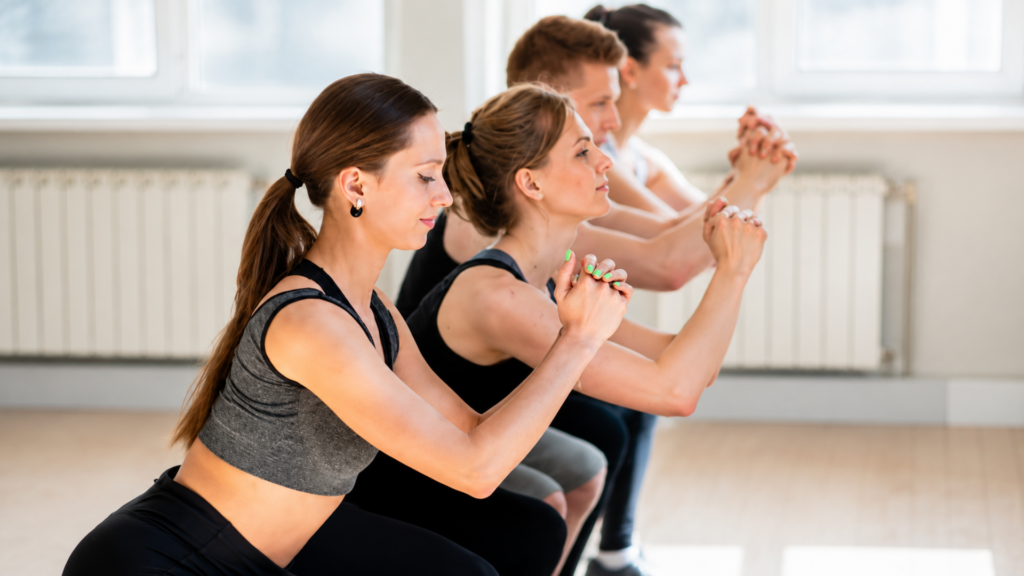
Between ages 30 and 40, the suggested benchmark falls to 40 squats per minute for men and 35 for women. The training emphasis also begins shifting toward maintaining strength and mobility rather than simply chasing peak performance. That does not mean people suddenly become weak after 30. The numbers are presented as age-based goals, and the next decade brings another noticeable reduction.
People in Their 40s Are Given a 25-to-30 Squat Goal
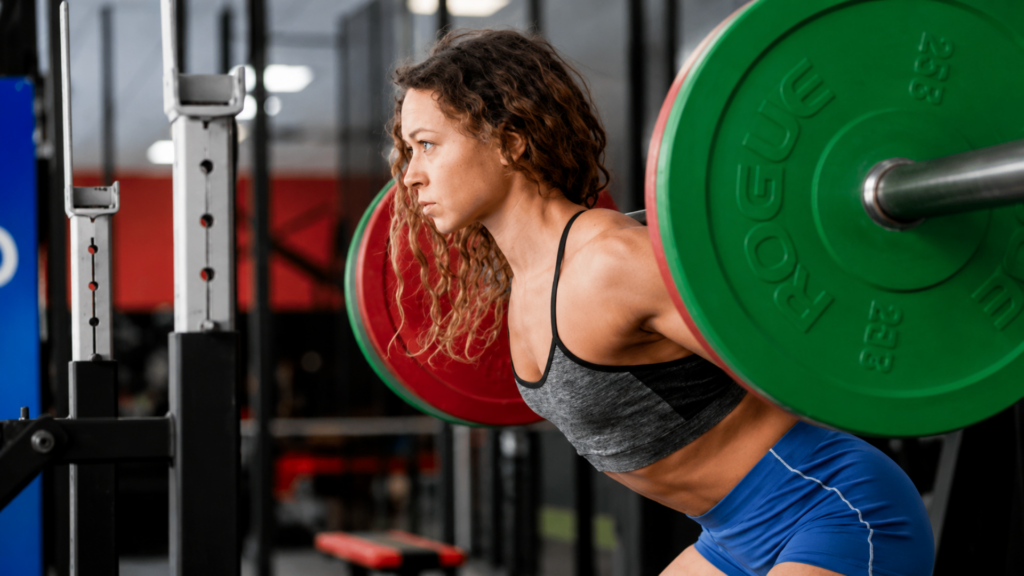
For adults ages 40 to 50, Alexeyenko recommends 30 bodyweight squats per minute for men and 25 for women. Maintaining movement during middle age can support joint health and functional strength, according to the source. Those abilities matter for everyday activities and mobility later in life. By this point, the recommended numbers are already considerably lower than the targets given to adults in their 20s.
The Benchmark Falls Again After Age 50
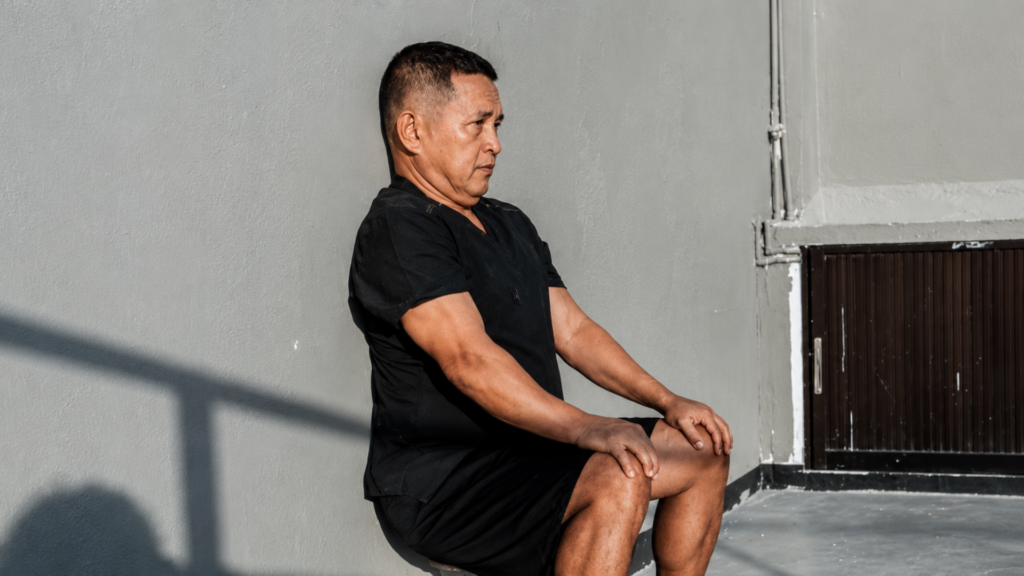
Adults between 50 and 60 get another reduced target. Alexeyenko recommends 25 squats per minute for men and 20 for women. The emphasis at this stage is maintaining balance and joint strength, as physical agility may decline with age. The benchmark still calls for repeated full-body movement, however, this makes technique important. Once people move beyond 60, the recommendation changes more dramatically.
After 60, the Suggested Goal Becomes 5 to 15 Squats
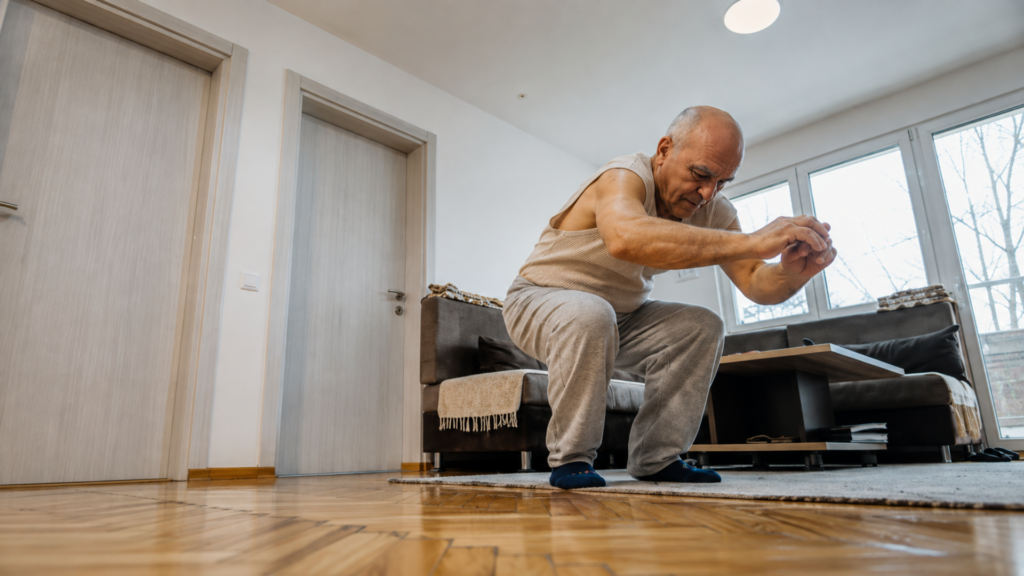
For people ages 61 and older, Alexeyenko no longer gives separate targets for men and women. Instead, she suggests completing five to 15 squats, with the goal of maintaining mobility and helping reduce the risk of falls. That makes the oldest group’s benchmark substantially different from the 45-to-50 squat targets suggested for adults in their 20s.
Age-Based Exercise Numbers Should Be Treated as Targets
A squat count cannot capture everything about someone’s fitness. The source’s separate discussion of push-ups makes that limitation explicit: trainer Joseph Webb says performance can depend on form, body weight, training history, and physical limitations. He recommends treating age-based benchmarks as targets rather than evaluations. The same caution is useful when interpreting a timed squat test, especially when individual fitness histories can differ dramatically.
Consistent Training Can Change What Age Alone Predicts
Age does not automatically determine what someone can do physically. Personal trainer Scott Harrison, speaking about push-up performance, argues that people who have trained consistently since their 20s can remain highly capable through their 40s, 50s, and 60s. That context matters when looking at any age-based exercise benchmark. Someone with decades of regular training may perform very differently from an inactive person of exactly the same age.
The Numbers Matter Less Than Staying Strong and Mobile
Alexeyenko’s suggested squat targets offer an easy reference point: 50 and 45 per minute for men and women in their 20s, falling progressively through middle age, then shifting to five to 15 squats after 60. They are better understood as fitness goals than universal pass-or-fail standards. The larger message is simpler: maintaining strength, balance, and mobility becomes increasingly valuable with age, regardless of the number on the stopwatch.