

Products are selected by our editors, we may earn commission from links on this page.
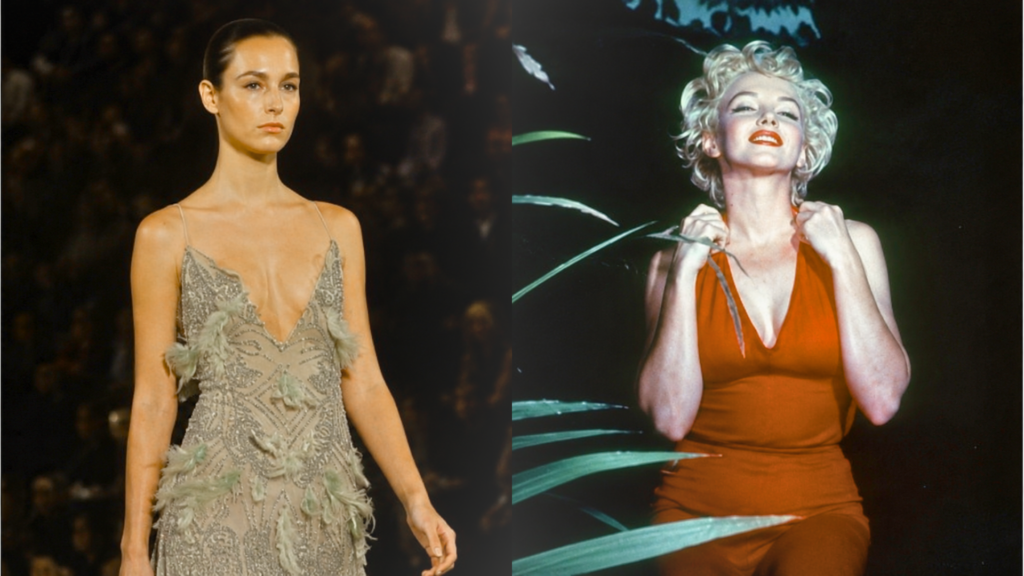
A body considered flawless in one century would have been considered wrong in the next, and sometimes even in the same country decades apart. Historians and cultural researchers have tracked how the ideal female physique has shifted dramatically across more than 3,000 years of recorded history. Ancient Egypt prized slender symmetry. Renaissance Italy prized fullness. Nothing about beauty standards has ever stayed fixed for very long, a fact that says as much about culture as it does about bodies themselves.
This article was created with the assistance of AI and reviewed by our editorial team for accuracy and clarity.
Ancient Egypt Prized Symmetry Over Any Single Body Shape

Egyptian art from roughly 1292 to 1069 B.C. consistently depicted women as slender, with narrow shoulders, a high waist, and a symmetrical face. Historians note that Ancient Egyptian society was relatively open toward women’s independence for its era, with premarital relationships broadly accepted and women legally able to divorce their husbands. That social context shaped how beauty itself was portrayed in art, favoring balance and proportion over any single dramatic feature.
Ancient Greece Actually Held Men to the Higher Beauty Standard
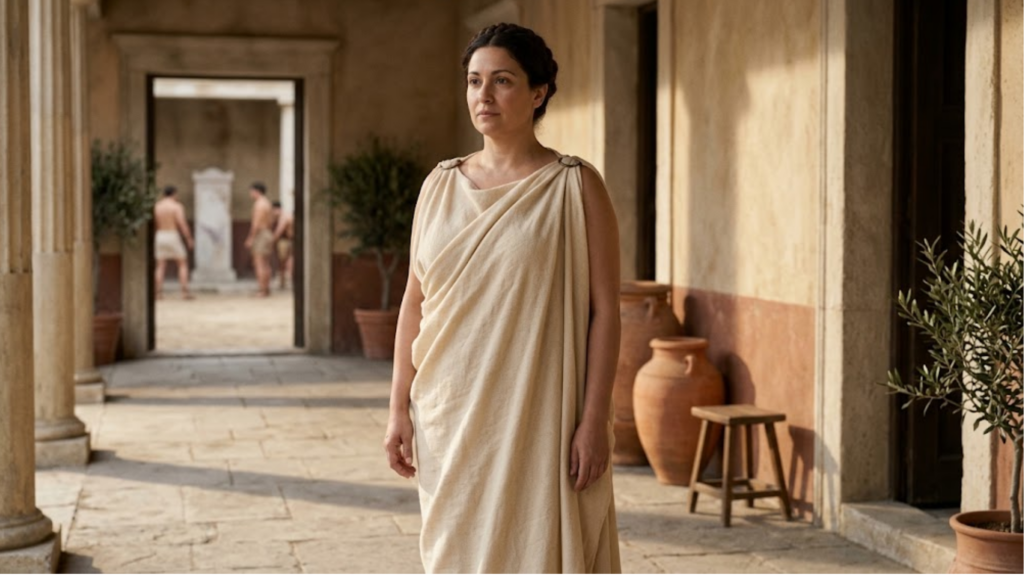
Ancient Greek art, roughly 500 to 300 B.C., generally favored a fuller, plumper female figure with light skin, a notable contrast to modern assumptions about Greek ideals. Historians point out that Greek culture centered its highest aesthetic praise on the male form specifically, with philosophical writing of the era at times describing women’s bodies as lesser variations of men’s. Beauty pressure, in other words, fell more heavily on men during this particular period.
China’s Beauty Ideals Centered on Delicacy Long Before Foot Binding Began

During the Han Dynasty, roughly 206 B.C. to 220 A.D., Chinese culture favored women with a slim waist, pale skin, and large eyes, values documented in surviving poetry from the period. The specific practice of binding women’s feet to keep them small became widespread later, spreading broadly starting in the Song Dynasty around the 10th century. Even before that practice existed, though, delicacy and slightness were already established markers of femininity in Chinese culture.
A Fuller Figure Stayed the Standard for Nearly 500 Years Straight
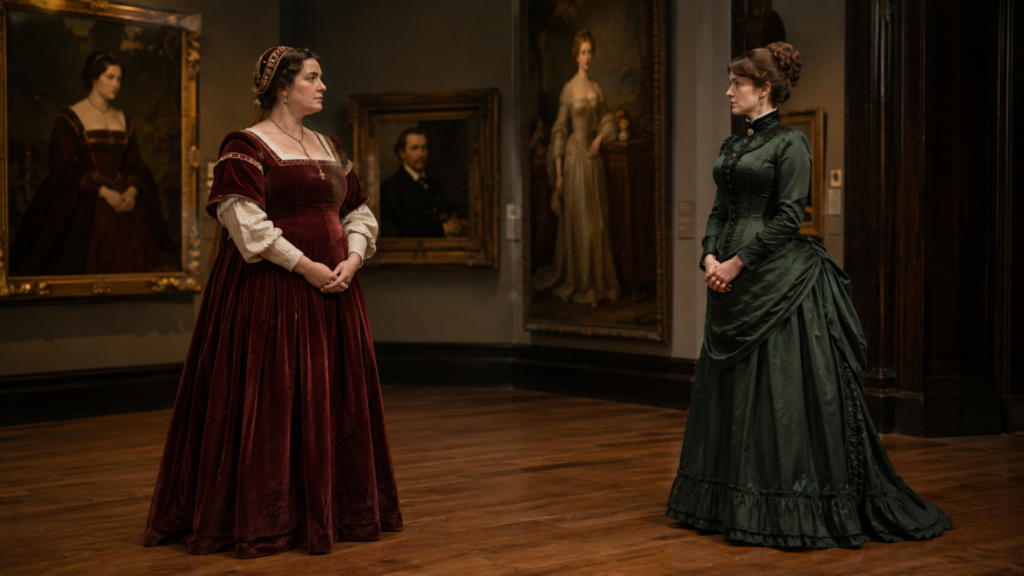
From the Italian Renaissance through Victorian England, roughly 1400 to 1901, a fuller female figure remained the dominant ideal across two very different societies. Renaissance portraiture favored an ample bosom, rounded stomach, and fair skin, often reflecting a wife’s role in visibly representing her husband’s wealth. Victorian England later idealized a similarly full figure paired with a tightly cinched waist, commonly achieved through corsets worn for most of a woman’s life.
The Ideal Body Type Reversed Itself Within a Single Generation
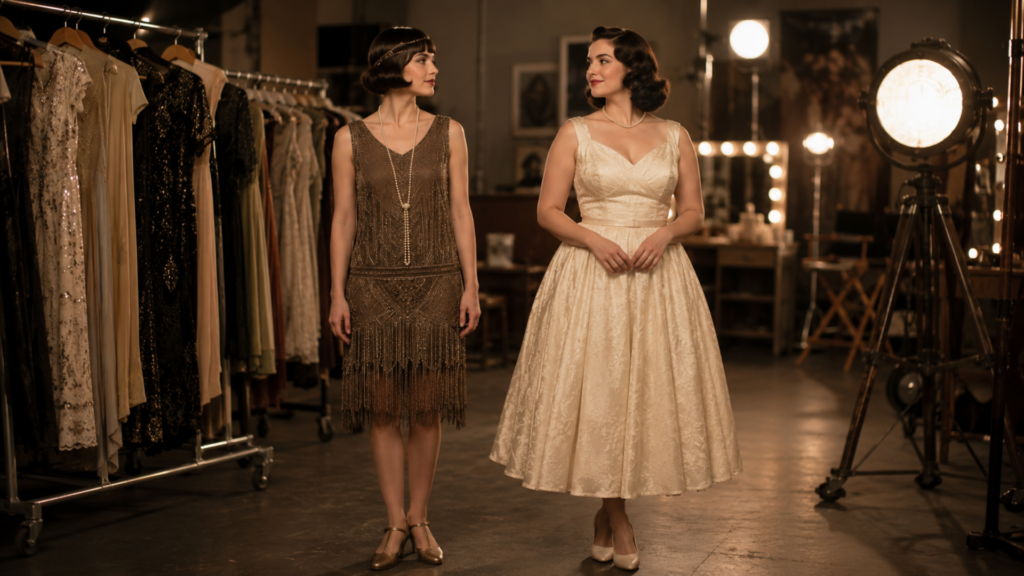
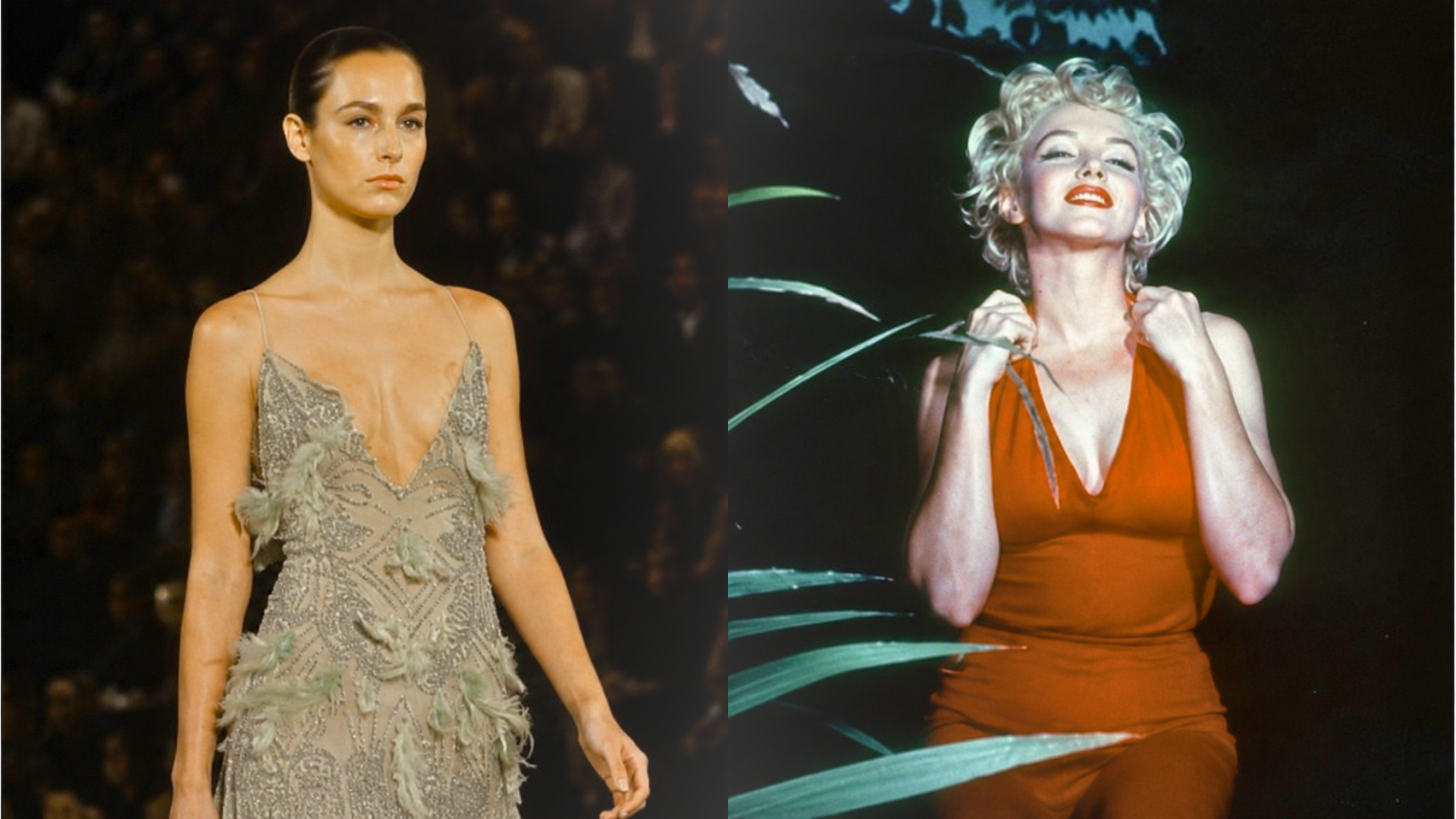
Few shifts happened as fast as the one between the 1920s and the following decades. The Roaring Twenties celebrated a flat-chested, boyish silhouette, with women binding their chests and cutting their hair short to achieve a curve-less look. By the Golden Age of Hollywood in the 1930s through 1950s, that ideal reversed completely, favoring a curvier hourglass figure widely associated with stars like Marilyn Monroe. The same culture, one generation apart, praised nearly opposite body types.
The 1960s Traded Curves for a Willowy, Youthful Look
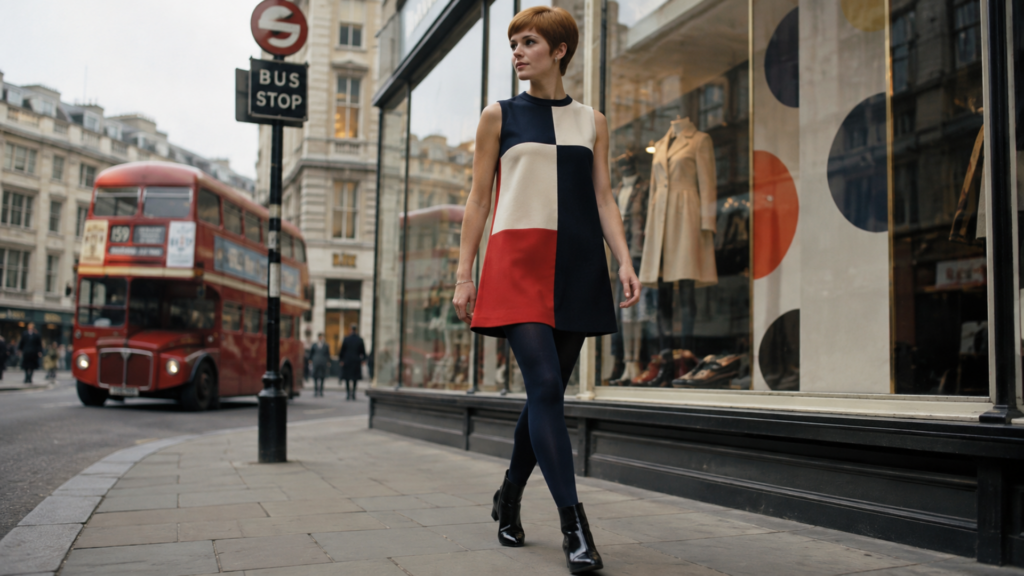
By the 1960s, cultural ideals shifted again toward a thin, willowy figure with long, slim legs and a distinctly adolescent build. The era’s fashion and cultural influence, often associated with London’s “Swinging Sixties” scene, spread widely through American style and media. This represented another sharp turn away from the curvier silhouette that had dominated cultural imagery just one decade earlier.
The 1980s Added Fitness and Muscle Tone to the Equation
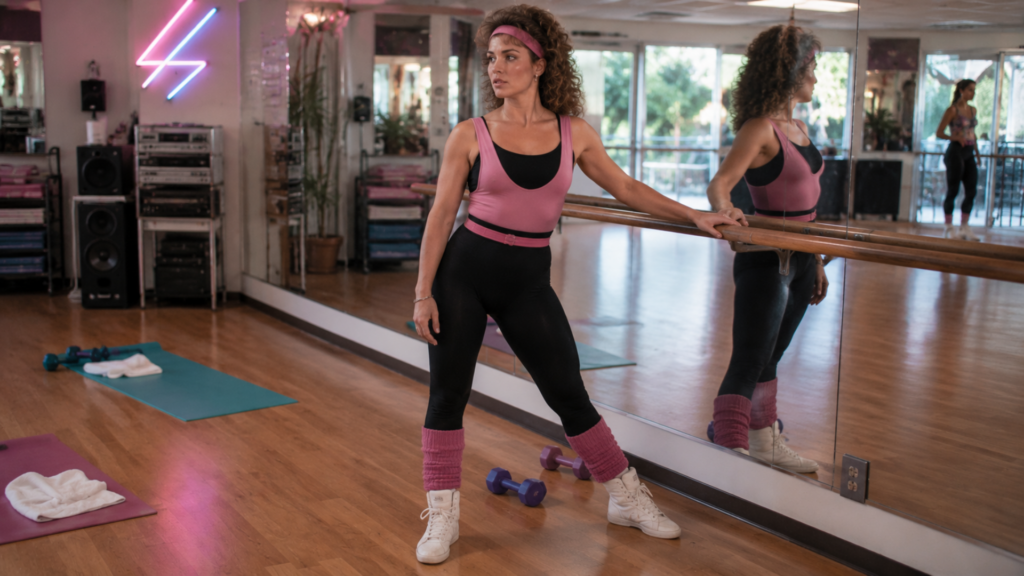
The 1980s introduced a new dimension entirely: visible athleticism. The decade’s ideal combined a tall, svelte but curvy frame with toned arms, coinciding with a nationwide boom in exercise videos and fitness culture. Some researchers have linked this era’s intense focus on exercise and thinness combined to a documented rise in eating disorder cases during the same period, a connection cultural historians still study today.
The Late 1990s and Early 2000s Pulled in Two Very Different Directions

The 1990s produced one of the most criticized beauty trends in recent memory: an extremely thin, pale aesthetic that became widely associated with model Kate Moss and was later scrutinized for glamorizing an unhealthy appearance. By the 2000s, cultural ideals shifted again toward a curvier frame paired with a flat stomach, a combination increasingly pursued through cosmetic procedures rather than achieved naturally, reflecting growing use of surgical options tied to appearance culture.
No Era’s “Ideal” Body Ever Stayed the Standard for Long
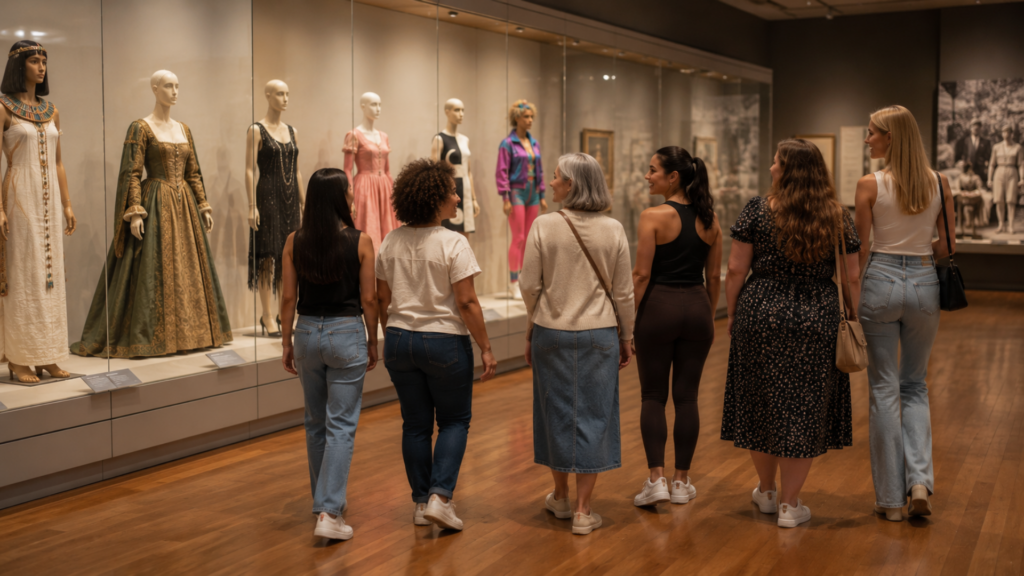
Looking across more than 3,000 years, one pattern holds steady: the ideal female body has never been fixed, only fashionable for a while before shifting again. Slender gave way to full-figured, boyish gave way to curvy, and each swing reflected the values, technology, and power structures of its specific moment in history rather than any timeless truth about beauty itself. That pattern suggests today’s standards, whatever they currently are, will not be permanent either.