

Products are selected by our editors, we may earn commission from links on this page.
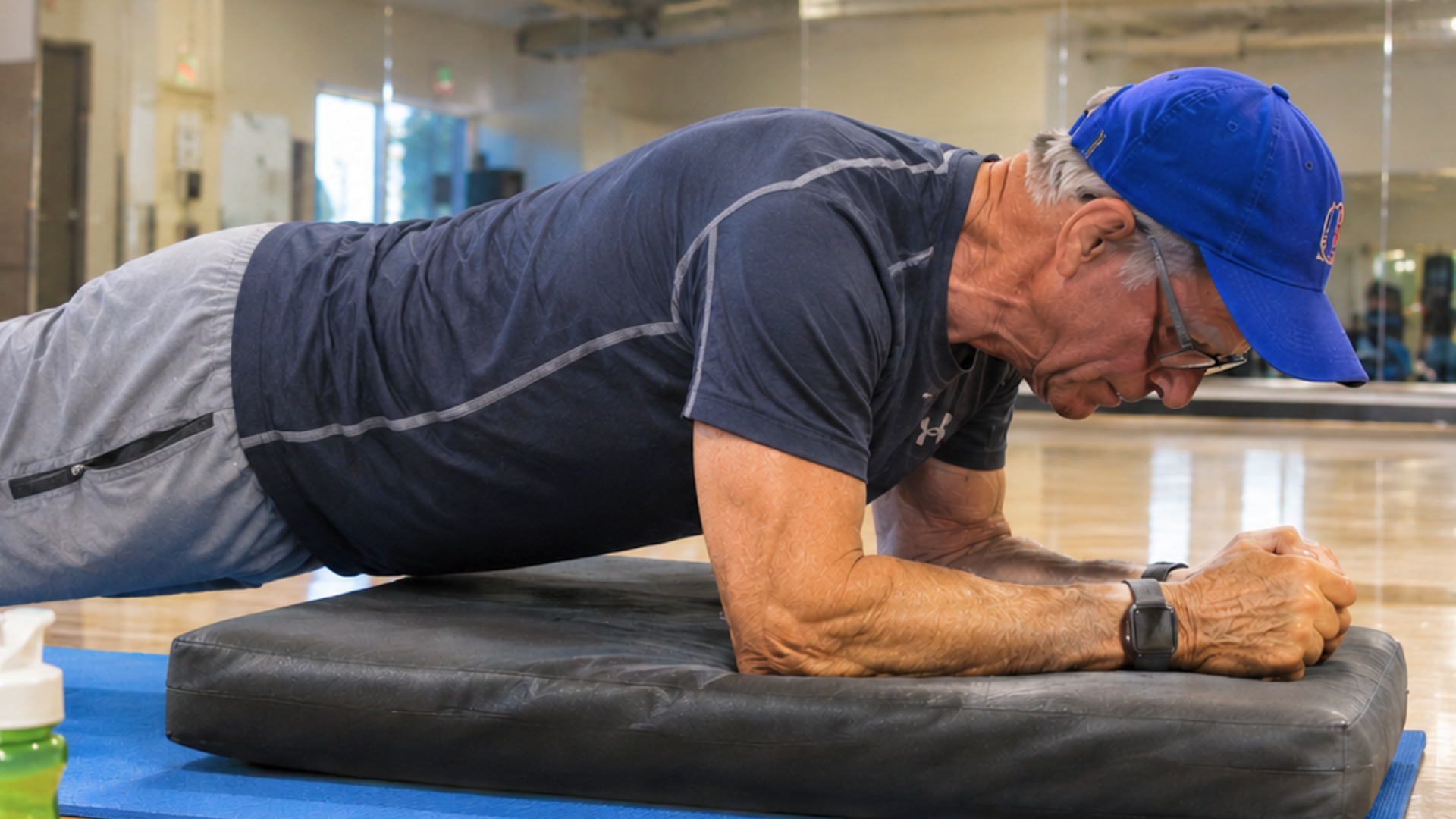
Ninety seconds doesn’t sound long until you’re in a plank. On one coach’s scale, holding a clean forearm plank for 90 seconds or more after 60 puts your core, hips and shoulders in the top tier.
But take note of the word: clean. The coach says a long hold means little if your body drifts out of line partway through, because the test is about how long your core can stay braced and controlled.
That matters after 60 because the same muscles help you walk through a store, carry groceries and get up off the floor. Four sets of muscles share the work of a plank, and two of them aren’t in your midsection.
This article was created with the assistance of AI and reviewed by our editorial team for accuracy and clarity.
Four muscle groups share the load in a plank

The abs hold the front of your torso firm, the obliques along your sides resist any lean to the left or right, and your glutes keep your pelvis from tipping. The fourth group sits higher up: your shoulders and upper back stay active to support your weight.
The coach calls the core the link between your upper and lower body. A strong link, the coach says, moves force through you more effectively when you walk, lift, carry or get up from the floor.
The hold also trains endurance, since you keep steady tension while breathing and staying still, with no sagging hips or arching lower back. A review that pooled studies of older adults tested whether training that link changes balance.
What research says about core training and balance

That review, a meta-analysis that pools results from many studies, concluded that core training is a highly effective way to improve balance in older adults. Its authors add that more research is needed across different groups and cultures.
A separate study measured trunk muscle endurance with a timed loaded standing test, not a plank, in older adults with osteoporosis (thinning bones) and vertebral fractures (broken spine bones). Better endurance tended to come with better standing balance, but not with more confidence about avoiding a fall. It speaks to that group, not to every adult over 60.
The timer shouldn’t start until your elbows, ribs and glutes are in place.
Set up the plank before you start the clock
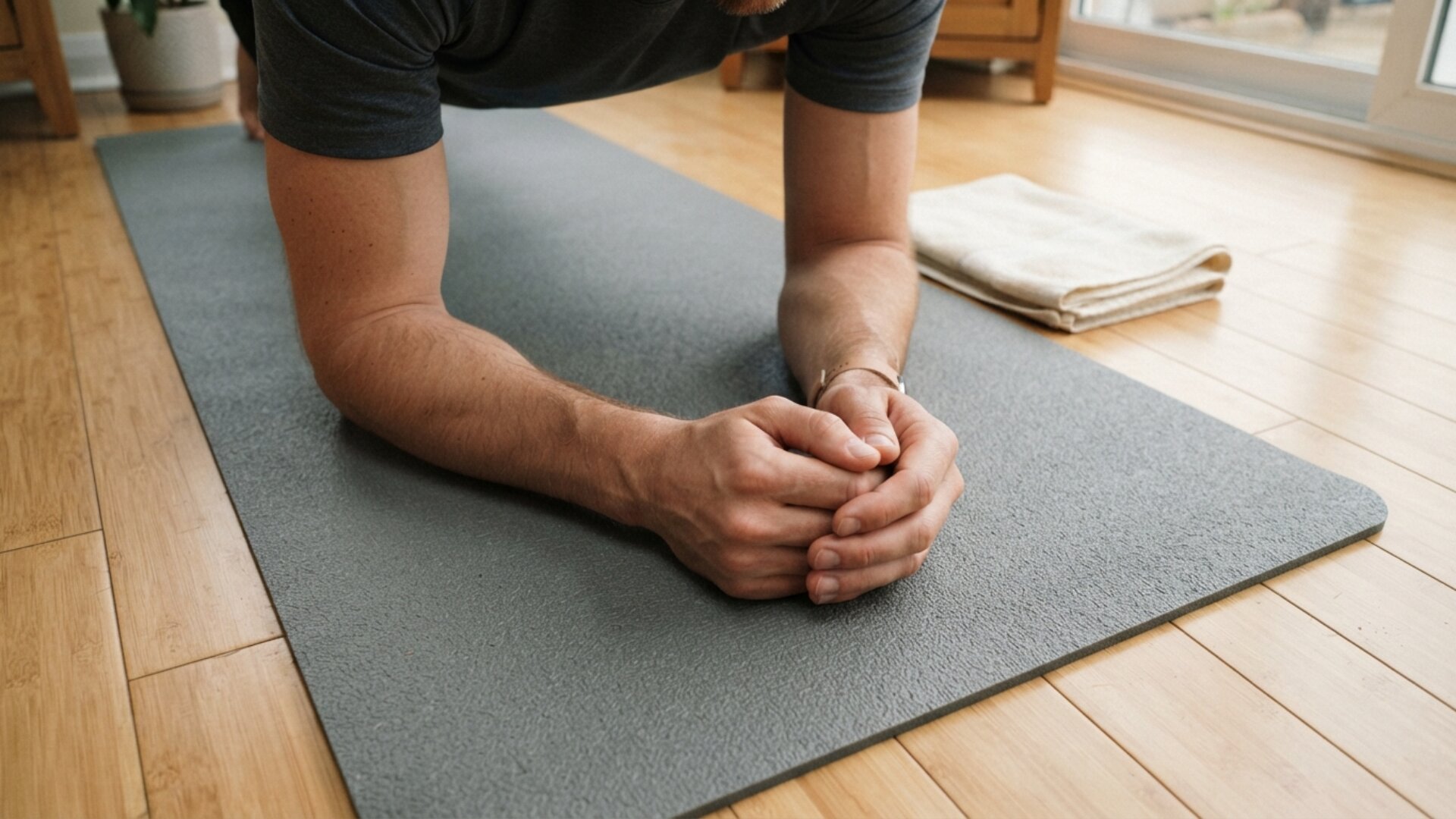
The coach puts setup first, because the cleaner the start, the more accurate the test. Place your forearms on the floor with your elbows directly under your shoulders, then extend your legs behind you with your feet about hip-width apart.
Next comes the brace, which means tightening your midsection and pulling your ribs down. Then squeeze your glutes until your hips sit level with your shoulders.
That’s the forearm version. The coach lists high, side, incline and stability ball planks as variations. Once the clock starts, what your hips do decides whether the seconds count.
How to hold the line, and when to stop the clock
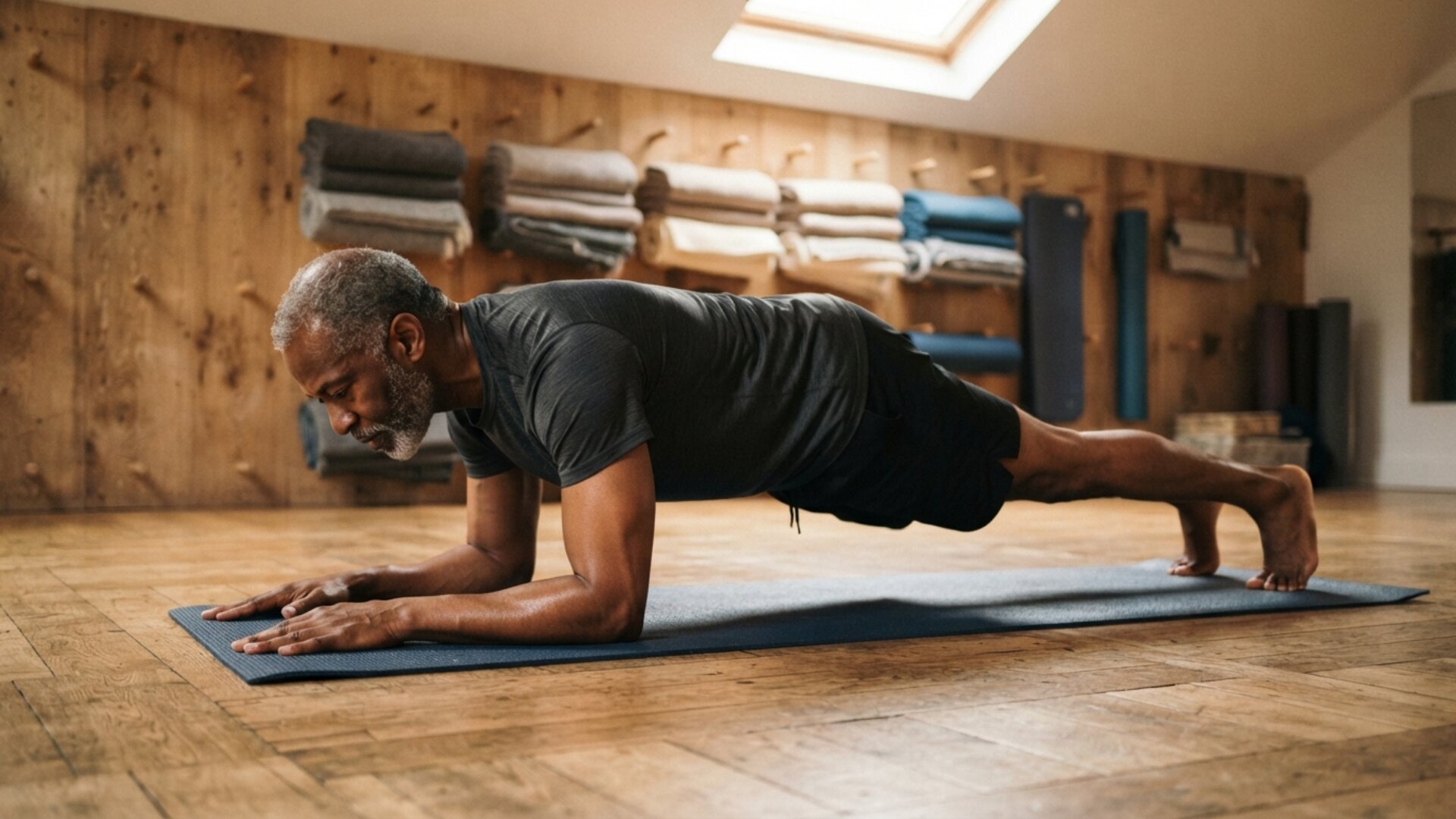
The hold counts only while your body stays in one straight line from head through hips to heels and your hips stay level. Breathe steadily the whole time without changing position.
If your hips drop, your lower back arches or your shoulders slip out of position, the coach says to shorten the hold and build up from there. A registered trial protocol for healthy young adults does the same: assessors stop the timer when alignment is lost or the person stops.
The coach sorts hold times into four tiers, and the lowest covers anything under 30 seconds.
How the coach scores plank time after 60
Under 30 seconds is the foundation tier, where the coach says to practice bracing and staying aligned in shorter sets. From 30 to 60 seconds counts as a solid base, with enough control to support daily movement.
From 60 to 90 seconds is strong territory, with steady hips and tension that holds as the effort grows. At 90 seconds and up, the coach rates your core, hips and shoulders as top-tier, working together with excellent endurance.
These cutoffs assume the form rule above: a 95-second hold with sagging hips wouldn’t earn the top tier. Other published guides draw the lines elsewhere, and one study of adults aged 60 to 79 reported average holds near two minutes.
Why published plank benchmarks for over 60s disagree
A 2018 study in the Journal of Bodywork and Movement Therapies tested 60 adults aged 20 to 35 and 60 aged 60 to 79, and reports of its data put the older groups near two minutes on average. Younger adults held longer, and the overall average was about 145 seconds.
Online guides for over 60s set the bar lower. A treadmill retailer’s guide calls 20 to 30 seconds the benchmark after 60, while a fitness site’s guide calls 30 to 60 seconds an excellent goal.
With sources this far apart, treat the 90-second line as the coach’s judgment, not an established cutoff. Even a long hold can mislead, as a study of adults with and without low back pain found.
A study where back pain came with longer holds
Researchers tested 117 adults aged 20 to 61, with and without low back pain, on a plank endurance test and a questionnaire about disability. The group with back pain held the plank significantly longer than the group without.
The authors say the result challenges the idea that a longer hold means better trunk function when back pain is involved. The coach makes a related point, that position tells more than time.
The limits are real: the average age was 26, and everyone was measured once, so it can’t say what happens after 60. The coach’s plan builds long holds out of short ones.
How the coach builds longer holds from short ones
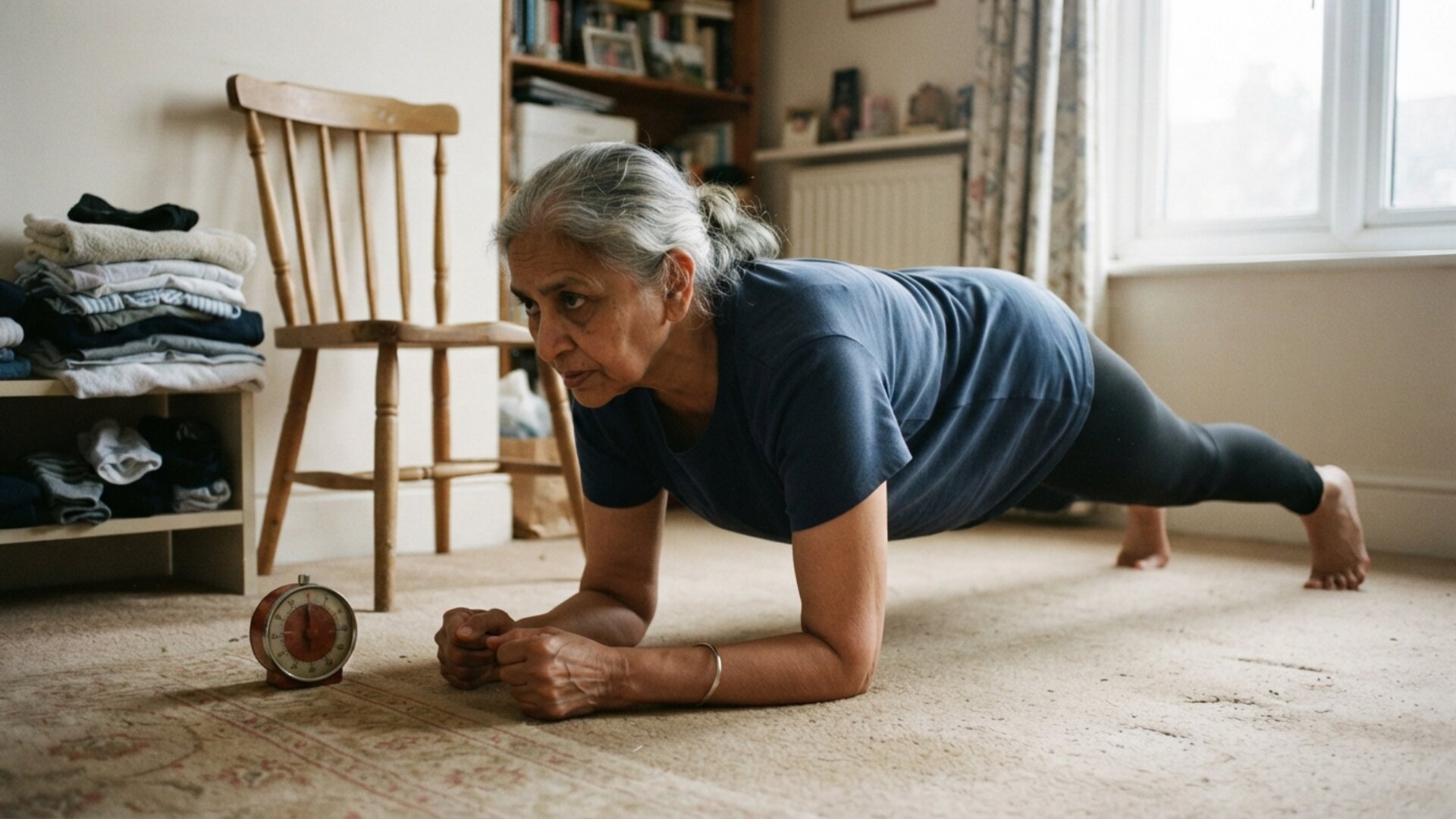
The plan starts with two to three sets of planks, a few times a week, with each hold kept clean and controlled. Sets run 20 to 40 seconds, which the coach says lays the groundwork for longer holds.
Breathing is part of the training. Slow, steady breaths help you keep tension without bracing so hard that you burn out early. When your position stays consistent, the coach adds five to 10 seconds at a time.
The plan also borrows from other exercises, and bridges, carries and presses do part of the work.
Supporting moves, and the retest that tracks progress
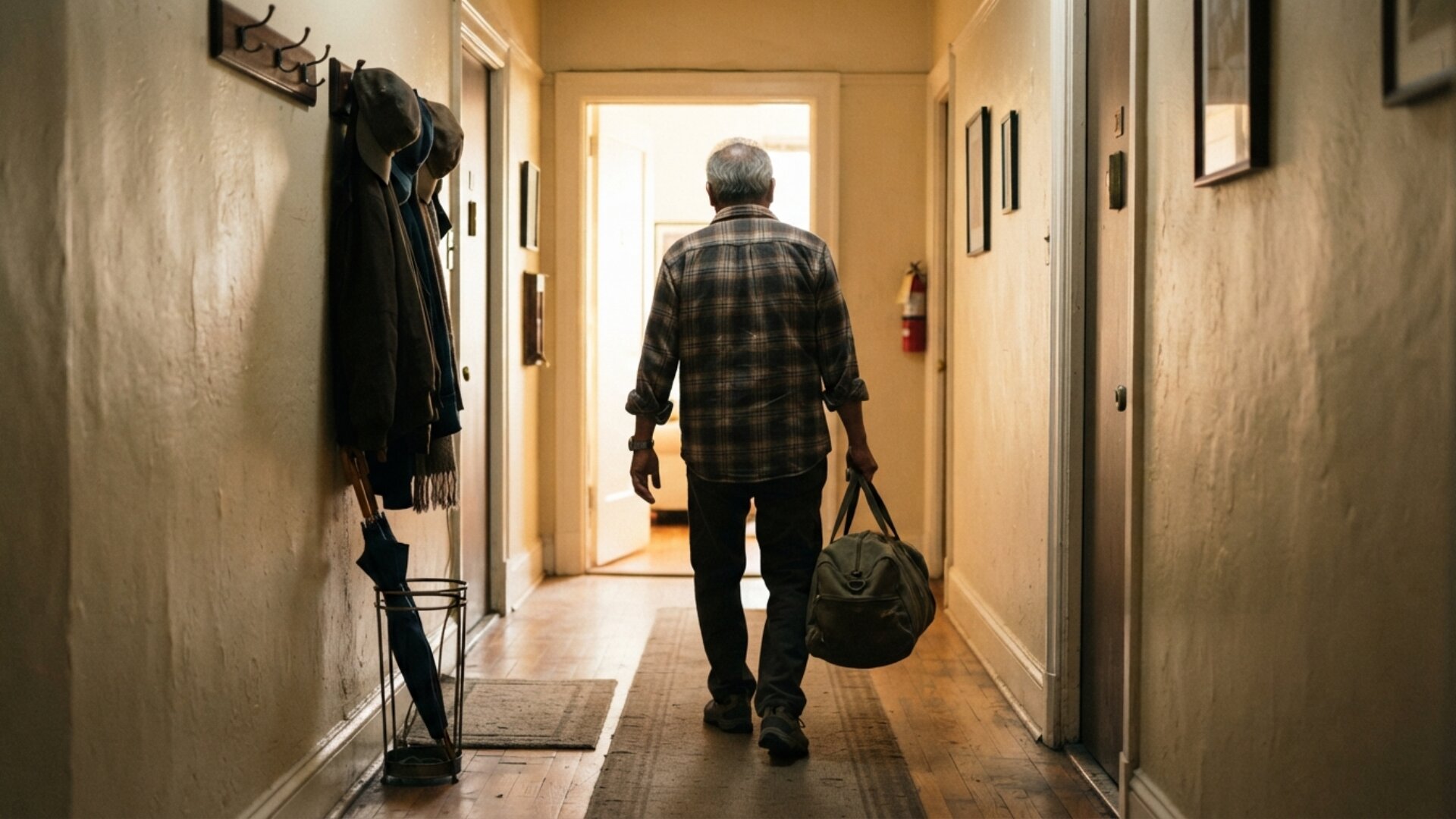
For pelvic control, the coach points to bridges, hip thrusts and carries. For stability against shifting, the list is Pallof presses (pressing a band while resisting a sideways pull), suitcase carries (walking with weight on one side) and side planks.
Then retest every few weeks. The coach says a simple retest gives you a clear target and shows your progress without overcomplicating training. Judge the number against your own last one, since published benchmarks vary so widely.
Check elbows under shoulders, ribs down and glutes squeezed before each attempt. The number that counts is the one you reach before your hips drop.