

Products are selected by our editors, we may earn commission from links on this page.
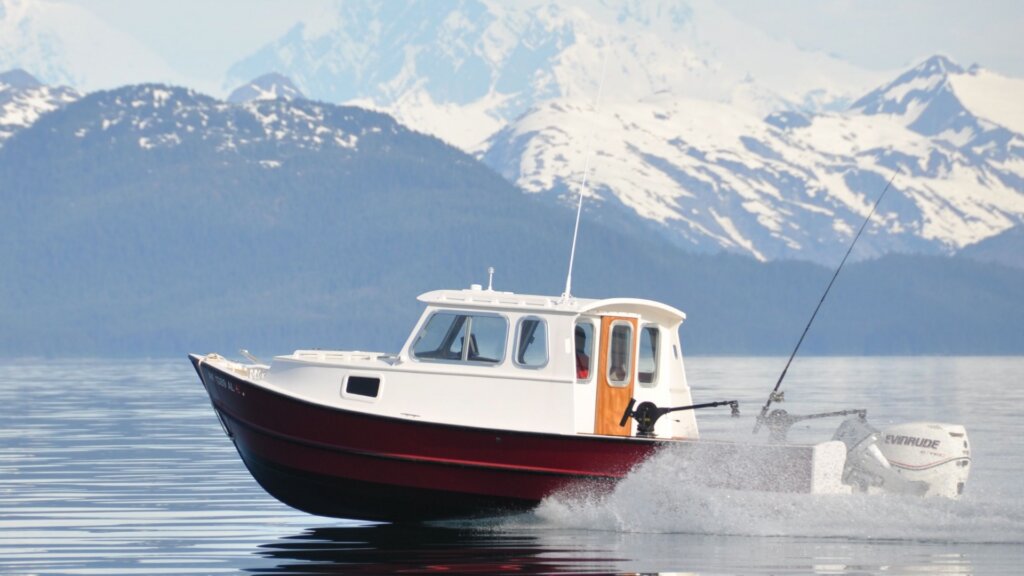
On the evening of August 3, a 21-foot skiff ran out of fuel in Southeast Alaska, somewhere between Petersburg and Juneau. Two women and a child were aboard, adrift in remote water with no engine. Help was available from one of the largest private yachts ever built, a 387-foot vessel that sat closer to the skiff than the ship that eventually rescued it. What that yacht did next depends on who tells the story.
Coast Guard Hears the Skiff’s Call at 9:30 p.m., Then Broadcasts a Request for Any Ship Nearby
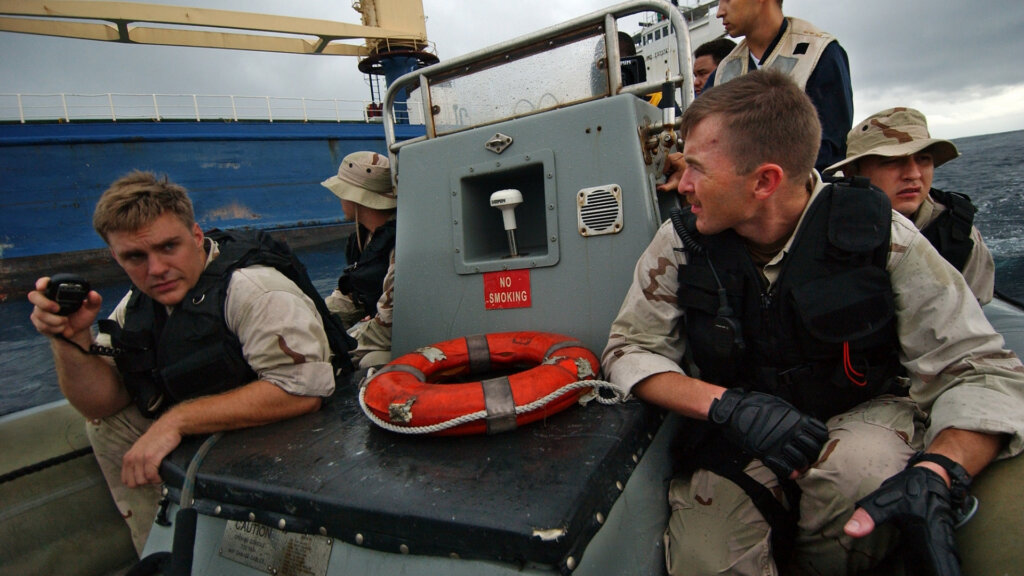
The Coast Guard picked up the call for help just after 9:30 p.m. that Monday. By 9:56 p.m., officials had decided the boat was not in distress, and they issued a marine assistance request broadcast on its behalf, according to a statement given to the Alaska Beacon. The Marine Exchange of Alaska, which monitors ship traffic statewide, repeated the message over its own radios. Somewhere on the water, a captain was listening.
Launchpad, a $300 Million Feadship With 13 Staterooms and 49 Crew, Sits Near the Skiff
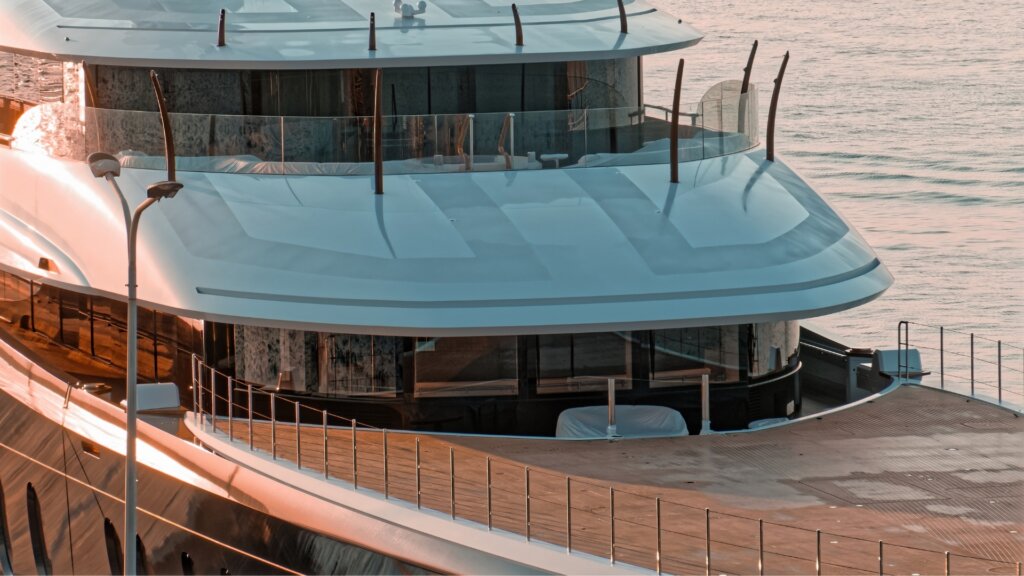
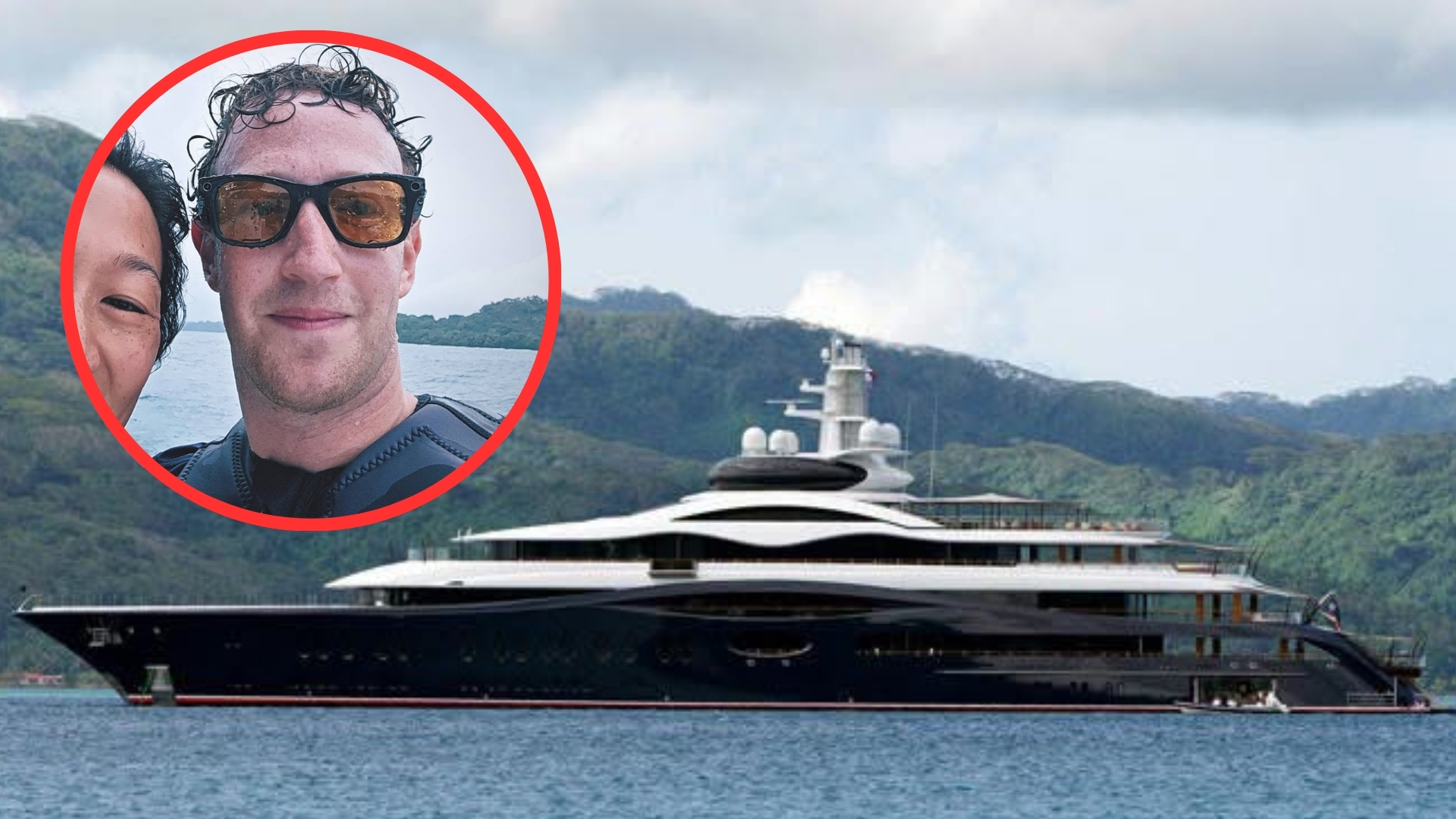
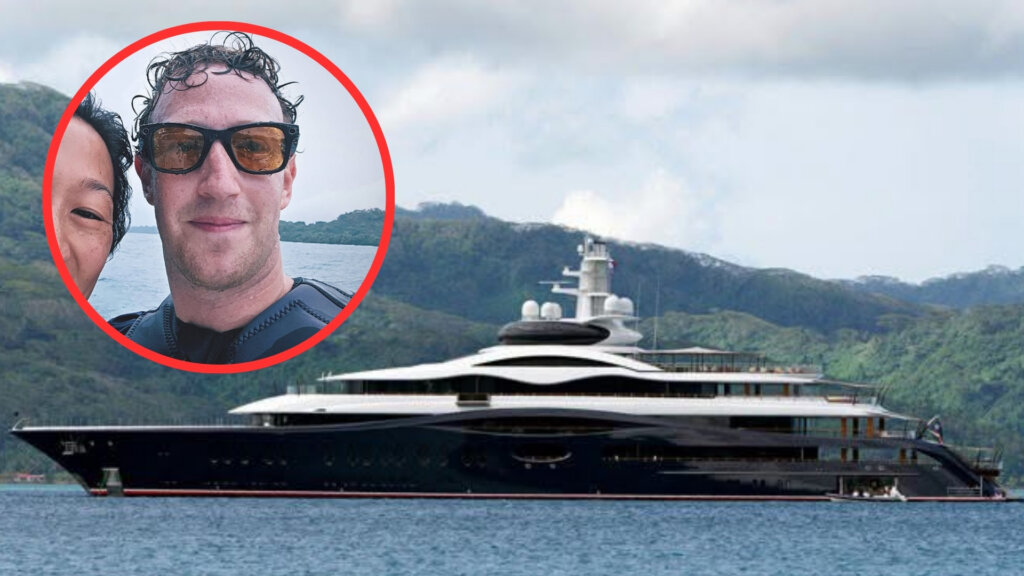
Zuckerberg took delivery of the Launchpad in 2024 from Dutch builder Feadship. The 387-foot, four-deck yacht sleeps up to 26 guests in 13 staterooms, with a crew of 49 to look after them. Reported to have cost around $300 million, it had spent much of the summer cruising Southeast Alaska. Vessel tracking data later placed it nearer to the skiff than the cruise ship that eventually came.
The 86-Guest Wilderness Legacy, a 1984 Replica Steamer, Answers the Marine Exchange’s Hail
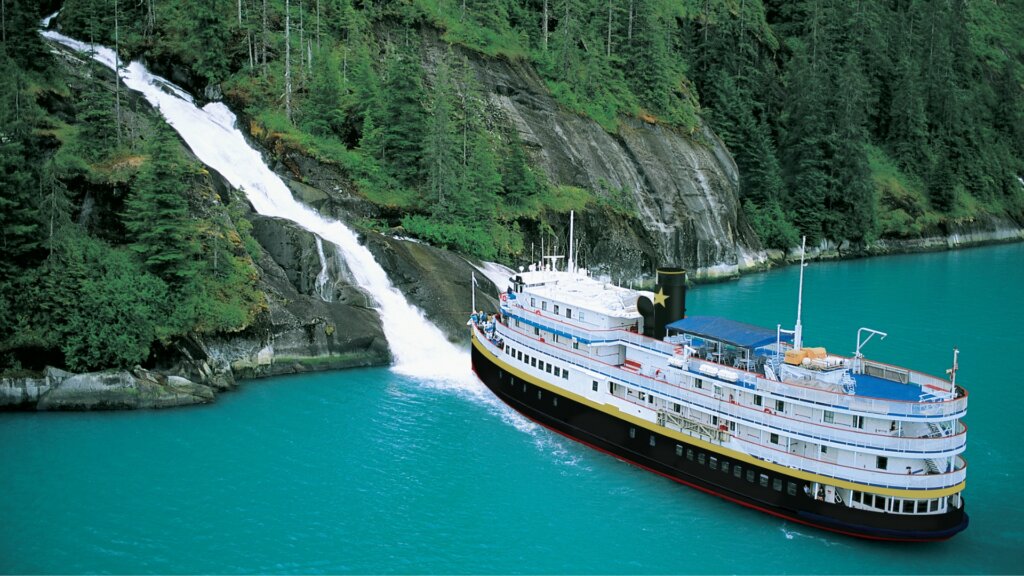
The Marine Exchange’s radio call reached the Wilderness Legacy, a small UnCruise Adventures ship built in 1984 to resemble the coastal steamers of a century earlier. It carries up to 86 guests and works narrow passages that bigger liners skip. Captain Sean Manske turned toward the skiff. Among the passengers was Michael Love, a software developer from New York City, traveling with his son. Soon he heard something over the ship’s announcement system that he would post online by morning.
Passenger Says Coast Guard Radioed a Closer Yacht That “Repeatedly” Refused to Respond
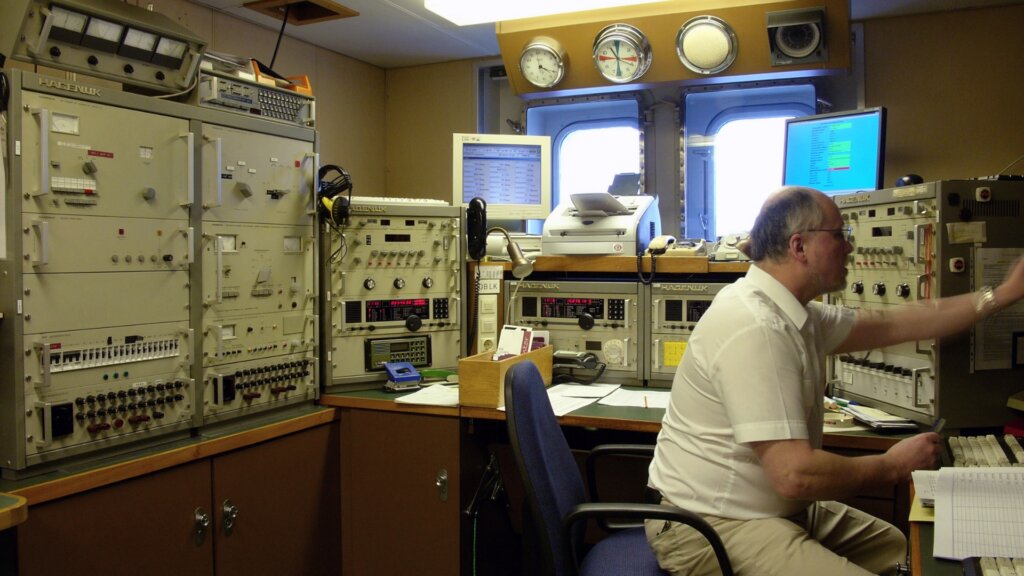
Love wrote on Bluesky that his ship rescued the stranded boat after the Coast Guard radioed Zuckerberg’s closer yacht, which he said “repeatedly refused to respond.” According to Love, “there was near unanimous booing when the captain announced this.” He added that in Zuckerberg’s position he would have been “absolutely ecstatic” at the chance to help someone and earn some good publicity. Vessel tracking records were about to test his account.
Tracking Data Shows Launchpad Slowing to a Halt Outside Farragut Bay as the Cruise Ship Moves Past
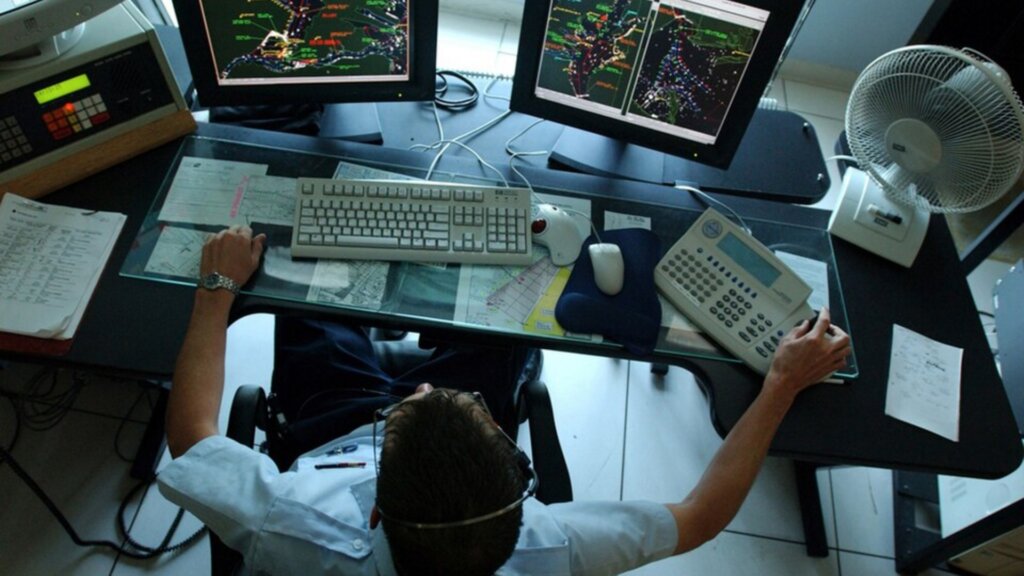
Vessel tracking services offered a picture consistent with Love’s account. They show the Launchpad slowing to a stop outside Farragut Bay while the Wilderness Legacy moved around it and continued to the skiff’s apparent position. The cruise ship towed the small boat into the sheltered bay and refueled it. The next day, Manske reached the skiff’s occupants and learned they had arrived safely in Petersburg. Meanwhile, Love’s post was already spreading far beyond the fjords.
Online Critics Cite International Rules on Aid at Sea as a Juneau Resident Slams the Yacht

The story went viral, and Newsweek reported that UnCruise said public tracking data showed the Launchpad was closer to the skiff than its own ship. Social media users accused the yacht’s crew of breaking international agreements that call for the nearest ship to assist a vessel in distress. A Reddit user who lives in Juneau described the yacht as an excessive eyesore parked in Auke Bay. A statement from Zuckerberg’s representatives followed.
Zuckerberg Spokesperson Says Family Was Ashore and the Crew Was Monitoring a Different Radio Channel
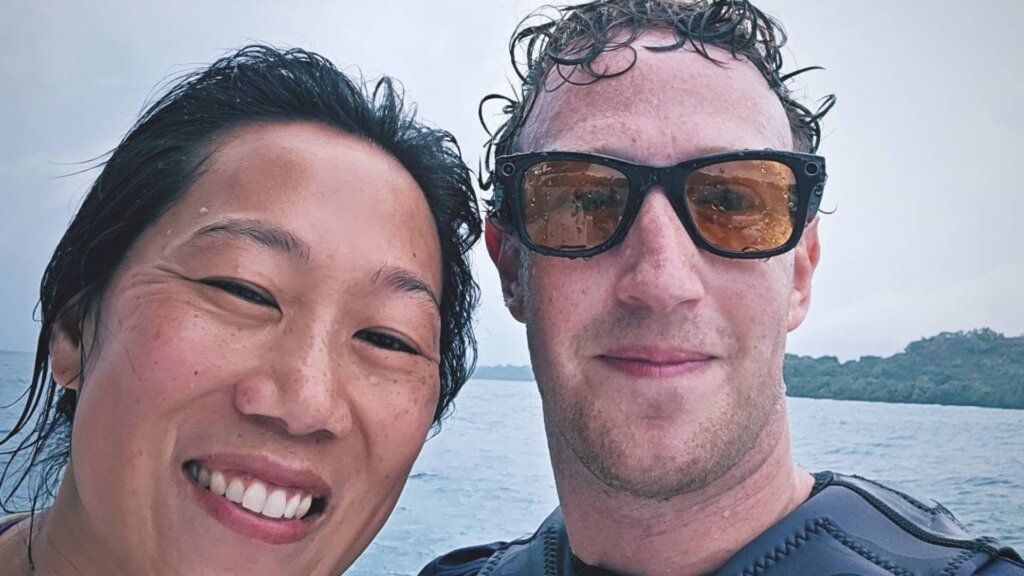
Brian Baker, a spokesperson for Zuckerberg and his wife, Priscilla Chan, told Forbes the couple were not aboard the Launchpad that night. He said the crew was operating on a different radio channel from the one carrying the Coast Guard’s contact, and that the assist was already underway by the time crew members reviewed the broadcast. The statement also said the family was grateful all parties were safe. Coast Guard officials described the situation in their own terms.
Coast Guard and Marine Exchange Say the Skiff Made a General Request for Assistance, With No Distress Call
According to the Coast Guard and the Marine Exchange of Alaska, the skiff’s message was a general request for assistance, and no distress call was made. John Hollingsworth, the Marine Exchange’s chief operations officer, cautioned that a tracking snippet shows one detail in a situation with “myriad details” for the vessels involved. He added that the Wilderness Legacy’s familiarity with Alaska waters may have helped it respond quickly. UnCruise owner Dan Blanchard had his own view of how unusual the night really was.
Skiff Reaches Petersburg Safely, and UnCruise’s Owner Calls Such Rescues Routine
Blanchard said he did not learn of the detour right away because aid like this is so common it does not always reach his attention. The rescue was the second by a small cruise ship in Southeast Alaska in two weeks. On July 30, the National Geographic Quest helped a family who swam to shore in Glacier Bay after a humpback whale sank their sailboat. In the Launchpad episode, everyone on the skiff got home, the yacht’s owner was not aboard, and two accounts of the radio traffic remain on the record.