


Products are selected by our editors, we may earn commission from links on this page.

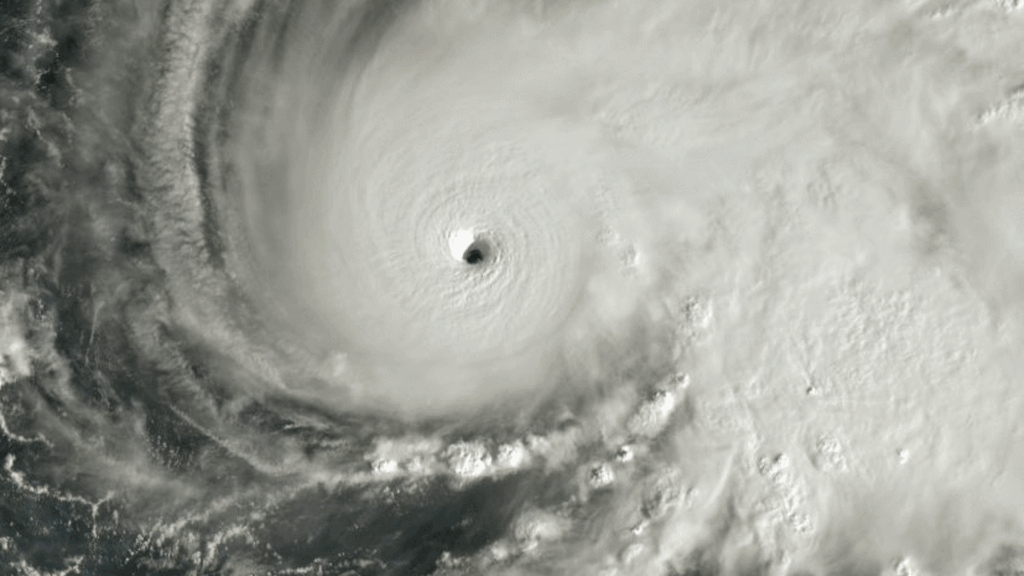
As Hurricane Melissa devastated the Caribbean with record-breaking winds, another storm brewed online. Influencers documenting their Jamaica vacations amid the Category 5 disaster faced intense criticism for “tragedy tourism.” Their videos — showing cocktails, outfit checks, and jokes about the hurricane — were seen as deeply insensitive. While Melissa’s destruction claimed dozens of lives, viewers accused creators of treating a humanitarian crisis like a photo opportunity.
“Hurricane Vacation” Content
Several TikTok and Instagram users posted lighthearted vacation clips as Hurricane Melissa hit Jamaica. One influencer captioned her video, “Hurricane Melissa out here messing with my vacation,” while another showed frozen drinks with the text, “Pretending there’s not a Category 5 hurricane.” Both clips were later deleted after public outrage erupted. Viewers questioned how creators could prioritize content aesthetics over empathy as locals faced catastrophic flooding and power loss.
“Hurricane Fit Check” Sparks Outrage
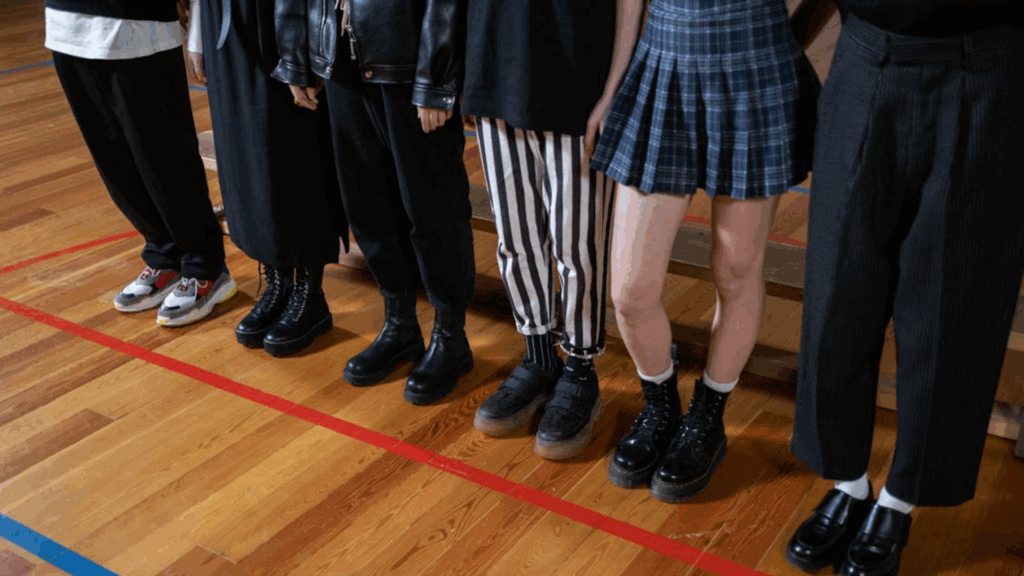
A TikToker with nearly 700,000 followers posted a “hurricane fit check” — posing in trendy outfits while wind howled outside. The video drew thousands of reactions, most of them critical. “This is so out of touch,” one user wrote, while another warned, “You’re surrounded by windows that aren’t boarded up.” The tone-deaf fashion moment quickly symbolized influencer culture’s obsession with style over sensitivity, sparking debates across social media platforms.
Comment Sections Turn Hostile
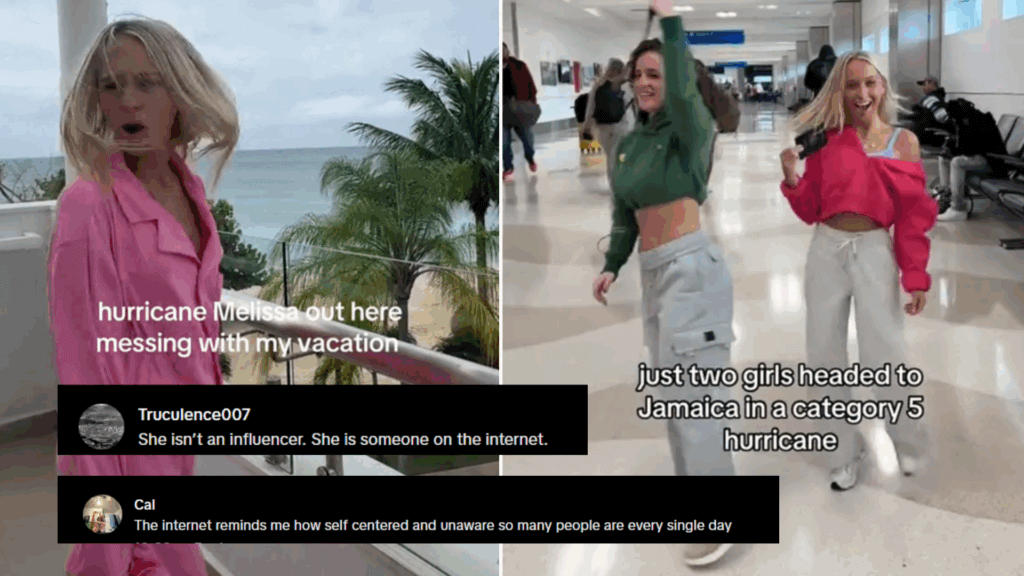
Comment sections became battlegrounds as users condemned influencers for glamorizing a disaster. “This generation is so unserious,” one commenter declared, while others begged them to “be safe” or “stop filming.” Some offered mild support, praising creators for “staying positive,” but those voices were drowned out by anger. Many viewers argued that the posts trivialized the suffering of thousands of Jamaicans caught in the deadly path of Hurricane Melissa.
Defining “Tragedy Tourism”

Media critic Brad Polumbo labeled the influencers’ behavior “tragedy tourism” — exploiting human suffering for clicks and engagement. “It’s despicable,” he told Fox News Digital. “It monetizes trauma and distracts attention from actual victims.” Polumbo said the trend reflects an “attention-at-any-cost” mindset where even catastrophic events become social media fodder. Critics say it’s a symptom of a culture that prizes virality over responsibility, empathy, or genuine awareness.
The Social Media Incentive Problem
Polumbo noted that influencer culture rewards visibility above ethics. “Young people are incentivized to do anything for attention,” he said, warning that “ragebait” and performative posts drive engagement regardless of harm. With algorithms prioritizing reactions, even outrage becomes profitable. This environment fuels risky, insensitive behavior as creators chase metrics, not meaning. It’s a cycle where empathy is sidelined, and the line between sharing and exploiting grows dangerously thin.
Hurricane Melissa’s Real Toll

Beyond social media, the human toll was staggering. Officials in Jamaica confirmed at least 32 deaths, with eight more unverified, while neighboring Haiti reported 31 fatalities. Thousands were displaced as flooding destroyed homes and infrastructure. Meteorologists called it the most powerful storm to strike Jamaica since 1988. While some filmed “vacation content,” communities battled rising waters, power outages, and devastation — a stark reminder of reality outside influencer bubbles.
The Ethics of Posting Through Disaster

The controversy reignited questions about digital ethics in times of crisis. Should influencers document their experiences during disasters, or step back out of respect? Some defend lighthearted posts as coping mechanisms, but critics argue that timing and tone matter. Posting cocktails and “fit checks” during an emergency blurs the line between empathy and exploitation — showing how easy it is for online self-expression to cross into moral insensitivity.
A Reflection of Gen Z’s Digital Dilemma
This backlash spotlights a generational struggle with social media’s performative culture. For Gen Z creators, attention often equals opportunity — but at what cost? Many young influencers grow up believing that every moment is content. The Hurricane Melissa videos reveal how desensitization to tragedy can emerge from constant posting. It’s a cultural mirror reflecting the tension between authenticity, empathy, and the endless pursuit of digital validation.
The Storm After the Storm
As Hurricane Melissa’s floodwaters recede, the ethical storm it unleashed continues online. “Tragedy tourism” forces both influencers and audiences to confront uncomfortable truths about attention economies. When every event becomes content, compassion risks becoming secondary. The outrage may fade, but the lesson remains: digital influence carries moral responsibility. In a world powered by views and shares, empathy shouldn’t be the first casualty of going viral.