

Products are selected by our editors, we may earn commission from links on this page.
A new kind of online store has emerged, and it is not selling anything. Known as dopamine sites, these platforms recreate the full experience of online shopping, from browsing listings to checking out, without ever charging a cent or shipping a single item. Users scroll through catalogs full of products, reviews, ratings, filters, and promotions, then drop items into a virtual cart and enter a delivery address before clicking order, just like on any retail site. From there, an animated courier appears to accept the order and begins heading toward the buyer’s address on a live tracking map. No payment is processed, and nothing ever arrives at the door.
This article was created with the assistance of AI and reviewed by our editorial team for accuracy and clarity.
A Trend Born In South Korea’s Shopping Culture

The trend started in South Korea, one of the most digitally connected countries in the world, with an already massive online shopping sector. National media outlets there began reporting on the growing use of these fake shopping platforms among younger users, who were drawn to an experience that felt almost identical to a real purchase. The sites are built with the same level of detail as legitimate marketplaces, offering hundreds of products alongside reviews and filters that make the browsing feel authentic. The difference only becomes clear at checkout, where no credit card is ever charged and no confirmation email requesting payment is sent.
Why The Fake Checkout Still Feels So Real
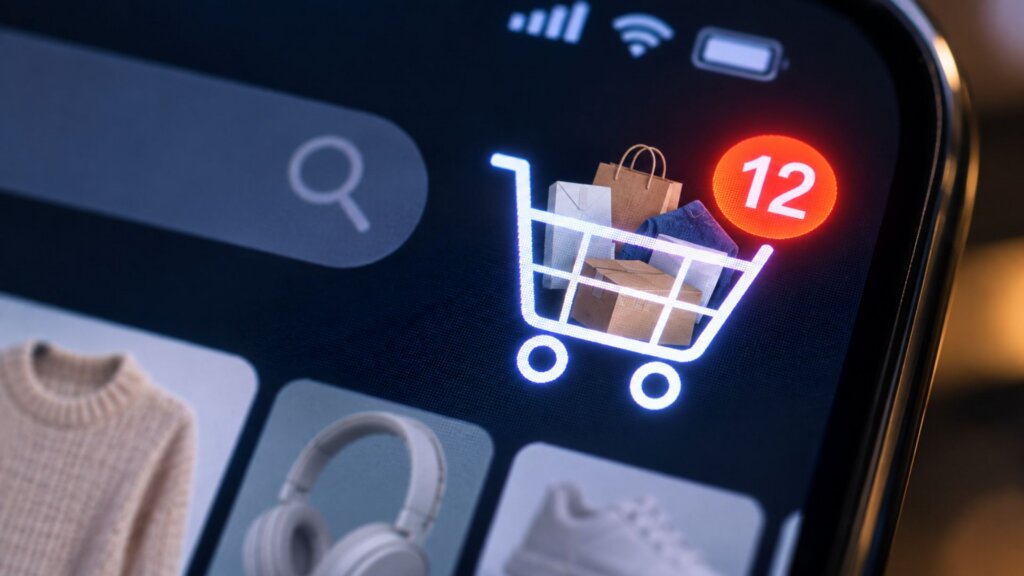
What keeps users coming back is the feeling the sites are designed to produce. According to many young users, the experience delivers a rush of excitement and anticipation almost identical to placing a real order, even though they know from the start that nothing is actually being purchased. That sensation is tied to dopamine, a neurotransmitter linked to motivation and reward. Experts note that dopamine does not only spike once a reward arrives, but it can also surge during the anticipation of getting something. This is why the browsing and cart-filling stages of shopping can feel satisfying on their own.
The Scroll Does Half The Work Before Buying
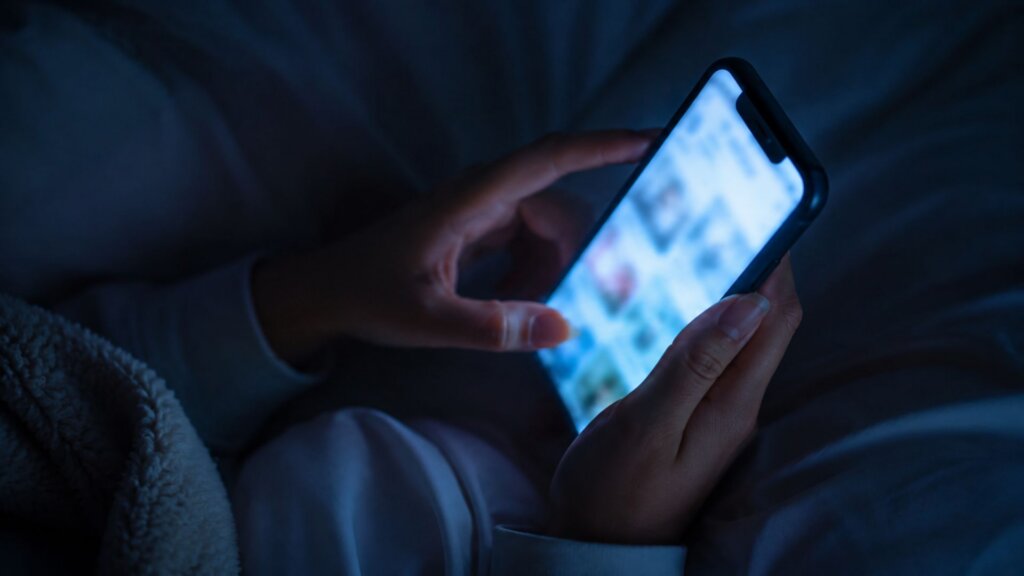
That anticipation effect helps explain why impulse shopping rarely starts with actually wanting a product. It often begins with boredom, stress, exhaustion, or simply having a phone and free time late at night. A large part of the emotional payoff happens during the scrolling and the ‘filling your cart’ portion, long before any purchase is finalized. Dopamine sites are built around that observation, copying the scrolling, the cart, and the checkout click while removing the moment a package actually shows up and forces a person to confront what they bought and how much they spent.
The Real Draw Is Saving Money Under Pressure
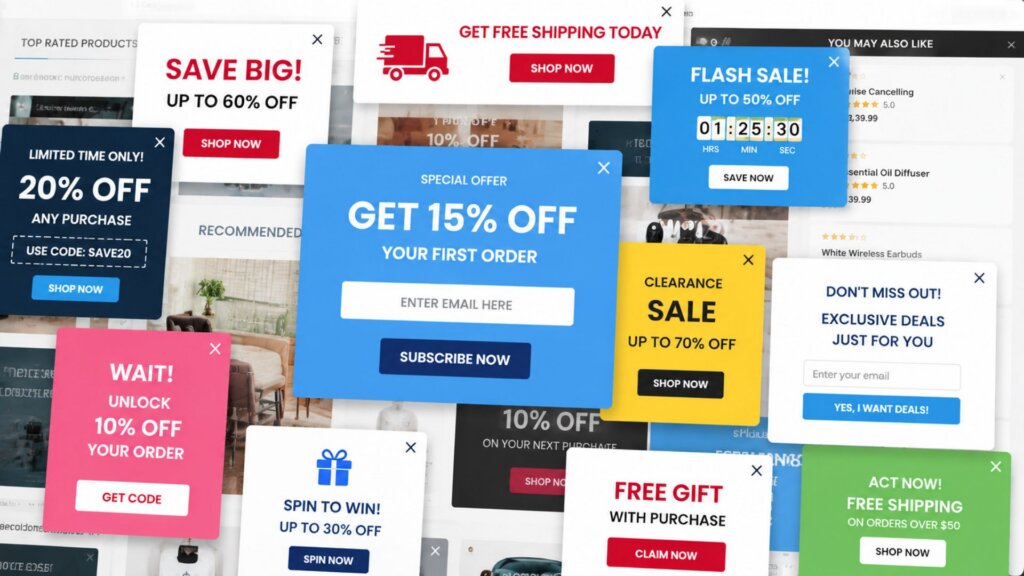
For many young South Koreans, the appeal comes down to practical savings during a period of high living costs. Advertising follows users into nearly every corner of the internet, creating constant pressure to buy. Dopamine sites offer a workaround: users still get to browse, plan, and experience the excitement of ordering something, but without any money leaving their account. The psychological payoff of going through a familiar shopping ritual stays largely intact, while the financial consequences that normally follow a purchase are removed entirely from the equation.
Meet FoodNeverComes, A Fake Delivery App
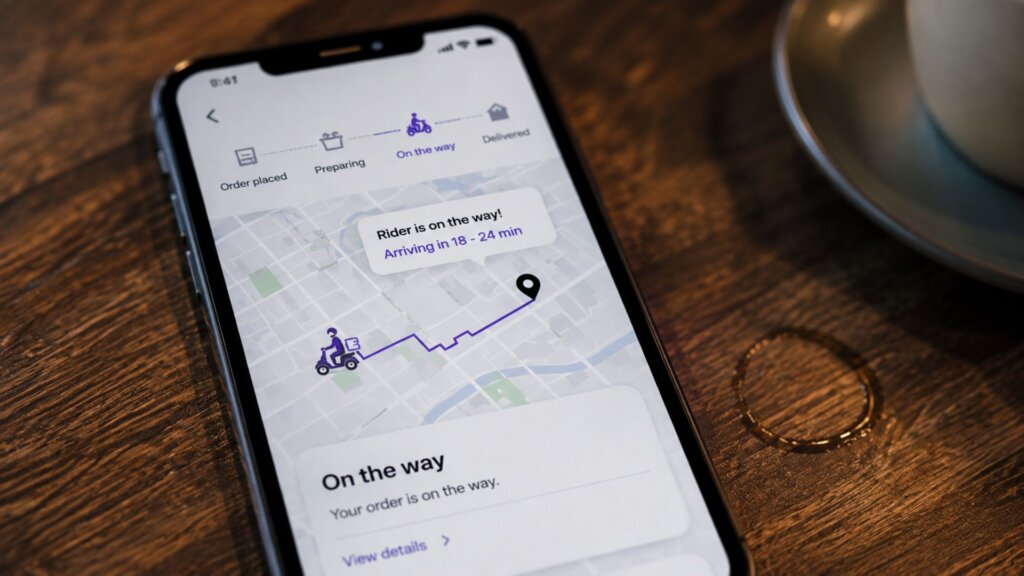
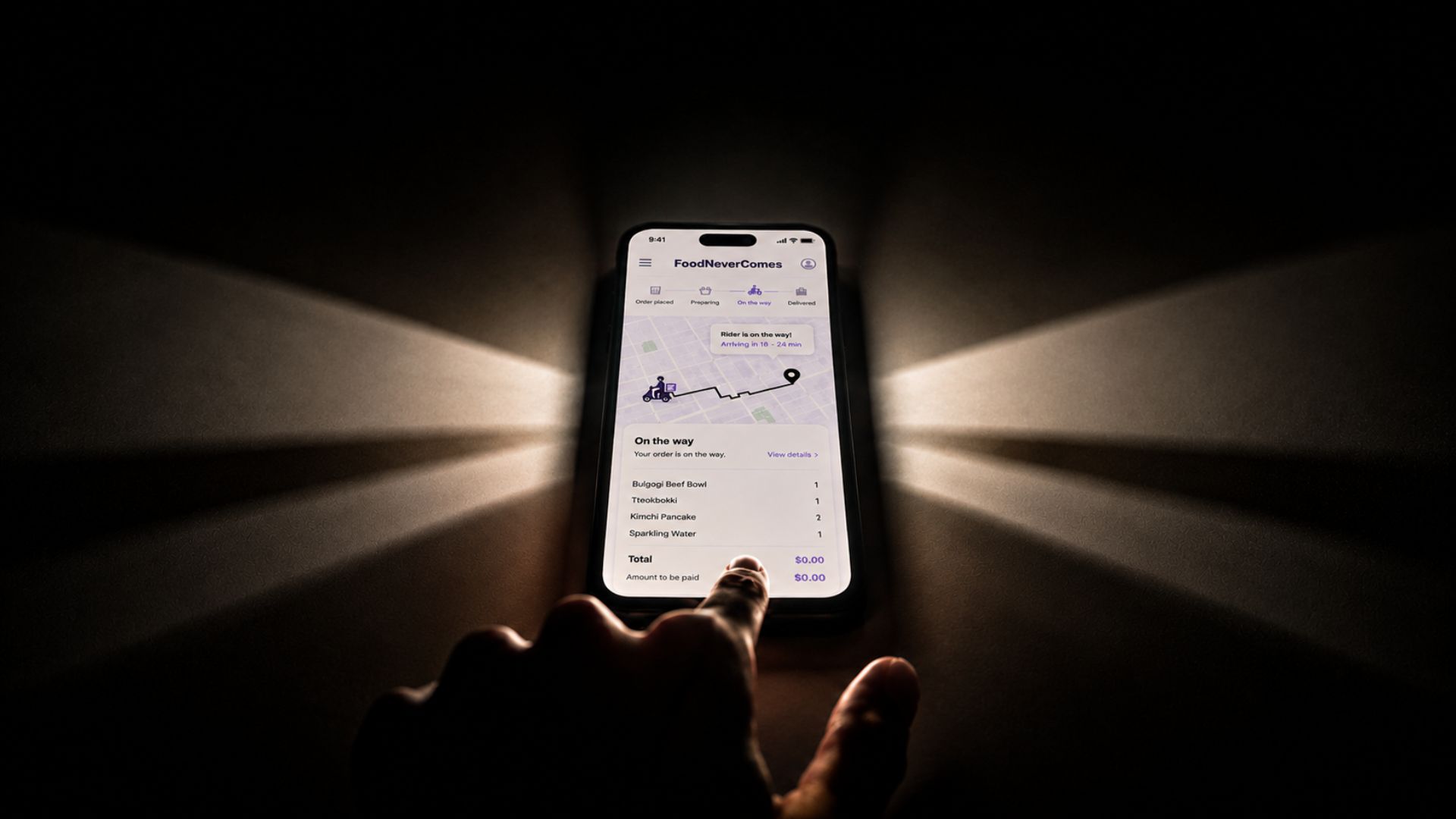
One of the most talked-about dopamine sites is a fake food delivery platform called FoodNeverComes, which lets users browse restaurant menus, add meals to a virtual cart, and track a rider making their way to a delivery address. As the name suggests, the food never actually arrives, and no payment is ever collected. The site recreates the full ordering experience down to restaurant listings and live rider tracking, giving users the satisfaction of planning and anticipating a meal without any of the cost or calories that would come with a real order.
Even Virtual Smoke Breaks Are Getting In On It

Food and retail are not the only categories getting the dopamine site treatment. Another platform lets users take virtual smoke breaks alongside strangers online, offering a low-stakes digital activity built around the same idea of providing a quick mood boost without any real-world cost. These sites suggest the appeal is not limited to shopping specifically, but to any everyday ritual that carries anticipation and a small sense of reward. As the concept spreads, more platforms appear to be experimenting with replicating other habits without the consequences.
Western Audiences Have Been Slow To Warm Up
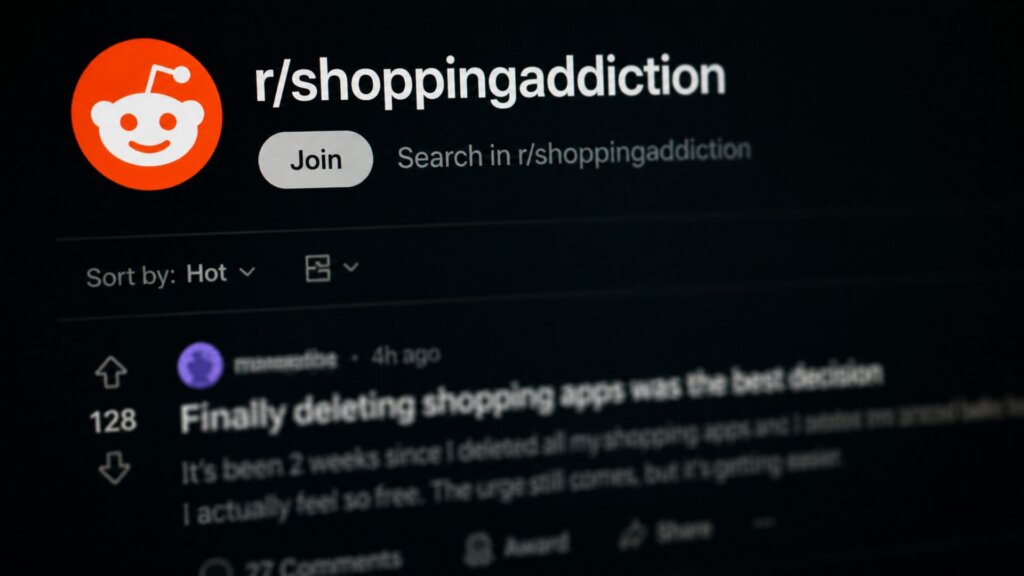
The concept has mostly stayed within South Korea so far. Reactions on Western social media platforms like Reddit have been skeptical, with many commenters dismissing dopamine sites as pointless since no real transaction or reward ever takes place. Within online communities focused on compulsive spending, like Reddit’s r/shoppingaddiction, opinions have been more divided. Some users compared the sites to non alcoholic beer, saying they scratch the itch of shopping without leading to an actual purchase, while others argued that fake shopping still exercises the same habits and urges tied to real shopping addiction.
Experts Warn The Underlying Habit Never Goes Away

Experts are stuck on the same question users are: does this actually help, or is it just the same problem in disguise? Some caution that these platforms do not address the underlying behavioral loop driving compulsive shopping, since removing the financial cost does not remove the urge to browse, add to cart, and click order. The compulsion is still being fed each time someone uses the site, even if their bank account never takes a hit. In that view, the habit itself stays fully intact, just without the bill attached to it afterward.
What Dopamine Sites Reveal About Why We Shop
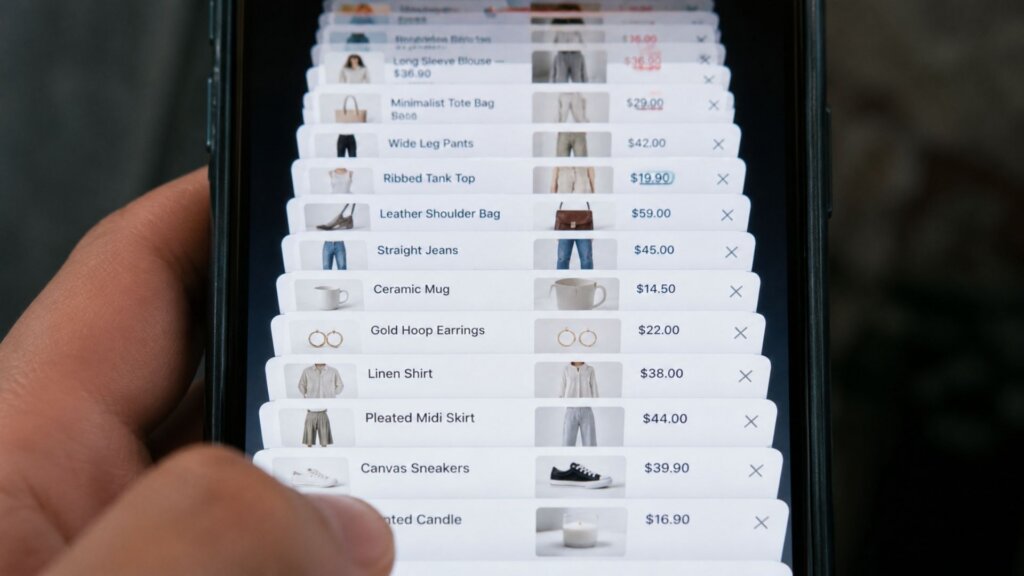
Dopamine sites ultimately reveal something that was already true about online shopping long before they existed: for a lot of people, the appeal was never just about owning the product. It was about the scrolling, the anticipation, and the small thrill of clicking order. Whether these consequence-free platforms end up helping people manage compulsive spending or simply give the same habit a new outlet without any real-world stakes remains an open question. Either way, they offer a clear reminder that the feeling of window-shopping and the act of buying were never quite the same thing.