

Products are selected by our editors, we may earn commission from links on this page.
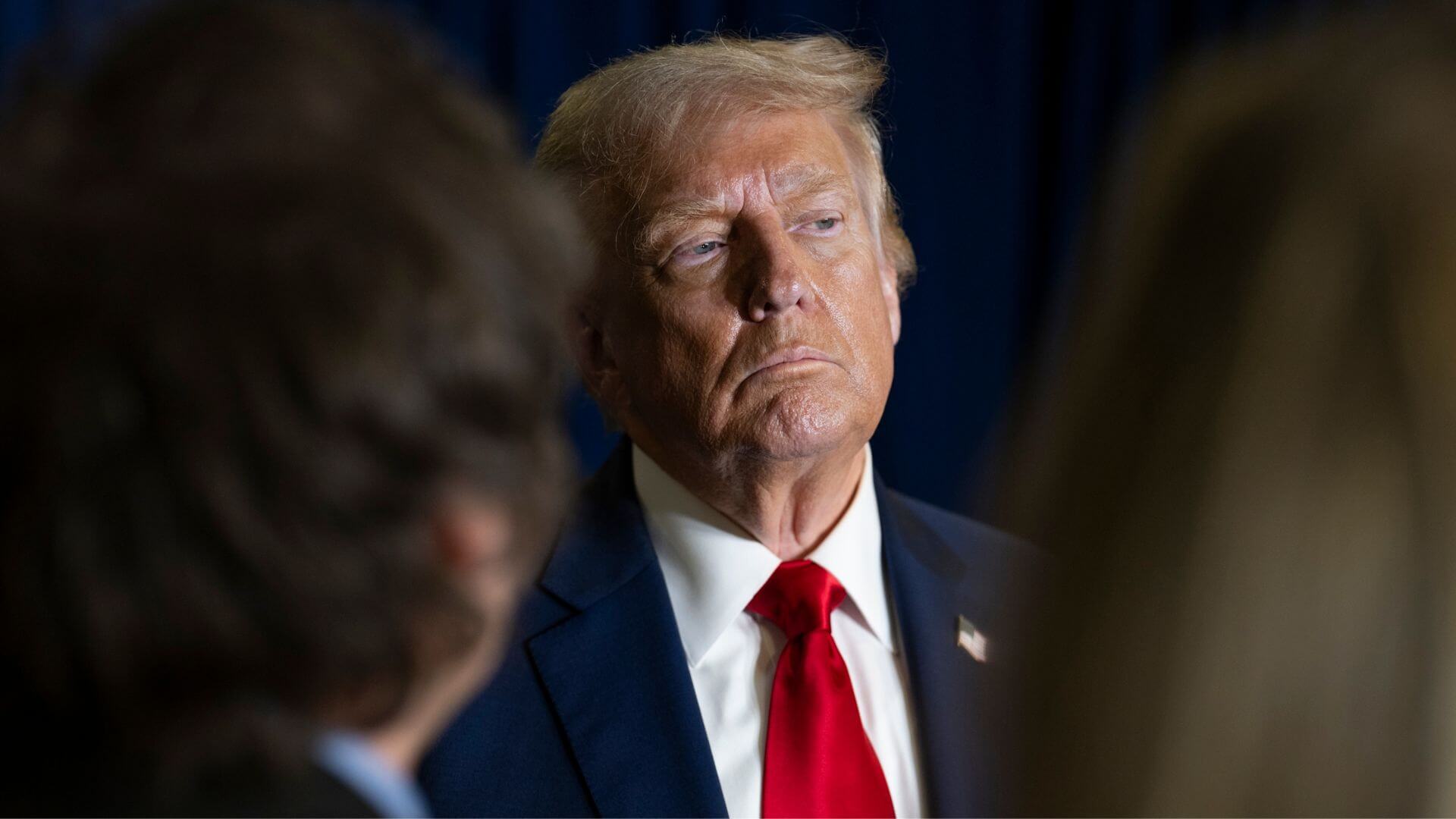
One comment from the White House press podium was all it took to send the nation into a spiral of anxiety. As U.S. airstrikes against Iran stretch into their second week, a single unanswered question has gripped American families: Could their children be drafted into war?
On March 8, 2026, Leavitt appeared on Fox News’ “Sunday Morning Futures,” where host Maria Bartiromo pressed her directly. “Mothers out there are worried that we’re gonna have a draft, that they’re going to see their sons and daughters get involved in this,” Bartiromo said. Leavitt’s response did not close the door. “President Trump wisely does not remove options off of the table,” Leavitt said, adding that troops on the ground were “not part of the current plan right now.”
The White House’s Rapid Response team pushed back on the fallout, writing on X that Leavitt “didn’t say anything close to” suggesting a draft was being planned, calling the claim fabricated. But the damage to public confidence was already done. Before panic takes hold, it is worth going straight to the source.
What Trump and His Team Have Actually Said
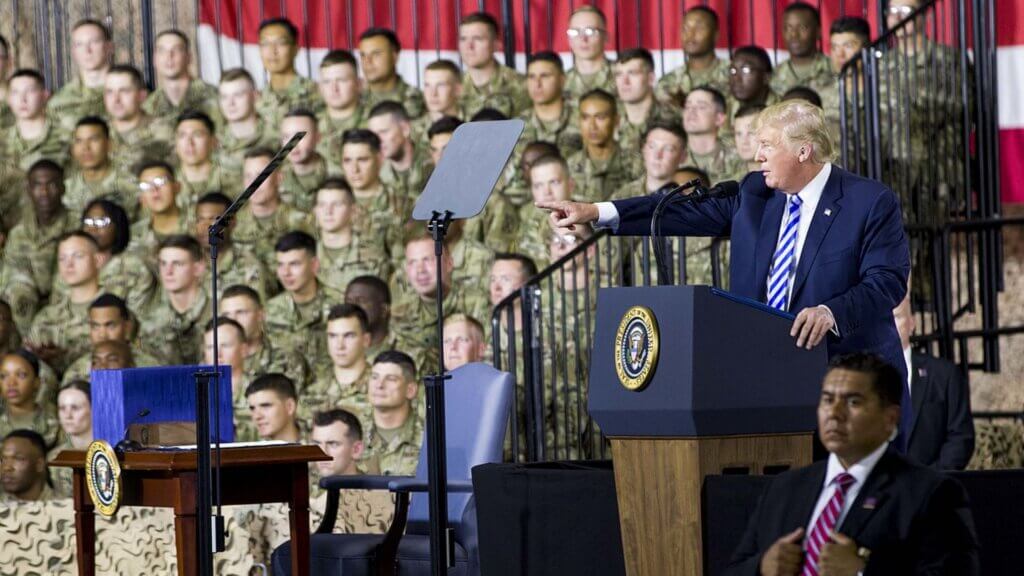
Trump himself, not just his press secretary, has weighed in on the question of escalation, even if his answers have been deliberately vague. Speaking to reporters aboard Air Force One on March 7, Trump was asked under what circumstances he would send in ground troops. “I don’t think it’s an appropriate question,” he said. “Could there be? Possibly, for a very good reason, have to be a very good reason.”
Defense Secretary Pete Hegseth has been equally guarded. During a CBS 60 Minutes interview, when pressed on the likelihood of boots on the ground, Hegseth said: “You don’t tell the enemy, you don’t tell the press, you don’t tell anybody what your” next move is. That level of strategic ambiguity may be intentional, but it has done little to reassure the American public. Hegseth separately told CBS, “We’re willing to go as far as we need to in order to be successful.”
During the 2024 campaign, Trump had actually flipped the script, falsely accusing his Democratic opponents of planning a draft, claiming at a Las Vegas rally that his opponent “wants to bring back the draft, and draft your child, and put them in a war that should never have happened.” Now that a war is underway on his watch, that rhetoric is being used against him. The question of whether his administration would do the very thing he once warned voters about is no longer hypothetical.
Could a Draft Even Happen?
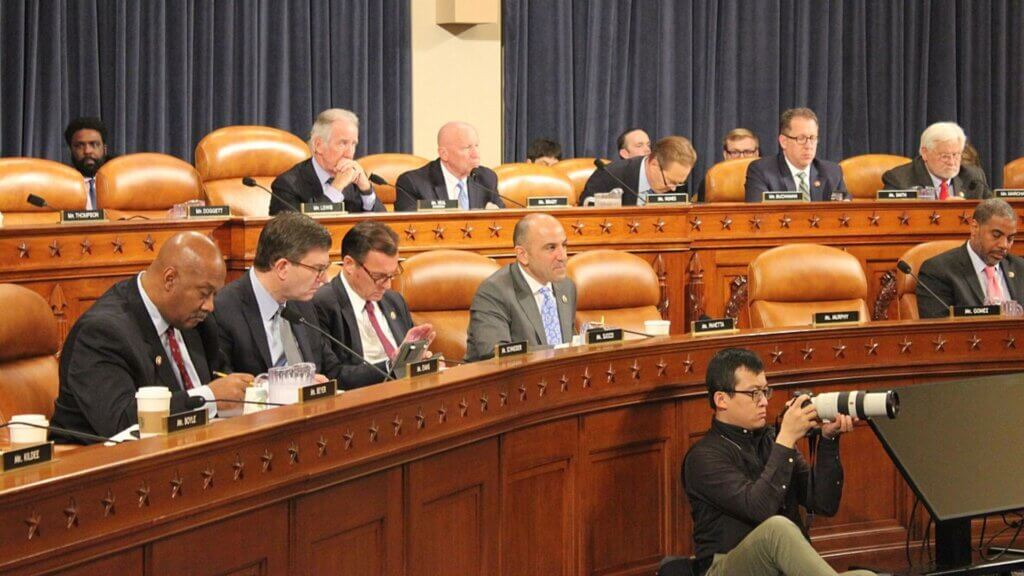
Setting aside the political noise, there are real legal guardrails standing between today’s headlines and a military draft. Understanding those guardrails matters, because the path to conscription is neither quick nor simple. Under the War Powers Act of 1973, the president can authorize military actions but may not deploy troops for more than 90 days unless Congress formally declares war. The current military operations in Iran have not been approved by Congress as an act of war.
Reinstating the draft would require an act of Congress, not just a presidential signature. Lawmakers would first need to pass legislation authorizing conscription under the Military Selective Service Act before the president could activate the system. The last draft call happened in 1972, and the president’s authority to induct personnel expired the following year. Reviving it after more than 50 years would be an enormous political undertaking.
A Pew Research poll found that 74% of Americans agree with keeping the military volunteer-only. The current U.S. armed forces stand at over 1.3 million active-duty personnel, and because the current force is designed to handle multiple global operations without conscription, a draft would likely only become a serious consideration if the U.S. entered a much larger and prolonged ground war. As it stands, the operation remains largely an air campaign. But wars have a way of evolving, which brings us to the one detail many are now quietly avoiding.
Trump’s Own Draft History
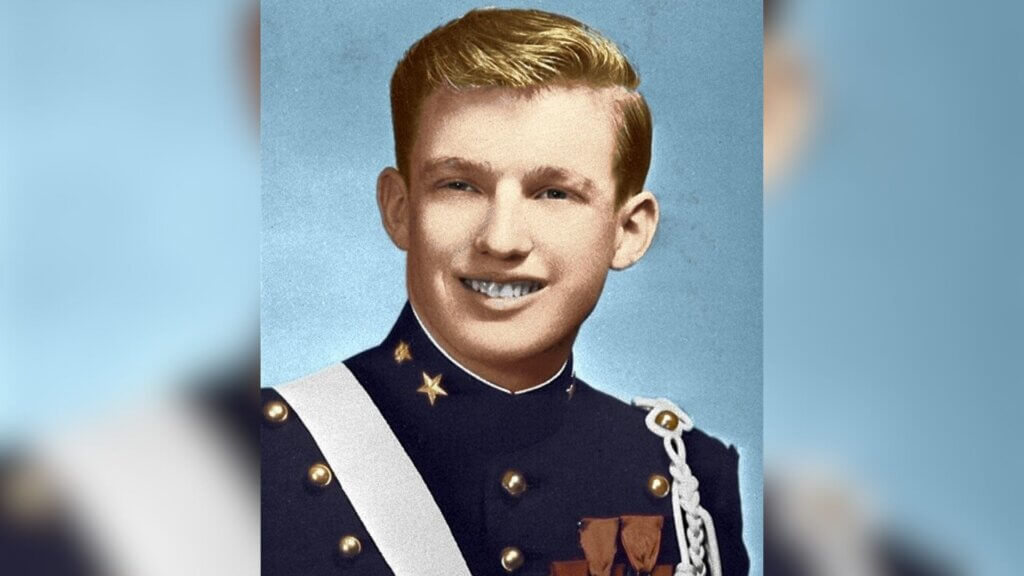
Any honest conversation about a potential military draft under Trump cannot ignore the president’s personal history with conscription. Trump avoided the military draft the first four times in order to complete his college education. When he graduated in 1968, with the Vietnam War still ongoing, he received a diagnosis of bone spurs and avoided the draft a fifth time.
That diagnosis has been disputed. In 2018, the daughters of a New York podiatrist told The New York Times their late father gave the bone spurs diagnosis as a favor for the landlord of his office, Fred Trump. The president has addressed his draft record over the years with varying explanations, at times citing his education, at others pointing to his draft lottery number. In a 2016 radio interview, he said: “I had a good draft number and, you know, I feel fine about it. The Vietnam War was a mistake. It was a big mistake, a horrible mistake.”
Since the war began, widespread calls circulated online for Trump’s youngest son, Barron, to be drafted into the war effort, with the hashtag #sendbarron trending on X. Meanwhile, Rep. Marjorie Taylor Greene posted bluntly: “How about the answer is NO DRAFT AND NO BOOTS ON THE GROUND.” For now, no formal draft proposal exists. But with seven Americans already dead and a war with no clear endpoint, the question is not going away. And as history has shown, wars rarely stay the size they start.