

Products are selected by our editors, we may earn commission from links on this page.
Across human history, people have wrestled with the question of whether the end of humanity is near, and what forces might bring it about, blending scientific assessment of existential risks with ancient prophecies that foretell dramatic endings and renewed beginnings. While ancient spiritual traditions and religious texts contain vivid imagery of final ages and transformative events, scientists consider a wide range of threats, from climate change to nuclear conflict, as ongoing challenges that could shape the long-term future of civilization. The dialogue between science and prophecy reflects deep-seated anxieties about the fate of the world, with each perspective using its own language to grapple with uncertainty about what comes next.
Warnings From Ancient Traditions

Ancient religious and mythological traditions have long spoken of great upheavals at the end of human history, using symbolic images such as fire falling from the sky, catastrophic wars, and cosmic disturbances as metaphors for moral reckoning and transformation. Prophecies found in texts from Christianity’s Book of Revelation to Zoroastrian and Hindu traditions paint dramatic pictures of destruction that ultimately lead to renewal or a new world order, highlighting how human cultures have interpreted existential danger through spiritual narratives.
The Rapture and Modern Prophecy Claims
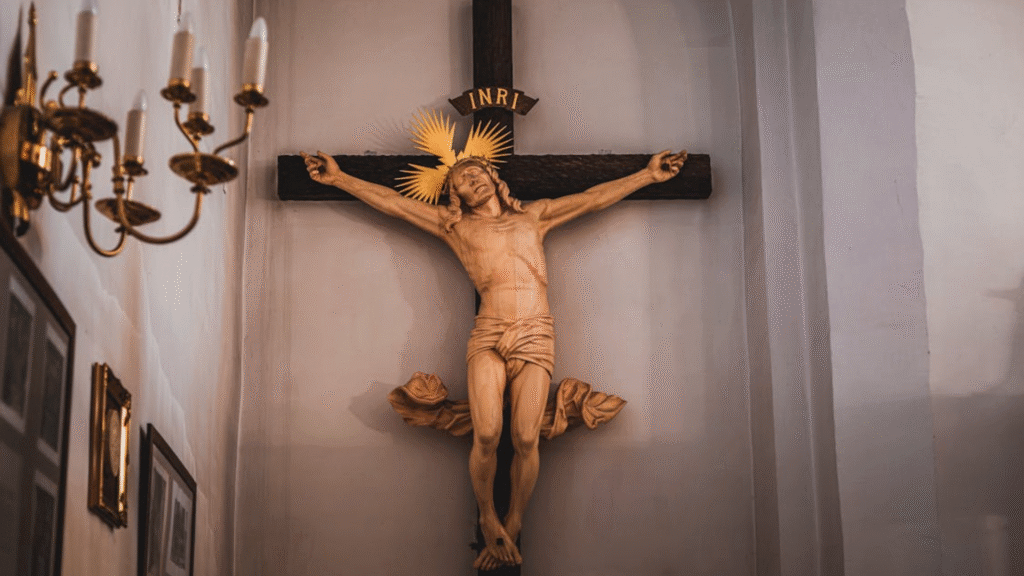
In recent years, specific end-times predictions like the notion that the rapture or Second Coming of Jesus will occur on particular dates have gained traction on social platforms, even as they draw skepticism from religious scholars who note that scriptural texts do not specify exact timing. These claims often resurface during times of social unrest or crisis and reflect how ancient prophetic themes are reshaped in modern digital discourse.
Scientific Risks to Humanity

From a scientific standpoint, the “end times” is a metaphor used to describe several existential risk factors that could disrupt human civilization, including climate change, widespread environmental degradation, nuclear warfare, and emerging technologies such as artificial intelligence and biotechnology. Researchers and thinkers in fields like existential risk theory study these issues to assess long-term survival prospects, even if no specific “end date” is predicted.
The Doomsday Clock as a Metaphor
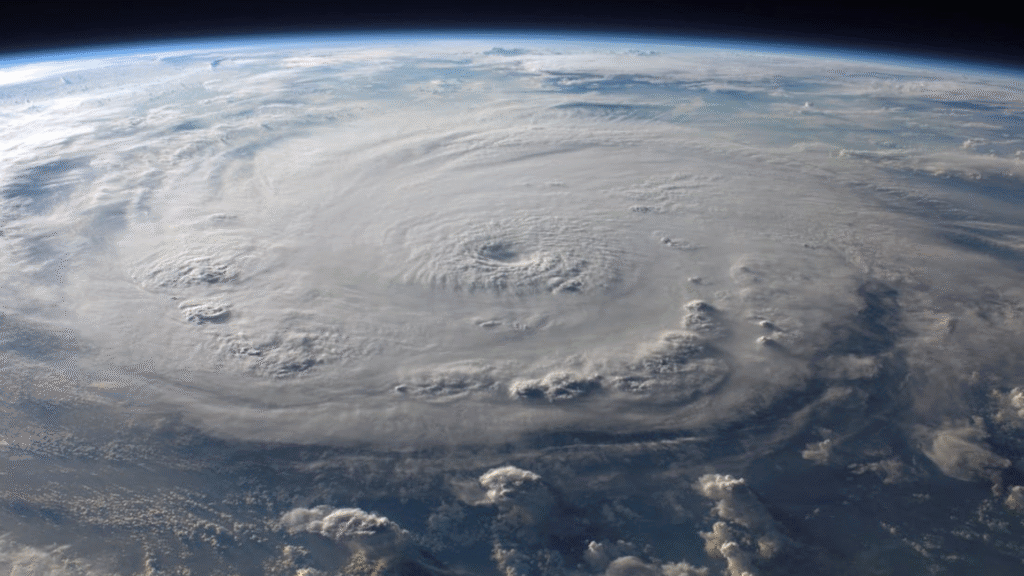
One symbolic scientific gauge of global risk is the Doomsday Clock, maintained by the Bulletin of the Atomic Scientists, which reflects how close humanity appears to be to large-scale catastrophe due to factors like nuclear threats, climate change, and disruptive technologies. In 2026, the Clock was set to just 85 seconds to midnight, its closest setting in decades, illustrating the elevated level of concern among experts about human-made risks.
Science vs. Literal Prophecy
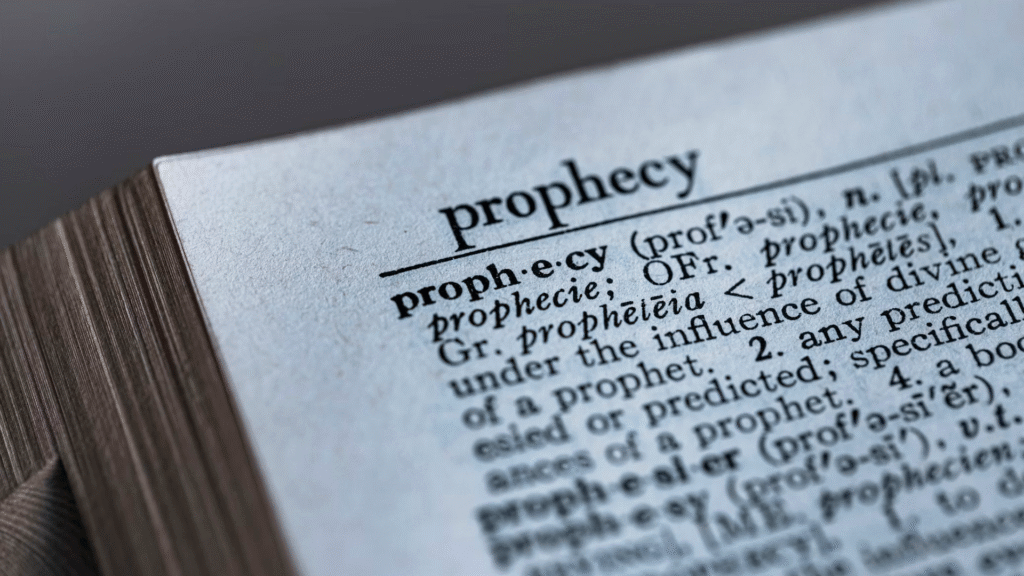
While ancient prophecies often use metaphorical and symbolic language rooted in cultural and spiritual frameworks, scientific analyses rely on empirical data and observable trends, and they do not support specific dates for an apocalypse. Scientists emphasize that many supposed prophetic fulfillments have not been borne out, and that historical patterns show many end-of-world forecasts in religion and culture have failed.
Why Prophecy Persists
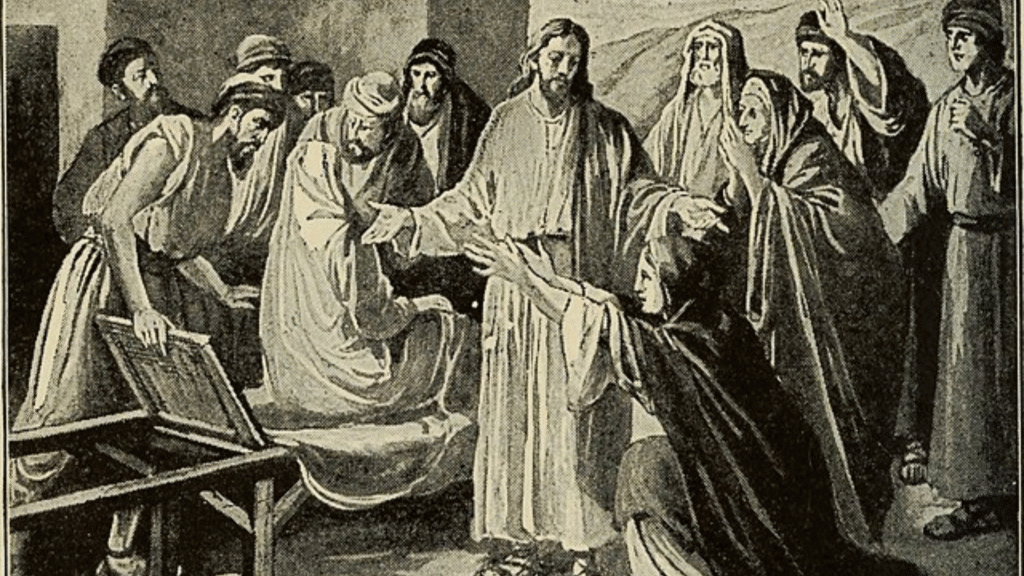
The enduring interest in prophetic end-times narratives is partly psychological: humans have a long history of interpreting natural and social upheavals as signs of impending final events. Prophetic literature and traditions offer a narrative framework for meaning and hope for believers, while also raising challenging questions about morality, purpose, and the future of human society.
The Role of Science in Shaping the Future
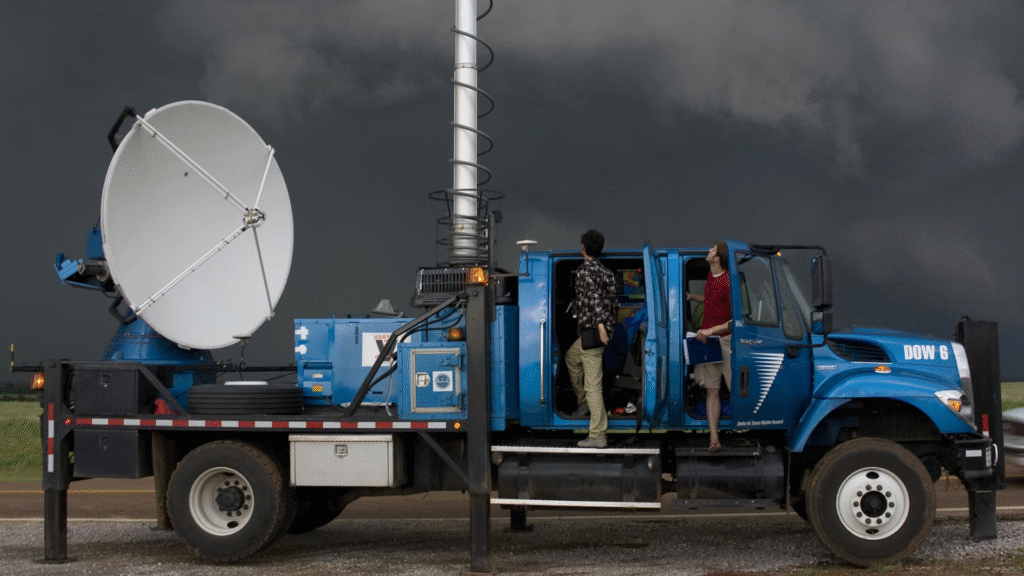
Scientists continue to examine and raise awareness of threats that could jeopardize human wellbeing, such as rising global temperatures, biodiversity loss, geopolitical instability, and the ethical development of powerful technologies, with the aim of informing policy and fostering resilience rather than predicting apocalyptic outcomes. This approach highlights actionable strategies for mitigating risks rather than dwelling on fixed prophecies.
Finding Common Ground

Though science and prophecy operate in different domains, both contribute to the human conversation about the future, science by identifying measurable risks and proposing solutions, and prophecy by engaging cultural and spiritual reflections on life, purpose, and destiny. Understanding both perspectives can help people grapple with uncertainty and inspire thoughtful dialogue about how humanity might navigate existential challenges.
Future Remains Uncertain
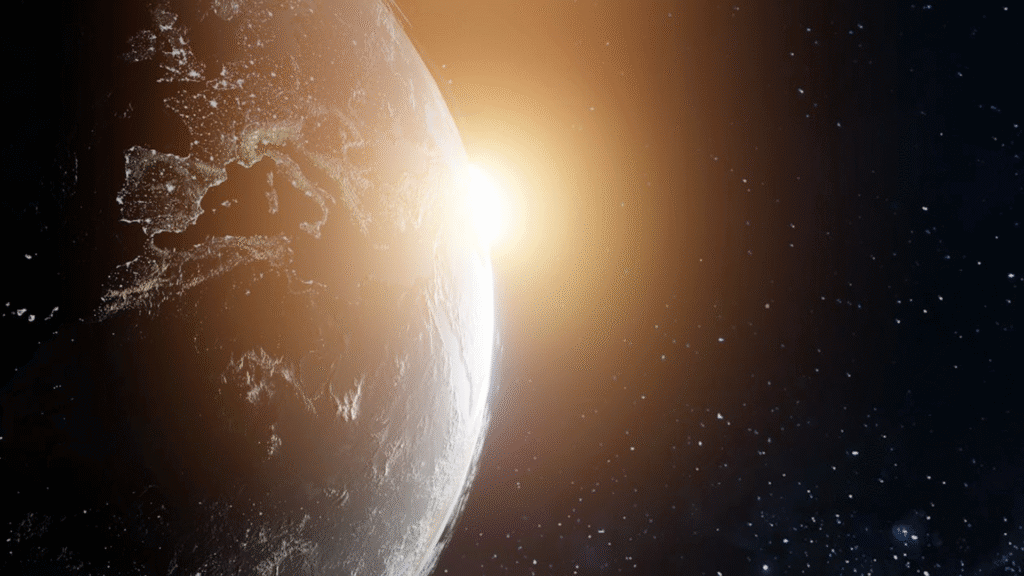
In conclusion, while modern science highlights tangible threats that could seriously impact human civilization, there is no empirical evidence that humanity is on the brink of an absolute end date, and ancient prophecies continue to offer symbolic narratives rather than precise forecasts. Together, these viewpoints remind us that the future remains uncertain but also shaped by human choices, in policy, innovation, and stewardship of the planet, as well as by the stories we tell about our place in the universe.