

Products are selected by our editors, we may earn commission from links on this page.
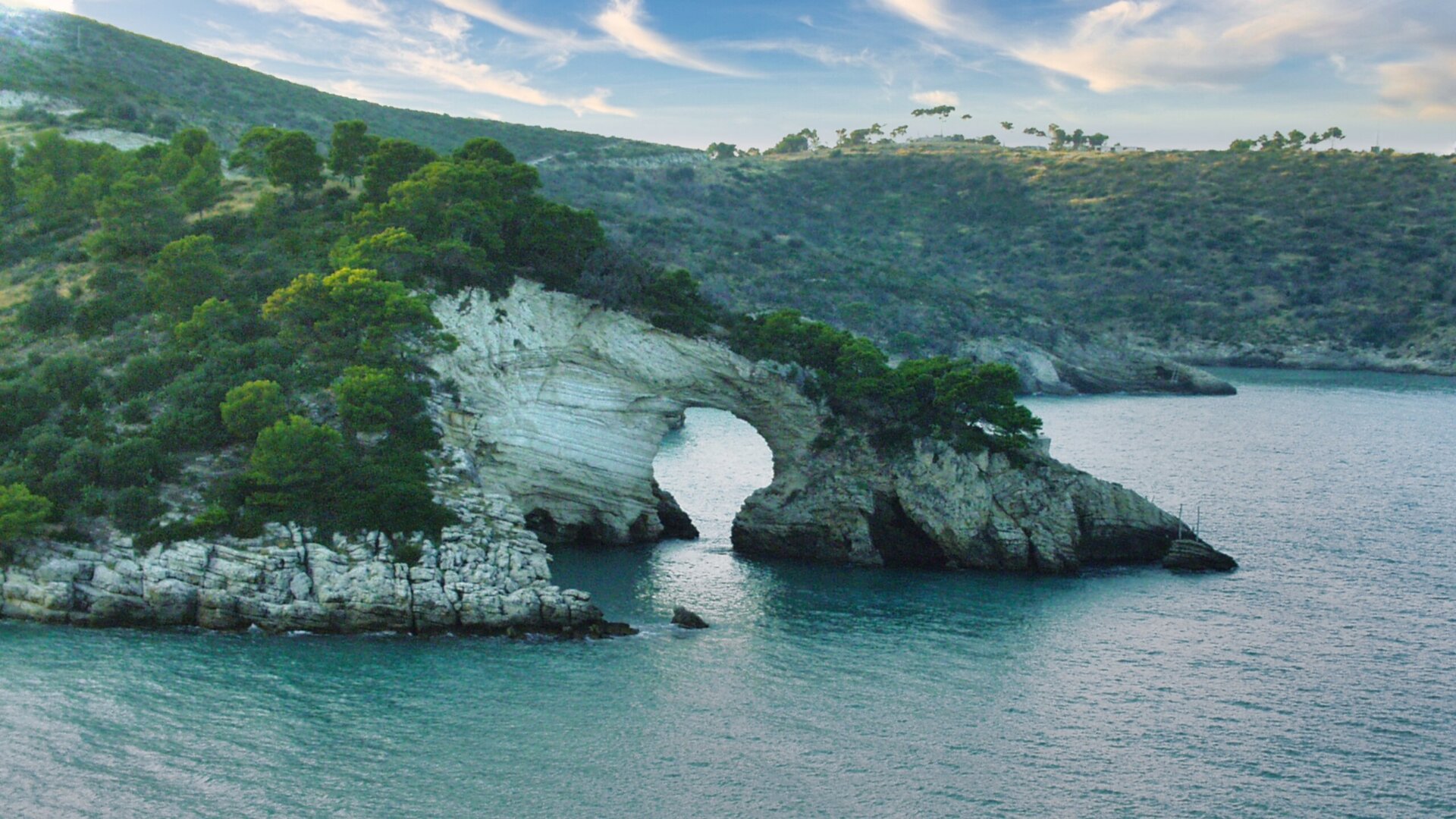
Italy’s famed Lovers’ Arch has collapsed into the sea after powerful storms battered the Adriatic coast over Valentine’s Day weekend. The Sant’Andrea Faraglioni Arch stood for centuries off Torre Sant’Andrea in Puglia’s Salento region. Carved from pale limestone and framed by turquoise waters, it became one of southern Italy’s most photographed natural landmarks. Its sudden fall has left both locals and visitors stunned.
A Landmark Steeped In Legend
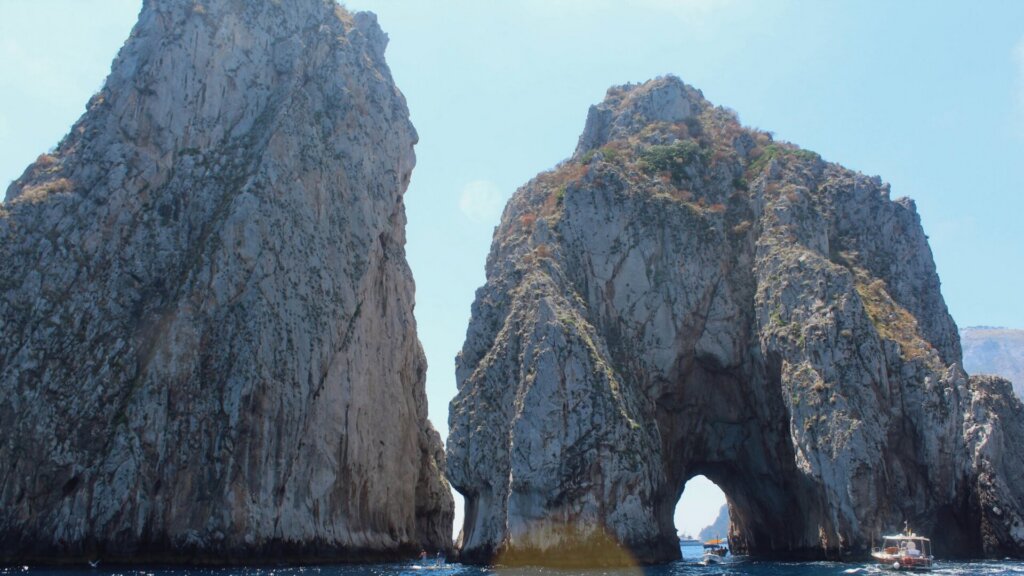
For generations, couples traveled to kiss beneath the arch’s curve, believing it promised eternal love. The formation’s graceful span made it a favored setting for proposals and anniversary pilgrimages. Over time, folklore and scenery fused into a single enduring symbol of romance. The arch was not just geology but a ritual site for devotion.
Storms Deliver The Final Blow

Severe weather intensified along the Salento coastline during the holiday weekend. According to AccuWeather, powerful systems accelerated ongoing coastal erosion in the region. Rough seas relentlessly struck the fragile calcarenite rock. What centuries of wind and waves had shaped was ultimately undone by a surge of violent storms.
Officials Confirm The Collapse
Authorities in Melendugno confirmed the arch’s destruction on February 16, two days after Valentine’s Day. CNN reported that heavy storms sweeping southern Italy caused the structure to give way. Mayor Maurizio Cisternino described the loss as both emotional and economically damaging. For a community that relies heavily on tourism, the collapse carries tangible consequences.
A Blow To Tourism And Identity
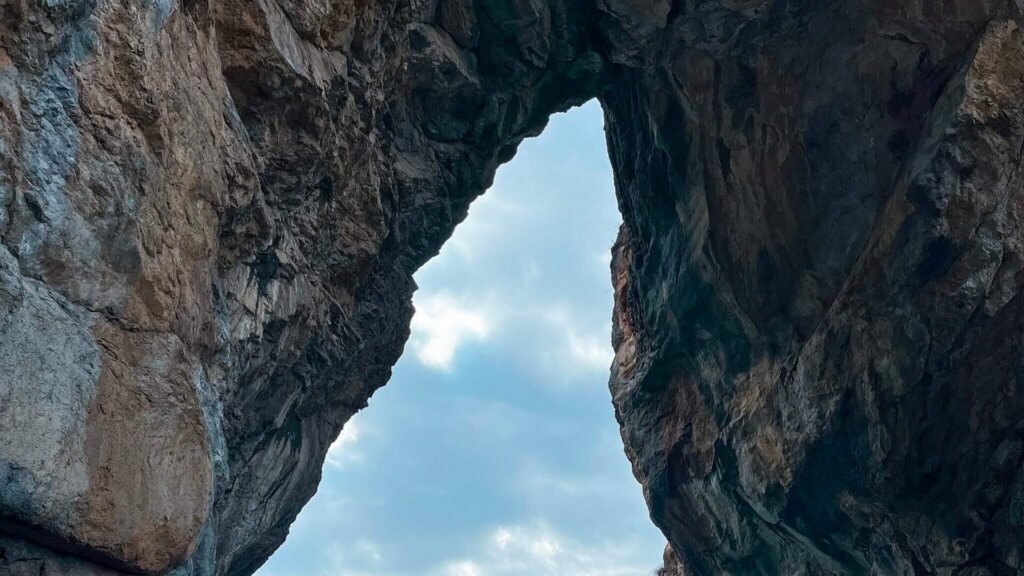
Cisternino called the event a devastating blow to Salento’s image. The arch had long served as a visual emblem of the region, featured in travel campaigns and visitor guides. Its absence alters the coastline’s silhouette and the story it tells. Beyond tourism revenue, residents feel the disappearance as a cultural wound.
From Pirate Lookout To Lovers’ Haven
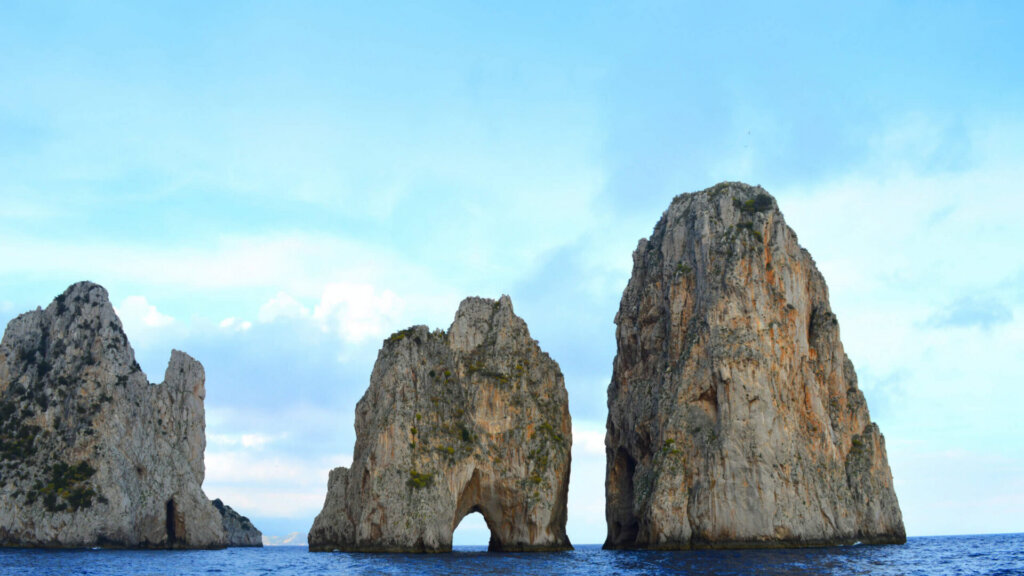
Long before it became a romantic destination, the arch played a strategic role. It once served as a lookout point to spot pirate ships approaching the Adriatic shore. Over centuries, its military utility faded as its scenic beauty took center stage. By the late 18th century, it had transformed into a celebrated monument to love.
An Instagram Era Amplified Its Fame

In recent years, social media propelled the arch to global recognition. Instagram images of couples framed by its limestone curve drew thousands of additional visitors. The site became a visual shorthand for romance in Italy’s south. Digital admiration, however, could not fortify the rock against natural erosion.
Warnings Went Unheeded
Concerns about coastal erosion had circulated for years. In 2024, local officials applied for a $4.5 million preservation grant aimed at stabilizing the shoreline but did not secure funding. Earlier storms, including Cyclone Harry in January, had already weakened the structure. February’s tempest delivered the decisive strike.
Public Grief And Symbolism
The collapse has sparked emotional reactions online and among former visitors. One man who proposed near the arch decades ago lamented that only photographs remain of what he called a piece of paradise. Social media users described the loss as heartbreaking, some even framing it as a symbolic omen. The response reveals how deeply the landmark was woven into personal memories.
Nature Reclaims What It Creates
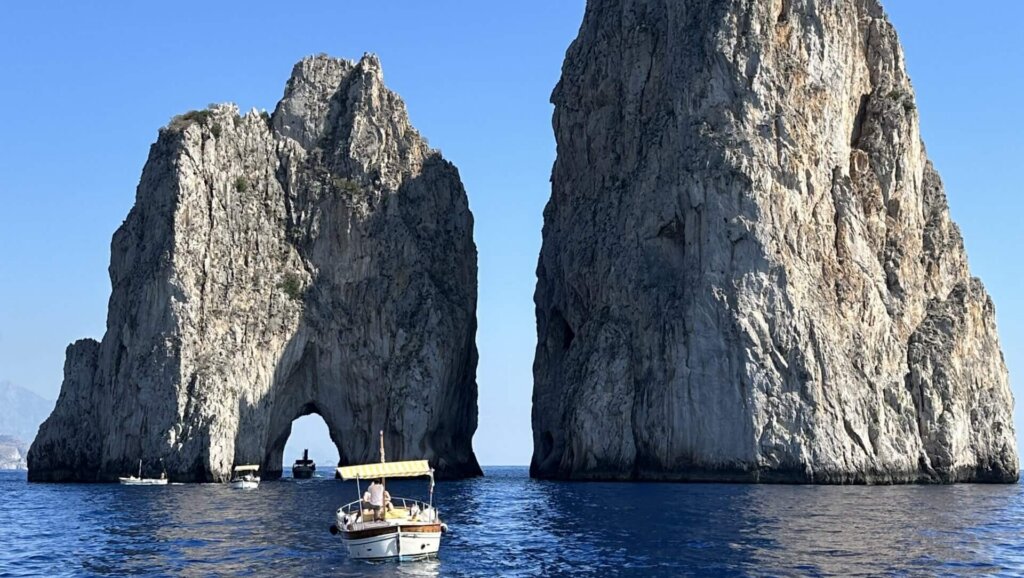
The fall of the Lovers’ Arch underscores the fragile balance between natural beauty and environmental change. Warmer sea temperatures and intensifying Mediterranean storms have heightened erosion across southern Italy. As Mayor Cisternino reflected, nature created the arch and has now reclaimed it. In its absence, the Adriatic coastline stands as a reminder that even the most cherished symbols are subject to time and tide.