

Products are selected by our editors, we may earn commission from links on this page.

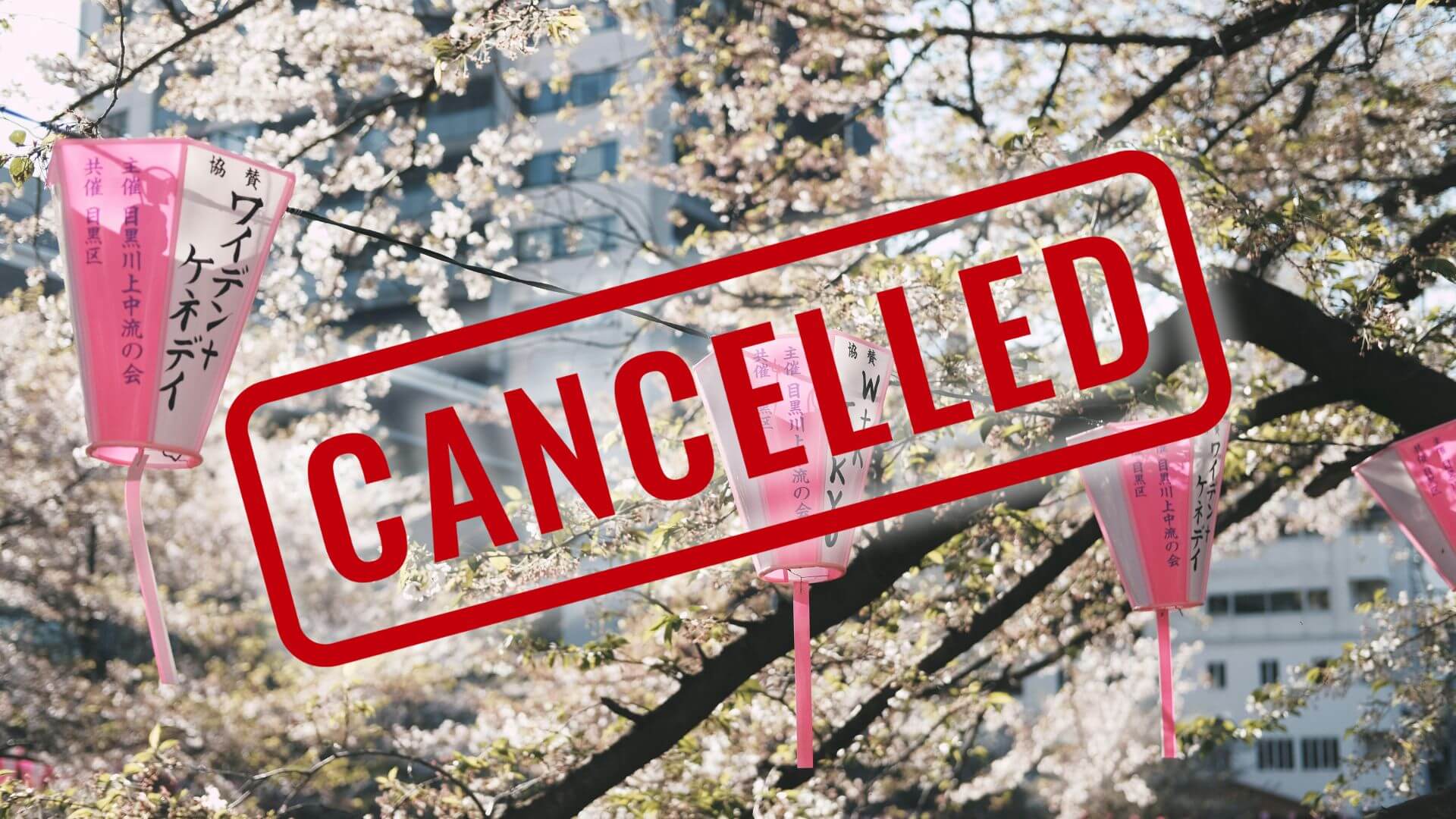
Japan has made the difficult decision to cancel a beloved cherry blossom festival after ongoing issues with tourist behavior reached a breaking point. What should have been a peaceful celebration of spring instead became a growing burden on the local community.
The festival, held near one of the country’s most iconic views of Mount Fuji, has long attracted visitors from around the world. But in recent years, the sheer volume of tourists — combined with repeated reports of disrespectful behavior — pushed local officials to take action.
Rather than risk further disruption to daily life, the town chose to cancel the event entirely. Officials say the decision wasn’t made lightly, but protecting residents and preserving the area’s cultural integrity had to come first.
When Tourism Overwhelms a Community
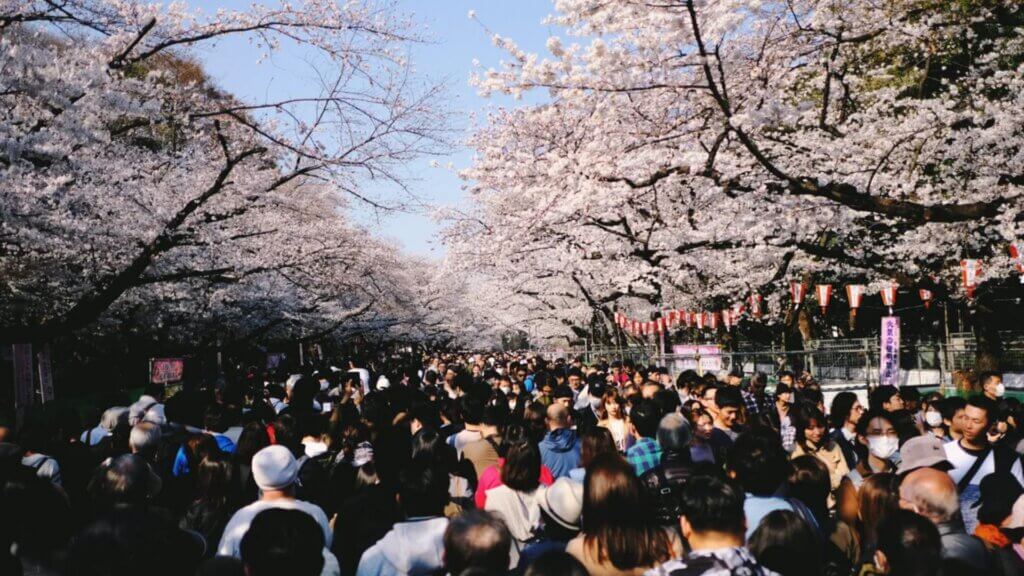
For years, the cherry blossom festival brought beauty and economic activity to the area. Over time, however, crowds grew larger and harder to manage, overwhelming streets never designed for heavy foot traffic.
Residents reported littering, blocked roadways, and visitors wandering into private property. Some locals said tourists entered homes or gardens without permission, turning what should have been a joyful season into a stressful one.
Parents and community members also raised safety concerns, noting that packed sidewalks and traffic congestion made everyday routines more dangerous, especially for children and the elderly.
Why Officials Finally Pulled the Plug
Local leaders say repeated warnings and crowd-control efforts failed to solve the problem. As tourism surged, poor behavior became more frequent, and the town struggled to keep up with basic needs like restrooms, parking, and public safety.
Officials ultimately concluded they could no longer host the festival responsibly. Canceling it, they say, was the only way to prevent further harm to residents and the surrounding environment.
While the cherry trees will still bloom as usual, the organized festivities that once drew massive crowds will not take place this year.
What This Decision Signals Going Forward
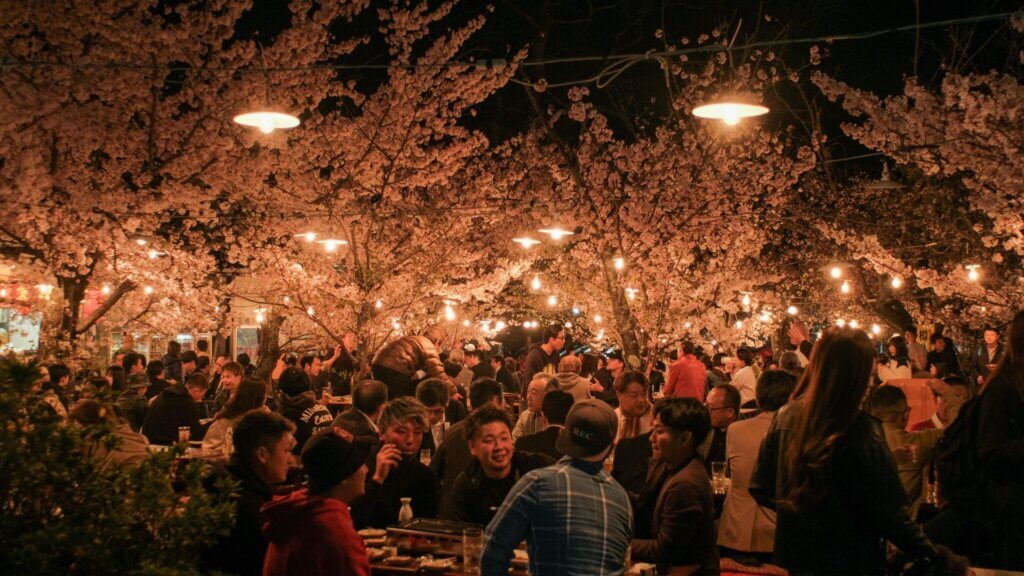
The cancellation highlights a broader issue facing popular travel destinations worldwide. As tourism rebounds and social media drives travel trends, smaller communities are feeling the strain.
Japan continues to welcome visitors, but this decision sends a clear message: respect matters. Experiencing another culture comes with responsibility, not entitlement.
For now, the town hopes the pause will restore balance — and remind future visitors that preserving beauty means treating places, and the people who live there, with care.